
The short answer
What to know first.
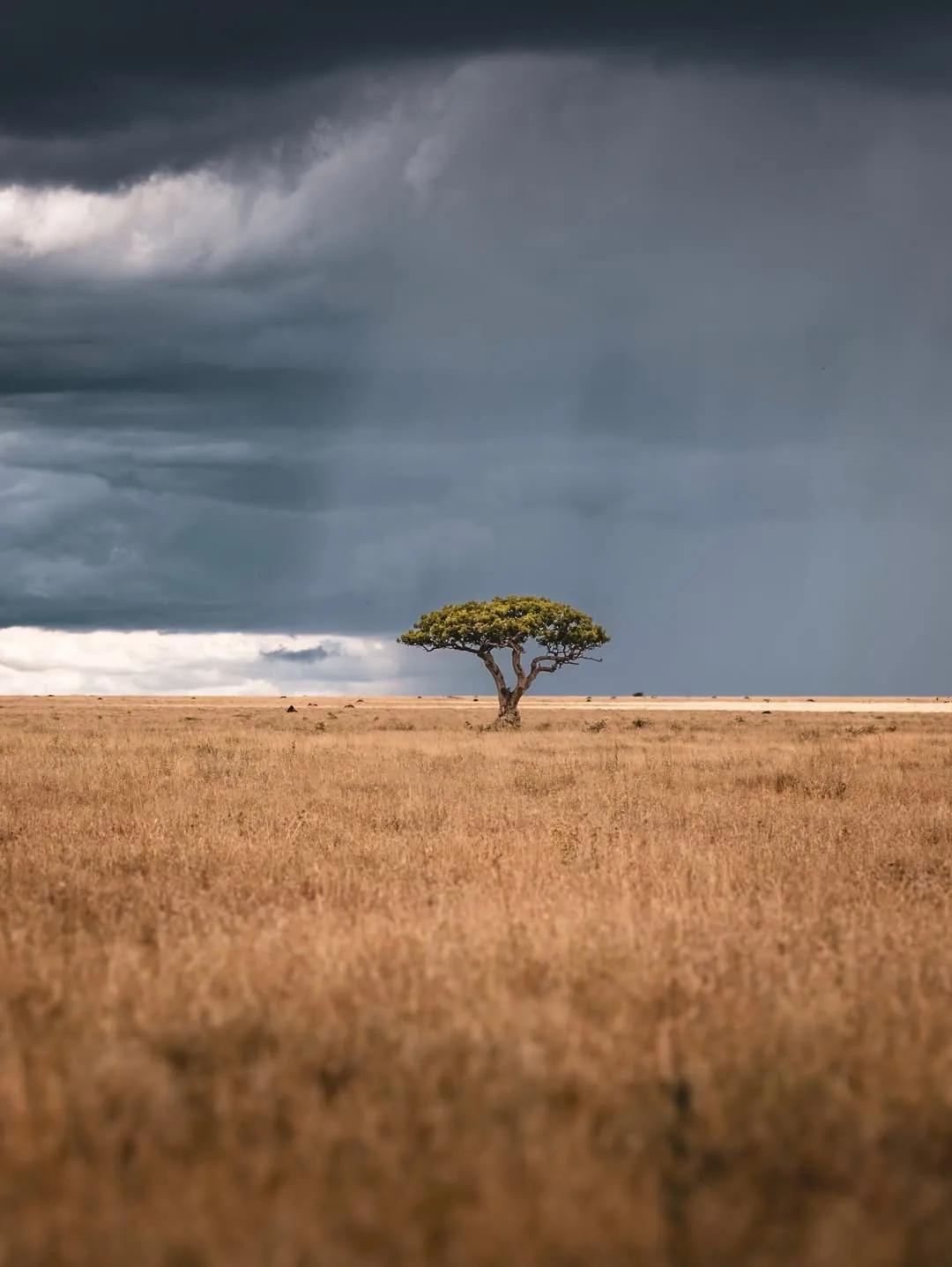
The Serengeti is not one place with a best month; it is four broad regions whose character rotates with the rains, and reading that rotation is the whole craft of placing a journey. In likelihood language, never schedule: from roughly December to March the herds mass on the southern short-grass plains around Ndutu, where the calving concentrates in a window that peaks most years around late January to February; from roughly April to June the movement pushes north and west, with the western corridor's Grumeti country strongest as the long rains taper toward June; from roughly July to October the herds are in the north at Kogatende on the Mara river, the crossing season no one can promise on a date; and November's short rains usually draw them south again through the centre and east. The central Seronera heartland holds resident big cats, elephants and superb game year-round, which is why it exists in almost every itinerary and carries the quiet months well. Rain moves grass and grass moves herds: every camp placement Sail makes is matched to this map for your actual dates against current reports, treated as weather rather than promise, and no proposal of ours sells a crossing, a birth or a border of any month as a certainty.
At a glance
The planning brief.
Rain runs the calendar
Grass follows rain and herds follow grass. Every month note below is likelihood, and no crossing is ever promised.
Regions are the real map
South for the calving months, the west corridor in its early-dry window, the north for crossing season, the centre year-round.
Resident game stays
Big cats, elephants and resident herds hold territories all year; a quiet-month Serengeti is still the Serengeti.
Sail verifies
Current herd reports treated as weather, camp placement matched to month, and honest language on every proposal.
01
Why the region map beats the month list
The internet answers 'best time for the Serengeti' with month lists that promise the herds at named GPS points in named weeks, and the ecosystem ignores them every year. The honest planning tool is a map, not a list: four broad regions, each with a season when the migration's likelihood peaks there, and each with a year-round character that stands on its own when the herds are elsewhere.
This page is that map in prose. It merges the two questions travellers actually type, when to go and where to stay, because in the Serengeti they are one question: the month chooses the region, the region chooses the airstrips and camps, and the camp chooses what dawn looks like. The camp decision that follows this map is a page of its own in this programme.
02
The south: short grass and the calving months
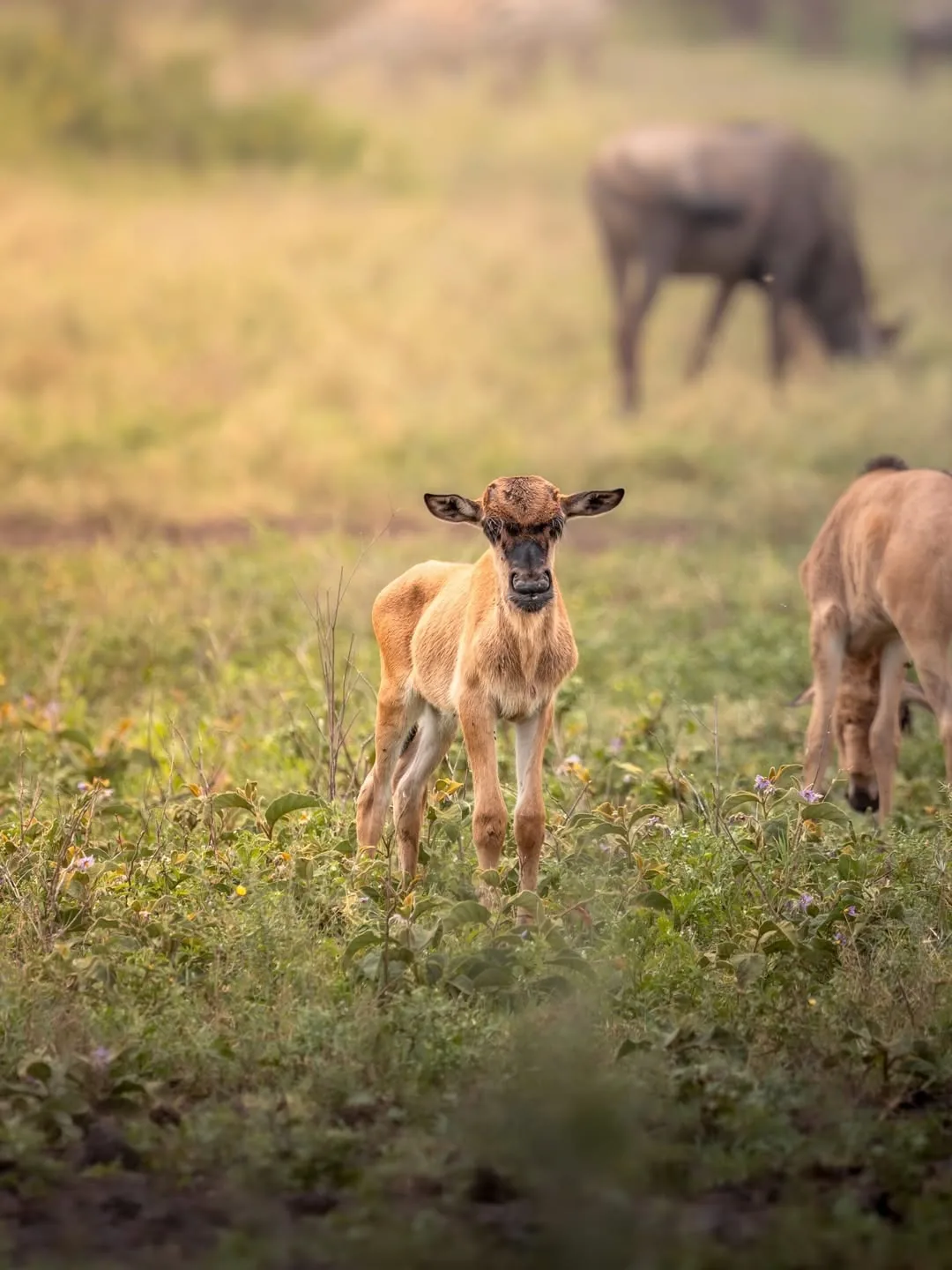
From roughly December to March the short-grass plains around Ndutu and the Ngorongoro Conservation Area's western edge hold the ecosystem's great gathering: hundreds of thousands of wildebeest on open grass, drawn by the mineral-rich pasture the short rains raise. The calving concentrates into a window that peaks most years around late January to February, when tens of thousands of calves arrive within weeks, and the predator interactions around that abundance are the most intense wildlife theatre in Africa.
The south in these months is a specialist's choice that any first-timer can love: open sightlines, extraordinary cat activity and the migration at its most concentrated, without a river in sight. Camps here are largely seasonal, sitting on the grass only for these months, and they book out with the ecosystem's earliest lead times after the crossing season itself. The calving season carries a full case of its own in this programme.
03
The west and the centre: the connecting seasons
As the long rains taper from roughly May into June, the movement pushes north and west, and the western corridor along the Grumeti river has its brief high moment: herds funnelling through wooded river country, the corridor's resident game at its richest, and the private Grumeti concessions offering exclusivity at its most complete. It is the shortest window on this map and the least crowded, which is precisely its appeal.
The centre, Seronera and its wide valleys, is the map's constant. Resident prides, leopards along the watercourses and elephants in numbers hold territories here in every month, and the central airstrips carry the park's logistics. It is the region that makes green-season and shoulder-month Serengeti journeys honest: whatever the herds are doing, the centre is having a superb ordinary day. It is also, in peak weeks, the busiest country on this map, which is a trade our camp choices manage deliberately.
December to March
South: short-grass plains, the calving window peaking most years late January to February; seasonal camps, earliest bookings after crossing season.
April to June
West and centre: long rains tapering, Grumeti corridor's brief high window toward June, green-season value everywhere and the fewest vehicles.
July to October
North: Kogatende and the Mara river crossings, likelihood at its peak and never on a date; the ecosystem's scarcest camp inventory.
November
Short rains: herds usually drawing south through the centre and east; a connecting month of moving skies, newborn gazelles and quiet camps.
04
The north: crossing season, honestly
From roughly July to October the herds occupy the ecosystem's north, and the Mara river's crossings, in Tanzania's Kogatende country and across the border in Kenya, are the season's magnet. The mechanism is mass, water and hesitation, and it obeys no calendar: no one can promise a crossing on a date, and every Sail file in these months carries that language on its face.
Operationally the north in season is the Serengeti at its most demanding: the smallest region of relevant camps, the longest booking horizons, and the greatest reward for camp position. Mobile camps that follow the season and permanent lodges within reach of the river each argue their case, a choice weighed camp by camp on the file. What we place here, we place early, and what we cannot place honestly for your dates, we say so.
05
Reading a year that refuses to be average
Every paragraph above says roughly, and the word is doing honest work. The rains vary by weeks between years; the herds split and rejoin; a dry January can hold animals north of every prediction and a wet October can send them early. Current reports matter more than any published calendar, and Sail reads them the way sailors' rivals read weather: as this week's truth, not this decade's brochure.
This is why our proposals name likelihoods and buffers rather than events: a northern file in September holds crossing likelihood, not a crossing; a February file holds the calving grounds, not a birth appointment. Travellers briefed this way are rarely disappointed and often astonished, which is the correct emotional order for the Serengeti.
06
From map to itinerary
Applied, the map yields the shapes we build most: a February file splitting south and centre; a June file pairing the corridor with the centre; an August file based at Kogatende with a central chapter to widen the days; a November file riding the centre with the south beginning to call. Five to seven Serengeti nights across two regions is the recurring sweet spot, flying between strips where the calendar is tight.
The next decisions follow naturally: which camps serve each region in your month, how many nights the park deserves, and how the Ngorongoro day attaches on the way in or out. Send the desk your dates and the map above becomes a placed, priced itinerary with its likelihood language already written.
Questions travellers ask
Useful answers, before you decide.
What is genuinely the best month for a first Serengeti safari?
The one your calendar allows, placed in the right region: February in the south, June in the west or centre, August to September in the north, November through the centre all make superb first files. The wrong answer is the right month in the wrong region.
Where exactly are the herds right now?
Wherever the last fortnight's rain says, which is why we read current reports at design and again before travel rather than quoting a diagram. Ask the desk and you will get this week's honest answer, labelled as weather.
Is the centre worth it in crossing season?
Often, as the second chapter: Seronera's resident game holds regardless of the herds, and pairing it with Kogatende widens a northern file. In peak weeks its traffic is real, and camp choice manages it.
Do these months apply to the Mara side too?
The northern season is shared: July to October serves both sides of the river. The calving south is Tanzanian ground, and the Mara's own year is covered in its companion page.