
The short answer
What to know first.
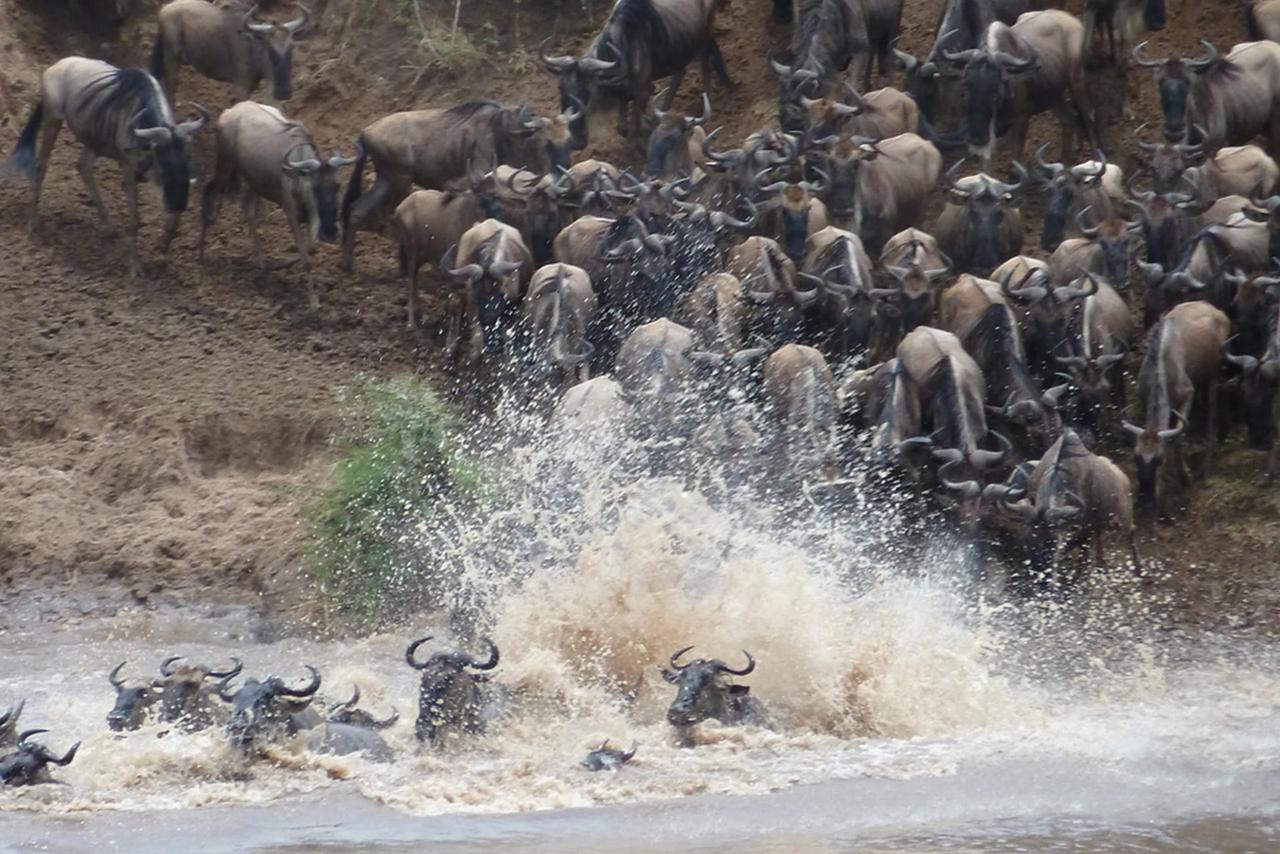
A Mara river crossing is driven by three forces no operator controls: mass, water and hesitation. Herds build on the banks over hours or days until the pressure of animals behind outweighs the fear of what waits below; river levels decide which crossing points are usable at all; and the hesitation itself, wildebeest surging to the edge and wheeling away a dozen times, is the system working, not failing. The season is genuinely dependable in the aggregate: from roughly July to October the herds occupy the river country on both sides of the Kenya-Tanzania border and crossings happen through the window, sometimes several in a day, sometimes none for days. What does not exist, anywhere, at any price, is a crossing on a date. What a well-designed file buys instead is likelihood: camps positioned minutes from the active crossing points rather than hours, guides who read the massing and the river all day, and enough nights in the window for probability to work. That is precisely how Sail builds crossing-season files, in language that promises the season and never the event, because the alternative, a promised spectacle the river declines to schedule, is how safari disappointment is manufactured.
At a glance
The planning brief.
The mechanism
Herds mass at the banks for days, water levels and crocodiles argue back, and the plunge happens when it happens.
The season is real
July to October holds genuine crossing likelihood on both sides of the border; a date inside it holds none.
What camps buy
Position: minutes to the river instead of hours. Likelihood improves; certainty is not for sale.
Sail's language
Every proposal says likelihood, and every guest briefed that way comes home astonished rather than shortchanged.
01
The mechanism, plainly
A crossing is a pressure event. Wildebeest accumulate at the river's edge because grass and instinct pull them across, and they refuse the water because crocodiles, current and steep banks argue back. The standoff holds until mass tips it: enough animals behind, one animal in, and then thousands, the churn feeding on itself until the impulse exhausts and the river goes quiet again.
Every input is unschedulable. The massing depends on where the grazing ran out; the river's depth on rain that fell days ago and kilometres away; the trigger on one animal's nerve. Guides read all of it superbly, and the best reading in the Serengeti still yields a probability, never an appointment.
Two details the brochures skip complete the picture. Crossings run in both directions, often on the same day, because the herds are following grass and not a script; a southbound crossing is as real as the northbound one the films prefer. And a crossing point that worked on Tuesday can be abandoned by Friday: banks collapse, water rises, crocodiles reposition, and the herds re-solve the river daily. This is why guides, not maps, carry the current answer.
02
What the season actually promises
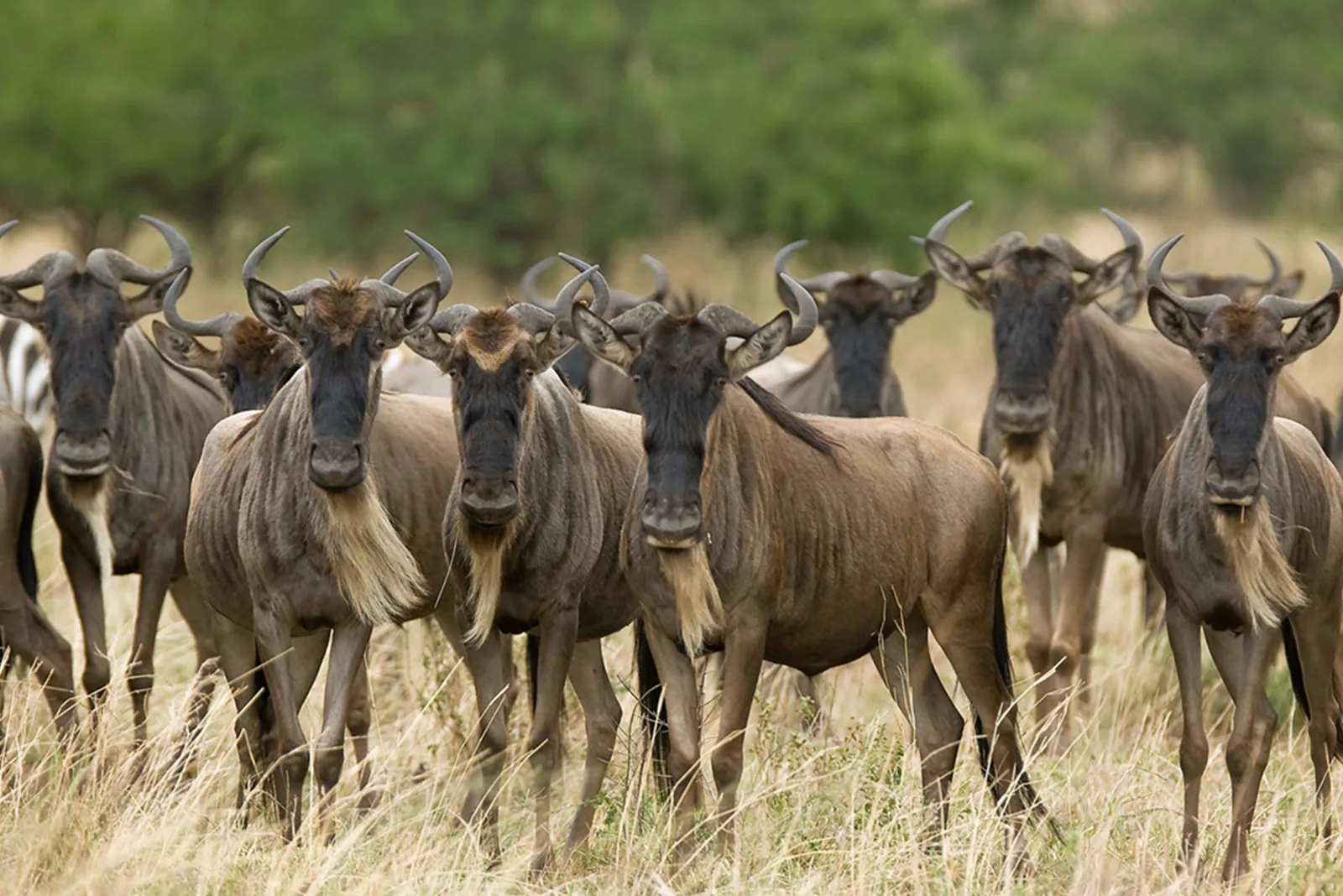
From roughly July to October the herds occupy the northern river country, Kogatende on the Tanzanian side and the Mara reserve and conservancies on the Kenyan side, and cross repeatedly, in both directions, for reasons of grass rather than drama. Inside that window a stay of three to four nights near active crossing points carries genuinely strong odds of witnessing at least one crossing, and often several.
That is the honest product: a season of high likelihood, not a calendar of events. The distinction sounds pedantic until you have stood at a full riverbank on the one afternoon a promised itinerary allotted, watching ten thousand wildebeest decide against it. Files briefed in likelihood language wait with excitement; files sold certainty wait with a stopwatch.
July
The herds arrive in the river country in waves; early crossings begin as the columns reach Kogatende and the Mara. Position matters most now, because the action is patchy and local.
August
The classic heart of the window on both sides of the border. Herds established, crossings frequent, camps full: the weeks the twelve-month bookings were made for.
September
Often the sleeper pick: pressure on beds eases slightly while the herds still work the river in both directions. Charlie's favourite briefing month.
October
The window closes gradually as the columns begin drifting south. Crossings still occur, camps soften, and the light turns; a considered choice for photographers over spectacle-counters.
03
What camp position buys, and what it cannot
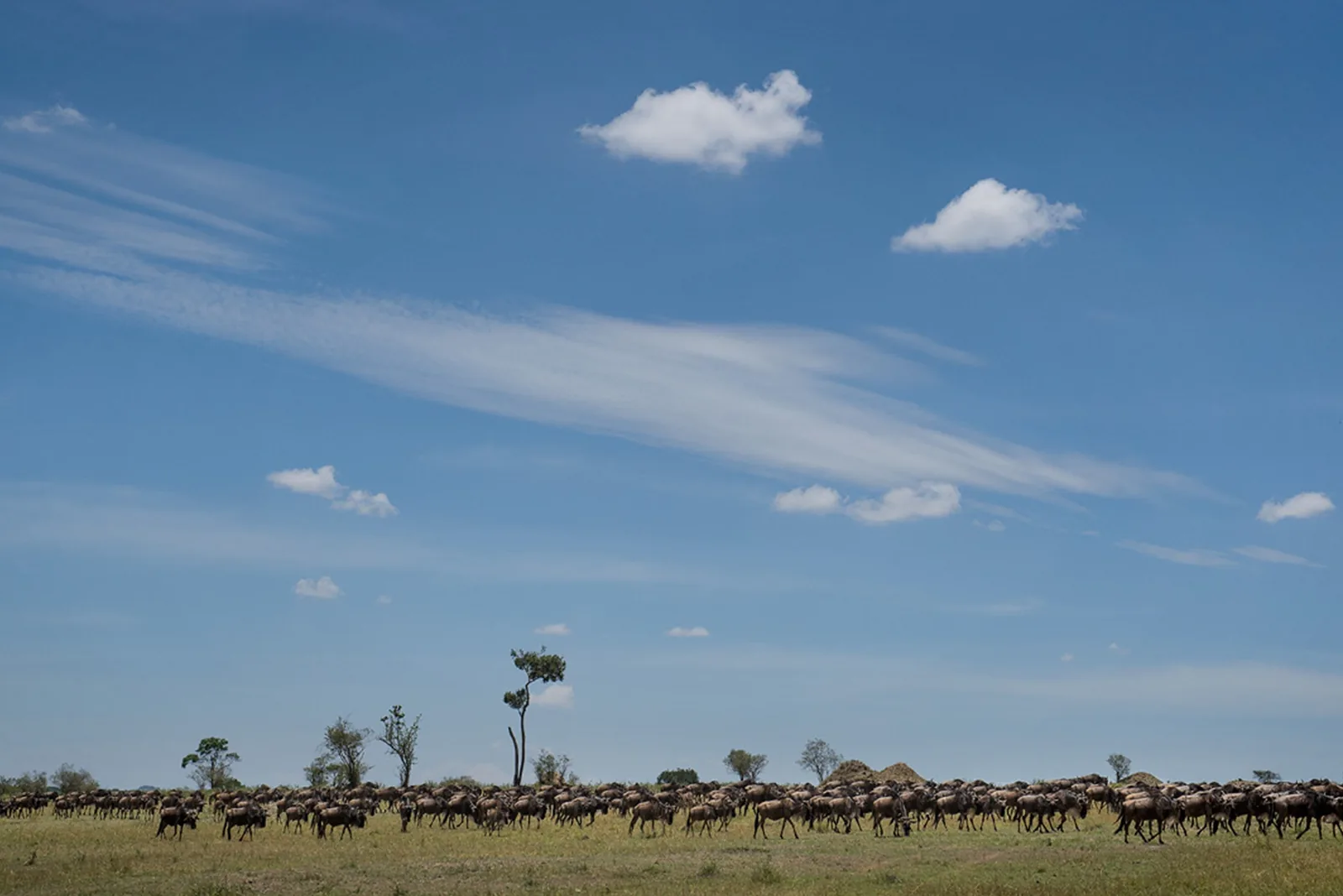
Position is the one lever money genuinely moves. Camps minutes from the active crossing points let a file respond when the massing starts, morning after morning, without burning hours in transit; camps two hours away make every alert a gamble against the trigger. This is why the river-country camps book out first and cost most, and why our migration-booking page treats them as permit-like inventory.
What position cannot do is summon the event. No camp, no guide fee and no private vehicle changes the river's arithmetic, and the marketing that implies otherwise, crossing safaris with the event in the headline, is selling the season's average as a personal guarantee. From the Sail operations desk, checked against a decade of crossing seasons: the guests who see the most crossings are simply the ones with the most mornings in the right place.
04
How Sail writes and runs a crossing file
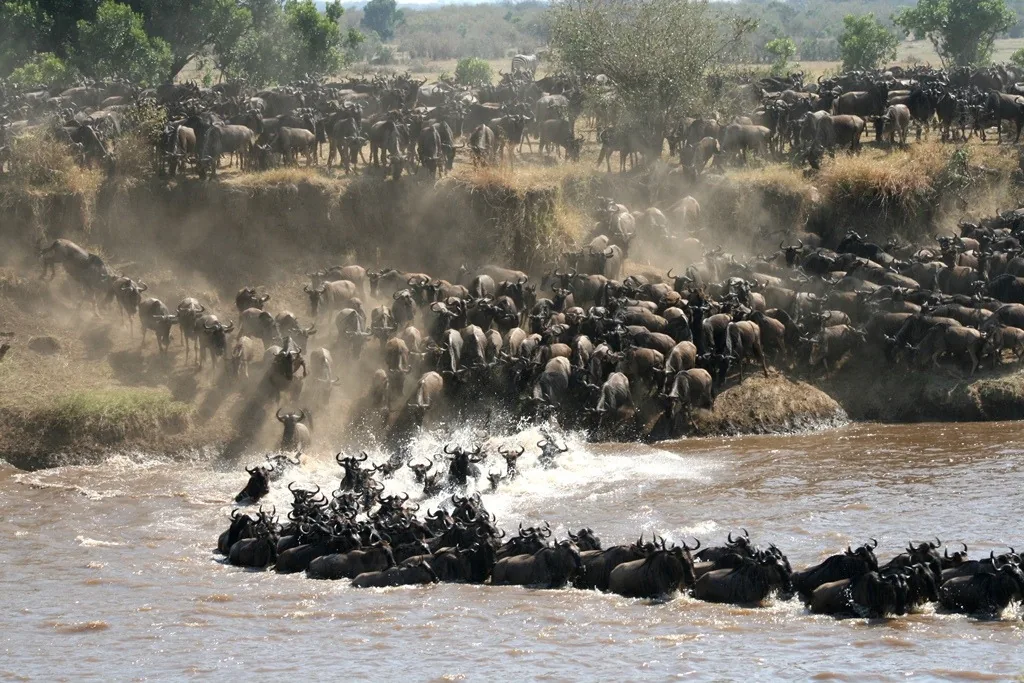
On paper, the language is exact: the proposal names the season, the camp's position relative to the known crossing reaches, and the number of mornings held in the window; it promises none of the rest. Three to four nights at the river is our working minimum for the odds to be worth their cost, and the file's other chapters flex around that block.
On the ground, the day is built for responsiveness: dawn starts, a vehicle dedicated to the file, radios read continuously, and a guide with the authority to abandon breakfast when the massing tips. Then patience, the most underrated equipment on any crossing morning. The river has kept its own diary for a million years; we simply make sure you are close enough to read the day's entry.
One more piece of honesty belongs here, because it protects the day itself: crossing points in season draw vehicles, and the difference between a wildlife spectacle and a traffic spectacle is guide discipline. Park rules govern how close vehicles may sit and where they may wait, and a guide who holds position quietly, engine off, off the banks the herds need, buys you both the better photograph and the cleaner conscience. If a crossing does not come, the river country is not a waiting room: rhino territory, resident prides, the crocodiles themselves and the largest land migration on earth simply grazing are the consolation prizes, and they would headline any other safari on the continent.
Questions travellers ask
Useful answers, before you decide.
What are the odds of seeing a crossing on a three-night stay?
In the season, at a well-positioned camp, genuinely strong and honestly unquantifiable: the river does not publish statistics. More mornings in position is the only lever that reliably improves them.
Which side of the border is better for crossings?
Both sides front the same river and the same season. Availability and the journey's shape decide, which is the subject of its own comparison in this programme.
Do crossings happen outside July to October?
The herds cross rivers year-round somewhere in the ecosystem, but the famous Mara river spectacle concentrates in the northern season. Outside it, chase nothing; the calving and the regions have their own pages.
Can a private guide or helicopter improve crossing chances?
A dedicated vehicle and a sharp guide improve responsiveness, which matters. Nothing improves the river's schedule, and aerial viewing of crossings is not how the parks work.