
The short answer
What to know first.
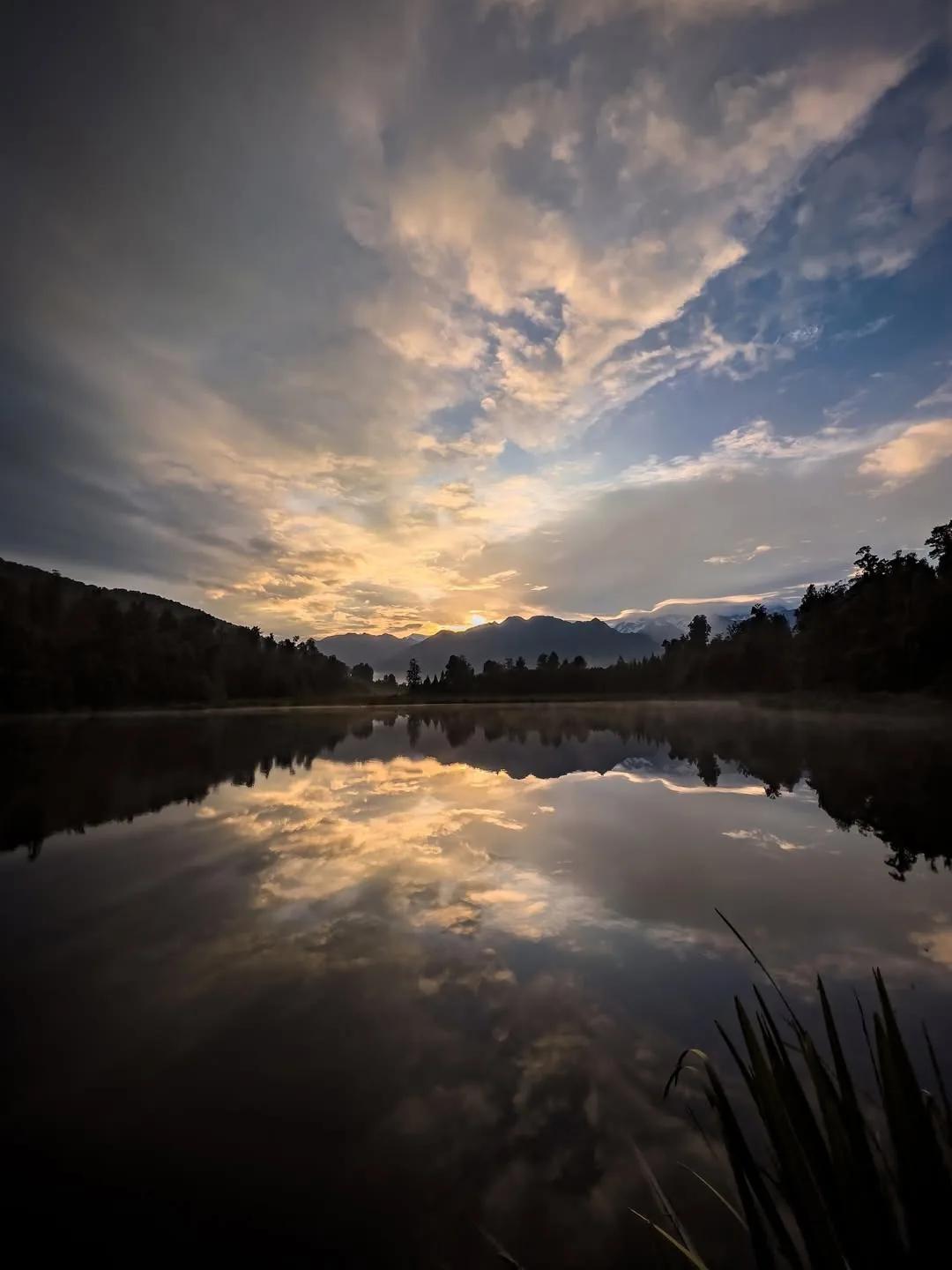
The Ngorongoro Crater is worth one well-designed day for almost every northern-circuit journey, and pretending otherwise would be contrarian theatre; the honest additions are that it is a managed wonder with real vehicle density, that the day's quality is decided almost entirely by when you descend, and that the arithmetic deserves stating. The crater is a collapsed volcanic caldera whose floor holds one of the densest year-round concentrations of large mammals on earth, including East Africa's most reliable wild black rhino viewing, inside walls six hundred metres high. It is also a single floor with limited descent roads, which concentrates every visiting vehicle into the same amphitheatre, most heavily from mid-morning. The discipline that beats the density is simple: sleep within reach of the gate, descend at first light, carry breakfast and lunch, and be leaving as the queue arrives. Under the NCAA's current published tariff the day carries 70.80 US dollars per person per day of conservation-area entry plus a crater service fee of 295 dollars per vehicle per descent, passed through at cost on Sail files and reconfirmed at booking. One full morning, done this way, is enough for most journeys; the second descent rarely earns its fee, and the rim-or-Karatu sleeping decision belongs to the crater-day plan rather than to the view photograph.
At a glance
The planning brief.
Yes, done properly
The crater is a genuine wonder and a managed one: one well-designed day is the answer for most journeys.
First light wins
Descend at gate opening: the light, the predators and the empty floor belong to the first vehicles down.
The fee arithmetic
NCAA charges per person per day plus a per-vehicle crater service fee, published figures passed through at cost.
Sleep by the plan
Rim lodges buy the earliest descent and cold nights; Karatu buys warmth and value with an earlier alarm.
01
What the crater actually is
Ngorongoro is the world's largest intact volcanic caldera, a two-million-year-old collapse whose floor, roughly two hundred and sixty square kilometres, functions as a nearly self-contained ecosystem. Resident populations of lion, elephant, buffalo, hyena and superb general game live inside the walls year-round, and the crater offers East Africa's most dependable viewing of wild black rhino, a sentence almost nowhere else on the continent can carry honestly.
It sits within the wider Ngorongoro Conservation Area, administered by its own authority, the NCAA, separate from TANAPA's parks, on the highland road between Arusha's side of the circuit and the Serengeti. That geography is why nearly every northern itinerary passes it, and why the real question is rarely whether to include the crater but how to include it well.
02
The crowd question, answered without flinching
The crater's compression is physical: one floor, walls all around, limited descent roads, and every visitor in the northern circuit's peak weeks funnelling into the same amphitheatre. From mid-morning in high season the floor carries the vehicle density critics describe, and a file that descends at nine o'clock has volunteered for it.
The same compression is why the crater rewards discipline so extravagantly. At gate opening the floor is cold, golden and nearly empty; the predators are finishing their night's work; and for two or three hours the caldera belongs to the few vehicles that took the early alarm seriously. From the Sail operations desk, checked against a decade of Charlie's crater mornings: the difference between a first-light descent and a mid-morning one is the difference between a private wonder and a car park with lions.
03
The fee arithmetic, plainly
Under the NCAA's current published non-resident tariff, a crater day carries two lines: conservation-area entry at 70.80 US dollars per person per day, VAT inclusive, and the crater service fee of 295 dollars per vehicle per descent. A transit fee applies separately when the journey drives on through the conservation area to the Serengeti, and all figures are the authority's to change, restated fresh on every Sail quote.
Worked for two people sharing a vehicle, the descent day itself runs roughly 290 dollars in fees before camp and vehicle costs; for a family of four it is closer to 360, the vehicle fee dividing further. This is the arithmetic behind our one-descent advice: the second crater day doubles the service fee for a floor you have already read, and those dollars almost always buy more elsewhere on the circuit.
Entry (per person per day)
US$70.80 under the NCAA's current VAT-inclusive tariff; charged for time in the conservation area, including Ndutu-side stays.
Crater service (per vehicle per descent)
US$295 at current rates: the line that makes single-descent planning sensible for couples especially.
Transit to the Serengeti
A separate NCAA transit fee applies on the through-road; it appears as its own line on Sail quotes.
Who should skip the crater
Repeat visitors short on nights, files allergic to any shared stage, and southern-circuit journeys that never pass the highlands.
04
Rim or Karatu: sleep where the plan points
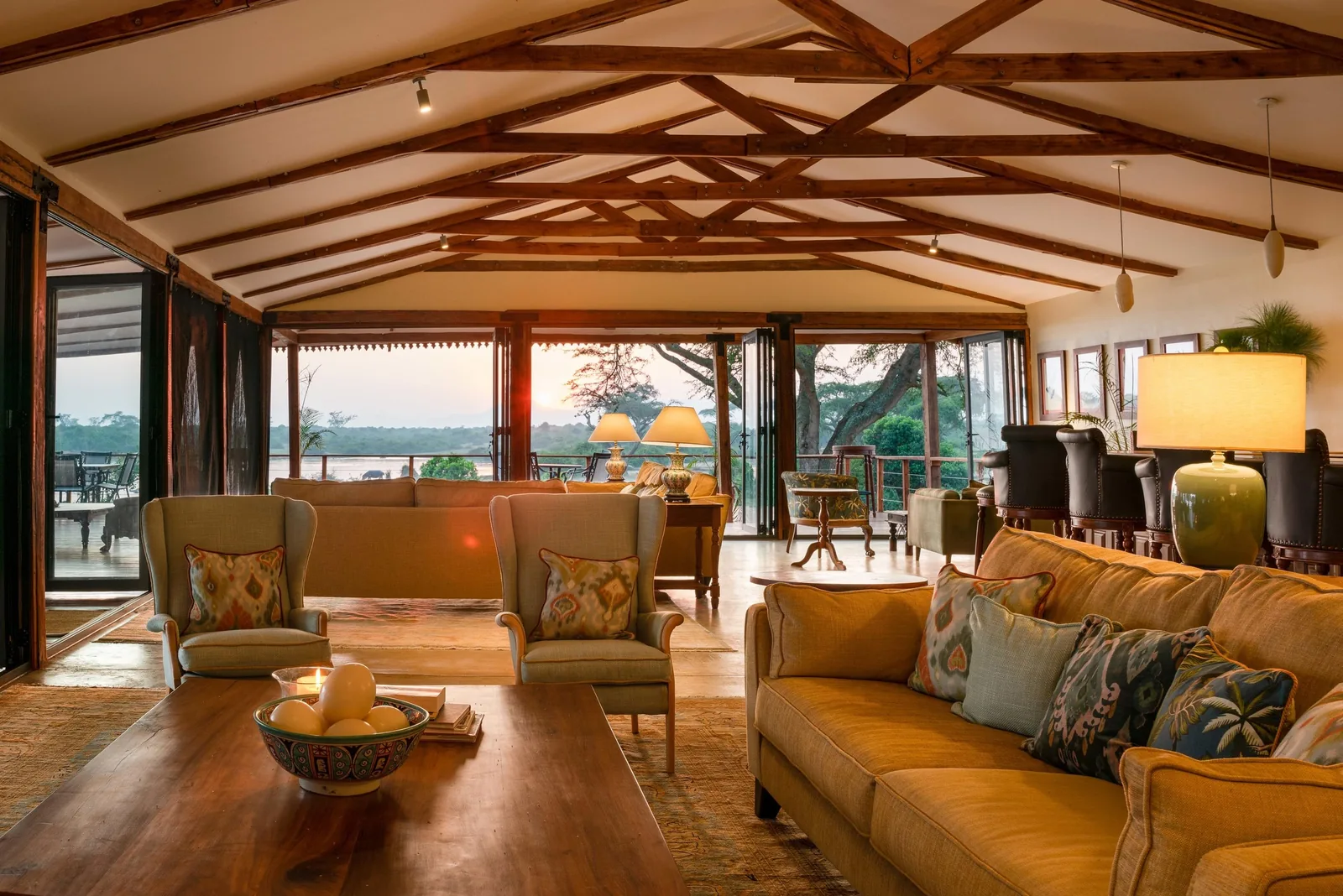
The sleeping decision is the crater question in miniature, and it is a plan decision, not a view decision. The rim's lodges put you minutes from the descent road at altitude around two thousand three hundred metres: sunrise over the caldera from your window, the earliest possible gate arrival, and genuinely cold nights that surprise unprepared packers. Karatu's farm country, forty-five minutes to an hour below, trades the dawn view for warmth, gardens, value and some of the circuit's most characterful lodges.
Our rule follows the descent: files built around a first-light crater morning sleep on or near the rim the night before; files pairing the crater loosely with Manyara or Tarangire, or watching budget at the premium tier, sleep in Karatu and accept the earlier alarm. Both answers are good; the poor answer is a Karatu bed chosen for its garden and a nine-thirty arrival at a floor already full.
05
How the well-designed day actually runs
The Sail version: wake in the dark, gate at opening, descend with the light coming up the walls, and work the floor while it is empty, rhino first while the morning is cold, then the lion prides, the hippo pools and the endless middle distance. Breakfast and lunch travel with the vehicle, eaten at the designated sites among zebra rather than back at a lodge on a clock.
By early afternoon the floor has given its best and the vehicles have multiplied; the well-designed day is climbing out as the queue rolls in, either back to the rim for a second night or onward through the highlands toward the Serengeti, the crater already banked. One descent, fully used, then movement: it is the shape a decade of operating this caldera has settled on, and no client who has done it that way has asked us for the second day.
Questions travellers ask
Useful answers, before you decide.
How much time is enough on the crater floor?
One full morning from gate opening, five to six hours on the floor, sees the caldera properly. Regulations and practical timing are confirmed for your dates at booking; the principle of descending first does not change.
Is the crater good for children?
Very: enclosed geography, near-guaranteed density and the rhino story land well with young travellers, and the day's early start is its only real demand. Family files simply plan the previous evening around the alarm.
Can the crater be skipped without ruining a northern circuit?
Yes, and occasionally it should be: repeat visitors and journeys tight on nights sometimes spend the day and the fees better in the Serengeti. It remains the exception; for first journeys the crater earns its morning.
Does the crater replace a Serengeti stay?
No. It is one extraordinary morning inside an itinerary, not an ecosystem to live in for days. The Serengeti pages of this journal carry the depth the crater's single floor cannot.