
The short answer
What to know first.
Fly when distance would consume a valuable day or the landscape between points adds little to your priorities. Drive when the route is scenic, stops are meaningful or a private vehicle creates useful continuity. Confirm aircraft, baggage and transfer details for the exact service.
At a glance
The planning brief.
Fly when
The distance is long, field time is scarce or roads add little to the journey.
Drive when
Landscape, towns and flexible stops create meaningful context between areas.
Aircraft reality
Small-aircraft baggage, runway conditions, schedules and weather can shape the day.
Best answer
Many strong routes combine strategic flights with selected private road sectors.
01
What flying gives you
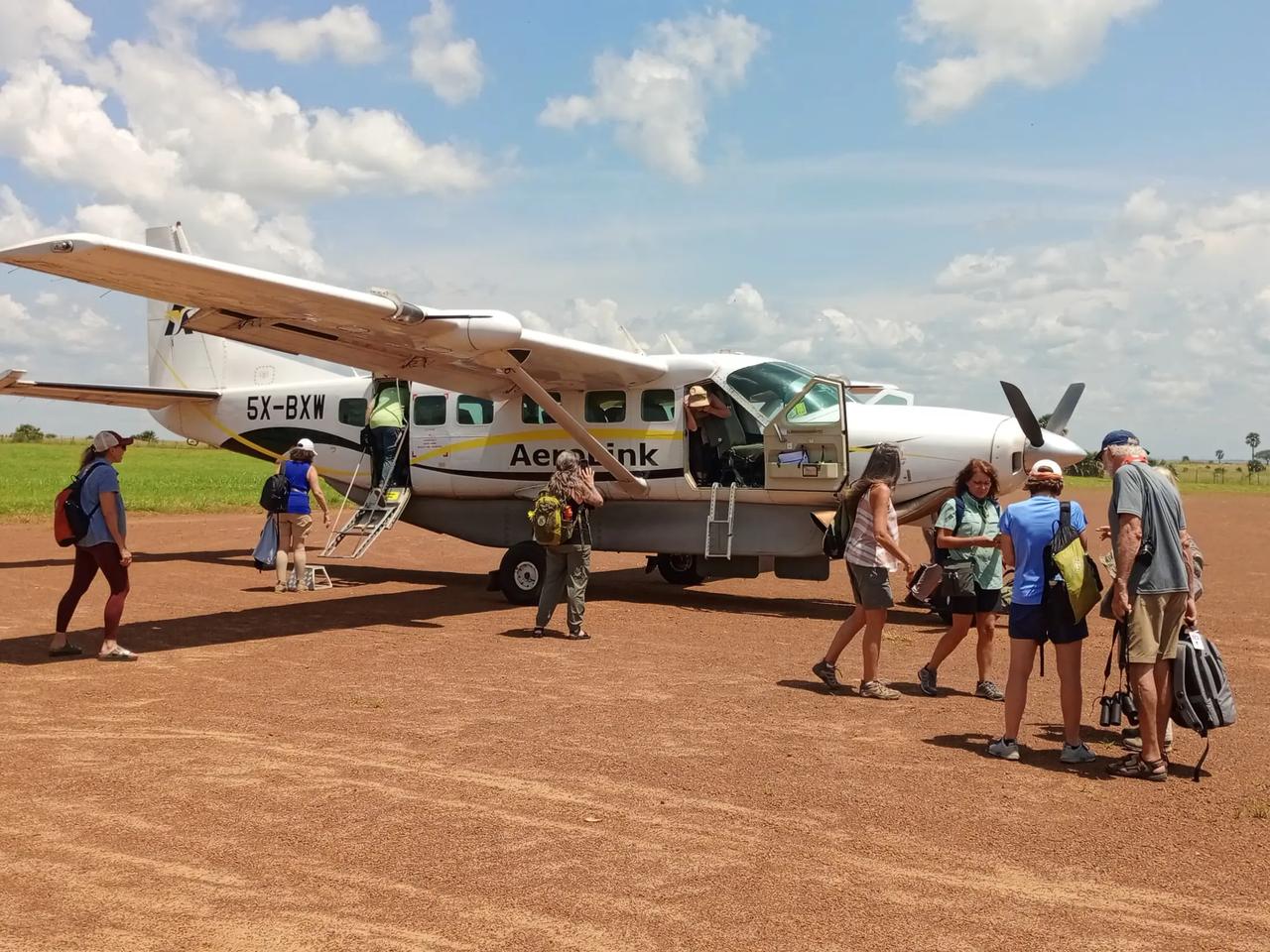
Scheduled safari flights connect regional hubs and bush airstrips, often using smaller aircraft suited to short runways. They can transform a full road day into a shorter movement and make cross-border combinations possible.
Schedules may involve stops, aircraft changes or timing adjustments. Airstrip transfers still count. Design from the current timetable rather than the straight line on a map.
02
What driving gives you
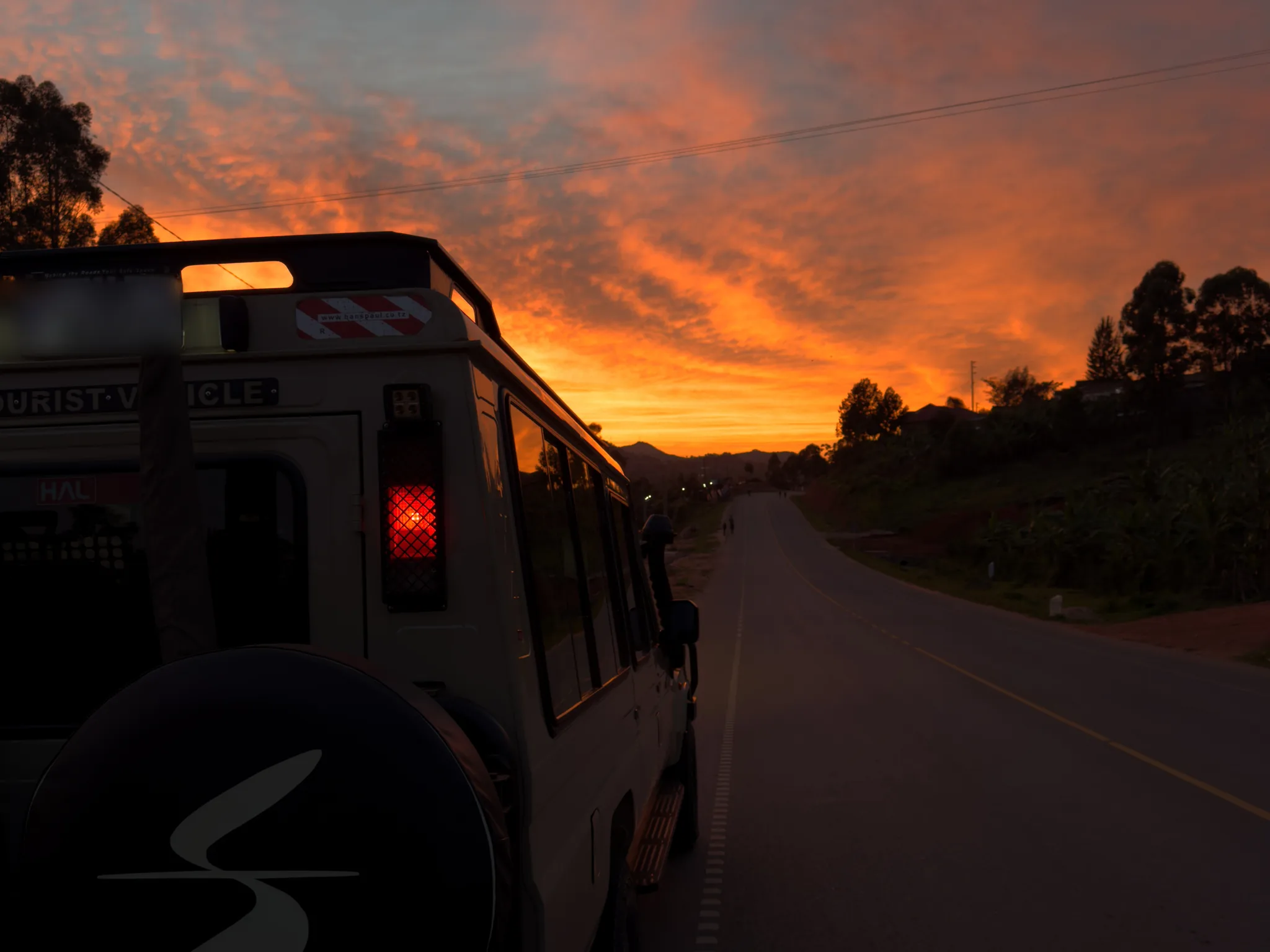
A private road journey reveals farms, towns, escarpments and changes in vegetation. Your guide stays with you, luggage is simpler and spontaneous stops are possible. In northern Tanzania or western Uganda, the road can be part of understanding the country.
Long drives become tiring when repeated or poorly surfaced. Distance in kilometres does not reliably predict time.
03
Baggage changes the decision
Small aircraft commonly require soft-sided luggage and impose combined weight limits, but the exact allowance varies by carrier, aircraft and ticket. Hard cases may be refused or difficult to stow. Camera equipment and hand luggage may count within the total.
Sail reconfirms the booked service and can plan storage or laundry where needed. Do not buy luggage based on a generic internet limit.
04
Families and mobility
Very young travellers, nervous flyers and guests with reduced mobility need an honest aircraft and airstrip discussion. Boarding may involve steps, uneven ground and limited cabin space. Road travel brings its own constraints, including comfort breaks and duration.
The best route considers the individual rather than assuming flight is always the premium choice.
05
A hybrid route often works best
Drive the section that tells a story; fly the section that merely repeats distance. This can preserve landscape context, keep one guide for a meaningful part of the journey and return time where it matters most.
Questions travellers ask
Useful answers, before you decide.
Are safari aircraft safe?
Reputable licensed operators work within aviation regulation. Weather and operational conditions can change schedules. Sail books established operators and monitors the movement.
Can I take a hard suitcase?
Small safari aircraft generally favour or require soft-sided bags. Exact dimensions and weight must be checked against the ticketed carrier.
Will there be several stops?
Possibly. Scheduled bush flights can operate like a local shuttle, stopping at more than one airstrip according to the day's manifest.