
The short answer
What to know first.
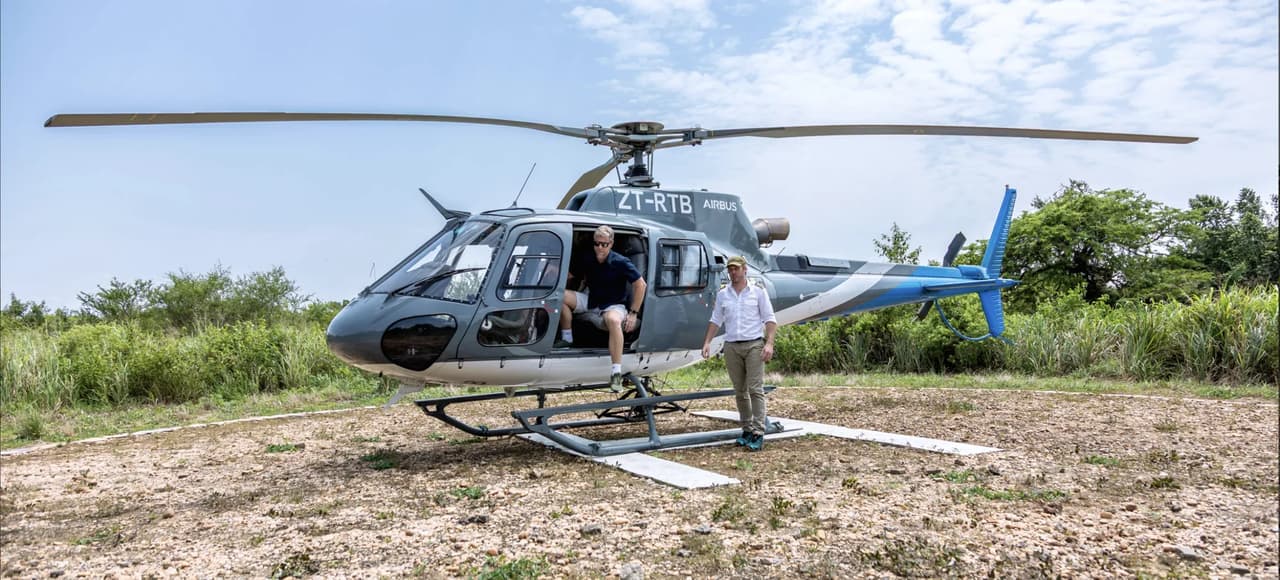
Helicopter and fixed-wing charters can dramatically shorten the approach to gorilla country, replacing long mountain roads with a flight toward the correct sector, subject to operators, landing options, weather and cost, all confirmed at booking. What air cannot change is the trek itself: guests still report to the sector briefing at park time, rangers still lead, and the walk still lasts as long as the forest requires. The aircraft serves the permit, never the other way around.
At a glance
The planning brief.
What air does
Compresses the approach: hours of mountain road become a short flight toward the correct sector.
What it does not
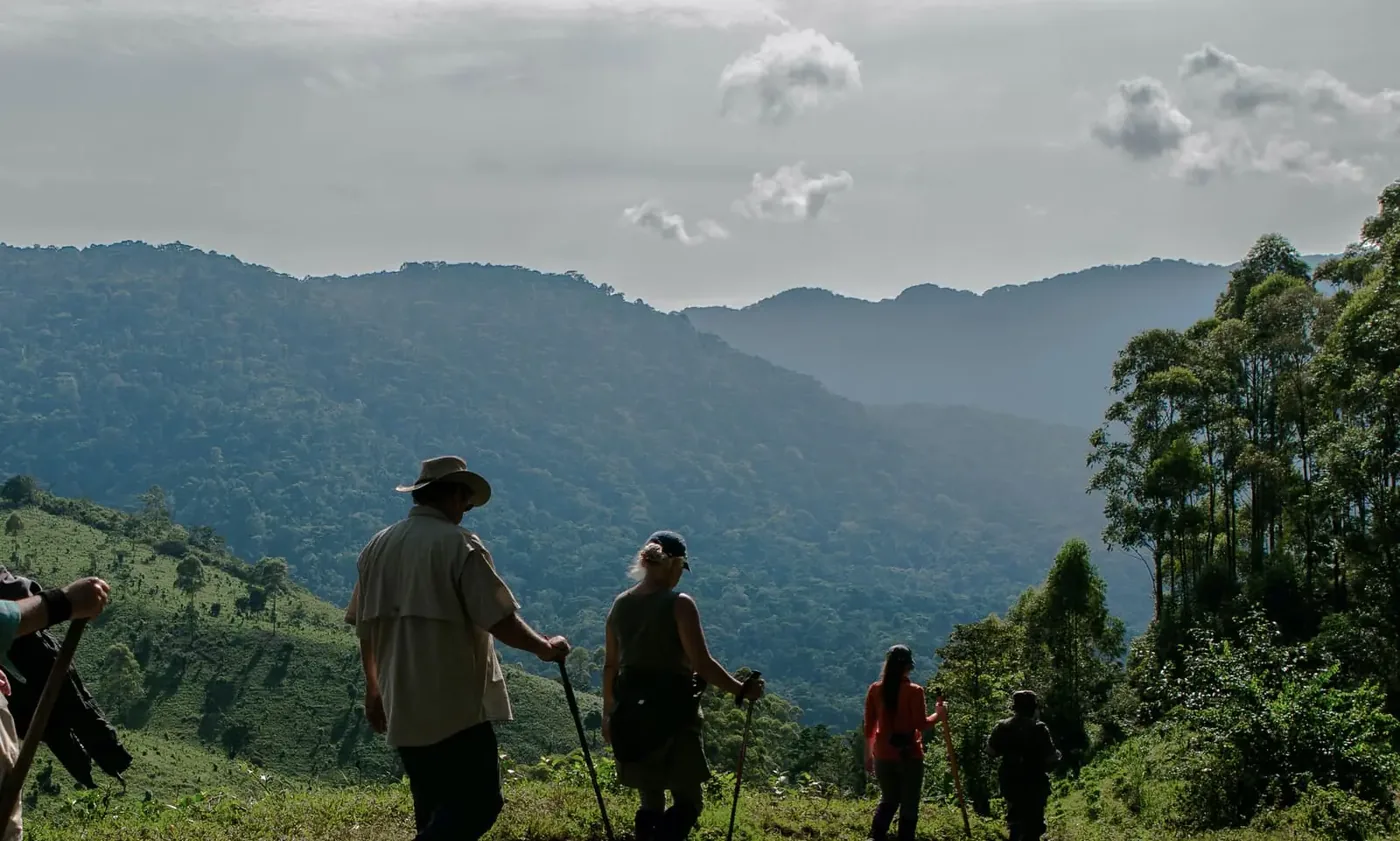
Shorten the trek. The forest walk is ranger-led, its length set by where the family has moved.
Coordination
Landing options, the permit sector and the lodge must agree before any aircraft is confirmed.
Sail verifies
Operators, landing clearances, weather margins and the briefing-morning timeline at booking.
01
What the flight actually buys
The western road is beautiful and long. Rotary or fixed-wing charter compresses a day of mountain driving into a morning, delivers guests fresher to the forest's edge, and can rescue geometry that road time would break: a southern-sector permit on a northern-shaped route, or a tight connection after the trek.
For guests with limited mobility, recovering from the trek, or simply short of days, that freshness is the genuine product. The scenery en route is its own reward, offered as what it is.
02
What it cannot change
The permit still names its sector and date; the briefing still happens at park time; the family is still allocated by rangers on the morning's tracking; and the trek still lasts as long as the forest requires: an hour of walking or most of a day. No aircraft shortens the forest, and no proposal should imply a helicopter buys a gentler trek or a closer encounter.
Weather is the second honesty. Mountain flying keeps margins, and a date-locked permit is never bet on a same-morning arrival: guests sleep in the sector the night before briefing, however they arrived.
03
How the logistics are built
Landing options near gorilla country vary by operator and season, and the transfer from airstrip or helipad to lodge still exists: shorter, but real. Sail confirms the current operators, clearances and timings for the actual dates, matches them to the permit sector, and only then confirms the aircraft.
Baggage limits on light aircraft are genuine and enforced; soft bags and honest weights are part of the brief. The porter, kit and trek-day arrangements remain exactly as on any other file.
04
Who it serves best
Time-poor journeys where the saved day becomes a settled night. Multi-chapter files connecting gorilla country to distant parks. Guests for whom the road would spend energy the trek needs. Celebration files where the flight is itself part of the occasion.
For journeys with time to spare, the road remains a considered choice: western Uganda seen at ground level is part of the education. Air is an option, not a doctrine.
Questions travellers ask
Useful answers, before you decide.
Does flying in shorten the gorilla trek?
No. The trek begins at the sector briefing and lasts as long as the forest requires. Air shortens the approach to gorilla country, not the walk inside it.
Can we fly in on the morning of the trek?
Sail plans against it. Mountain weather and a date-locked permit make a same-morning arrival a poor bet; guests sleep in the permit sector the night before briefing.
Is helicopter access available year-round?
Operators, landing options and weather margins vary by season and are confirmed live for your dates at booking rather than assumed.