
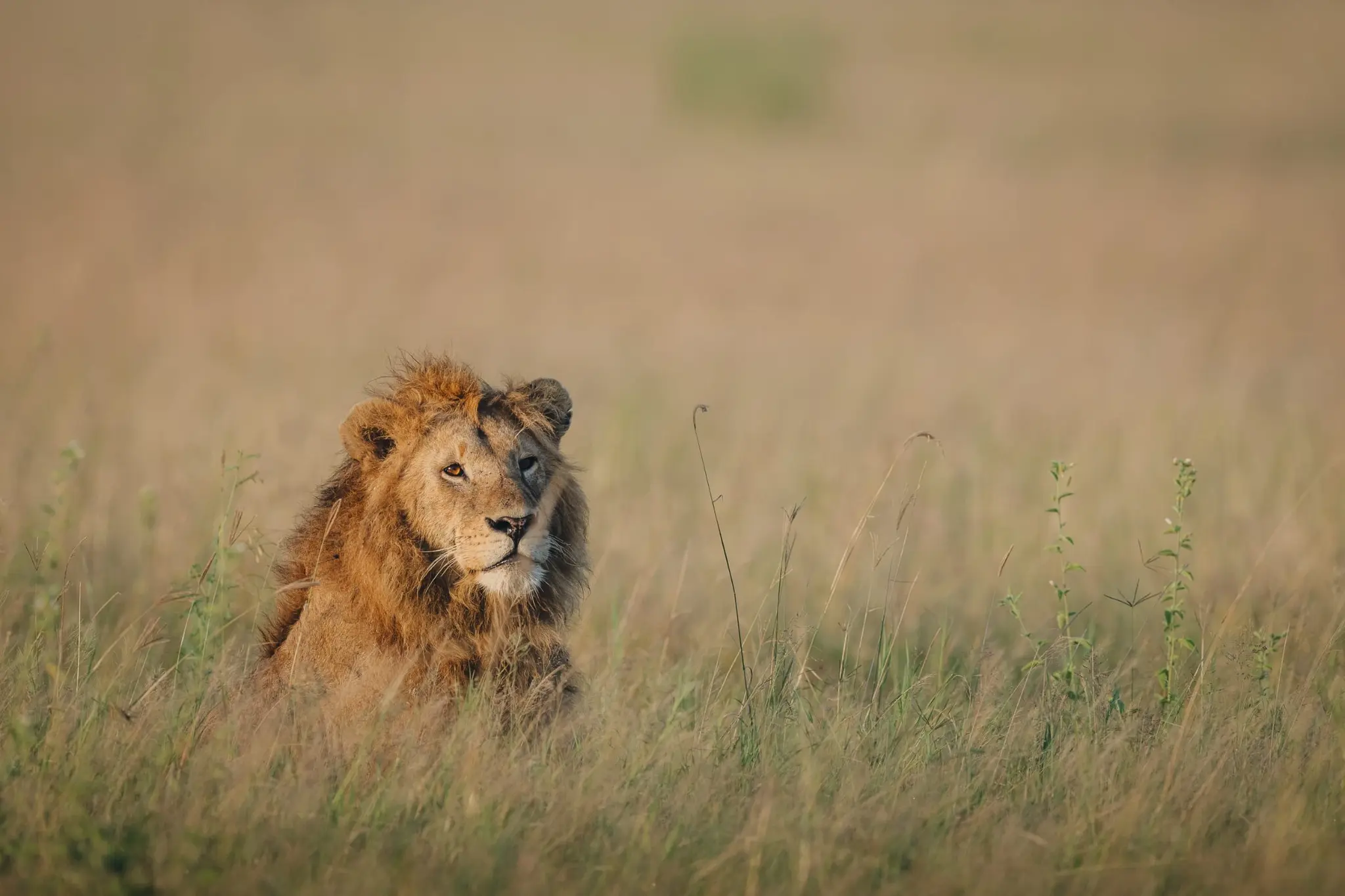
Ways to experience East Africa
Types of safari in East Africa, and how to choose between them
Begin with what moves you.
Sail Safaris DMC, the private East Africa safari specialists, builds a private safari from three choices: where you sleep, how you move and what you do. You can sleep in a lodge, tented camp, private mobile camp or fly camp, move by road or by light aircraft, and spend your days on gorillas, migration, walking, water or photography.
Last reviewed 11 October 2026. Written by Sail Safaris DMC Editorial Team. Expert review by Nulu Kamuntu, Founder and Lead Safari Specialist.
What types of safari are there in East Africa?
The way you spend a safari day depends on three choices: where you stay, how you travel and what you would like to do.
Where you sleep: a permanent lodge, a permanent tented camp, a private mobile camp or a fly camp.
How you move: by road in a private vehicle, by light aircraft, or a mix of both.
What you do: the eleven experiences further down this page, from gorilla trekking to family safaris.
None of these is better than another. The right mix depends on comfort, mobility, atmosphere and why you are in that place.
What are the types of safari by where you sleep?
Choose the location first, then compare guiding, vehicle policy, camp size, room access, power, meals and included activities.
| Type | What it is | What to ask |
|---|---|---|
| Lodge | A permanent building. It may give greater thermal control, step-free routes and more facilities. | Room access, power, cooling and the distance to common areas. |
| Permanent tented camp | Canvas walls on a fixed site. Canvas brings sound and closeness to the landscape. | Open or sealed rooms, power, and the distance to the main area. |
| Private mobile camp | A full tented camp with proper beds, en-suite bathrooms, a mess tent and a kitchen, built to be struck and rebuilt. | Bathroom set-up, power, meals and guiding. |
| Fly camp | A light camp carried to a spot on foot and used for a night, usually as part of a walking safari. Available with Elewana, Auberge and Legendary properties. | Whether you want it, and what the property can arrange for your dates. |
None is inherently more authentic. The right format depends on comfort, mobility, atmosphere and why you are in that place.
Camping or lodge safari: which is better?
Neither is better. Here, camping means a private mobile camp with proper beds, staff and a mess tent, planned for your party. It is not budget, overland or self-drive camping, and we do not offer those.
A lodge may suit you if the room is half the holiday, with more facilities and step-free routes. A canvas camp may suit you if you want sound and closeness to the landscape. A mobile camp is a different kind of stay, not a lesser one.
What is a fly-in safari?
A fly-in safari uses light aircraft to move between camps and bush airstrips, so that a long road day becomes a shorter movement. Flying protects time, driving reveals continuity, and the right answer is often a combination.
Luggage limits, weather, shared stops and schedule changes are normal on small aircraft. We explain them before booking and specify the allowance in your final documents.
What is fly camping in East Africa?
Fly camping is a light camp carried to a spot on foot and used for a night, usually as part of a walking safari. It is available with Elewana, Auberge and Legendary properties.
Tell us if it interests you and we will say what the property can arrange for your dates.
Experience collection
What are the types of safari by what you do?
Each guide explains what the experience really asks of route, season and traveller, then links directly into the right destinations and stays.
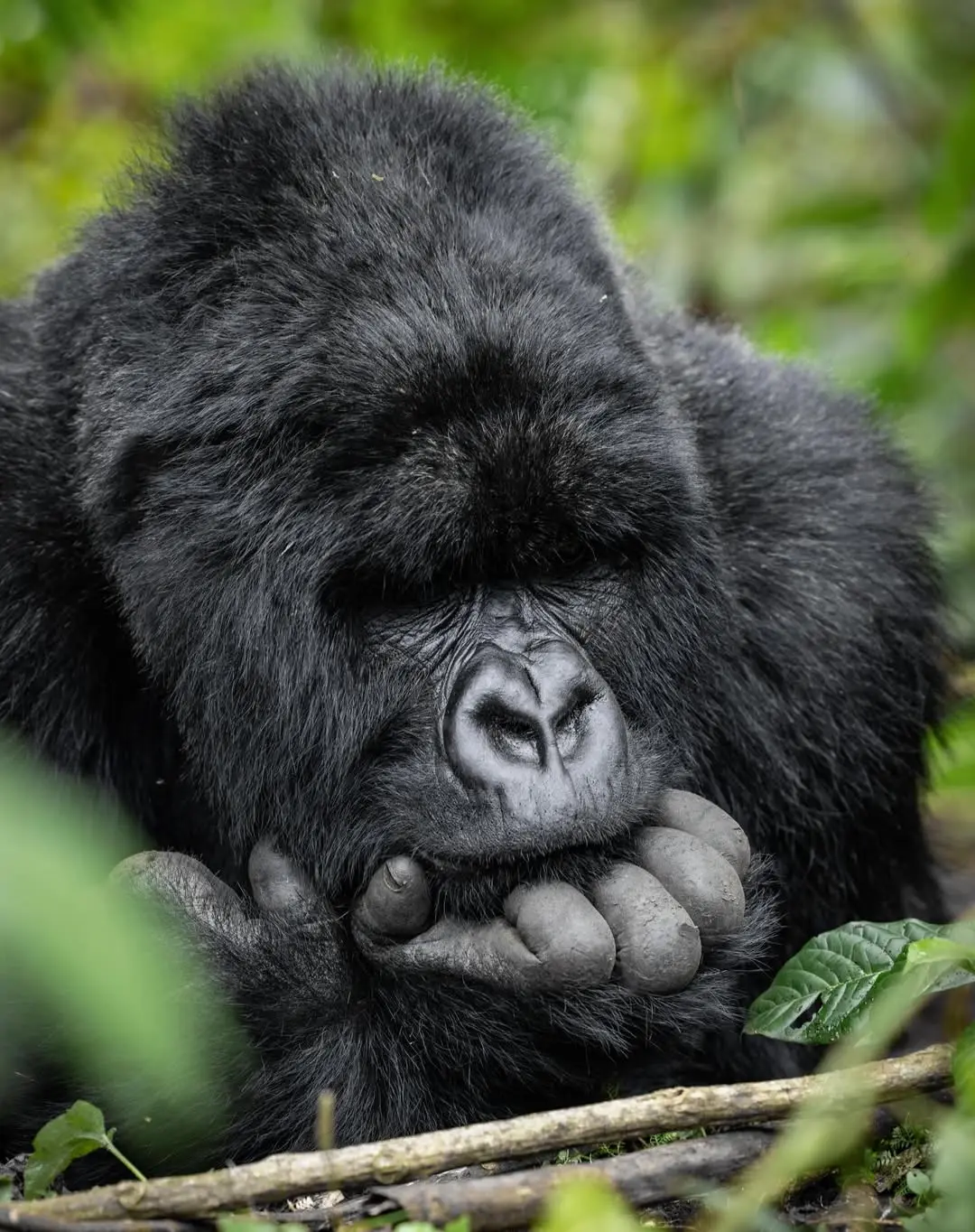
Into the mountain forests
Gorilla trekking
You may have been thinking about gorillas for years, yet be unsure what the trek asks of you. Start with the country, sector, fitness and permit, then leave time for the forest around that morning.
Explore the experience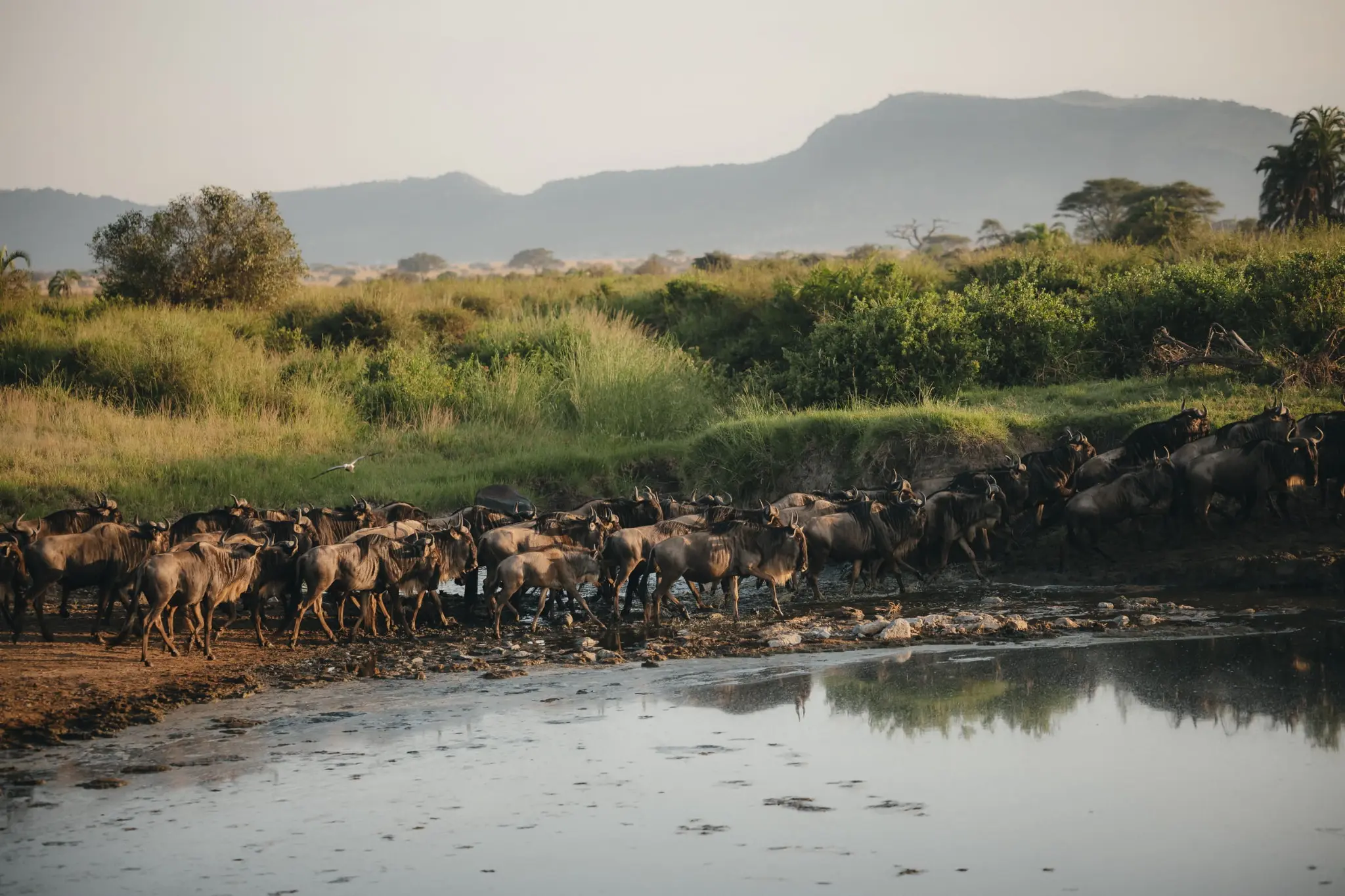
Read the ecosystem
Great Migration safaris
If you are happy to watch and wait, there is more to the migration than a river crossing. Follow the Serengeti-Mara system through its seasons, with camp position chosen for likely movement rather than a promised event.
Explore the experience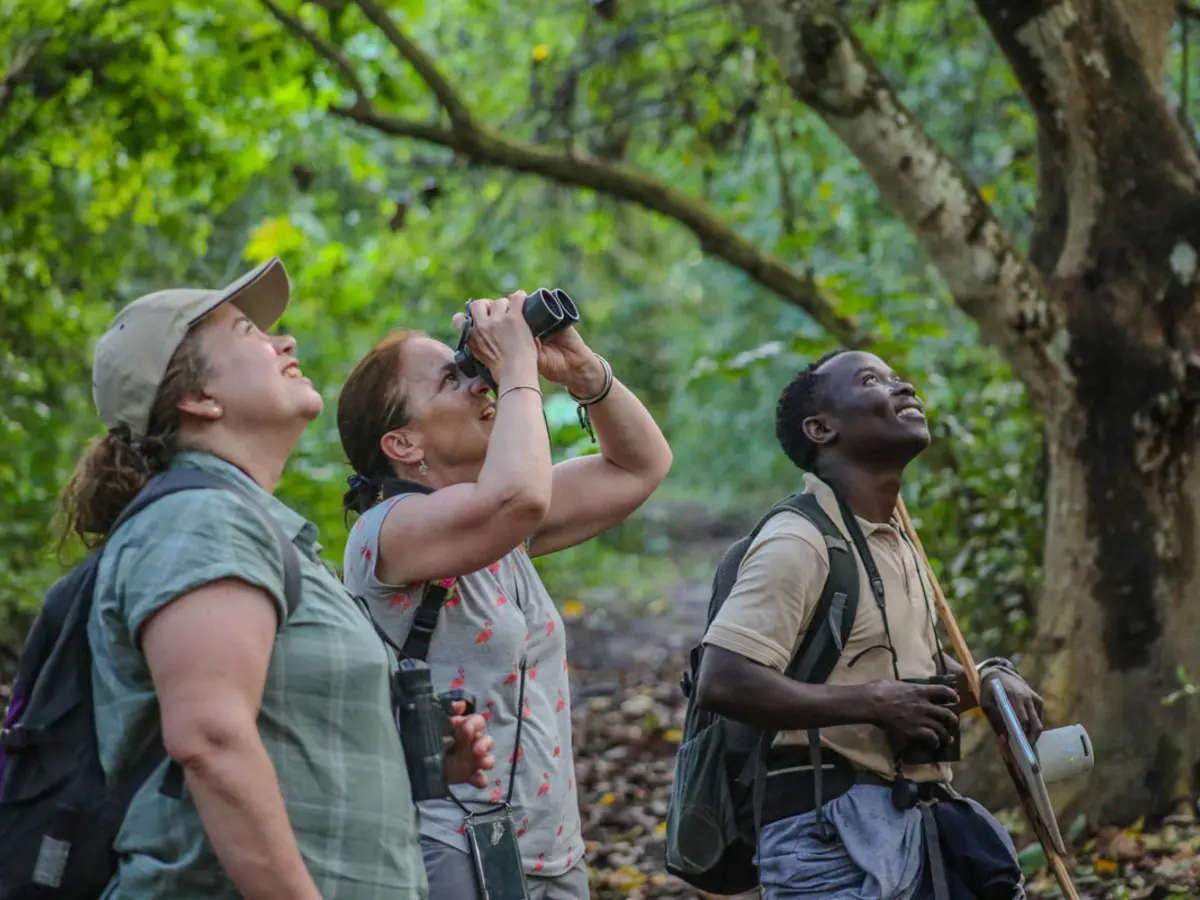
The living forest
Chimpanzee trekking
A call overhead, a pause while your guide listens, then movement through the trees. If primate behaviour interests you, compare the forest, trekking demands and time available before choosing a chimpanzee experience.
Explore the experience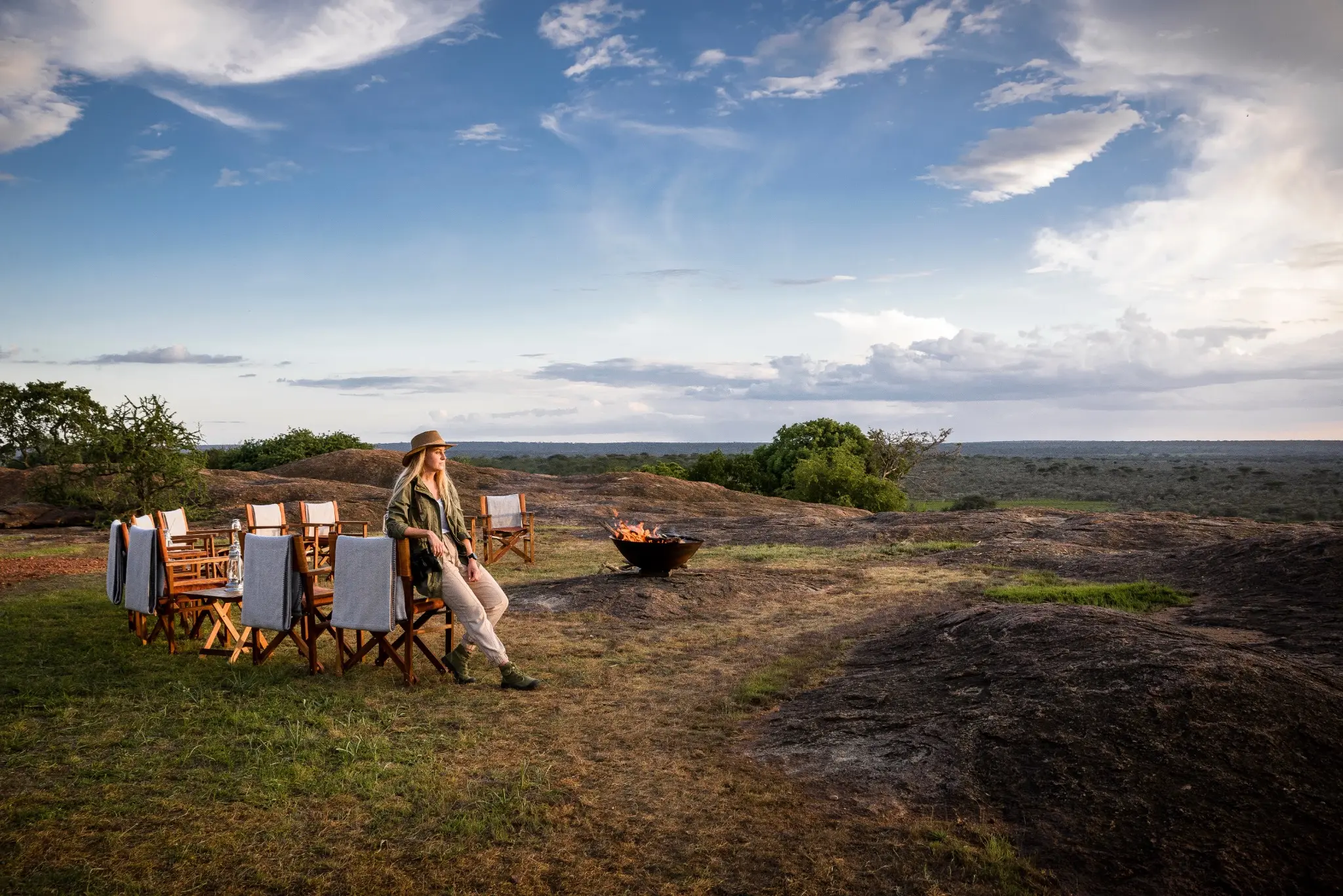
Space changes the safari
Private conservancy safaris
You would like more say in the day’s pace, perhaps time on foot or a longer pause at a sighting. Compare each conservancy’s activity rules, vehicle arrangements and camp location before deciding what suits you.
Explore the experience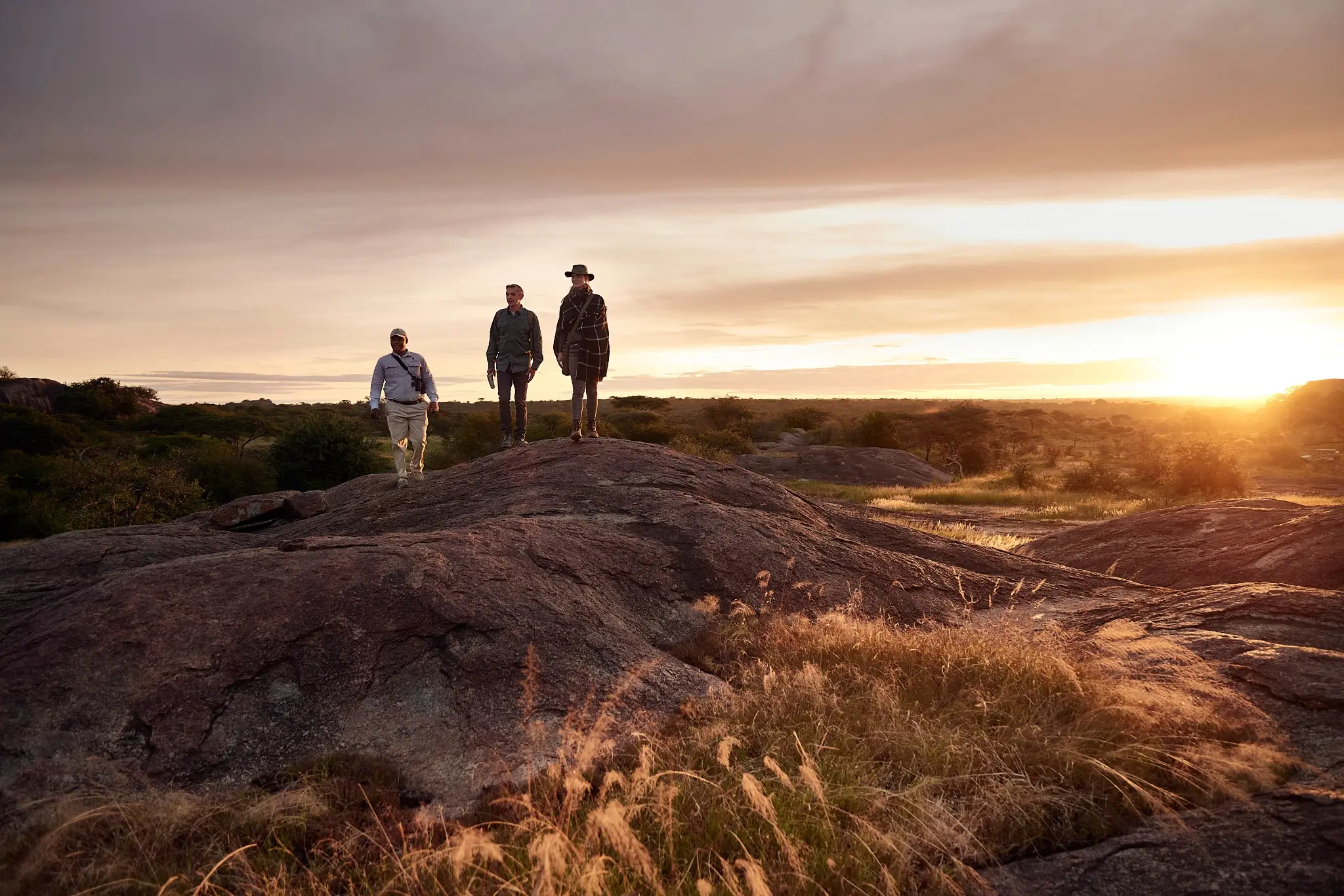
The wild at human pace
Walking safaris
A track, a plant or an alarm call can become the reason to stop. Walking with a qualified guide offers a closer look at these details, with routes and activity requirements matched to your fitness and interests.
Explore the experience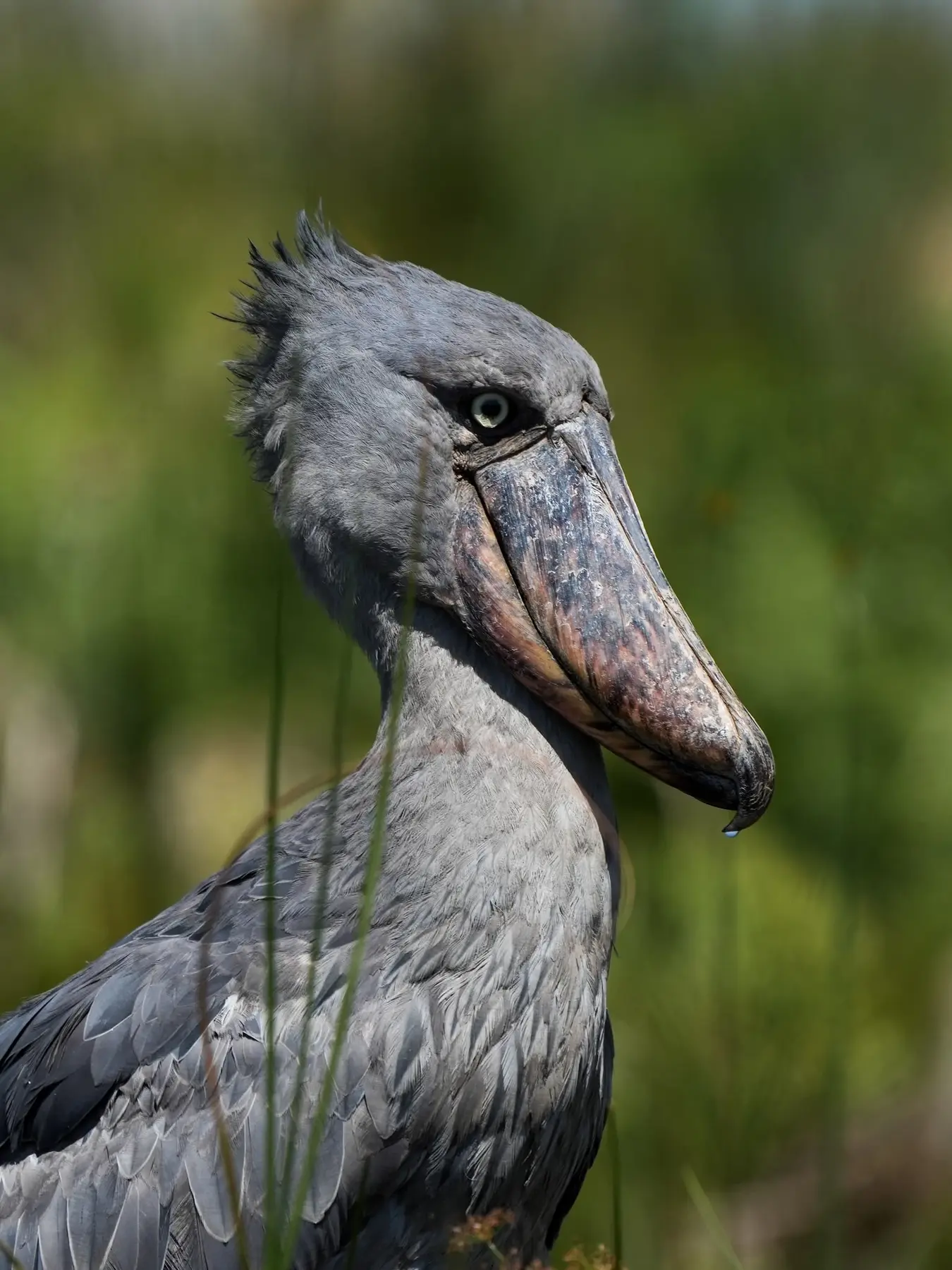
Wildlife from the waterline
Boat & water safaris
Watch the bank from the water rather than the road. The Nile, Kazinga Channel, Rufiji and Lake Kivu each offer a different setting; the route, conditions and operator determine the boat experience available.
Explore the experience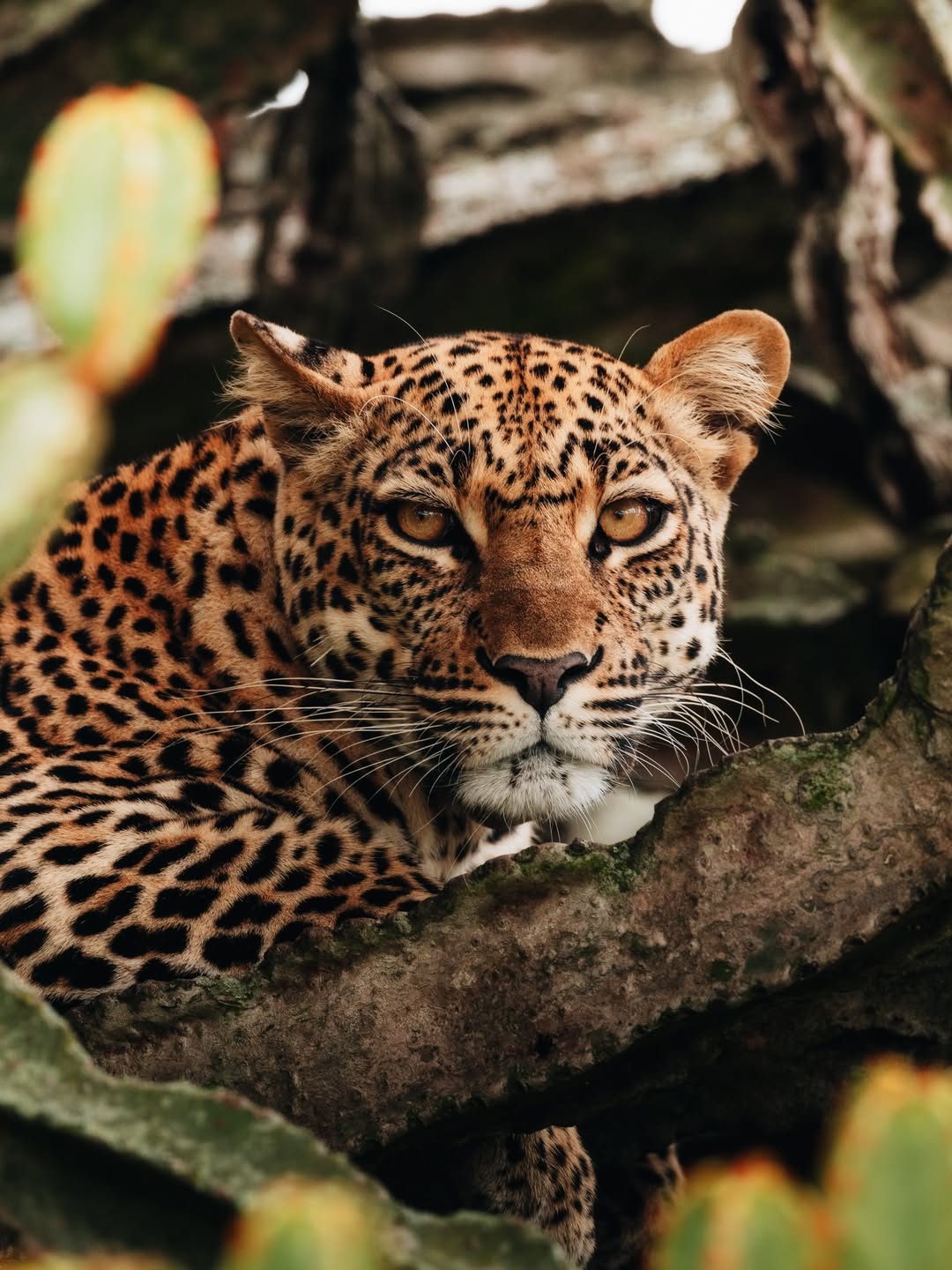
Designed around the frame
Photographic safaris
You know when you would rather wait for the light than move on. Guiding, vehicle space, positioning and time in one habitat are planned around that patience, whether you are learning or already know your equipment well.
Explore the experience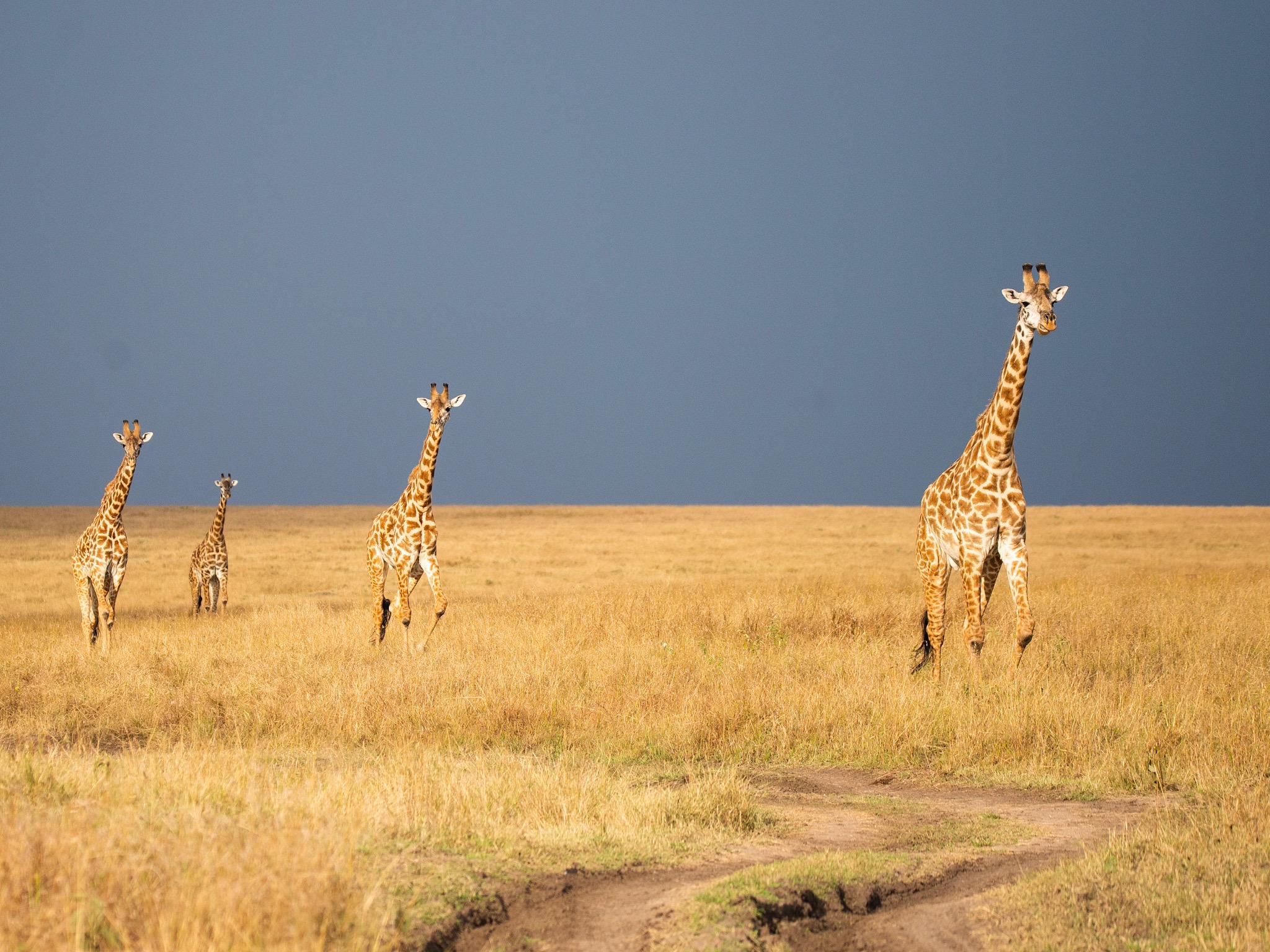
Wonder across generations
Family safaris
One child may stop for every bird while another wants to know how the vehicle works. Adults have their own interests too. Begin with your family’s ages, energy, room needs and time together, then choose the route.
Explore the experience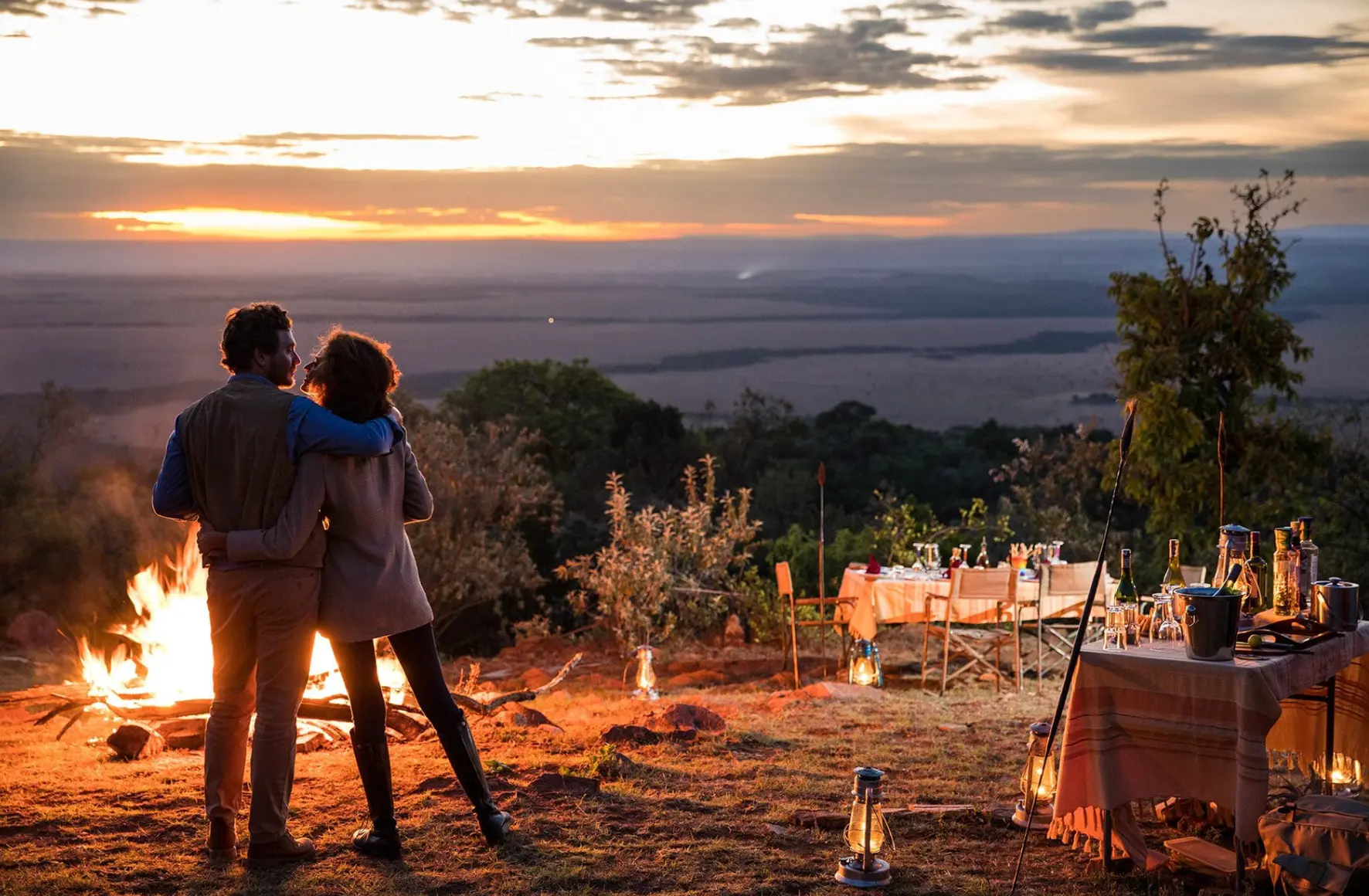
A private beginning
Honeymoon safaris
Romance created through space, timing and personal attention, not a generic package of petals placed on an overfilled itinerary.
Explore the experience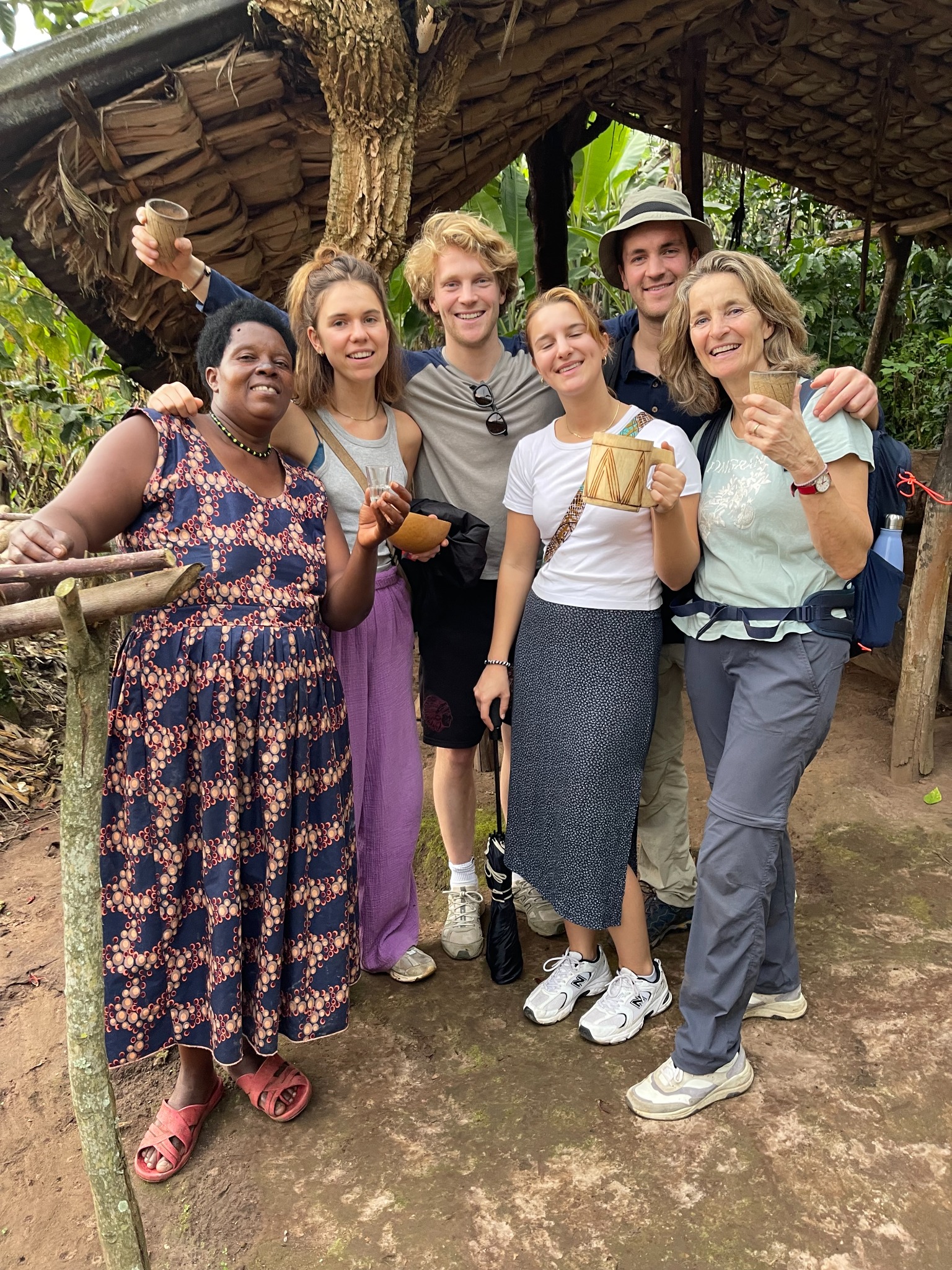
Meet place through people
Community & cultural journeys
A conversation has room to develop when the host helps shape the visit. Come with questions and a willingness to listen, with permission, context and time agreed around the people welcoming you.
Explore the experience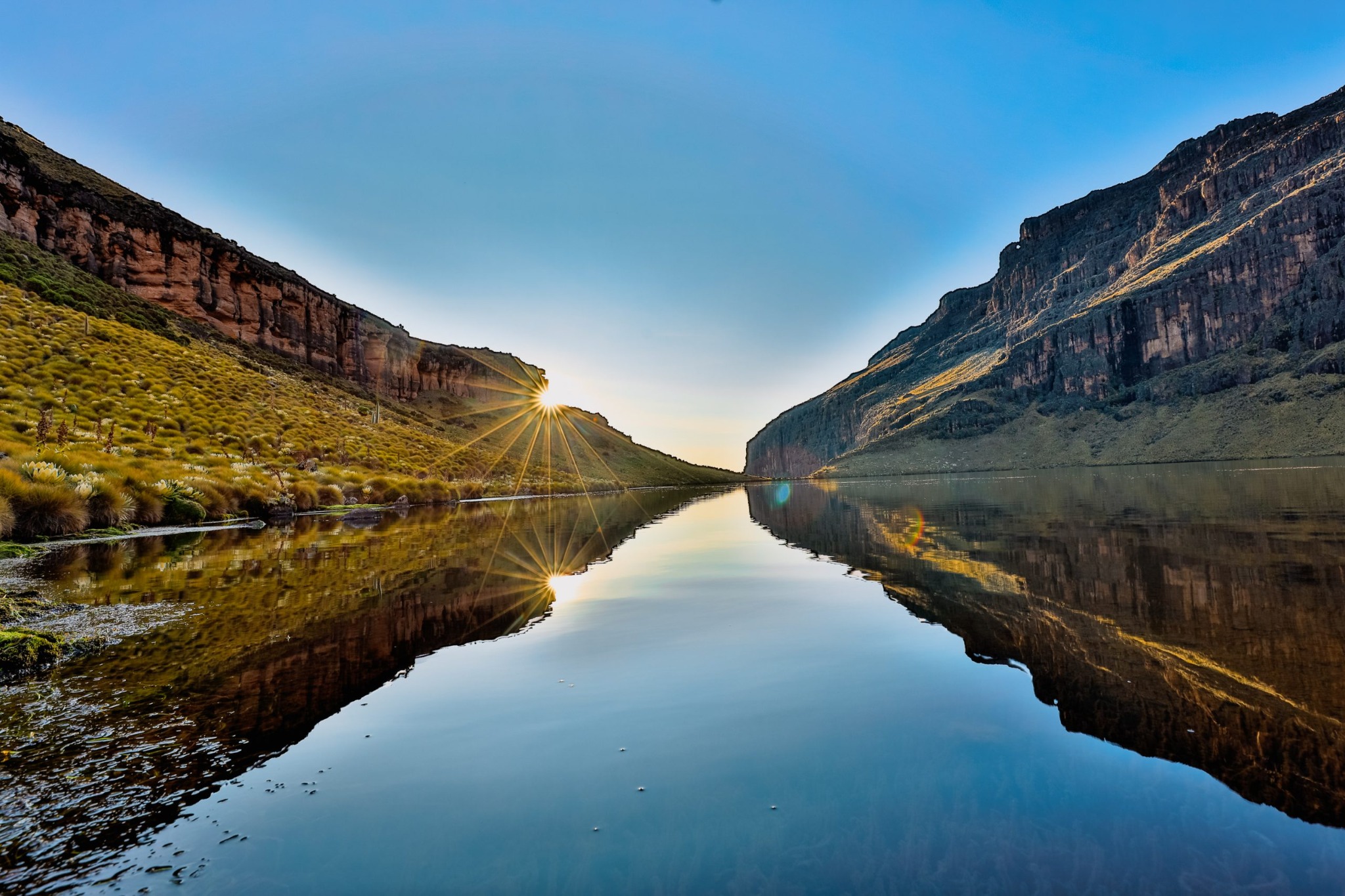
Distance, gracefully handled
Fly-in safaris
If a long drive would take time from the place you came to see, a flight may help. Compare the hours saved with luggage limits, airstrip access and your comfort in small aircraft before choosing how to travel.
Explore the experienceAre you a travel advisor explaining safari types to a client?
This page is written to be forwarded. Send us the dates, ages, pace and rooming, and we shape the mix of camps, flights and experiences around them. The advisor remains the client's lead, and we agree the working model before proposal work begins.
Questions about types of safari
What types of safari are there in East Africa?
There are three choices to make: where you sleep, how you move and what you do. You can sleep in a lodge, tented camp, private mobile camp or fly camp, move by road or by light aircraft, and choose from eleven experiences, from gorilla trekking to family safaris. We help you combine them.
Camping or lodge safari: which is better?
Neither is better; the right format depends on comfort, mobility, atmosphere and why you are in that place. A lodge may offer more facilities and step-free routes. A private mobile camp is a full tented camp with proper beds and bathrooms. We do not offer budget, overland or self-drive camping.
What is a fly-in safari?
A fly-in safari uses light aircraft between camps and bush airstrips, so a long road day becomes a shorter movement. Luggage limits, weather, shared stops and schedule changes are normal, so we explain them before booking and state the allowance in your documents. Many routes combine flights with road sectors.
What is fly camping?
Fly camping is a light camp carried to a spot on foot and used for a night, usually as part of a walking safari. It is available with Elewana, Auberge and Legendary properties. Tell us if you want it and we will say what the property can arrange for your dates.
Is a fly-in safari better than driving?
It depends. Fly when distance would consume a valuable day. Drive when the route is scenic or a private vehicle gives useful continuity. Many strong routes combine strategic flights with selected private road sectors, and we recommend the mix that serves your journey.
Which mix suits your dates?
Ask Sail Safaris DMC which mix suits your dates.
Email: safaris@sailadventuresafarisdmc.com. WhatsApp: +255 796 309 258. WhatsApp (UK alternative): +44 7984 388745. Offices: 332 Unity Mall, Katabi, Entebbe, and 142 Sokoine Road, Arusha.
Enquire with Sail Safaris DMCRaw, Untamed, Authentic. This is your Africa.