
The short answer
What to know first.
Choose the wildlife area and seasonal position first, then compare guiding, vehicle policy, camp size, room access, power, meals, family configuration and included activities. The right property is the one that serves the route and traveller, not the one with the longest amenity list.
At a glance
The planning brief.
Choose location first
A beautiful room cannot recover hours lost reaching the wildlife area each day.
Ask about guiding
Guide allocation, vehicle capacity and activity access may matter more than room size.
Check the lived details
Stairs, canvas walls, power, cooling, Wi-Fi, insects and distance to common areas.
Sail verifies
Operating season, room configuration, access, inclusions and suitability for each guest.
01
Location comes before style
Two camps with the same destination name may sit hours apart. One may be close to a seasonal wildlife focus; another may have better year-round habitat or more private access. Airstrip transfer time and park-gate location shape every day.
Read the property against specific dates and intended activities, not its reputation in the abstract.
02
Understand the operating model
Ask whether drives are private or shared, how many guests sit in a vehicle, whether full-day drives are possible, and which activities attract supplements. A camp with excellent guiding but rigid scheduling may not suit a photographer or family.
Small does not always mean private. Exclusive-use houses may include a dedicated guide and vehicle, but terms vary.
03
Canvas, lodge, villa or mobile camp
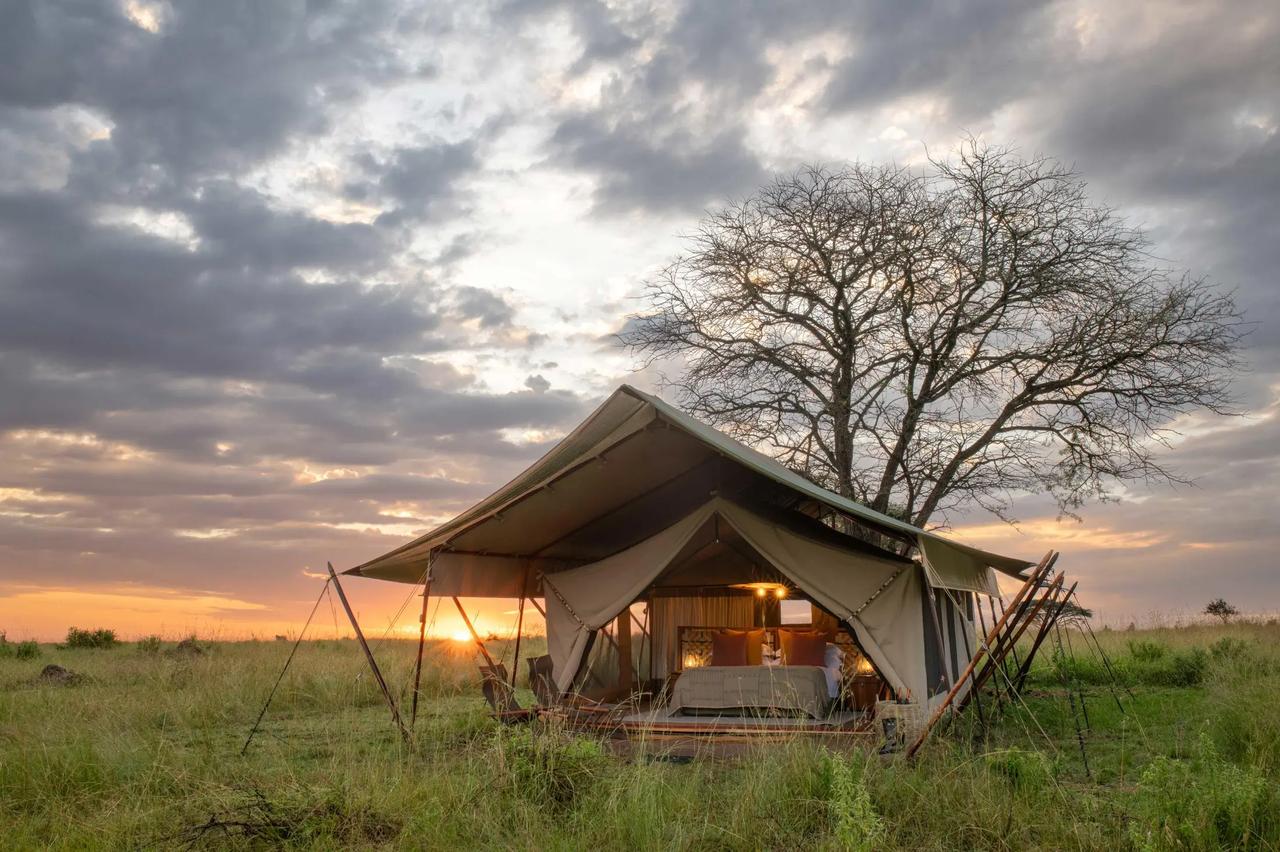
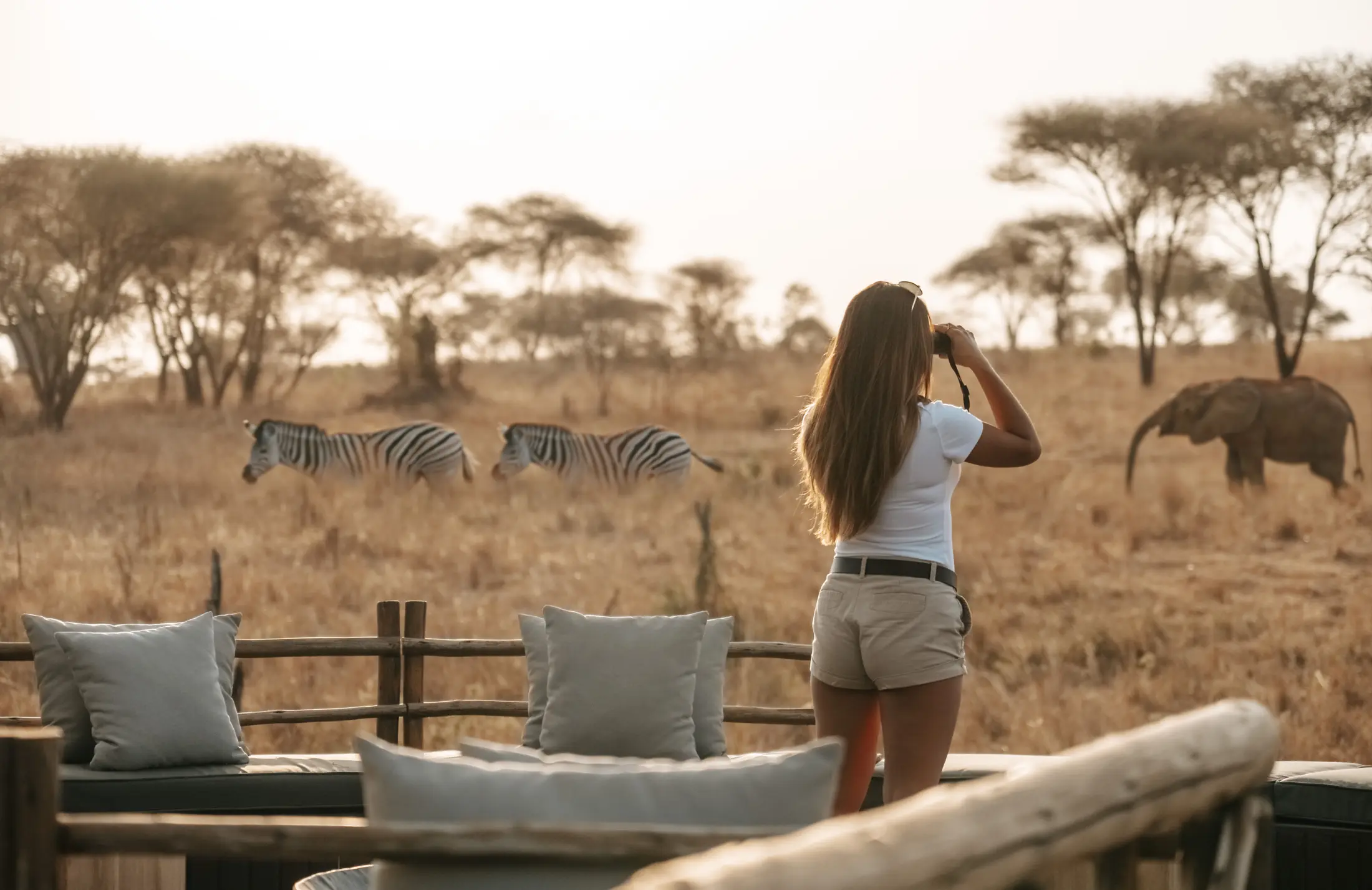
Canvas brings sound and proximity to the landscape; a permanent lodge may provide greater thermal control, step-free routes or more facilities. A mobile camp can prioritise seasonal position. A private house can give families or friends their own rhythm.
None is inherently more authentic. The right format depends on comfort, mobility, atmosphere and why you are in that place.
04
The details that affect sleep and ease
Clarify open or sealed rooms, fans or air conditioning, distance to the main area, night escorts, charging, hot water, bathroom privacy, laundry and connectivity. For families, ask about room adjacency, minimum ages, pool supervision and private dining.
Dietary requirements should be shared accurately and early. Remote kitchens can be remarkably capable, but supply chains need notice.
05
Compare the complete rate
Park and conservancy fees, drinks, laundry, transfers, vehicle use, specialist activities and airstrip access may be included differently. Compare the complete stay and the time it protects, not only the nightly figure.
Questions travellers ask
Useful answers, before you decide.
Are tented camps safe?
Well-operated camps use trained teams, night escorts and clear instructions. Guests must follow guidance, especially after dark, because wildlife can move through unfenced areas.
Will a safari camp have Wi-Fi?
Many do, often strongest in common areas, but reliability varies. Tell Sail if connectivity is operationally essential rather than merely preferred.
Is air conditioning necessary?
It depends on altitude, season, room construction and personal comfort. Some very comfortable camps rely on natural ventilation.
How do I assess responsibility?
Look beyond one claim: land tenure, local employment, conservation funding, water and waste systems, community consent and transparent practice all matter.