
The short answer
What to know first.
Choose Kenya for varied wildlife areas, strong conservancy experiences and easy safari combinations; Tanzania for scale, the Serengeti system and an elegant northern circuit; Uganda for primates plus richly varied landscapes; Rwanda for a compact, polished gorilla-led route. Combine countries only when the second adds a distinct chapter.
Ask Sail to plan around this answerSee the journeys priced for it
At a glance
The planning brief.
Kenya
Varied ecosystems, conservancy stays and flexible family or first-safari combinations.
Tanzania
Serengeti scale, the northern circuit and strong seasonal migration positioning.
Uganda and Rwanda
Primate-led journeys with very different access, route breadth and lodge landscapes.
Decision test
Choose the country that adds the right chapter within your actual nights and budget.
01
Kenya: variety and flexible safari styles
Kenya can combine the Maasai Mara with Laikipia, Samburu, Amboseli or the coast. Private conservancies expand the activity palette beyond conventional day drives, while Nairobi's air network makes fly-in combinations practical.
It suits first-time safari travellers, families and repeat guests alike, but area selection matters. A Mara-only itinerary is not the same as a wider Kenyan journey, and reserve versus conservancy positioning changes the daily experience.
02
Tanzania: scale and the Serengeti system
Tanzania's northern circuit can connect Tarangire, Ngorongoro and the Serengeti with strong ecological contrast. Distances are real, yet the route can be coherent by road, air or a considered combination.
For migration-focused travel, location should follow likely seasonal movement without pretending wildlife obeys a calendar. Southern and western Tanzania offer remoteness, walking and lake excursions in selected areas, and fewer familiar names.
03
Uganda: primates within a broader journey
Uganda is often reduced to gorillas, but its strength is range: Bwindi's forests, Kibale's chimpanzees, savannah parks, the Nile and exceptional birding. It rewards travellers who enjoy seeing landscape change between chapters.
Road journeys can be long, so the route needs disciplined sequencing. Domestic flights can protect time, while selected overland sections reveal the country rather than merely connect it.
04
Rwanda: compact and deliberate
Rwanda makes a gorilla chapter logistically compact from Kigali and can extend into Akagera or Nyungwe. It works especially well when time is limited, high-touch lodging matters, or Rwanda is paired with a neighbouring savannah experience.
Compact does not mean every day should be filled. Gorilla trekking is physically and emotionally significant; a quiet afternoon and a second night can be more valuable than another transfer.
05
How to choose
If broad classic game viewing leads, begin with Kenya or Tanzania. If primates lead, begin with Uganda or Rwanda and decide whether a savannah chapter belongs in the same country or across a border. Then test the idea against flights, road time, season, permits, room configuration and budget.
Questions travellers ask
Useful answers, before you decide.
Which country is best for a first safari?
Kenya and Tanzania are natural first choices for classic savannah wildlife. Uganda or Rwanda may be the better beginning when gorillas are the defining reason for travel.
Can I combine gorillas with the Mara or Serengeti?
Yes. Regional flights can make this elegant, but the exact route depends on operating days, immigration formalities and the selected forest and camp.
Which country is best for families?
All four can work. Kenya often offers a broad range of family-oriented conservancy stays; the decisive issues are children's ages, rooms, activities and drive tolerance.
Signature Journeys for this answer
One journey for each answer.
The four outcomes of the decision above, each as a priced journey with its camps named.
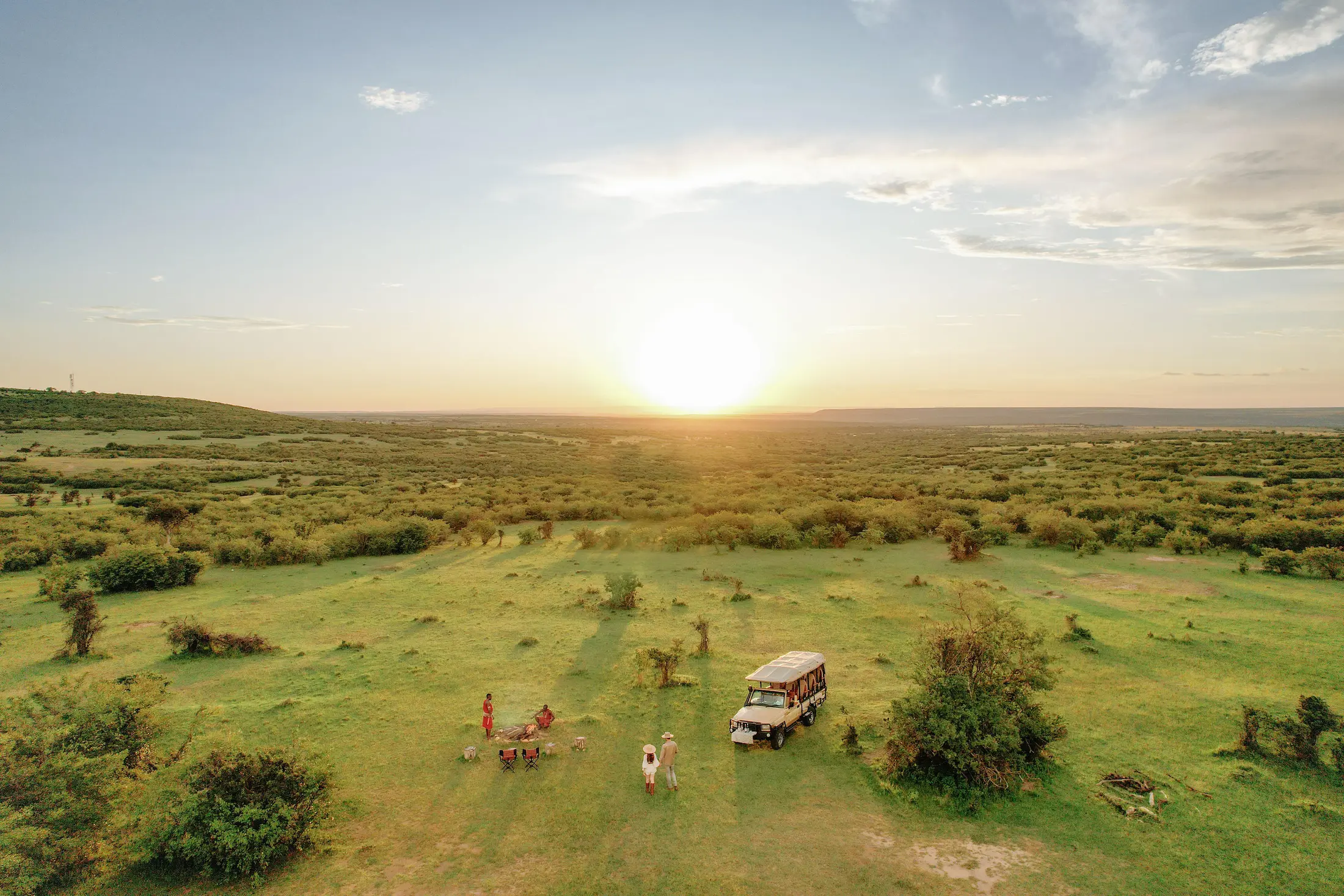
Kenya: a private conservancy for the first safari?
The Conservancy Answer
From US$7,515 per person, low season
Distinguished Camps and Lodges, city nights aside: Kicheche Valley Naboisho
Read the journey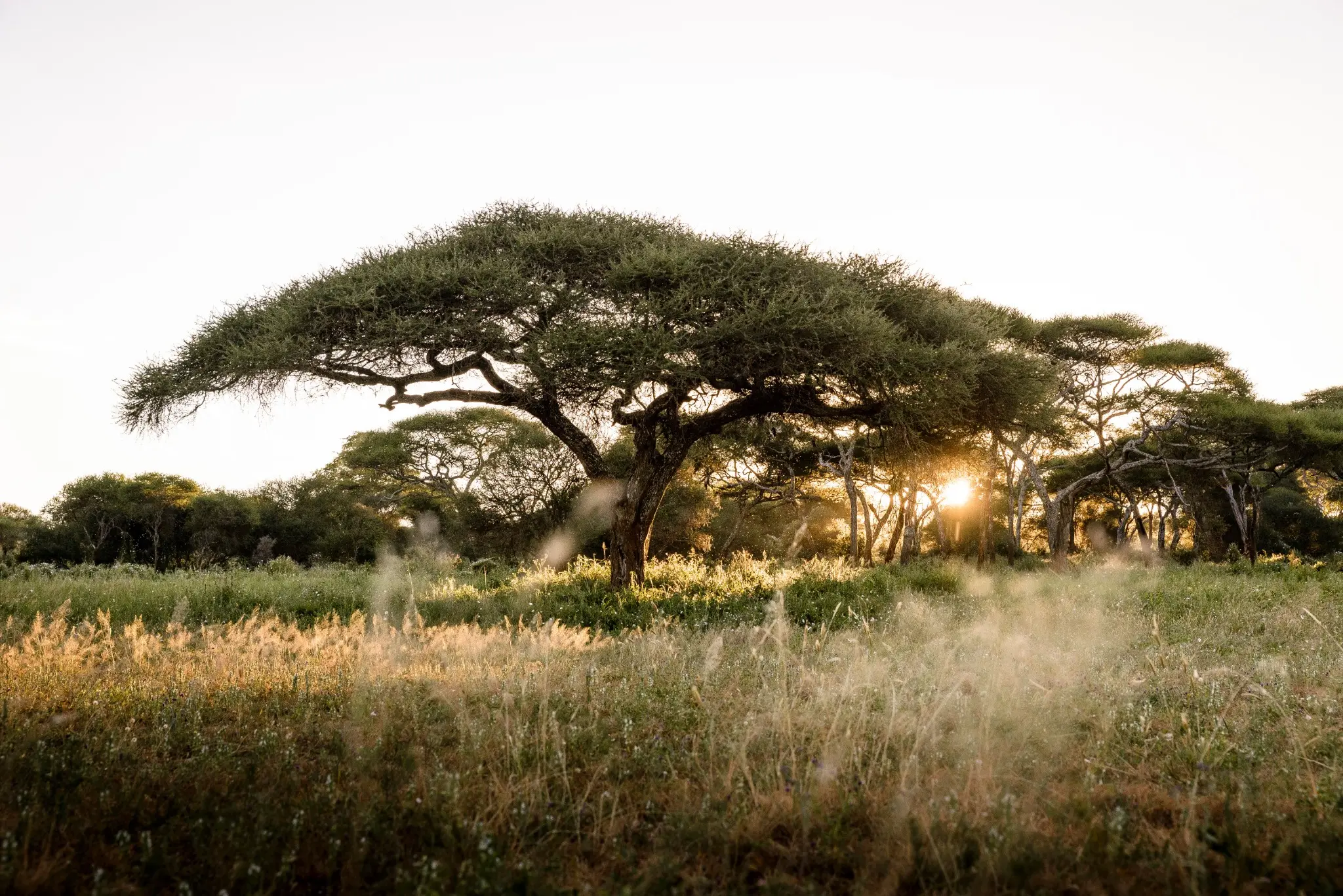
Tanzania: the northern circuit, slowed down?
The Classic, Unhurried
From US$10,410 per person, low season
Distinguished Camps and Lodges, city nights aside: Siringit Tarangire, Lemala Ngorongoro Tented Camp, Dunia Camp (Asilia), Lemala Mara
Read the journey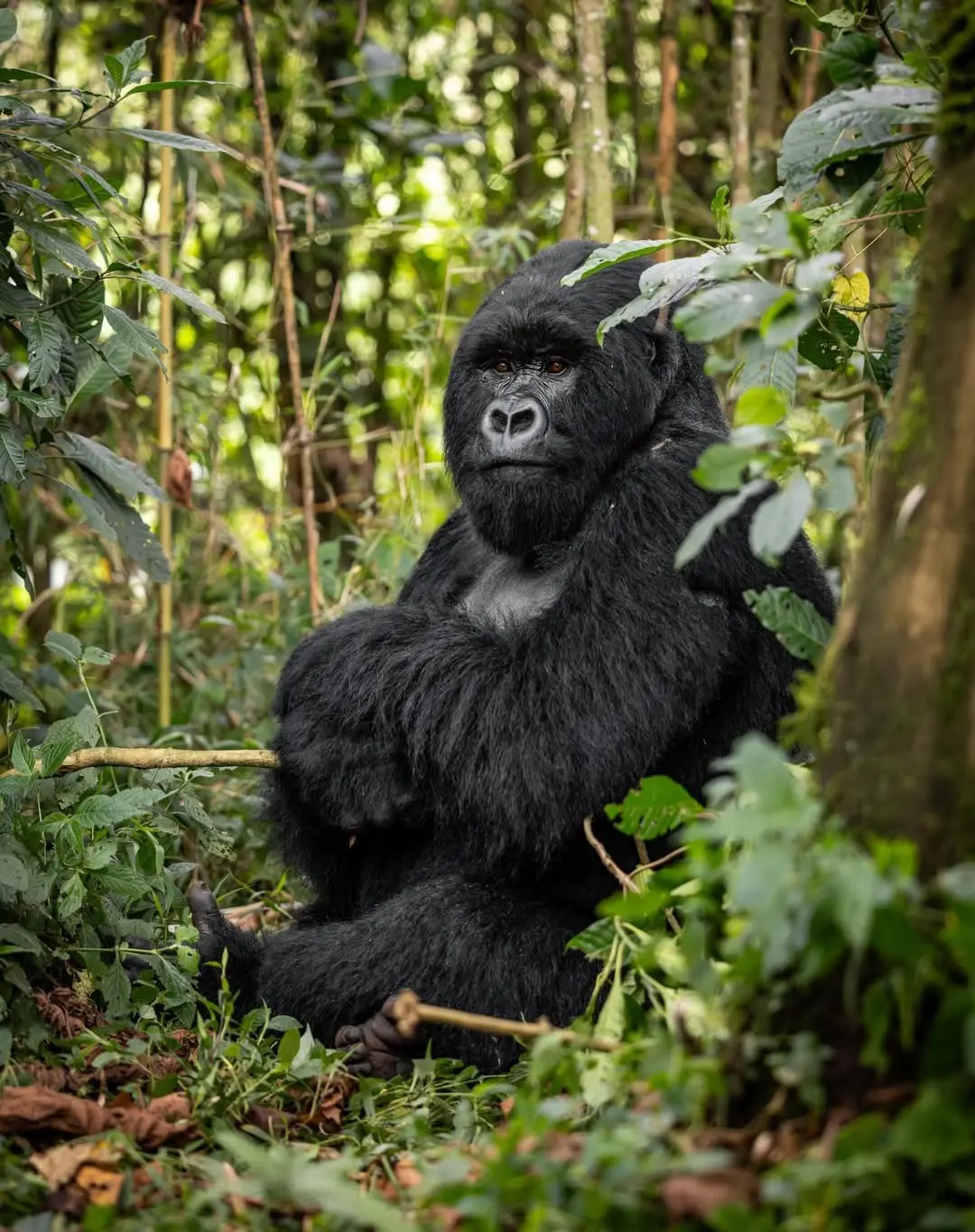
Uganda: primates inside a wider journey?
The Forest, Unhurried
From US$8,095 per person, low season
Distinguished Camps and Lodges, city nights aside: Primate Lodge, Elephant Plains Lodge, Mahogany Springs
Read the journey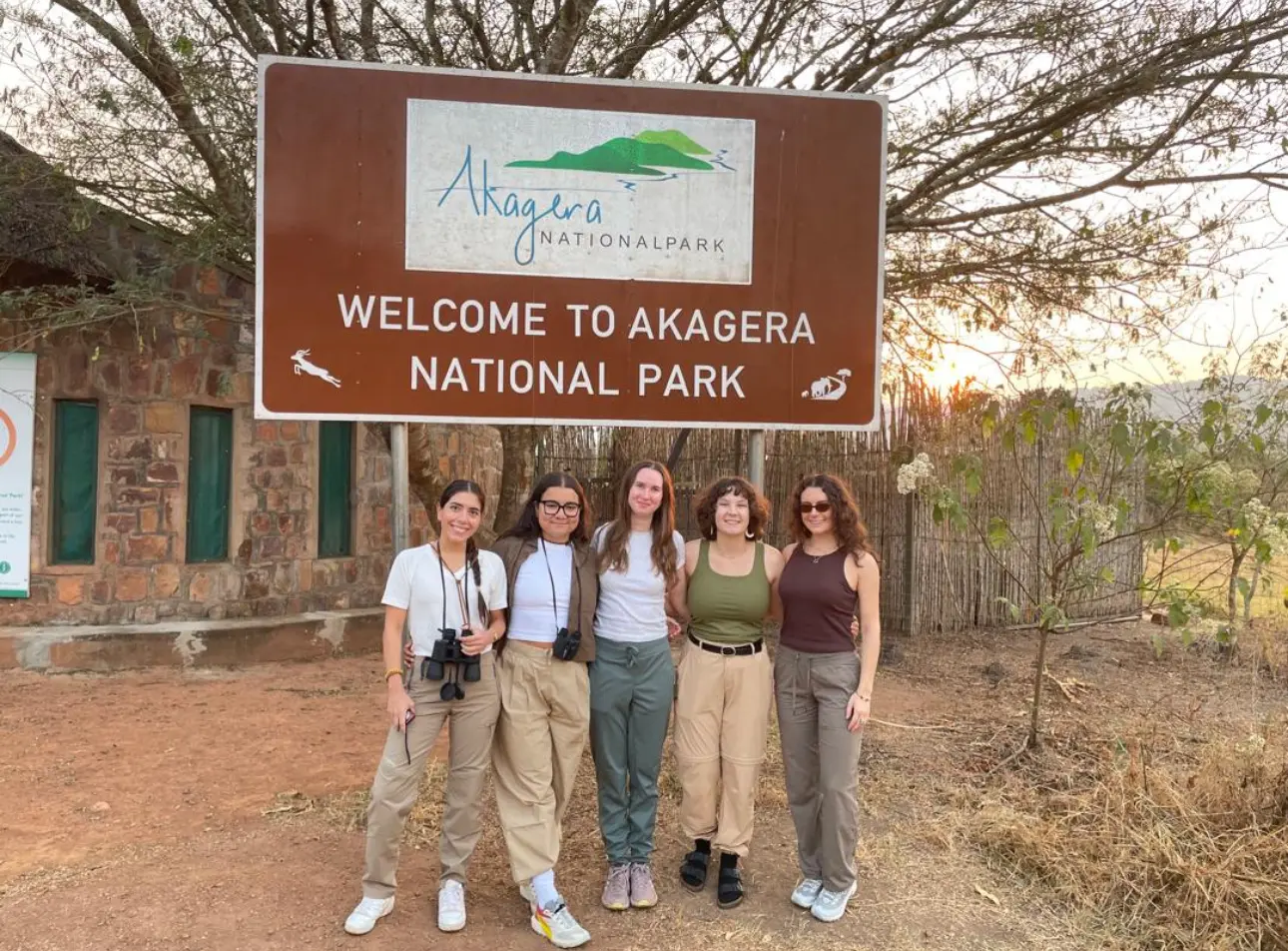
Rwanda: gorillas with a savannah chapter?
Savannah to Bamboo
From US$6,710 per person, low season
Distinguished Camps and Lodges, city nights aside: Ruzizi Tented Lodge, Five Volcanoes Boutique Hotel
Read the journey2027 from prices on the Distinguished Camps and Lodges expression, two adults sharing, per person, low season, confirmed at quotation. The high-season figure is on each journey page.
Discuss which country fits your dates