
The short answer
What to know first.
Drier months often make wildlife easier to locate and roads more predictable, while greener periods bring dramatic skies, fresh landscapes, young animals in some ecosystems and often a quieter mood. The best time is the one that matches your priority and exact route, not a region-wide label.
At a glance
The planning brief.
Dry periods
Often easier wildlife visibility and firmer roads, with higher demand in famous areas.
Green periods
Fresh landscapes, dramatic light, strong birding and quieter conditions in suitable areas.
Migration caveat
Herd movements follow rainfall; river crossings are never scheduled performances.
Sail verifies
Exact camp season, road access, likely wildlife geography and current flight operations.
01
Dry season is useful, not universally superior
As water and grazing contract, animals can become more concentrated around reliable resources. Vegetation may be thinner and some roads more dependable. These conditions also bring greater demand, firmer rates and more vehicles in famous areas.
Dry does not mean rain is impossible. Altitude, local rainfall and ecosystem type create meaningful variation across the region.
02
Green season changes the character
After rain, dust settles, colour returns and skies can become extraordinary. Birding is often strong and many camps feel calmer. Some areas become difficult to access and certain seasonal camps close; others are at their most photogenic.
Value should not be described only as a discount. The real question is whether habitat, access and wildlife pattern suit what you hope to see.
03
Migration timing needs geography
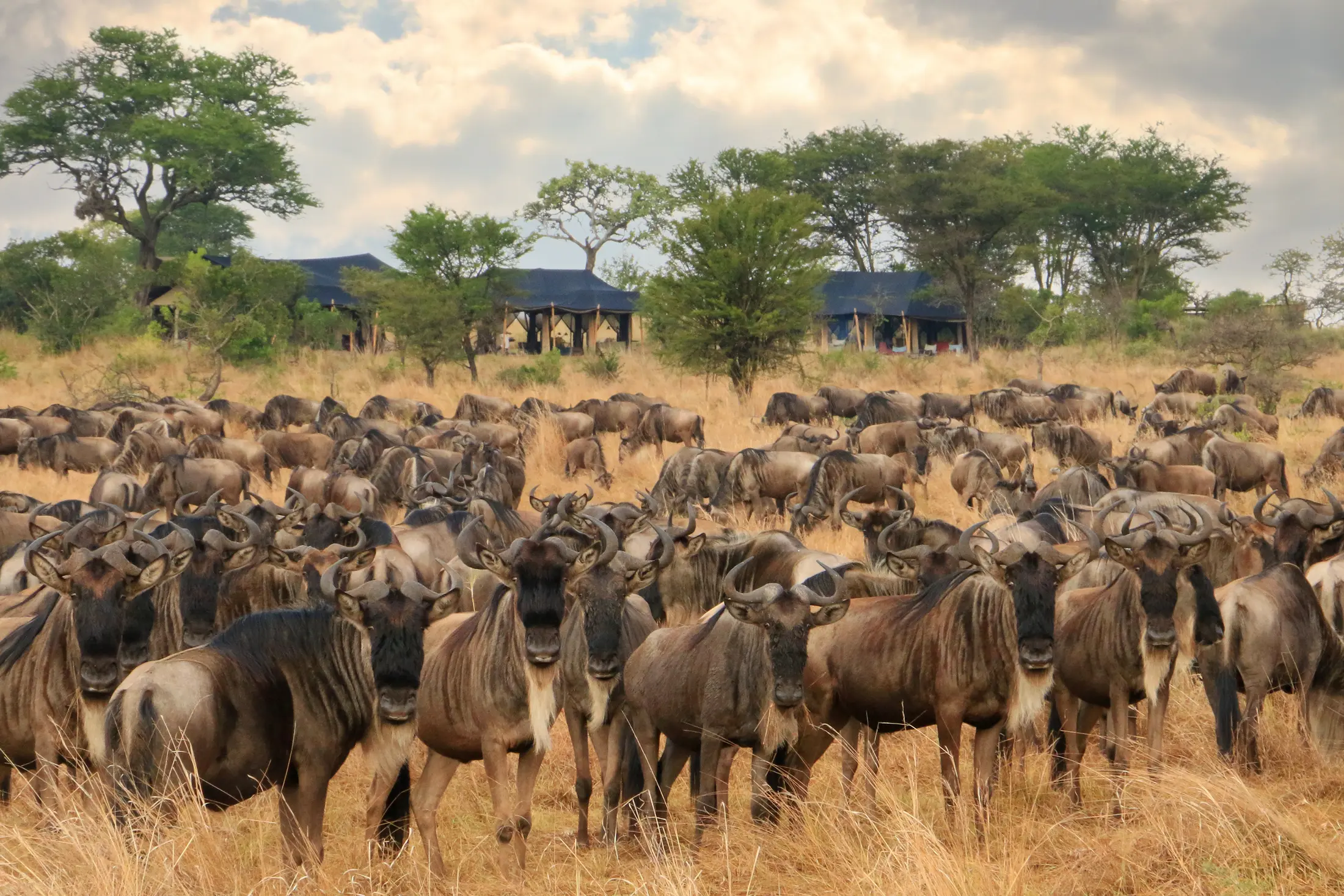
The Great Migration is a continuous cycle across the Serengeti-Mara ecosystem. Calving, long movements and river regions are different experiences. Rainfall influences the herds, and crossings remain unpredictable even when well positioned.
A migration plan needs enough nights and a camp selected for the relevant part of the ecosystem. It should still be satisfying if a headline event does not happen on cue.
04
Forests have their own rhythm
Gorilla and chimpanzee trekking operates through much of the year, subject to permits and park rules. Wetter conditions can make trails muddier and more demanding; drier periods may be more comfortable but are not effortless.
In a rainforest, rain is always possible. Fitness, footwear, porter support and lodge access deserve as much attention as the month.
05
Use a priority hierarchy
Decide whether the first priority is a specific wildlife phenomenon, more private conditions, family holiday dates, photographic light, lower heat or a beach extension. Protect one or two priorities, then design the rest without making promises nature cannot keep.
Questions travellers ask
Useful answers, before you decide.
Will it rain during the dry season?
It can. East African weather varies by altitude and locality, and climate patterns do not respect a simple calendar. Pack for changing conditions.
Is green season suitable for a first safari?
Yes, in the right areas. It suits travellers who value landscapes, birds, atmosphere and a quieter experience, provided road and camp access are planned carefully.
When should I book peak season?
As early as practical, especially for small camps, family units, private vehicles and primate permits. Availability (not a generic deadline) ultimately controls the answer.