
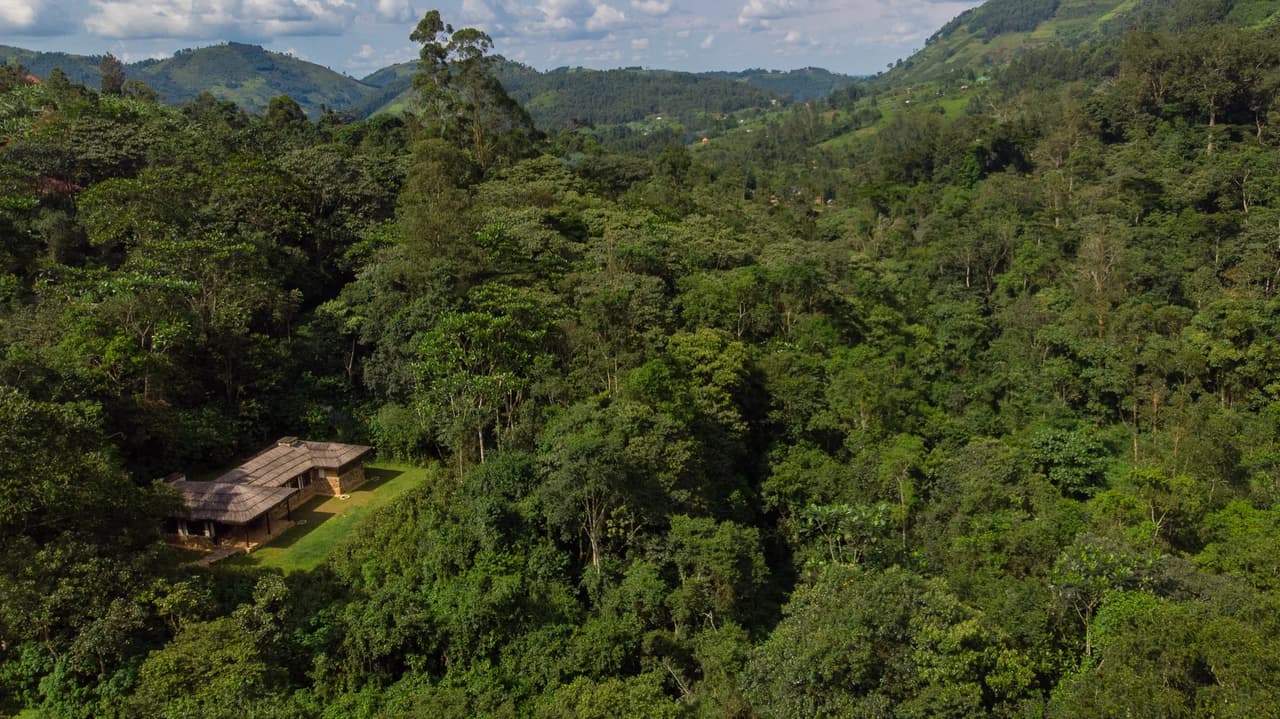
The short answer
What to know first.
The permit locks the sector, so choose Buhoma, Ruhija, Rushaga or Nkuringo as a location decision and then match the lodge to that briefing point. No sector is a reliably easier trek, because terrain follows where the family has moved that morning. Three nights remains Sail's unhurried starting point, and Mgahinga is a separate park, not a fifth Bwindi gate.
At a glance
The planning brief.
Permit first
Availability, date and sector come before lodge reputation. A celebrated stay on the wrong side is a transfer problem.
Four sectors
Buhoma in the north; Ruhija higher and east-facing; Rushaga and Nkuringo in the south. No shared trailheads.
Three nights
Arrive and settle, trek on a complete middle day, and leave without forcing the encounter.
Mgahinga is separate
A Mgahinga permit is not a Bwindi sector. It has its own briefing, allocation and approach.
01
The permit is the location
Bwindi's sectors are separated by substantial terrain and road time. Crossing from south to north is not a short internal transfer before a 07:00 briefing, so Sail confirms the permit sector before recommending a lodge: the reverse of choosing a photograph and hoping the trailhead is nearby.
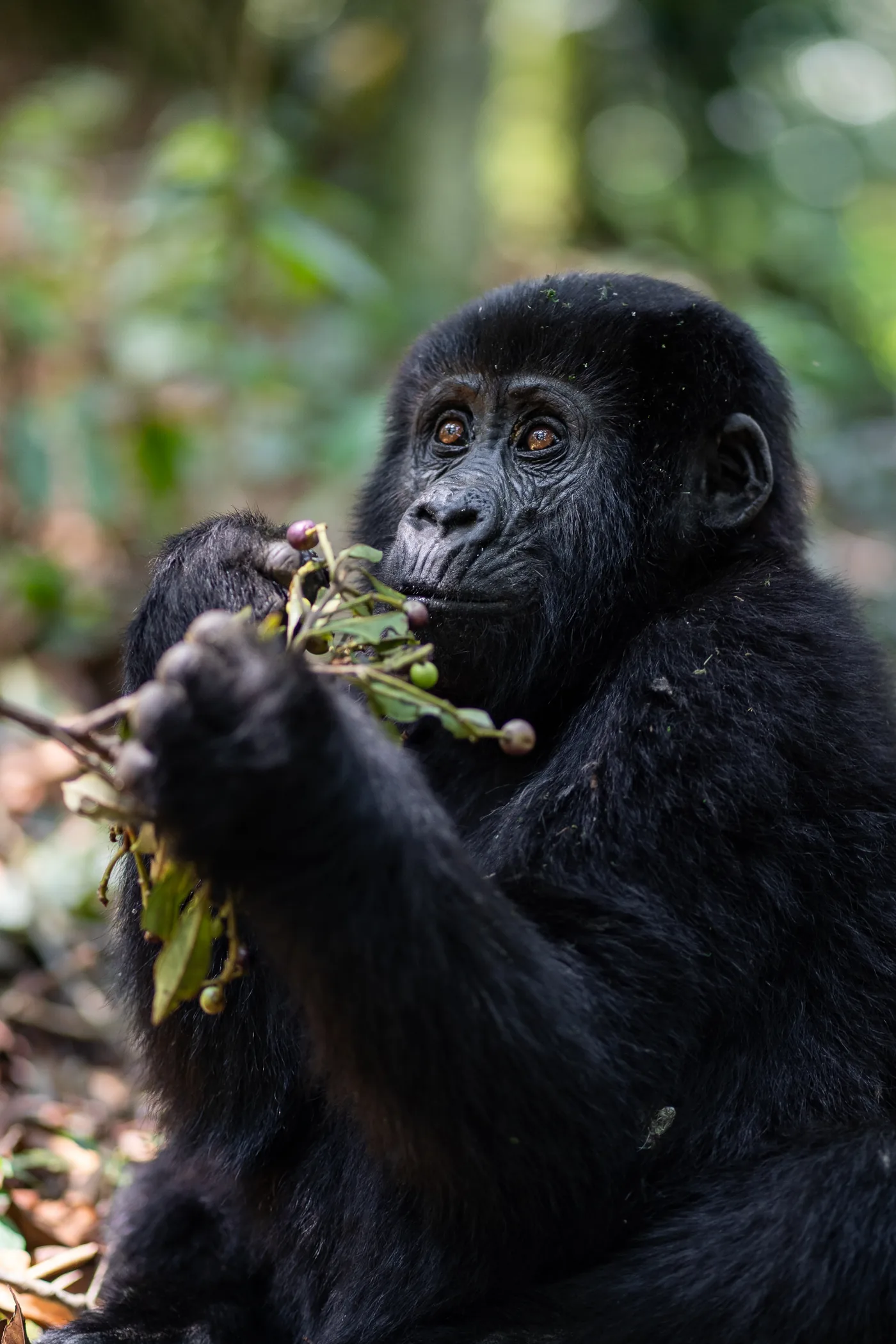
Wildlife encounters are managed by the park. Families are not ranked here, and a sighting is never guaranteed; habituated groups are monitored and trackers use current knowledge, but gorillas still move.
02
Buhoma
Buhoma is the established northern access. It sits naturally on circuits that use Entebbe, a domestic flight into the west, or an overland link with Queen Elizabeth National Park. Lodge character ranges from forest-edge intimacy to more expansive hillside stays; the useful test is whether the property can place you at that sector's briefing without an extra dawn drive.
If the wider journey is Uganda-shaped, savannah, chimpanzees, the Nile. Buhoma often keeps the gorilla chapter inside that geography. That is a routing observation, not a claim that the trek itself is gentler.
03
Ruhija
Ruhija sits higher and connects well with the east of the forest. Advisors who care about Albertine Rift birding often look here first, because the habitat and the quieter road approach repay an extra night for people who want forest time beyond the gorilla hour. Fitness still depends on the day's allocation; altitude and weather can make a short map distance feel longer.
Ruhija is a poor match for a lodge booked in Buhoma or in the south. Treat it as its own base.
04
Rushaga and Nkuringo, and the Kigali question
Rushaga and Nkuringo serve the south. They are the sectors where a Kigali arrival can be more elegant than an Entebbe one, especially when the journey also includes Rwanda or when Kisoro is the sensible air or road gate. An Entebbe start is still workable; it simply asks for honest transfer time or a well-timed domestic flight, and for three nights rather than a squeezed two.
Lodge taste in the south includes dramatic valley positions and quieter forest edges. Choose the property that serves the permit you actually hold: a Rushaga permit with an Nkuringo stay, or the reverse, is only coherent if the drive to that morning's briefing is realistic. And do not sell either southern sector as the easy option, southern contours are serious, and the family may still be far from the gate.
05
Fitness, habituation, birding
Comfortable walking for several hours on steep, uneven, sometimes muddy ground is the honest brief for every sector. Treks can be short or can take most of a day. Porters are available and worth planning in; tell Sail about knees, balance or breathing early, because that information shapes pace and, where the park allows, the morning allocation. It does not convert any sector into a guaranteed light walk.
Uganda's gorilla habituation experience is a separate, longer research permit, not a standard trek with extra time attached; Sail locates the current UWA habituation trailhead at booking. Birding is strongest as a reason to stay longer, particularly around Ruhija, and to keep a spare day after the trek.
06
What should not decide it
A family name overheard on a previous trip should not decide it, park allocation is not a menu. A single lodge image should not decide it. Season can influence trail conditions, with relatively drier windows often meaning firmer ground, but season does not override permit availability, and rain is possible year-round.
If two nights are forced by the wider route, they can work with a well-timed flight into the correct sector. They are not the default. Three nights protect the morning.
Questions travellers ask
Useful answers, before you decide.
Which sector is best?
The sector with viable permits, a lodge that reaches that briefing, and a logical onward route. Wildlife encounters cannot be ranked in advance.
Can I stay in one sector and trek in another?
Only if the transfer to briefing is realistic, which between opposite sides of Bwindi it usually is not. Plan the stay for the permit sector.
Is Mgahinga an easier Bwindi alternative?
No. It is a different park in the Virunga range, with its own permit and a small daily allocation. Consider it when the Kisoro approach and that park's character fit the journey, not as a substitute grade of hike.