
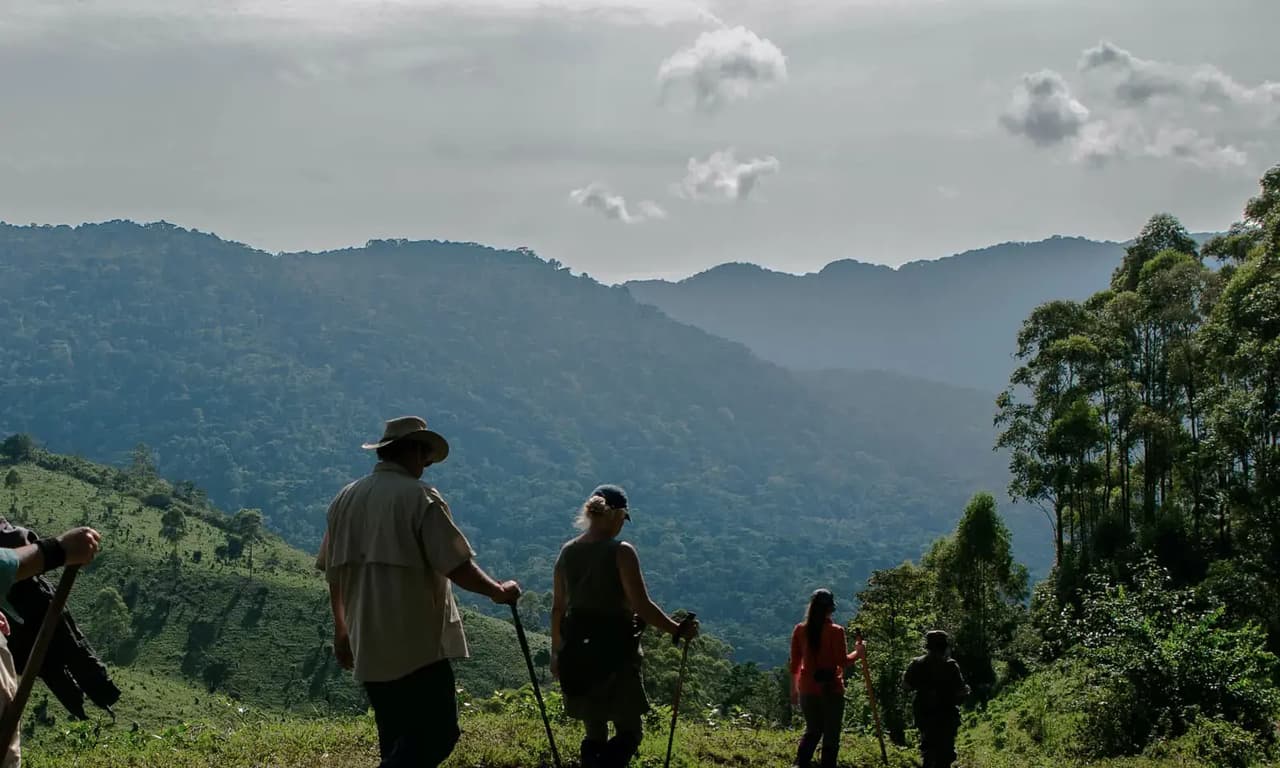
The short answer
What to know first.
Plan at least three nights for one gorilla trek: arrive and settle, trek on the complete middle day, then leave without forcing the encounter between two demanding transfers. Add a fourth night for a second trek, deeper forest time or slower recovery.
At a glance
The planning brief.
Sail starting point
Three nights for arrival, one protected trekking day and a realistic departure.
Add a night for
A second permit, forest activities, photography or a slower recovery day.
Sector first
Buhoma, Ruhija, Rushaga and Nkuringo are not interchangeable on a driving map.
Sail verifies
Permit sector, trailhead, lodge, porter arrangements, flight and onward road logic.
01
Protect trek morning
Arriving after a demanding transfer makes an extraordinary day feel compressed. A settled night before the briefing reduces risk and gives time to organise gaiters, porter arrangements and equipment.
The day after should also be realistic. An early domestic flight may work; a very long onward road after a strenuous trek may not.
02
The sector matters
Bwindi's sectors are not interchangeable. Permit sector, lodge position and onward road must be planned together. Crossing the forest by road can take far longer than a map suggests.
Sail checks the actual trailhead logic before recommending a lodge, rather than choosing by reputation alone.
03
One trek or two
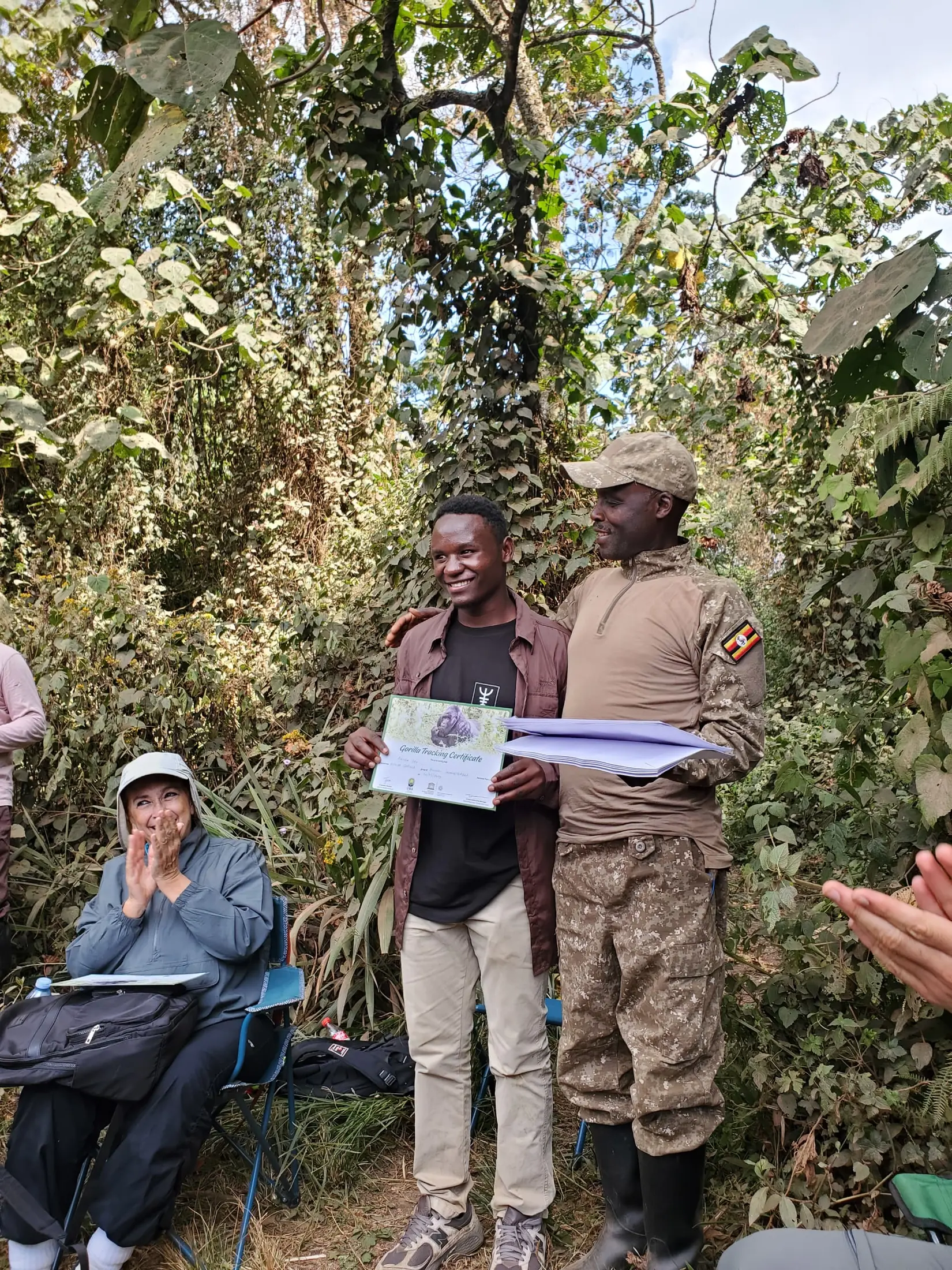
A second permit brings a different gorilla family, route, guide team and quality of light. It can reward photographers and primate-focused travellers.
It also adds physical demand and cost. For many guests, one trek plus time to absorb it creates the better rhythm.
04
Beyond gorillas
Forest walks, birding, community-led experiences and lodge time can provide context. Exact activities differ by sector and should be chosen for substance, not used to fill every hour.
Bwindi's biodiversity and human landscape are part of why the gorillas persist; staying longer can make that relationship more visible.
05
When two nights can work
Two nights may be operationally possible with a well-timed domestic flight and the correct sector. It leaves little margin for schedule changes and almost no time beyond the trek.
Use it when the wider journey truly requires focus, not as the default way to make the itinerary look efficient.
Questions travellers ask
Useful answers, before you decide.
Can I arrive and trek the same day?
No sensible plan relies on that. Briefings are early and travel conditions can change. Be in the correct sector the night before.
Which Bwindi sector is best?
The best sector is the one with viable permits, the right lodge and logical access for the complete route. Wildlife encounters are managed by the park and cannot be ranked in advance.
Is four nights too long?
Not if you want two treks, forest activities or a slower stay. A good lodge and sector can make the extra time restorative.