
The short answer
What to know first.
A standard gorilla trek is a regulated hour with a habituated family, after a walk of uncertain length. Habituation is a different UWA product: a longer research morning with a group still becoming accustomed to human presence. Do not name a habituation sector from memory. Do not promise a closer encounter. Confirm the tariff at booking; live figures sit on the gorilla permit prices journal. The lodge still matches the trailhead UWA is actually using.
At a glance
The planning brief.
Two products
Standard trek and habituation are different permits. One name does not convert into the other.
Trailhead at booking
Sail asks UWA where the current habituation walk begins. This page does not publish a sector.
Longer is not better
More time with a semi-habituated group is a research brief. It is not a guarantee of a calmer or clearer hour.
Same forest rules
Age, health, distance, photography and porter practice still apply. Disclose mobility early.
01
What a standard trek actually is
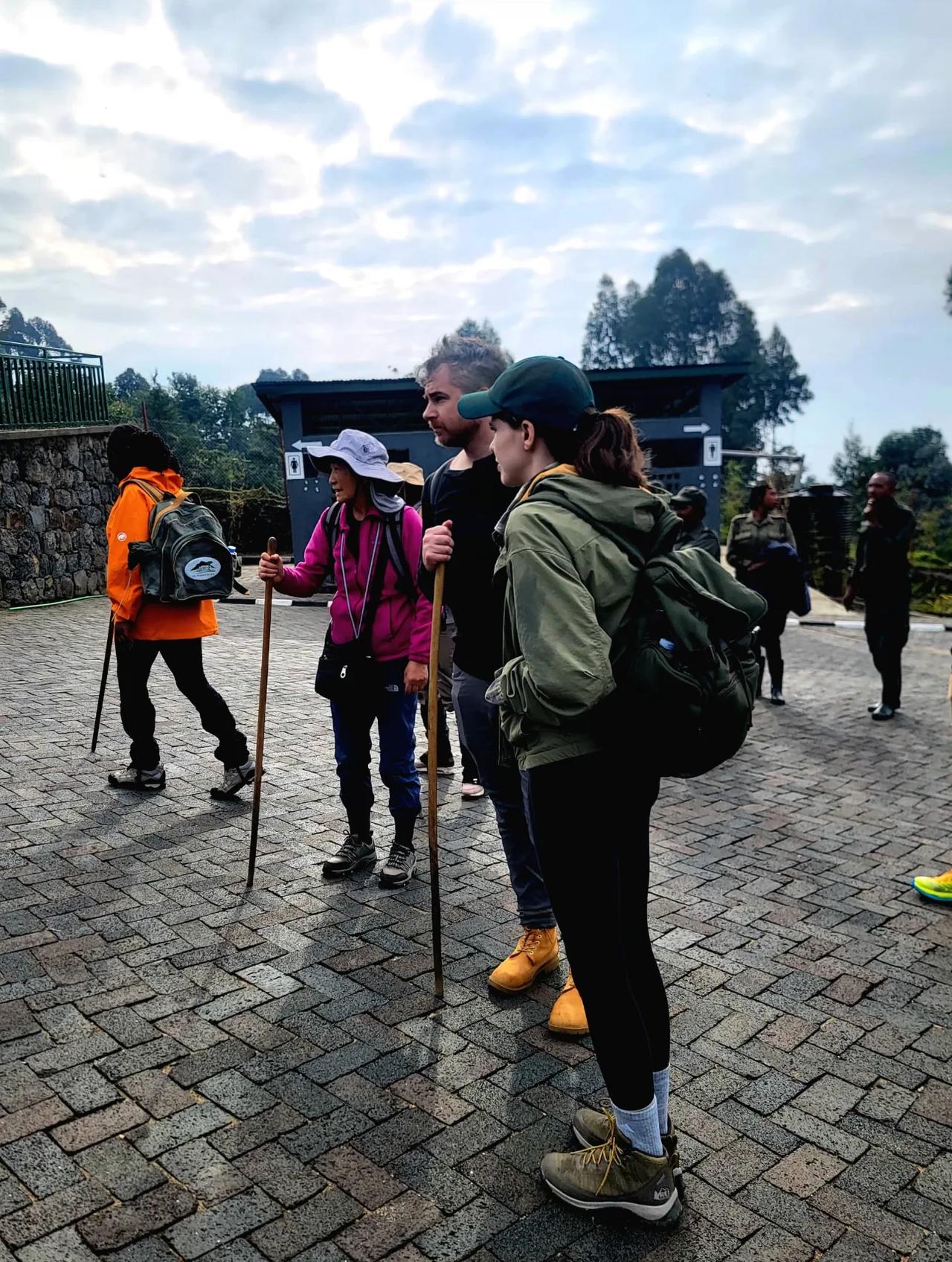
The standard morning is the product most files should start from. Park staff brief the group, allocate a habituated family, and walk until tracking produces an encounter, or does not. The hour is regulated. The walk around it is the unknown.
That day is described on the gorilla-trekking fitness journal. A sighting is never guaranteed. Families are not ranked in advance. The permit names a Bwindi sector or names Mgahinga. The lodge is chosen for that briefing. Wherever UWA is running the research walk on your dates, the night before is spent where that trailhead can actually be reached.
02
What habituation is
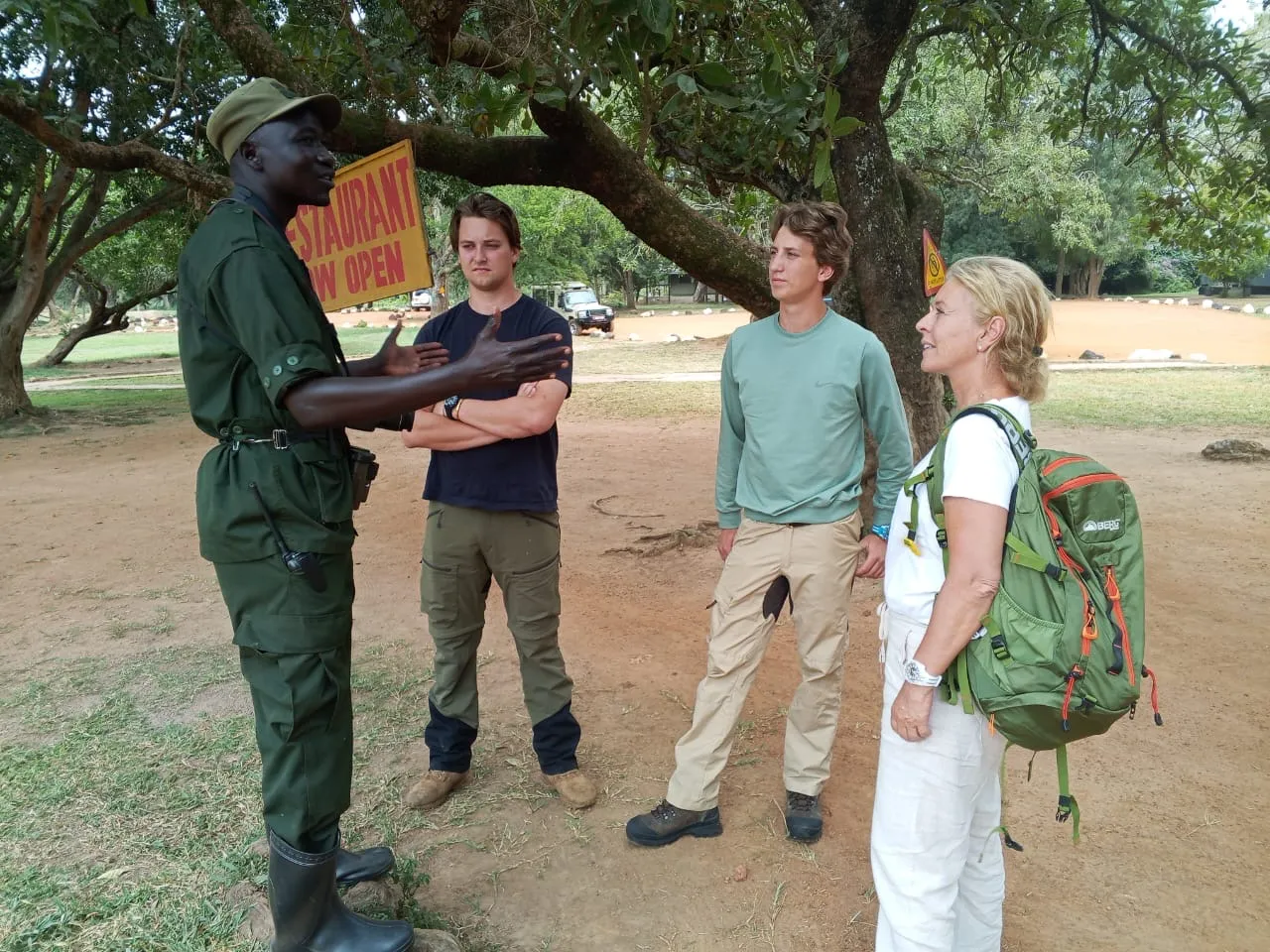
Where available and appropriate, habituation places a small guest group with researchers beside a family still becoming accustomed to people. The brief is longer. Guests should expect more standing, more waiting, and a less settled group.
03
What habituation is not
It is not a standard trek with extra minutes purchased on top, a private buy-out, a promise of a closer encounter, a lighter walk, or a sector you can request by name from a remembered article.
Allocation and behaviour remain park decisions. If the reason for asking is more time with gorillas, test whether a second standard trek, with recovery between, would serve them more calmly. This page is a Uganda product comparison. Do not import a Rwanda exclusive arrangement into a habituation conversation.
04
How Sail places it on a file
Sail treats habituation as a live availability question: whether it is offered on your dates, where the walk will begin, and what the current tariff is. We then match the lodge to that trailhead.
Unpaid UWA holds are gone. Collect permit funds before asking Sail to commit; journey deposits do not purchase the research morning. Minimum age remains fifteen. Do not trek when ill. If habituation is not available, or if the trailhead cannot be matched to a lodge the party will accept, the file returns to a standard trek in a sector you can actually buy. Tell Sail about knees, balance and breathing before either permit is paid. Chair or stretcher arrangements, where they exist, are requested in advance and confirmed at booking.
05
Who it is for
Habituation suits a traveller who wants the research context and can walk for a long time without a timetable. It does not suit a first-time guest whose only brief is to see gorillas, or a tight two-night stop.
Three nights still protect the day. Build the previous evening as you would for a standard trek: settled, with the lodge already in the right place.
Questions travellers ask
Useful answers, before you decide.
Is habituation a better sighting?
No. It is a longer research morning with a group still becoming accustomed to people. Time with the family is not a promise of a closer or clearer encounter.
Which sector is habituation in?
Sail locates the current UWA trailhead at booking. This page does not pin habituation to a sector, because that map moves.
Does habituation replace a standard trek?
It replaces it only if you have bought the habituation permit. It is a different UWA product, not an upgrade applied to a standard name.
What does it cost?
Confirm the live tariff at booking. Figures sit on the gorilla permit prices journal, not on this page.