
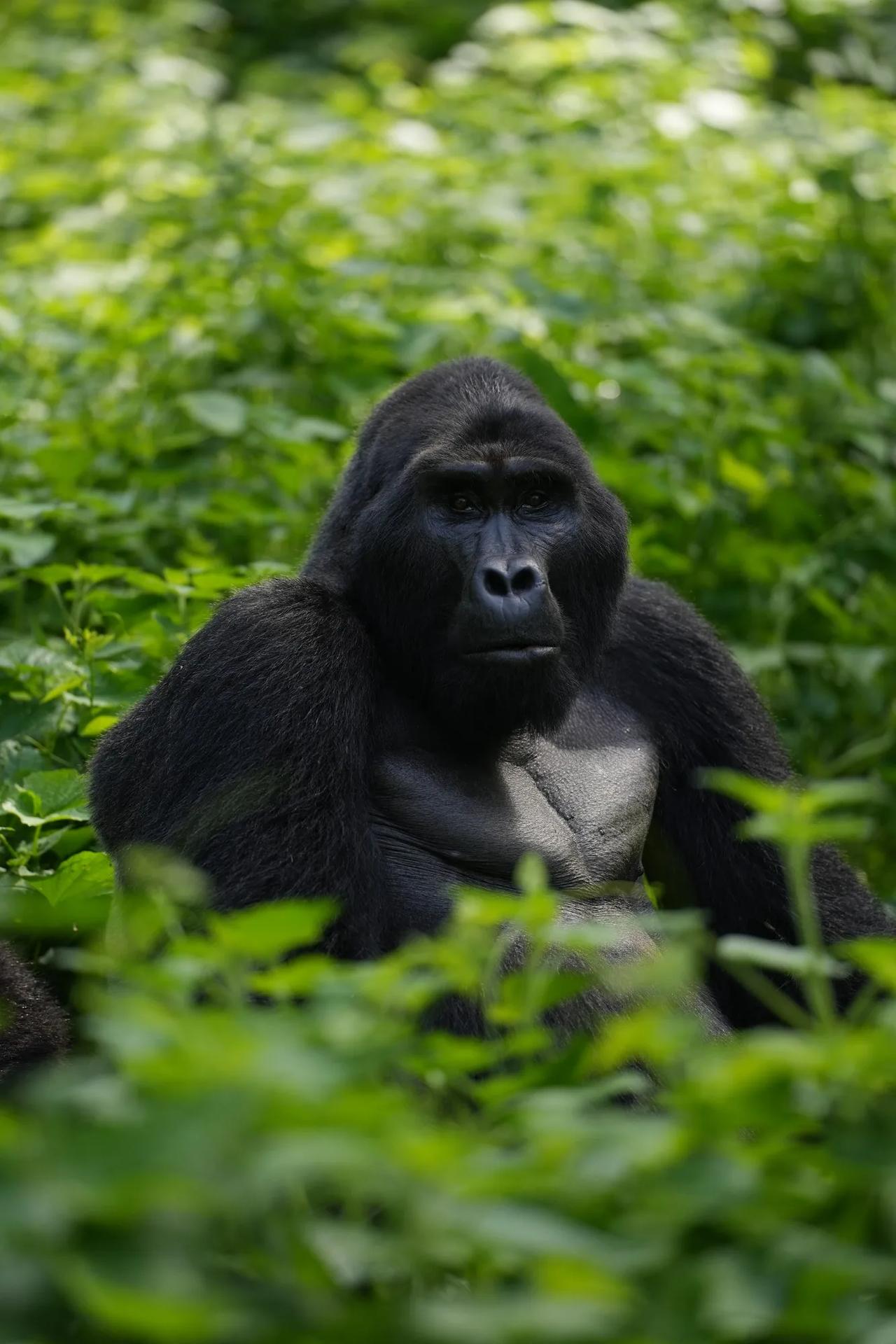
The short answer
What to know first.
The choice is between two genuinely different products, not a standard trek and a longer version of it. Uganda's gorilla habituation experience is a full day alongside researchers with a family still being habituated: more forest hours, wilder and less predictable behaviour, its own permit under UWA's conditions, scarcer inventory, and real physical demand. Two standard treks are two regulated mornings, usually with two different families and possibly two sectors: twice the approach, twice the hour, and a second chance at different light and terrain. For photographers the honest trade is depth against variety: habituation buys time in which behaviour unfolds, at wilder distances and in harder light; two treks buy two distinct settings and two families' characters. Neither product promises proximity, behaviour or photographs, and any pitch that sells habituation as a guaranteed longer sighting is mis-selling it. Fatigue is a real variable, availability is scarcer than for standard treks, and both are booked against live UWA inventory with terms confirmed at booking.
At a glance
The planning brief.
What habituation is
A longer UWA day alongside researchers with a family still being habituated: more forest hours, wilder behaviour, its own rules.
What two treks are
Two regulated mornings, usually two families, sometimes two sectors: twice the arrival, twice the hour.
What neither sells
Proximity, behaviour or photographs. Both products buy time and chance in the forest, never outcomes.
Sail verifies
Live availability for both against the actual dates, and advises by the traveller's legs and intent, not the price of the line.
01
Two products, properly described
The habituation experience is research tourism in the strict sense: a small party spends an extended day with rangers and researchers around a family still learning to tolerate human presence. The gorillas behave more wildly, keep more distance, and move more; the day is long, steep and genuinely demanding.
Two standard treks are the regulated product twice over: trackers locate a habituated family, the party approaches, and the protected hour runs under the rangers' direction. Booked across two mornings, often with different families, the pair offers repetition with variation, which is its own kind of depth.
02
The photographer's actual trade
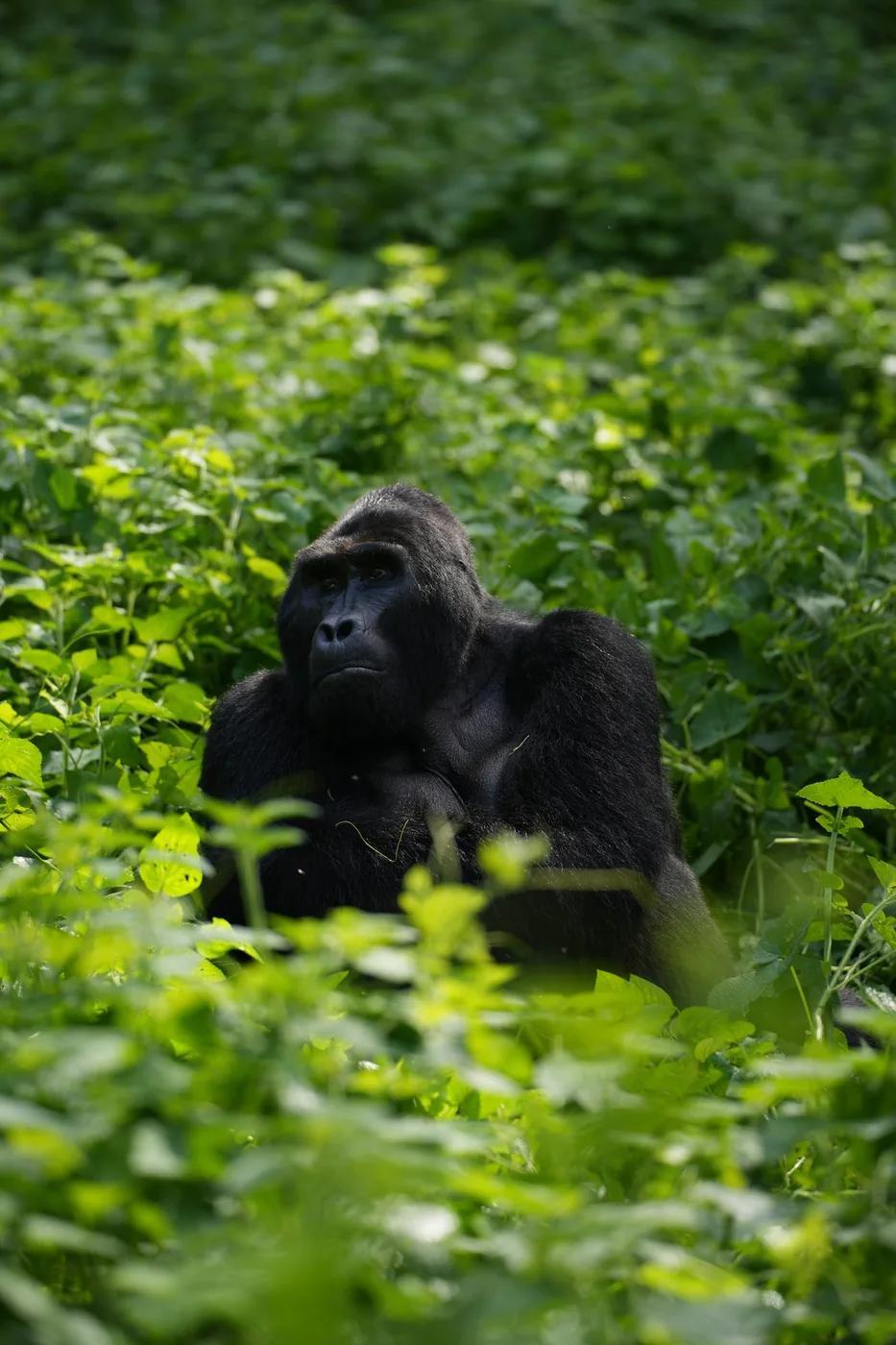
Habituation's gift to a photographer is time and behaviour: hours rather than one hour, and a family whose wildness produces moments the habituated hour rarely shows. Its tax is conditions: more distance, more movement, more vegetation between lens and subject, and light that arrives when it arrives.
The two-trek shape gives control of variables instead: a second morning to correct the first's weather, a different family's characters, possibly a different sector's terrain and canopy. Many working photographers quietly prefer it for exactly this reason, and many primate-focused travellers prefer the habituation day for the opposite one.
03
Fatigue, honestly weighed
The habituation day is one long output; two treks are two moderate outputs with a recovery evening between. Which suits a traveller is a fitness question that deserves a truthful answer at design, not a hopeful one at a trailhead, and the fitness brief that governs standard treks applies doubly here.
Age rules hold throughout, terms and conditions are the authority's, and porters change the arithmetic for many guests on either product. What no product changes is the forest's terrain: both choices walk the same mountains, and the honest conversation before booking is the one that makes either day a pleasure.
04
Availability decides more than preference
Habituation inventory is scarcer than standard permits: the product runs where the programme runs, in Bwindi's south, with small daily numbers under UWA's conditions. It books earlier, moves never, and a file built on it commits accordingly, with the money and date conversations up front.
Sail's method is to hold the traveller's intent against live availability for the actual dates and price both shapes as NETT lines at the authority's figures, confirmed at booking. Sometimes the calendar makes the choice; when it does not, intent should, and the pages of this journal exist so that intent is informed.
Questions travellers ask
Useful answers, before you decide.
Does the habituation experience guarantee more time close to gorillas?
It guarantees a longer day with a wilder family under the programme's conditions, not proximity or behaviour. The family keeps more distance precisely because it is still being habituated, and no honest operator sells it as a longer version of the standard hour.
Can a photographer do both on one journey?
With enough nights and availability, yes: a habituation day and a standard trek make a strong pairing across four or five forest nights. It is a budget and fitness conversation, priced plainly at the authority's figures.
Where does the habituation experience run?
In southern Bwindi under UWA's programme, with small daily numbers and its own permit. Current conditions, minimum requirements and availability are confirmed with the authority at booking.