
The short answer
What to know first.
The rules are the park authorities' and the rangers brief them on the morning: flash is forbidden absolutely, voices stay low, nobody eats near the family, and the viewing distance the rangers state on the day is kept, widening whenever the gorillas themselves close it. The hour with the family is regulated and shared between lenses and eyes, and the honest truth about results is that canopy light is low, foliage is thick and gorillas move: no house that respects its guests sells a photographic outcome. Sail briefs kit for forest light before travel, follows UWA and RDB instructions without exception, and designs the morning so the photograph is a gift of the hour rather than its purpose.
At a glance
The planning brief.
The fixed rules
No flash, ever. Quiet voices, no eating near the family, and the viewing distance the rangers brief on the day.
The hour
Time with the family is regulated. Cameras share it with eyes; the best hours are watched more than shot.
No sold outcomes
Light is low, foliage is thick, and gorillas move. Nobody honest sells a photographic result.
Sail verifies
Current park instructions at briefing, and kit guidance for canopy light before travel.
01
The rules, plainly
Flash is forbidden without nuance: it startles, it provokes, and it marks the difference between a guest and a hazard. Voices stay low, movements stay slow, food and drink stay in the pack, and anyone needing to cough or sneeze turns away from the family into an elbow.
Distance is the rangers' to set: a briefed gap is kept between visitors and gorillas, and when a curious juvenile closes it, the visitors widen it again as instructed. The family's habituation is a trust maintained morning by morning, and the rules are its maintenance schedule.
02
What the hour allows
The regulated hour begins when the rangers say so and ends the same way. Within it, photography is welcome within the rules: no flash, no drones, ever, no crowding for an angle, and no direction of the wildlife, which is a sentence that should never need writing and occasionally does.
The wiser rhythm splits the hour: minutes behind the lens, minutes with bare eyes. Guests who watch first shoot better, because they stop chasing portraits and start recording behaviour.
03
The honest truth about results
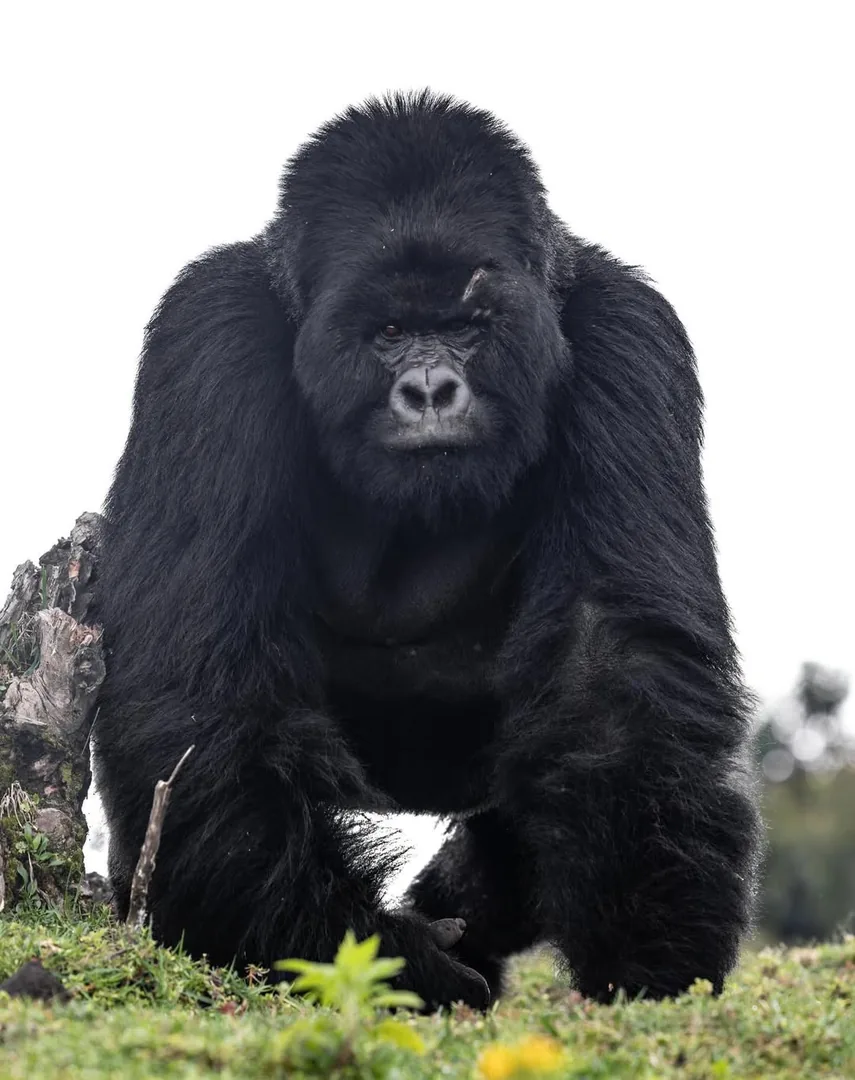
Bwindi and Volcanoes are dim, green, tangled places, and the gorillas owe the camera nothing. Fast lenses, high ISO tolerance and modest expectations serve better than any promise, and the occasional morning of rain and backs-turned feeding is part of the covenant.
This is why no photographic outcome is ever sold on a Sail file: not a clear silverback portrait, not an infant's face, not light. What is sold is placement, preparation and the hour itself, honestly framed.
04
Kit, briefed before travel
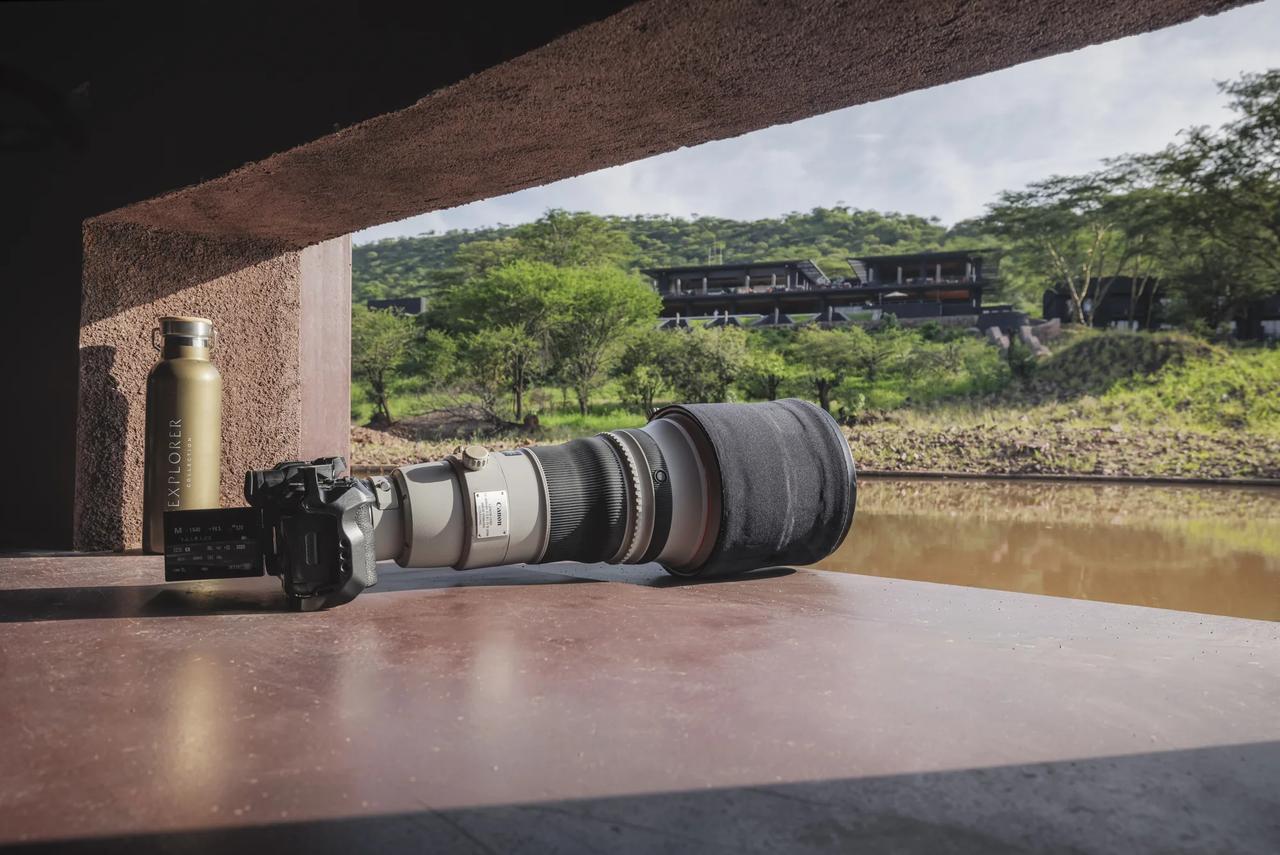
The working advice: one body the guest genuinely knows, a fast mid-telephoto, high-ISO confidence, silent shutter where the camera offers it, and the flash physically disabled before the trailhead. A rain cover earns its place every month of the year.
Phones photograph the hour surprisingly well in close, calm moments and are subject to the same rules. Whatever the kit, it rides in the porter's daypack until the rangers say the family is near, which is one more argument for the porter.
Questions travellers ask
Useful answers, before you decide.
Can I use a flash if the forest is dark?
No, in either country, under any setting. Modern sensors at high ISO are the answer to canopy light; the flash stays disabled from the trailhead onward.
Are drones allowed for aerial shots?
No. Drones are prohibited around the gorilla parks, and the wider permissions question in East Africa is restrictive enough that Sail's advice is simply to leave the drone at home.
Will I definitely get good photographs?
Nobody honest promises that. Light, weather and the family's mood write each morning; preparation raises the odds and the hour rewards attention either way.