
The short answer
What to know first.
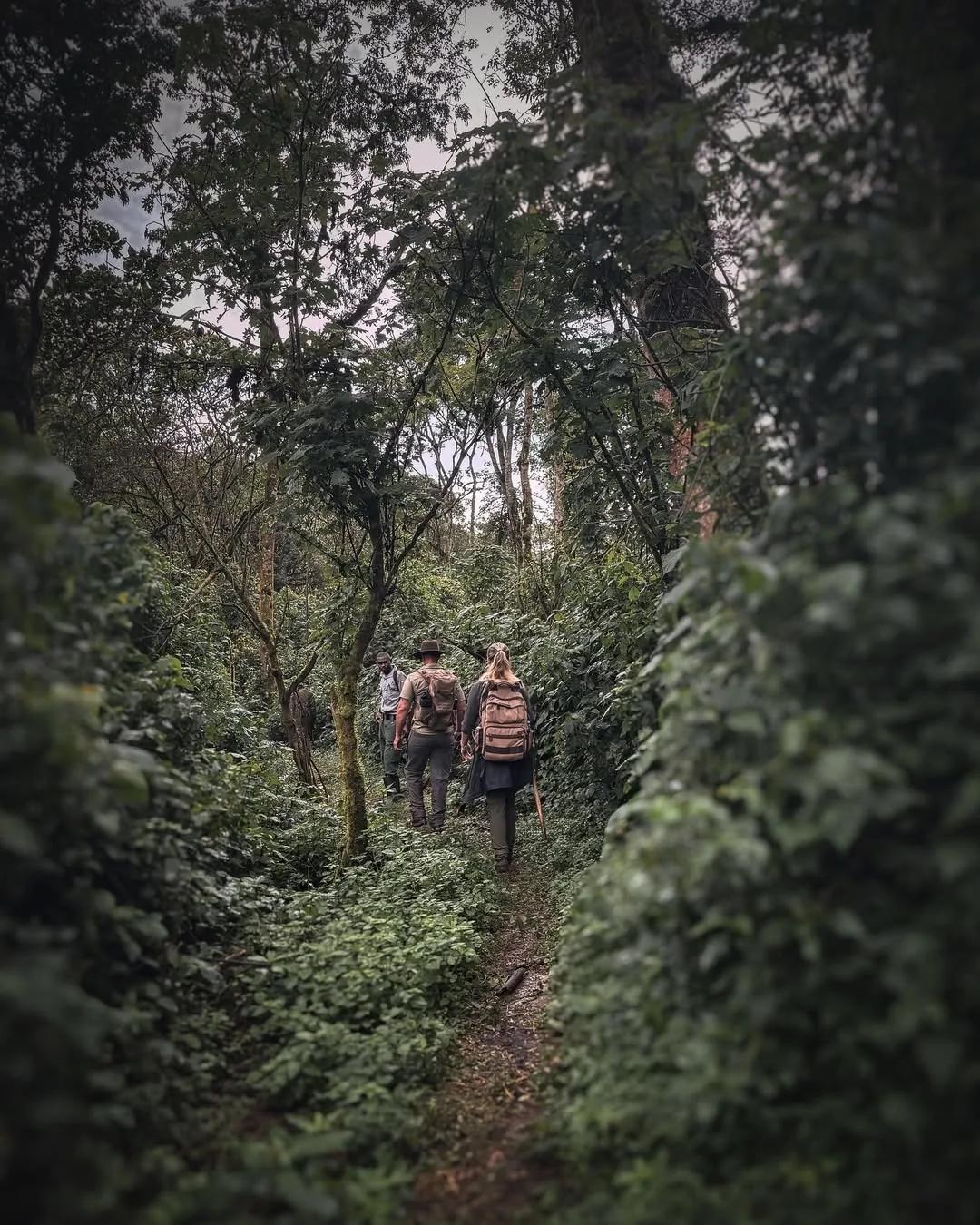
A gorilla trekking porter is hired at the trailhead on the morning of the trek, carries your daypack and camera bag, offers a steady hand on steep and slick ground, and for many trekkers is the difference between enduring the mountain and enjoying it. The briefing is simple. Hire one: the fee is modest, the work is real forest-edge employment reaching families around the park, and even fit trekkers walk better unburdened. Work together: hand over the pack fully rather than half-clinging to it, accept the offered hand on the slick sections without embarrassment, set your pace honestly and say so when you need a pause. Speak normally: porters are local professionals, many with years on these slopes, and the guests they remember are the ones who talked with them. On money, the hire fee and any appreciation afterwards follow current local custom, which Sail's ground team confirms at the trailhead on the day; no figure published on the internet, including here, should be treated as the tariff. Carried-chair support for guests with mobility needs is its own arrangement, made ahead through the file.
At a glance
The planning brief.
Who porters are
Local men and women hired at the trailhead whose work is real forest-edge employment, often including former trackers.
What they do
Carry daypacks and cameras, steady guests on steep ground, and change many trekkers' mornings entirely.
Money on the trail
Hire and appreciation follow current local custom, confirmed on the ground at briefing, never a figure invented online.
Sail briefs
Porter hire at the trailhead as part of the morning, including how to work together on the mountain.
01
Who porters actually are
Porters come from the villages at the forest's edge: farmers, students, parents, and often people whose families have worked these slopes for generations. The rota systems at the gates spread the work through the communities, which makes each hire a direct, visible piece of the local economy the park sustains.
This is why the porters' line on a Sail briefing is never framed as charity. It is skilled work, honestly paid, on hard ground, and treating it as such, with the same respect given a guide, is the foundation the rest of this page stands on.
02
What they carry, and what they really do
The visible job is the daypack: water, rain layers, cameras, the lunch. Handing it over completely matters; a guest who keeps snatching the bag back to fish for things breaks the rhythm that makes the help helpful. Agree what you will want on the move, keep that in a pocket, and let the rest travel on the porter's back.
The invisible job is the mountain itself: a braced arm on the muddy descent, a pull up the greasy step, the quiet reading of where a guest is tiring before the guest admits it. On the steep sectors this support is the trek for some travellers, and accepting it early beats discovering it late.
03
Money, done properly
The hire happens at the trailhead at the current local rate, and appreciation after a good morning follows current local custom; both are confirmed on the ground on the day by Sail's team, because rates and customs are the communities' own and they move. That is why this page, deliberately, quotes no figure.
Bring the means to settle both simply, and let the briefing tell you the day's specifics. What never happens on a Sail file is a guest caught out at the trailhead: the porters' line is part of the pre-trek briefing the evening before, with cash needs stated plainly.
04
Beyond the standard hire
Guests with mobility needs can arrange carried support, including the sedan-chair teams that operate on some routes, and that arrangement is made ahead through the file rather than improvised at the gate: it is covered in this journal's porters-and-chairs article and confirmed with the ground team at design.
Photographers with real kit should hire accordingly, sometimes two porters, agreed the evening before. And every trekker, whatever their fitness, might hold the quiet rule Sail's guides repeat at briefings: on this mountain, hiring help is not a concession, it is how the morning is done well.
Questions travellers ask
Useful answers, before you decide.
Should I hire a porter even if I am fit?
Yes. The trail rewards free hands and an unburdened back at every fitness level, and the hire employs the forest's neighbours. The fittest trekkers on the trail are usually the ones who look happiest to have one.
How much should I tip a gorilla porter?
Follow current local custom, confirmed at the trailhead on the day by the ground team. Published figures age badly and distort local economies, which is why Sail briefs money on the ground rather than in print.
Can porters carry a guest who cannot walk the full trail?
Carried-chair support exists on some routes and is arranged ahead through the file, not at the gate. Raise it at design and Sail will confirm current arrangements for the sector.