

The short answer
What to know first.
Tanzania has no eTA. The electronic travel authorisation belongs to Kenya; Tanzania issues its own e-visa through the immigration portal at visa.immigration.go.tz, and some nationalities can obtain a visa on arrival, confirmed for each passport at booking. The East African Tourist Visa covers Uganda, Kenya and Rwanda only; Tanzania is not part of it, and neither is Zanzibar, which is Tanzanian territory. A journey that includes Tanzania or Zanzibar needs Tanzania's own entry arrangements, now including an inbound travel insurance certificate for most foreign visitors, alongside whatever serves the other countries, and the EATV's own conditions on where it is issued and how movement within the three member states works are checked against the actual routing. Sail confirms the current instruments country by country before travel documents are issued.
Ask Sail to plan around this answerSee the journeys priced for it
At a glance
The planning brief.
The fact
The East African Tourist Visa covers Uganda, Kenya and Rwanda only. Tanzania is not part of it.
Tanzania and Zanzibar
Both need Tanzania's own entry arrangements, including inbound insurance by first port of entry per official guidance; Zanzibar is part of Tanzania, not a fifth visa story.
Route order
The EATV suits circuits within its three countries; re-entry rules are checked against the actual routing.
Sail verifies
Current visa instruments country by country for the exact route, confirmed before travel documents are issued.
01
There is no Tanzania eTA
Searches for a Tanzania eTA usually come from Kenya's paperwork: Kenya replaced its visa with an electronic travel authorisation, and travellers planning a Kenya and Tanzania safari assume the second country works the same way. It does not. Tanzania runs its own e-visa, applied for in advance through the immigration portal, and offers a visa on arrival to some nationalities; which passports qualify, and at which entry points, is checked against the portal at booking. Zanzibar uses the same Tanzanian visa and has its own ZIC inbound travel insurance scheme, and from 1 October 2026, per the Tanzania High Commission's guidance, mainland arrivals need an NIC inbound travel insurance policy too; per the same guidance, the first port of entry decides which one applies, as our Tanzania mandatory travel insurance guide explains.
Sail's default is the e-visa in advance, applied for under the traveller's exact passport details, because it removes the queue and the cash question on arrival. Current fees, processing times and the nationality list are confirmed against the portal at booking rather than quoted here, since they change.
02
What the EATV actually is
The East African Tourist Visa is a joint instrument of Uganda, Kenya and Rwanda: one application covering tourist travel across those three countries, moving between them within its validity. For a circuit shaped around gorillas, the Mara and Kigali or Entebbe gateways, it is often the elegant answer.
Its conditions matter as much as its coverage: which country should issue it, how long it runs, and what movement within the three members it permits are rules checked in current form against the actual itinerary rather than remembered from a blog.

03
Where Tanzania fits
Tanzania sits entirely outside the EATV. A Serengeti chapter, a Kilimanjaro gateway or a Zanzibar close each require Tanzania's own entry arrangements: typically its eVisa or equivalent for most nationalities, confirmed for the traveller's passport at booking. Zanzibar is part of Tanzania: the beach tail is not a fifth visa story, but it is a Tanzanian one.
The practical consequence for a four-country file is simply two instruments travelling together, each matched to its half of the route.
04
Order of borders, and the re-entry question
Because the EATV binds three countries and Tanzania stands apart, the sequence matters. A route that leaves the EATV zone for Tanzania and returns to it raises re-entry questions that are answered from the current rules for the actual crossings (Entebbe, Kigali, the Kenyan and Tanzanian land borders), not assumed.
This is where files fail quietly: not at the first airport, but at a second crossing no one checked. On a Sail file the border list is written down and each crossing is matched to its instrument before documents issue.
05
What Sail confirms, and when
Visa rules change, fee channels move online and back, and nationality differences are real. Sail confirms the current requirement for each traveller's passport, for each border on the route, as part of the confirm-stage document work, and the travel-information page carries the official sources travellers should verify against.
The principle underneath is constant: the paperwork serves the route. Design the journey first, then fit the instruments, and never let a visa slogan design the map.
Questions travellers ask
Useful answers, before you decide.
Can I add Zanzibar on an East African Tourist Visa?
No. Zanzibar is part of Tanzania, which sits outside the EATV. The beach chapter travels on Tanzania's own entry arrangements, confirmed for your passport at booking.
Is the EATV always the best choice for Uganda, Kenya and Rwanda?
Often, not always. Single-country visas can suit simpler routes, and the EATV's issuing and movement conditions must fit the actual sequence of borders. The file decides.
Where should I verify current visa rules?
Against the official government sources linked from Sail's travel-information page, and through the confirm-stage document check Sail runs for every traveller's passport and route.
Signature Journeys for this answer
Routes that cross the visa's boundary, priced complete.
Each of these crosses from the three visa countries into Tanzania or Zanzibar, and each is built so the paperwork is settled before departure.

Kenya into Tanzania: what does the Mara and Serengeti route cost?
One Ecosystem, Two Expressions
From US$12,935 per person, low season
Distinguished Camps and Lodges, city nights aside: Kicheche Mara North Camp, Lemala Mara, Lions Paw Ngorongoro, Siringit Tarangire
Read the journey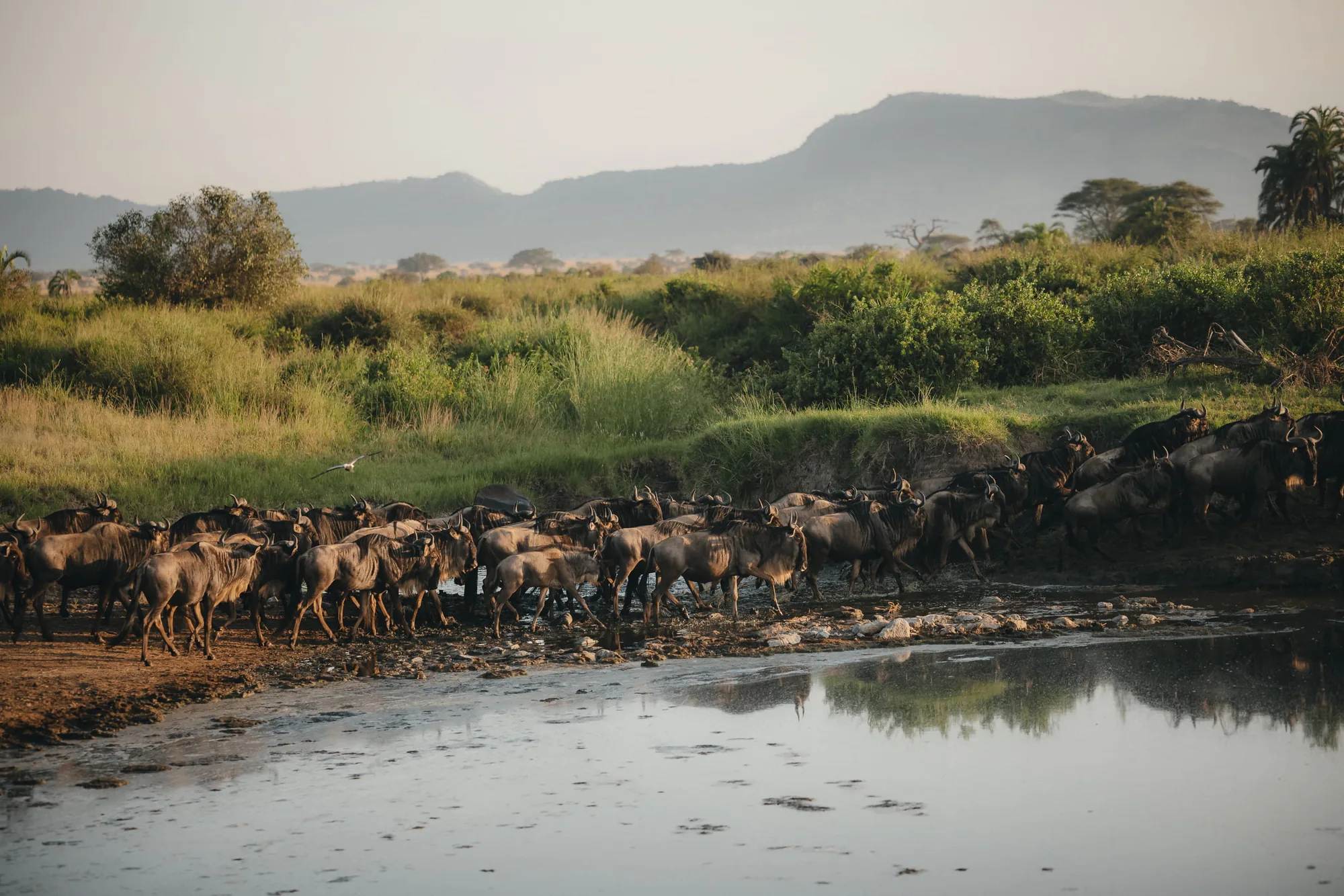
Uganda, Kenya and Tanzania: three countries, two entry regimes?
Great Migration & Gorilla
From US$15,560 per person, low season
Distinguished Camps and Lodges, city nights aside: Mahogany Springs, Entim Private Camp, Lemala Mara, Lions Paw Ngorongoro
Read the journey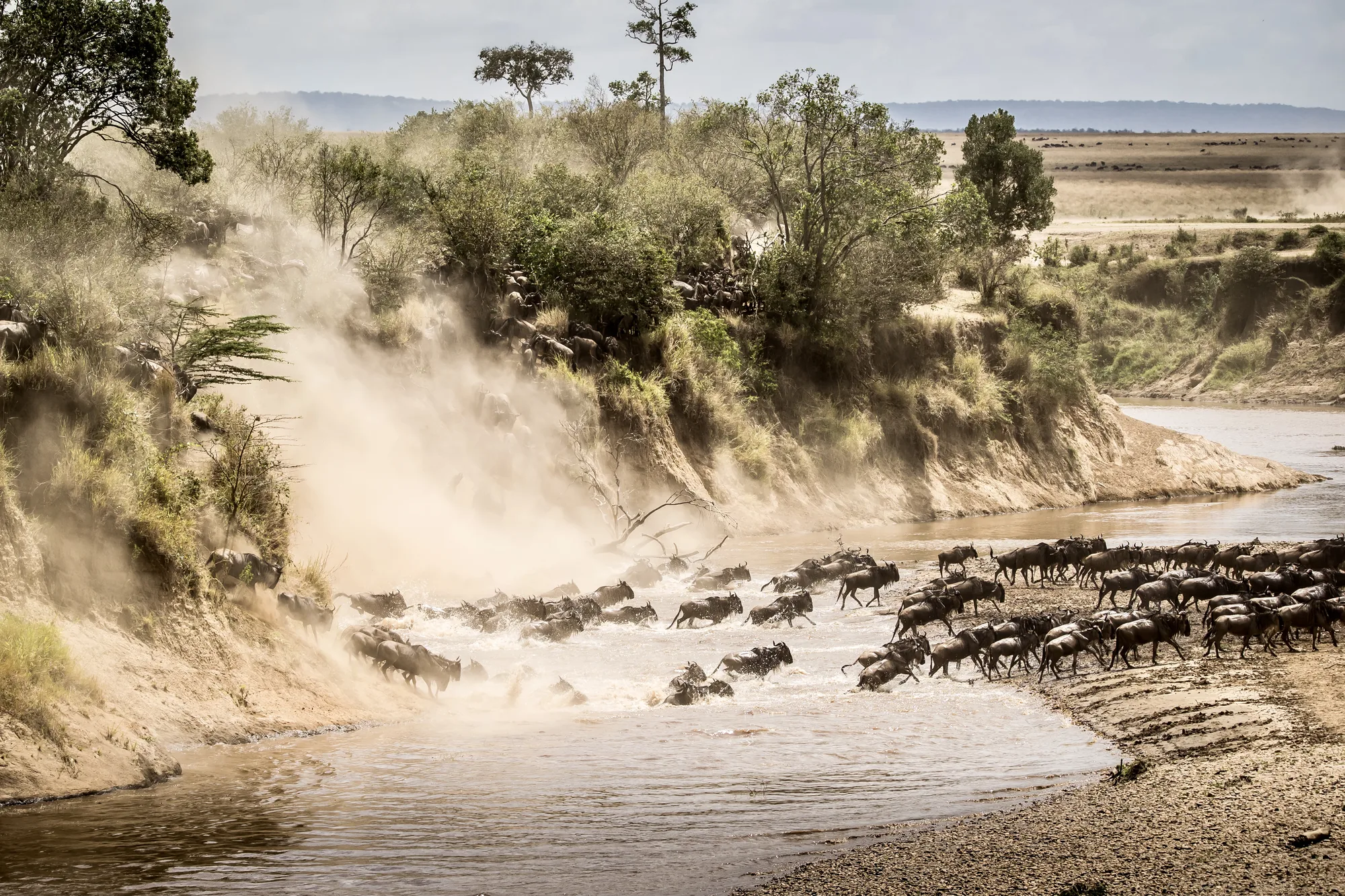
All four countries in one journey: in what order are the borders crossed?
The East Africa Grand Passage
From US$23,630 per person, low season
Distinguished Camps and Lodges, city nights aside: Wilderness Sabyinyo Lodge, Mahogany Springs, Kicheche Valley Naboisho, Lemala Mara, Lions Paw Ngorongoro, Siringit Tarangire
Read the journey2027 from prices on the Distinguished Camps and Lodges expression, two adults sharing, per person, low season, confirmed at quotation. The high-season figure is on each journey page.
Discuss a cross-border journey for your dates