
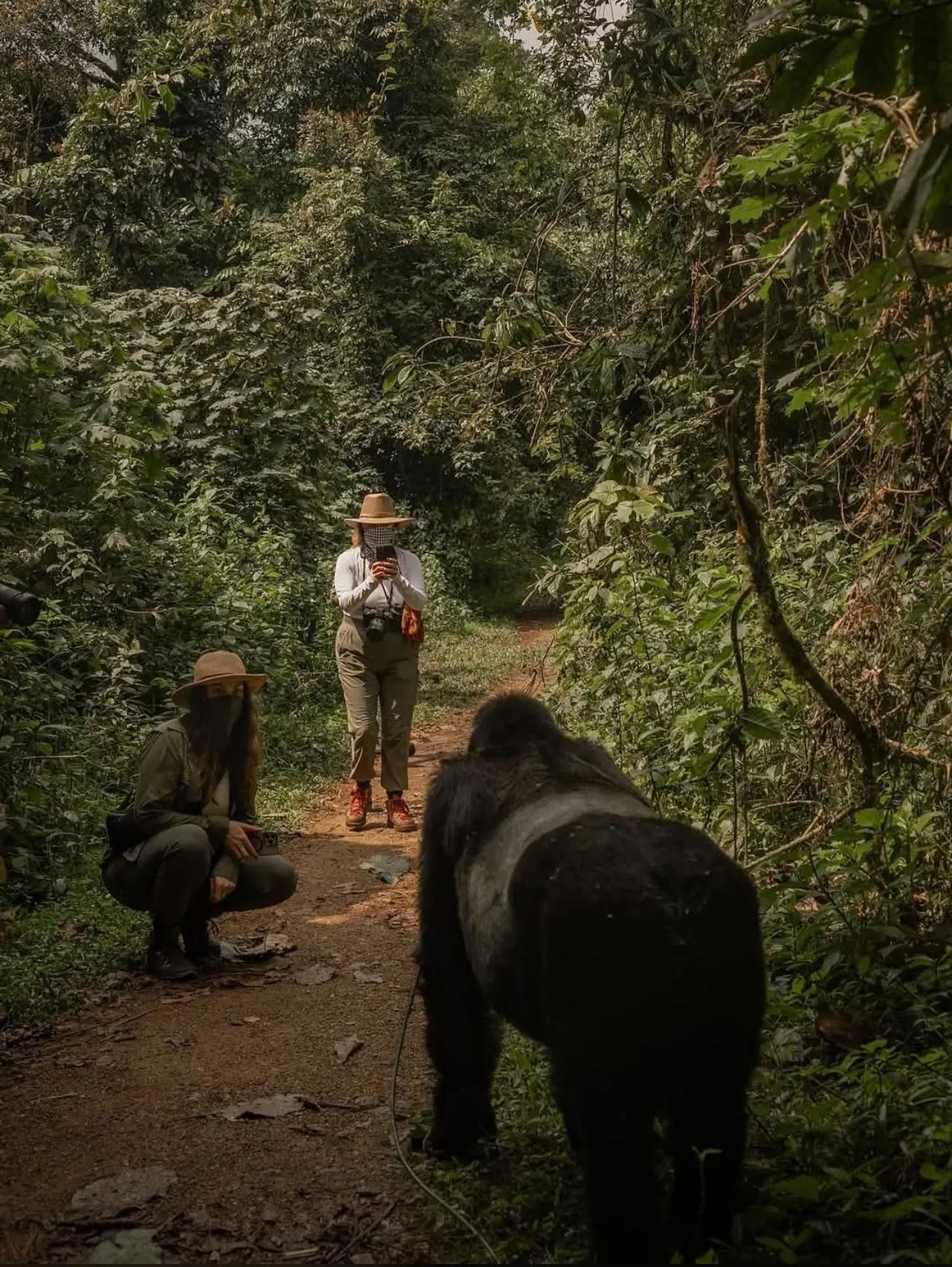
The short answer
What to know first.
Expect an early briefing, group allocation, a trek of uncertain length and changing forest conditions. Wear broken-in waterproof footwear, long trousers, long sleeves and light rain protection; carry water and only what you need. Hire a porter, disclose mobility concerns early and follow the guides' health and distance instructions.
At a glance
The planning brief.
Terrain
Expect roots, mud, steep slopes and an uncertain walk before the gorillas are located.
Wear
Broken-in boots, long trousers, gloves, rain protection and a small daypack.
Use a porter
Porters add practical support and direct local economic value to the trekking day.
Health rule
Do not trek when ill; gorillas are vulnerable to human respiratory disease.
01
No two treks are the same
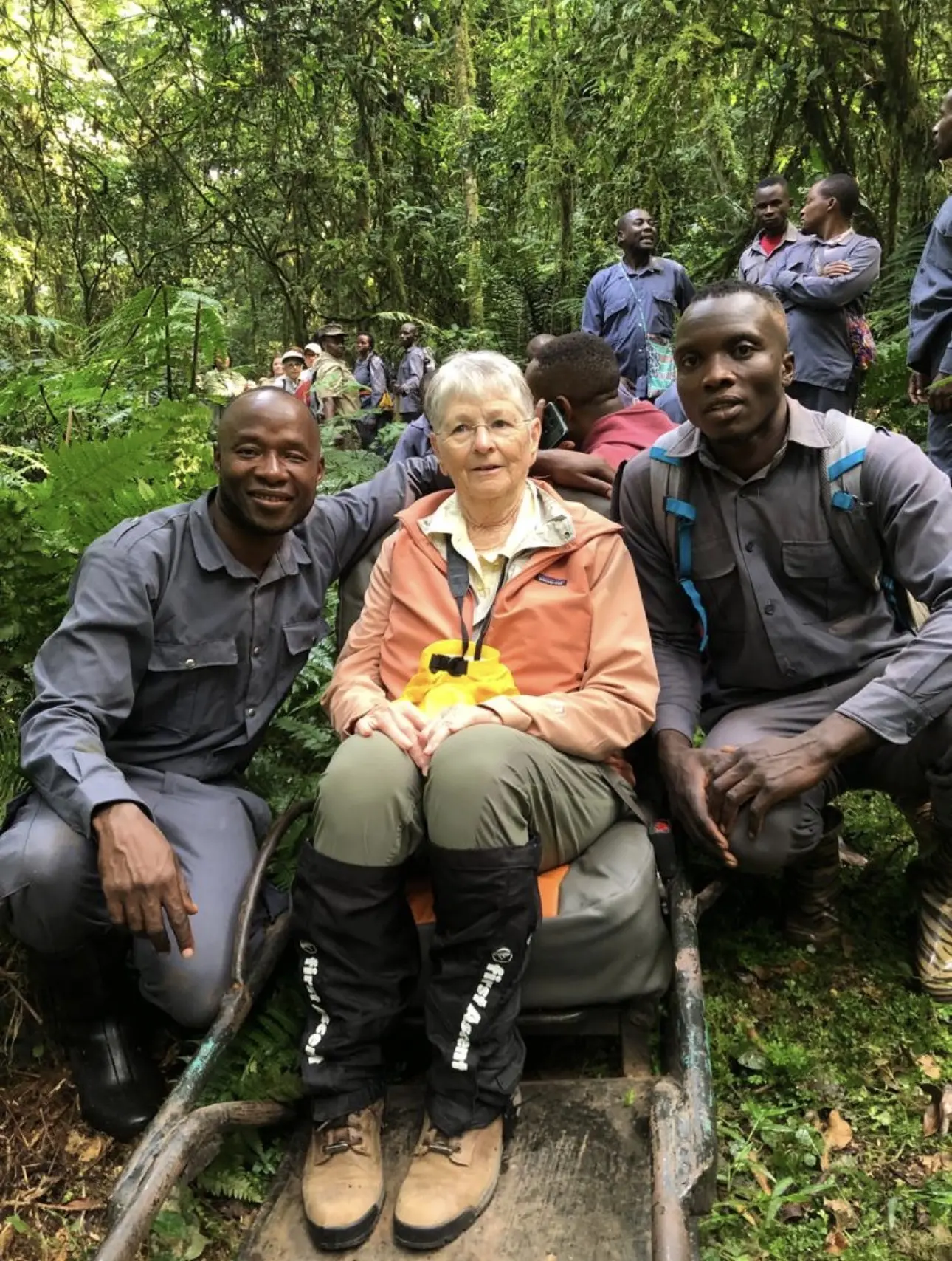
A gorilla family may be relatively close or several hours into steep forest. Rain changes the trail quickly, and altitude can make effort feel different from a familiar walk at home. Allocation considers operational factors and may consider mobility, but an easy route cannot be promised.
Train for steady uphill walking and uneven ground rather than speed. Tell Sail about knees, balance, breathing or recent injuries before permits and lodging are finalised.
02
Dress for protection, not photographs
Long sleeves and trousers protect against vegetation. Gaiters or long socks help around the trouser cuff. Waterproof hiking shoes should already be comfortable; new boots are a poor experiment on trek morning.
Use layers. Forest mornings can be cool, effort creates heat and rain may arrive suddenly. Gloves can help when holding vegetation, while a small waterproof cover protects camera equipment.
03
The briefing and encounter
Park staff explain group behaviour, photography, distance and what to do if a gorilla approaches. These instructions take priority over expectations formed online. Flash photography is not appropriate, and quiet helps everyone experience the encounter.
Illness rules protect gorillas from human infection. If unwell, report it rather than concealing symptoms. Permit terms and park decisions govern whether a trek can proceed.
04
Porters, guides and respect
A porter can carry the daypack and provide a steady hand on slippery slopes. Bring only what is needed, listen to trackers and avoid treating the trek as a race.
Community experiences should be selected for substance and consent, not staged as an accessory to the gorillas.
05
Build recovery into the itinerary
Keep the previous evening settled and the afternoon flexible. Depending on the trek, you may return exhilarated, tired, wet or all three. A well-positioned lodge, warm meal and uncommitted evening are part of good design.
Questions travellers ask
Useful answers, before you decide.
What does the permit cost and when should it be booked?
US $800 per person in Uganda (US $600 in the April, May and November low season) and US $1,500 in Rwanda, under the tariffs current in August 2026 and always confirmed at booking. Permits are limited to eight guests per gorilla family each day, so six to twelve months ahead is realistic for peak dates and preferred sectors.
How fit do I need to be?
You should be comfortable walking for several hours on uneven, sometimes steep ground. Trek length varies, so honest preparation and early mobility disclosure matter.
Can I use a walking stick?
Park teams commonly provide or permit suitable support, and porter assistance can be invaluable. Current guidance should be confirmed locally.
What camera should I take?
Take equipment you can carry and operate without disrupting the group. Fast lenses help in low forest light; flash should not be used. Protect gear from rain.