
The short answer
What to know first.
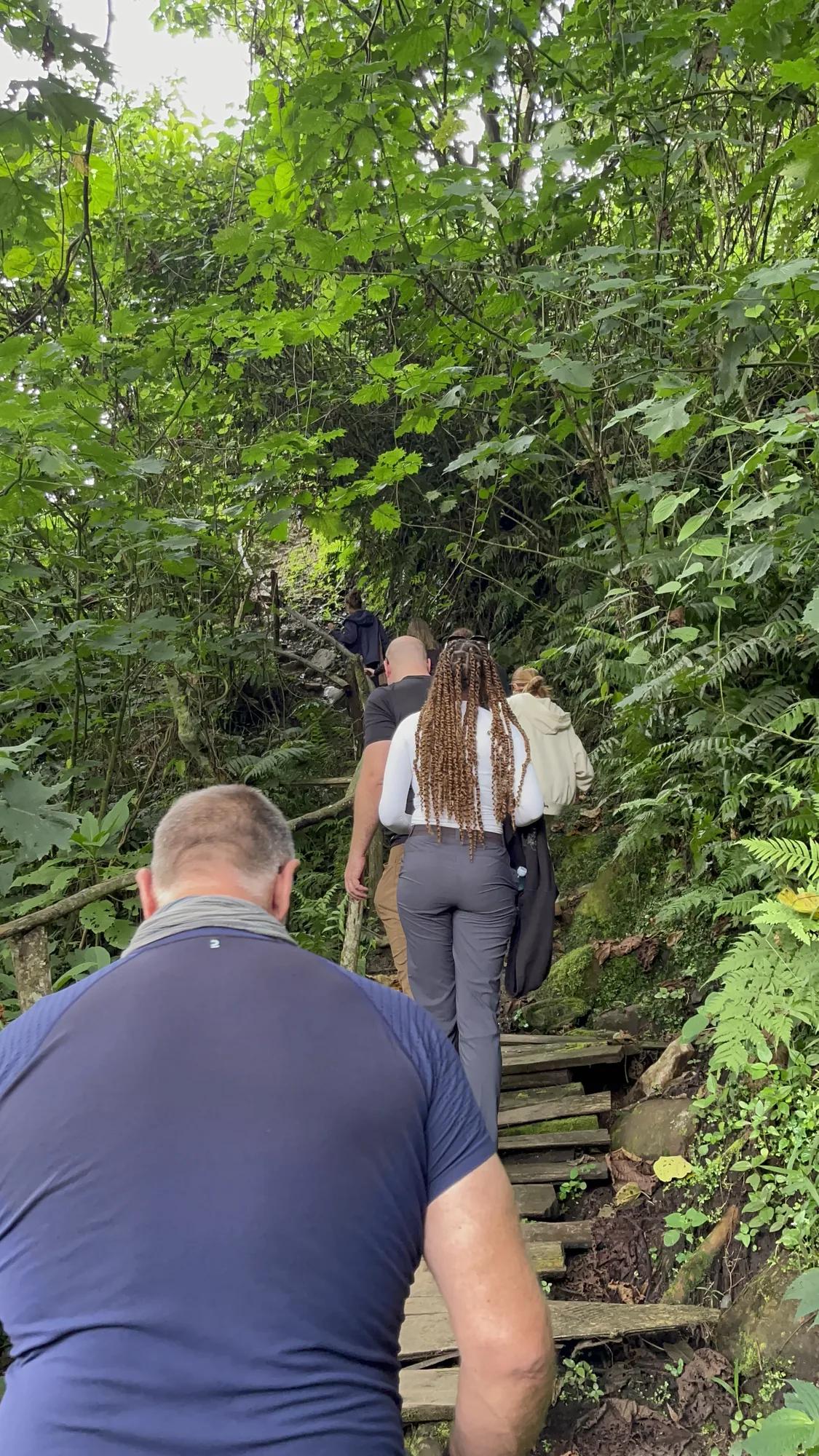
Gorilla trekking is a walk of unknowable length on steep, uneven, often muddy mountain ground at altitude: the families move, and the trek lasts as long as reaching them takes, from under an hour to most of a day. Most reasonably active people manage it, and honest disclosure beforehand makes the morning better, not smaller: knees, balance, breathing, recent illness and real walking habits all shape pace, porter support and, where the park allows, which family group is attempted. Porters are arranged ahead and carried-chair support exists in some sectors, confirmed at booking. Sail puts the honest brief on the file early and builds the morning around the actual walker.
At a glance
The planning brief.
The honest brief
Steep, uneven, sometimes muddy ground for as long as the forest requires. There is no timed walk.
Disclosure helps
Knees, balance, breathing and recent illness shape pace and, where the park allows, allocation.
Porters and support
Porters are arranged ahead; carried-chair support exists in some sectors and is confirmed at booking.
Sail verifies
Mobility notes with the park team, porter numbers and the right sector for the walker.
01
What the walk really is
The trek begins after a dawn briefing and follows the rangers toward where the gorilla family was last located, on paths that are sometimes cut as you walk. The ground is steep and uneven, the air thinner than home, and the weather changes its mind. Nobody can promise a short walk or threaten a long one: the family's overnight movement writes the morning.
The hour with the gorillas, once reached, asks very little physically; it is the reaching that varies. That asymmetry is the whole reason preparation and support matter, because the reward at the top is the same for every walker.
02
Disclosure shapes the morning
The briefing questions are not gatekeeping; they are design inputs. Knees that dislike descents, a heart or breathing condition, recent illness, a walker who strolls daily versus one who does not: each honest answer shapes pace, rest stops and porter support, and in some parks the rangers can consider it when allocating groups for the morning, where distance estimates exist.
What disclosure never does on a well-run file is shrink the journey. It moves support into place early: the right sector chosen months out, the lodge nearest the likely briefing point, and a plan that assumes the walker's real body rather than an optimistic one.
03
Porters and carried support
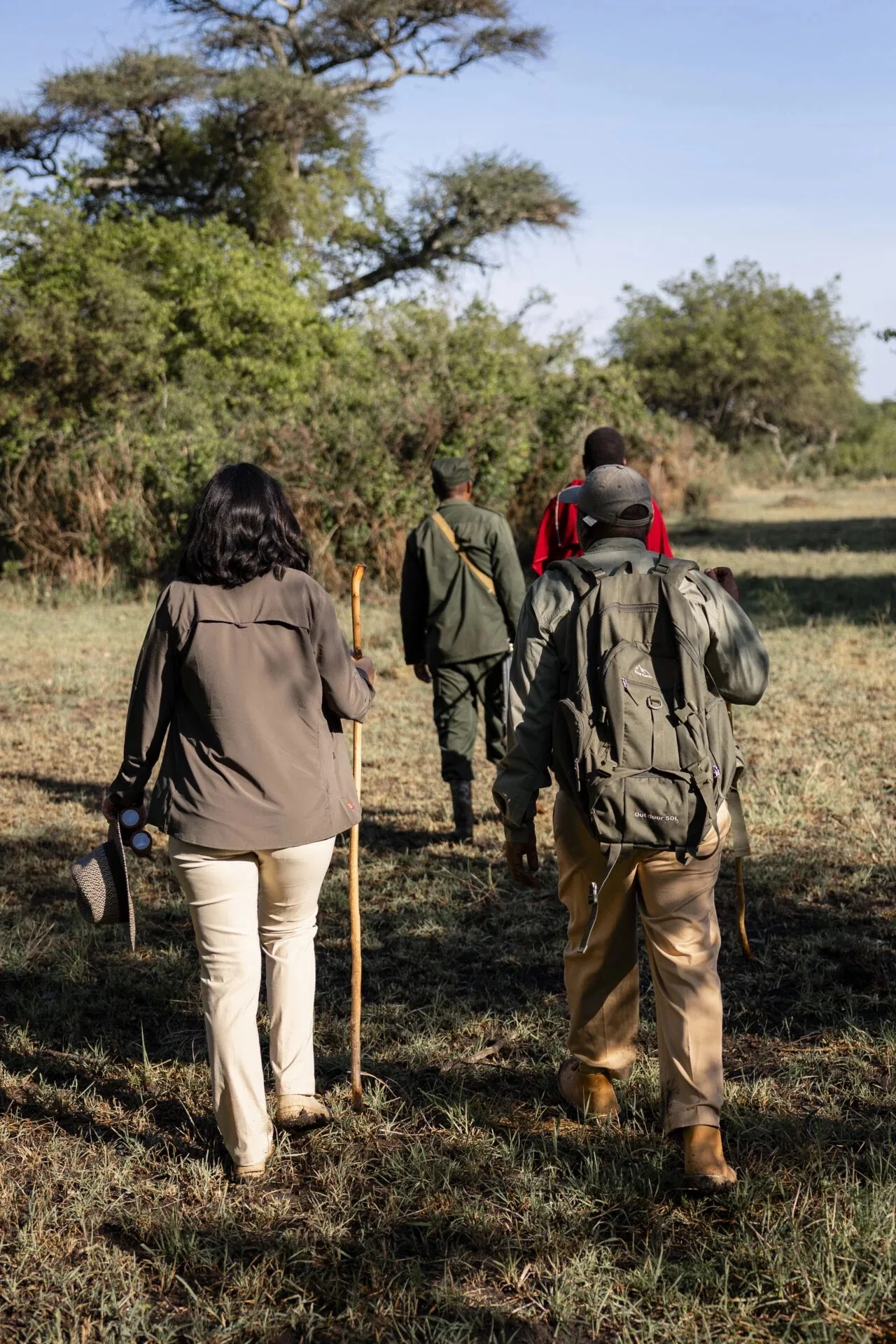
Hiring a porter is the single best decision most trekkers make: a local porter carries the daypack, offers a steadying hand on the awkward stretches and turns a grinding climb into a supported one. Porters are arranged before the morning, and hiring them puts trekking income directly into the communities around the forest.
For travellers who cannot walk the distance, carried-chair support, a stretcher-style chair borne by a local team, exists in some sectors and has put people in front of gorillas who had ruled the experience out. Availability, terms and suitability are confirmed at booking for the specific sector, never assumed.
04
Preparing in the months before
The best preparation is ordinary and starts early: regular walking on real hills or stairs, done consistently in the shoes the trek will see, so boots are broken in and ankles are used to uneven ground. Poles help on descents and are easily arranged; gloves for gripping vegetation cost little and earn much.
Illness near the trekking date is disclosed, not soldiered through: the authorities protect the gorillas from human infection, and a visibly unwell trekker can be turned back at briefing. The honest conversation beforehand, with the permit rules on the table, always beats the hopeful silence.
Questions travellers ask
Useful answers, before you decide.
How fit do I need to be?
Reasonably active is enough for most treks: steady walking on hills or stairs in the months before is the best preparation. The honest answer for your body is a conversation, and the design then fits the morning to it.
Should I hire a porter?
Almost always yes. A porter carries the daypack, steadies the awkward stretches and puts income into the communities around the forest. Porters are arranged before the morning, not scrambled at the trailhead.
What if I cannot walk long distances at all?
Carried-chair support exists in some sectors and has made the morning possible for travellers who had ruled it out. Availability and terms are confirmed at booking for the specific sector.