
The short answer
What to know first.
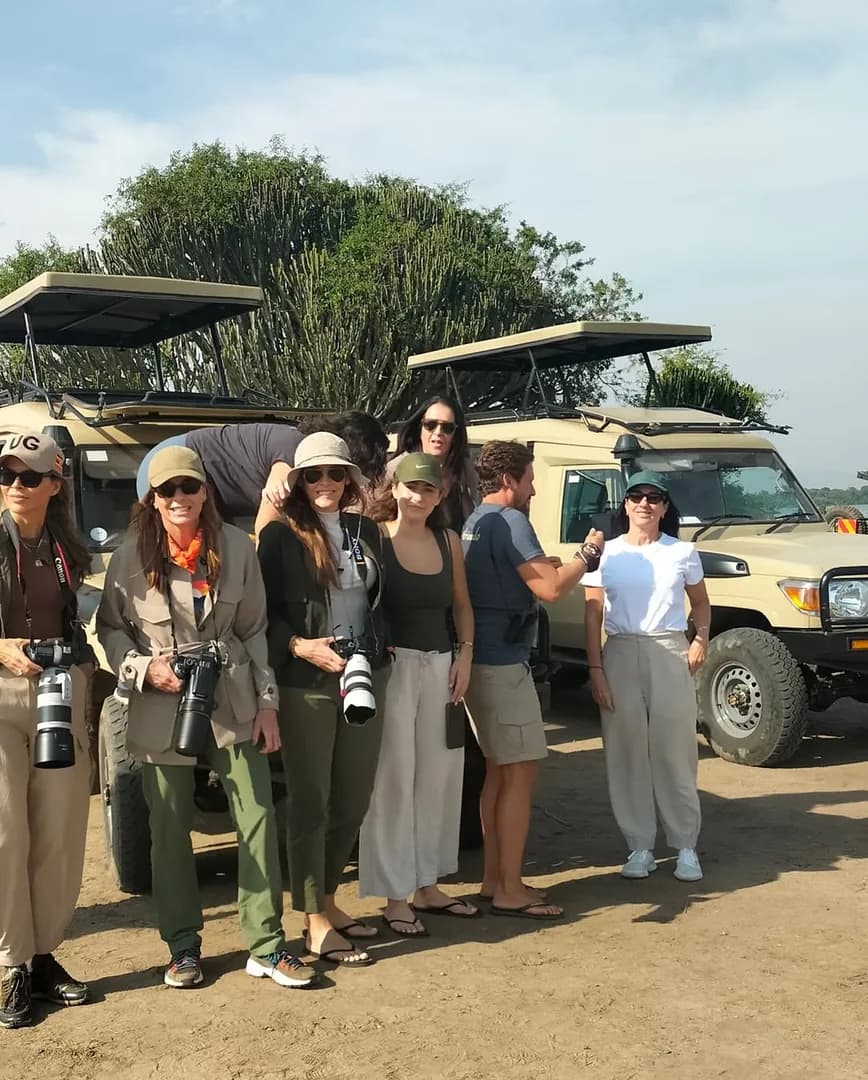
In Uganda, eight guests visit a habituated gorilla family per day: a park rule set by the Uganda Wildlife Authority, not an operator preference, and not for sale. Your trekking group is therefore at most eight visitors plus the rangers, trackers and porters who make the morning work, and the hour with the family is shared among those eight alone. Rwanda's Volcanoes National Park operates its own group limits under RDB rules, confirmed for the actual dates at booking. A party of eight can book a family's full daily allocation and walk together, which is the honest version of a private trek in Uganda; anything sold as more private than the rule allows is sold falsely.
At a glance
The planning brief.
The number
Eight guests per habituated family per day in Uganda: a park rule, not an operator choice.
On the trail
Rangers, trackers and porters join the walk, so the trail party is larger than eight; the hour with the family is not.
Rwanda's version
Volcanoes operates its own group limits under RDB rules, confirmed for the actual dates at booking.
Sail verifies
Allocation for the party's size, and honest language where a whole-family booking is requested.
01
The rule and where it comes from
The eight-guest allocation is conservation arithmetic: habituated families tolerate a measured daily dose of human presence, and the authorities set that dose deliberately. It binds every operator equally, from the smallest local outfit to the grandest name, which is precisely its value.
The number governs guests, not the whole trail: rangers lead, trackers move ahead, porters carry, and a full trekking party is comfortably larger than eight people walking. The rule protects the hour at the family, where only the eight visitors and their escort stand.
02
What it means for your morning
Travelling as a couple or a small group, you will likely share your family with strangers who become, by mid-morning, comrades: the shared climb does that reliably. Groups are assembled at briefing, and the rangers balance them sensibly across the day's families.
For a party of exactly eight, the arithmetic turns elegant: book the family's full allocation and the morning is yours alone. Larger parties span families or mornings, a design decision covered in the family permit journal.
03
Privacy, honestly framed
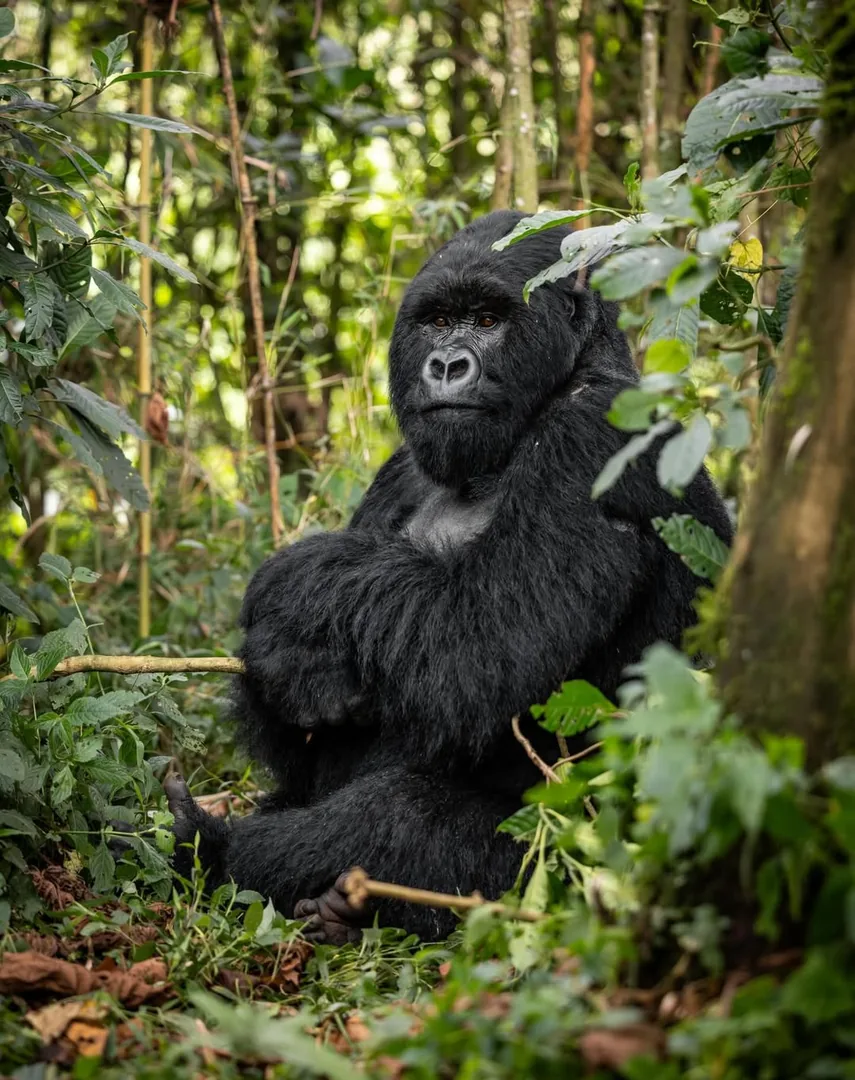
The eight-guest rule is the foundation of every honest privacy conversation. In Uganda, a private gorilla family does not exist at any price: the rule is the rule. What exists is the full-allocation booking, which is genuine and bookable and often the right answer for a multi-generational party.
Rwanda's system has carried private arrangements at various times, and anything of that kind is confirmed against the live RDB product for the actual dates rather than sold from memory. The discipline is the same in both countries: state the rule, then design within it.
04
Designing around the number
A couple who want the quietest possible hour are placed thoughtfully: shoulder-season dates and less-pressured sectors lower the briefing-point bustle even though the family allocation stays eight. The rule cannot be bought; the atmosphere around it can be designed.
And for guests to whom the number matters most, the honest advisory is the habituation experience, where different rules and longer hours apply under their own conditions, or the full-allocation booking with friends worth sharing a silverback with.
Questions travellers ask
Useful answers, before you decide.
Can we pay for a completely private gorilla trek in Uganda?
No. Eight guests per family per day is a park rule and is not for sale. A party of eight can book a family's full allocation and walk together, which is the honest equivalent.
Do children count toward the eight?
Every visitor aged 15 and over holds a permit and counts. Under-15s cannot trek at all, so the question resolves itself at the eligibility line.
How many people are on the trail in total?
More than eight: rangers, trackers and porters join the walk. The allocation governs the guests at the family, not the working team around them.