
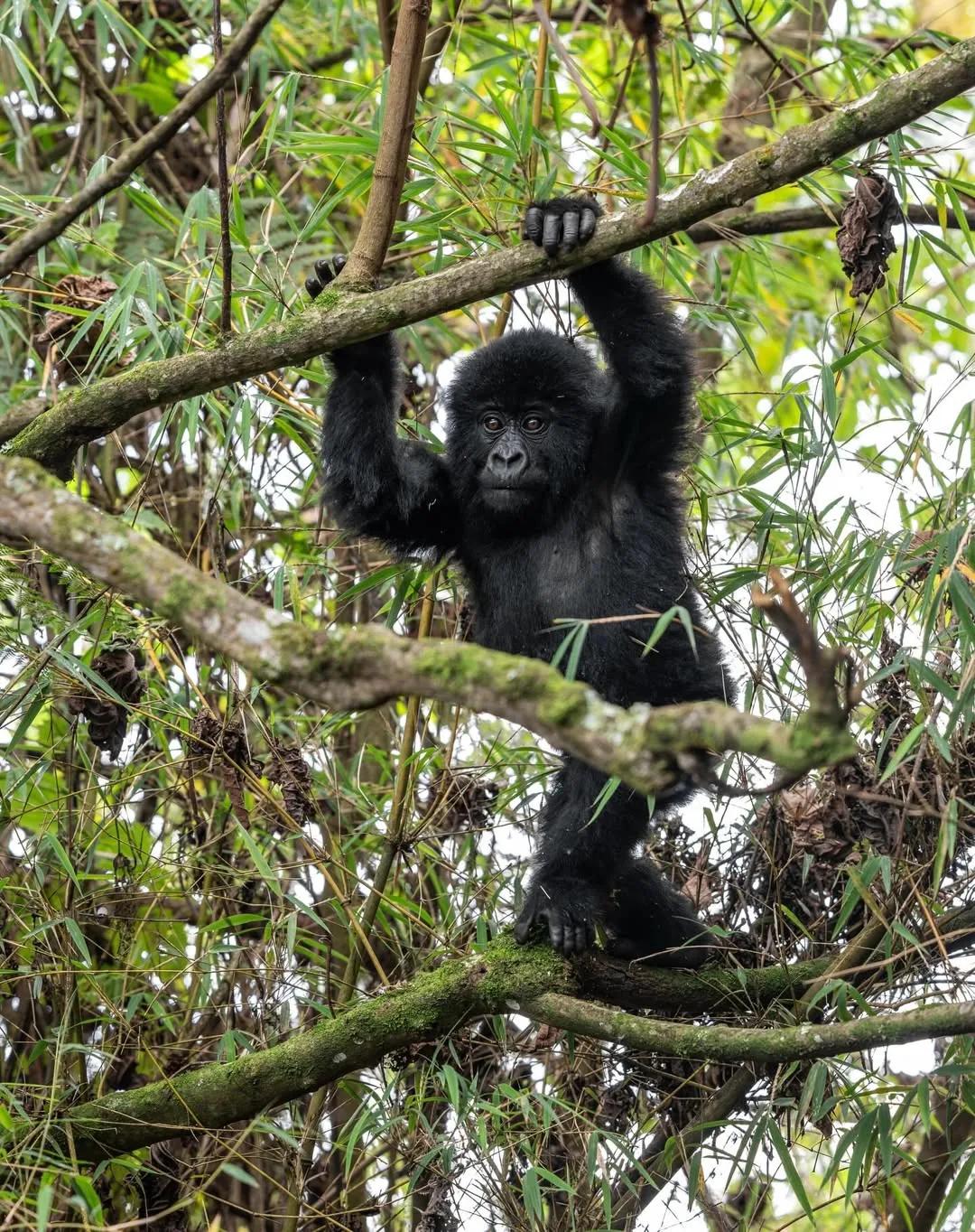
The short answer
What to know first.
Buy one gorilla permit per traveller who will be 15 or over on the day of the trek, and none for anyone younger: under-15s cannot trek in Uganda or Rwanda, and there are no spectator places on the mountain. Two parents with a 16-year-old and a 12-year-old therefore need three permits, plus a properly designed morning for the 12-year-old. Because Uganda allocates eight visitors per gorilla family per day, a large eligible party may span more than one family or more than one morning. Sail checks every age against the passport for the actual trekking date, secures the right count and plans the non-trekking half of the family with the same care.
At a glance
The planning brief.
Count the eligible
One permit per traveller aged 15 or over on the trekking date. Nobody else joins the trek.
The under-15s
No permit, and a designed morning instead. Do not buy hopeful spares.
Eight per family
A large eligible party may span more than one gorilla family or more than one morning.
Sail verifies
Ages against passports, the split across families or dates, and the whole plan before payment.
01
The rule that does the counting
Both Uganda and Rwanda set the gorilla trekking minimum at 15, and the age that matters is the traveller's age on the trekking date, taken from the passport the permit is issued against. A 14-year-old who turns 15 mid-journey can trek after the birthday, not before it, which occasionally decides the direction a whole route runs.
There is no accompanying place, no child rate and no waiting spot at the trailhead: a traveller either holds a permit and treks, or holds a different plan. Counting is therefore a single pass down the passport list: everyone 15 or over on the day gets a permit, nobody else does.
02
Eight guests per gorilla family
Uganda allocates eight visitors per habituated gorilla family per day, and that allocation is a park rule rather than something a rate card can buy around. A party with nine or more eligible trekkers will span at least two gorilla families, which can mean two briefing points, different walk lengths and different return times to the same lunch table.
Where the party would rather trek together in spirit if not in fact, the alternative is splitting across two mornings on the same family's sector, which costs an extra night and a second permit date. Which split serves the family better is a design decision, made before permits are paid rather than discovered at the briefing.
03
The under-15 half of the plan
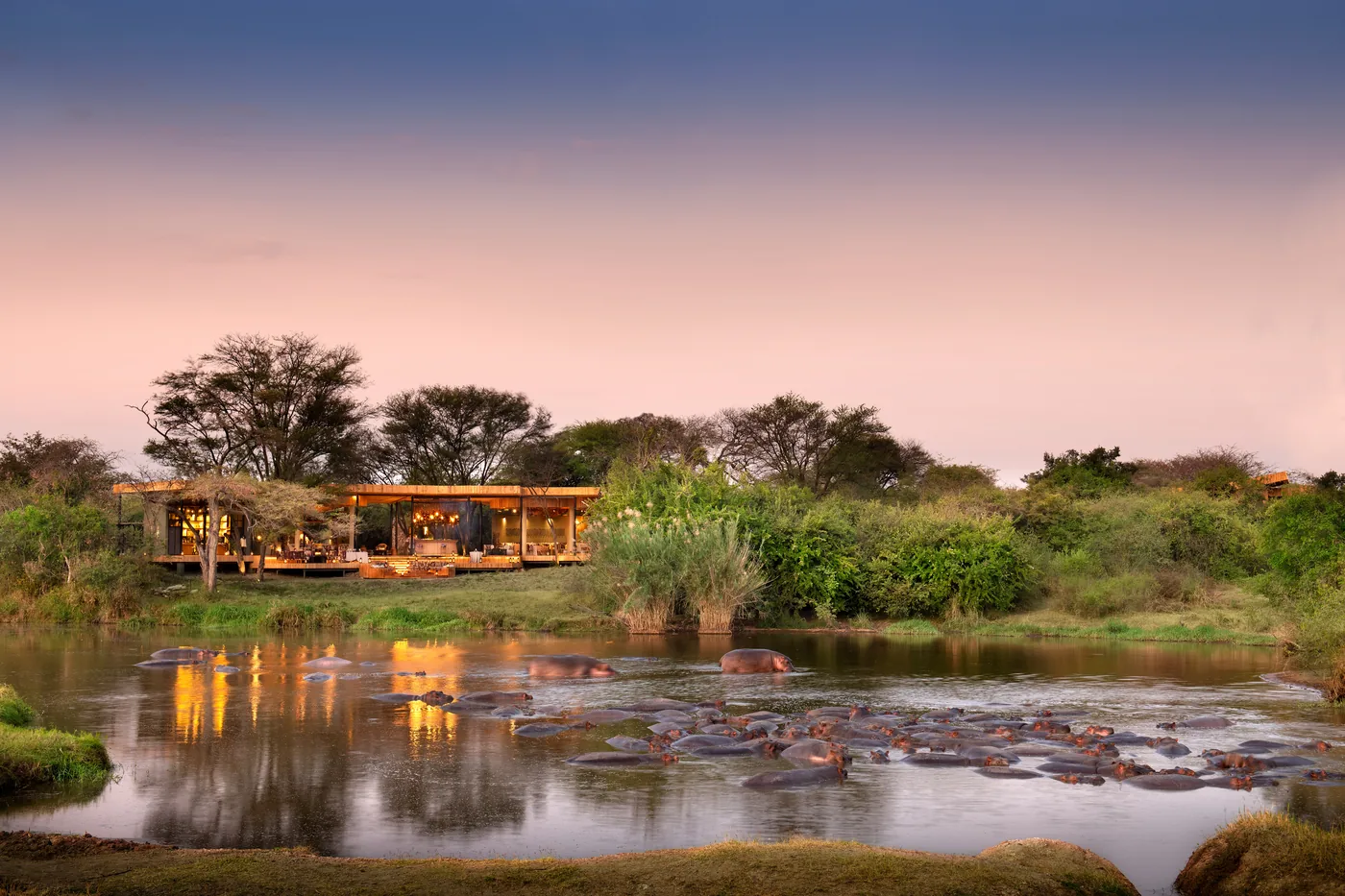
The travellers who cannot trek are not a footnote; their morning is planned to the same standard as the permits. A named adult from the party or a lodge arrangement confirmed in writing holds the children, and their hours hold something real: a guided walk, the kitchen, a community visit, or golden monkeys where current park minimums allow, confirmed at booking rather than quoted from memory.
Buying a hopeful spare permit for an under-15 does not work: the rule is an age rule, not a capacity rule, and no permit changes a birthday. The honest design puts that money into the children's morning instead.
04
Paying, naming and locking the dates
Permits are issued against passport details for a specific park, sector and date, and Uganda's system locks dates on full payment. The family's permits should be secured as one instruction so the whole eligible party lands on the same morning, or on the deliberately chosen split, rather than on whatever separate bookings happened to find.
Current tariffs, and any conditions attached to the specific season, are confirmed at booking. What never changes is the order of operations: ages verified first, the split designed second, payment last.
Questions travellers ask
Useful answers, before you decide.
Our daughter turns 15 during the trip. Can she trek?
Yes, if the trekking date falls on or after the birthday shown in her passport. The authorities work from the passport, so the route is sequenced to put the trek after the birthday where the family wants her included.
Can we buy an extra permit so our 13-year-old can come along?
No. The minimum is an age rule, and there are no spectator places on a trek. The better use of the morning is a properly designed alternative, planned as carefully as the adults' permits.
We are ten eligible trekkers. Do we trek together?
Not as one group in Uganda: eight visitors per gorilla family per day is the allocation. The party spans two families on one morning, or two mornings on one sector, and the choice is made at design time.