
The short answer
What to know first.
A Volcanoes National Park week with children under fifteen is designed as two parallel programmes under one roof. The adults' programme is the trek, governed by RDB's rules: permits secured against live availability, the fifteen-and-over line absolute, the briefing morning protected. The children's programme is built with the same seriousness: golden monkey trekking where current minimum ages allow, confirmed with the authority at booking rather than assumed; garden, craft and community mornings of the kind the volcanoes' foothills do beautifully; and lodge time that feels like privilege rather than parking. A named adult stays with the children on trek morning, agreed at design. The week can then continue into Uganda if the family's brief wants a second country, with the border day planned under the same buffer rules as any dual-country file. No minimum age is guessed, no sighting is promised, and every tariff is confirmed at booking.
At a glance
The planning brief.
The age line
Gorilla trekking is fifteen and over in Rwanda as in Uganda. A Volcanoes week with younger children plans two parallel mornings.
The children's week
Golden monkeys where current minimum ages allow, gardens, craft and lodge time: designed with the same care as the trek.
The named adult
A specific adult stays with the children on trek morning, agreed at design, never negotiated at the lodge.
Sail verifies
Current RDB minimum ages for every activity at booking, and the exact shape of the children's days.
01
The age line and what it frees
Fifteen is the gorilla line in Rwanda as in Uganda, counted at the trek date and checked against passports. A family with an eleven and a thirteen-year-old is not a problem file; it is a two-programme file, and naming that early frees the design from pretence.
The adults trek under RDB's system: one briefing point, families and trailheads assigned on the day, fitness weighed at allocation. The children's week is planned in parallel from the first draft, not sketched the evening before, and the difference between those two approaches is the difference between a plan and an apology.
02
The children's mornings
Golden monkeys are the headline where current minimum ages allow: fast, sociable troops in the bamboo belt, a genuine trek in miniature, confirmed against RDB's current rules at booking because activity minimums move. It is the morning that lets the children come home with their own primate story.
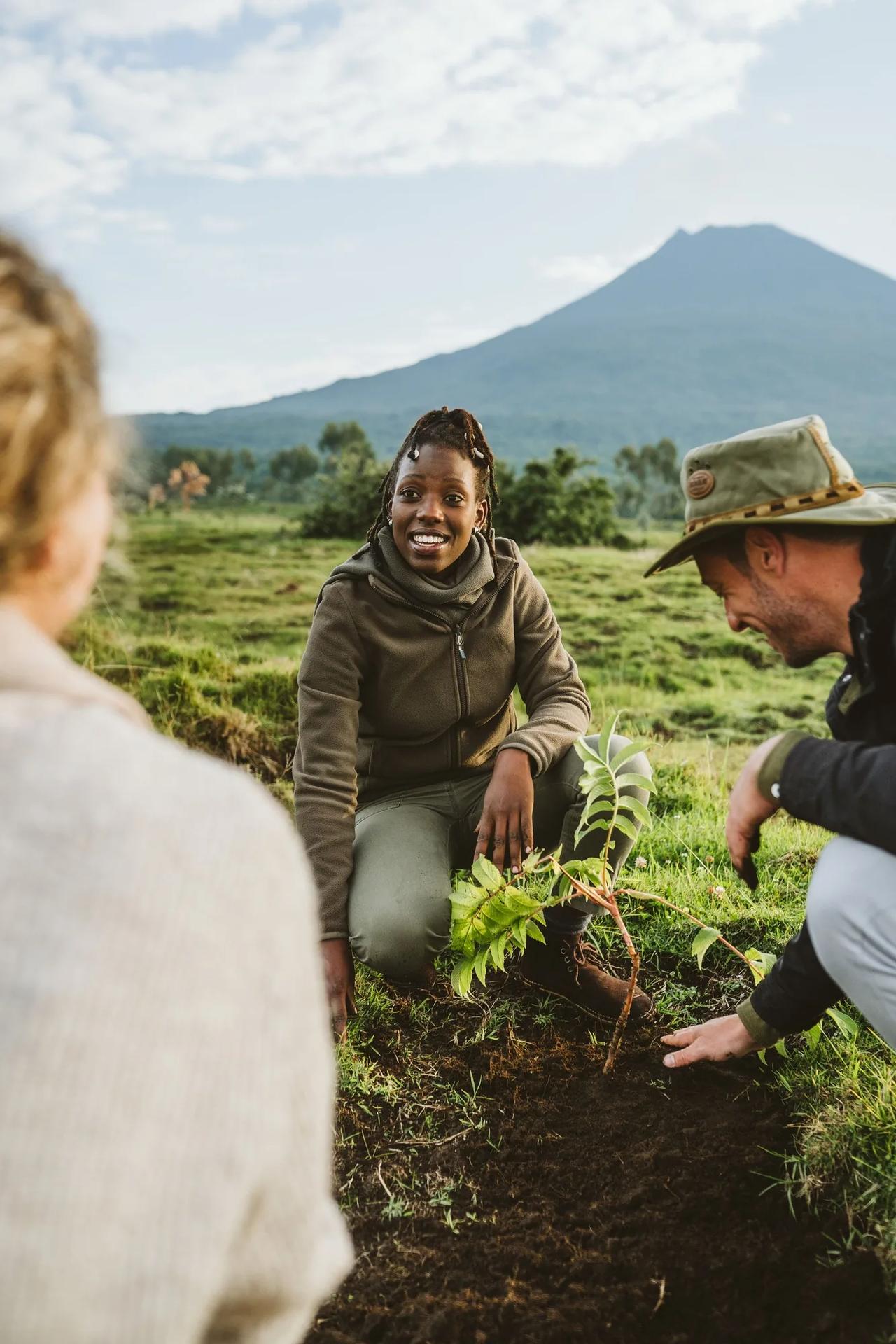
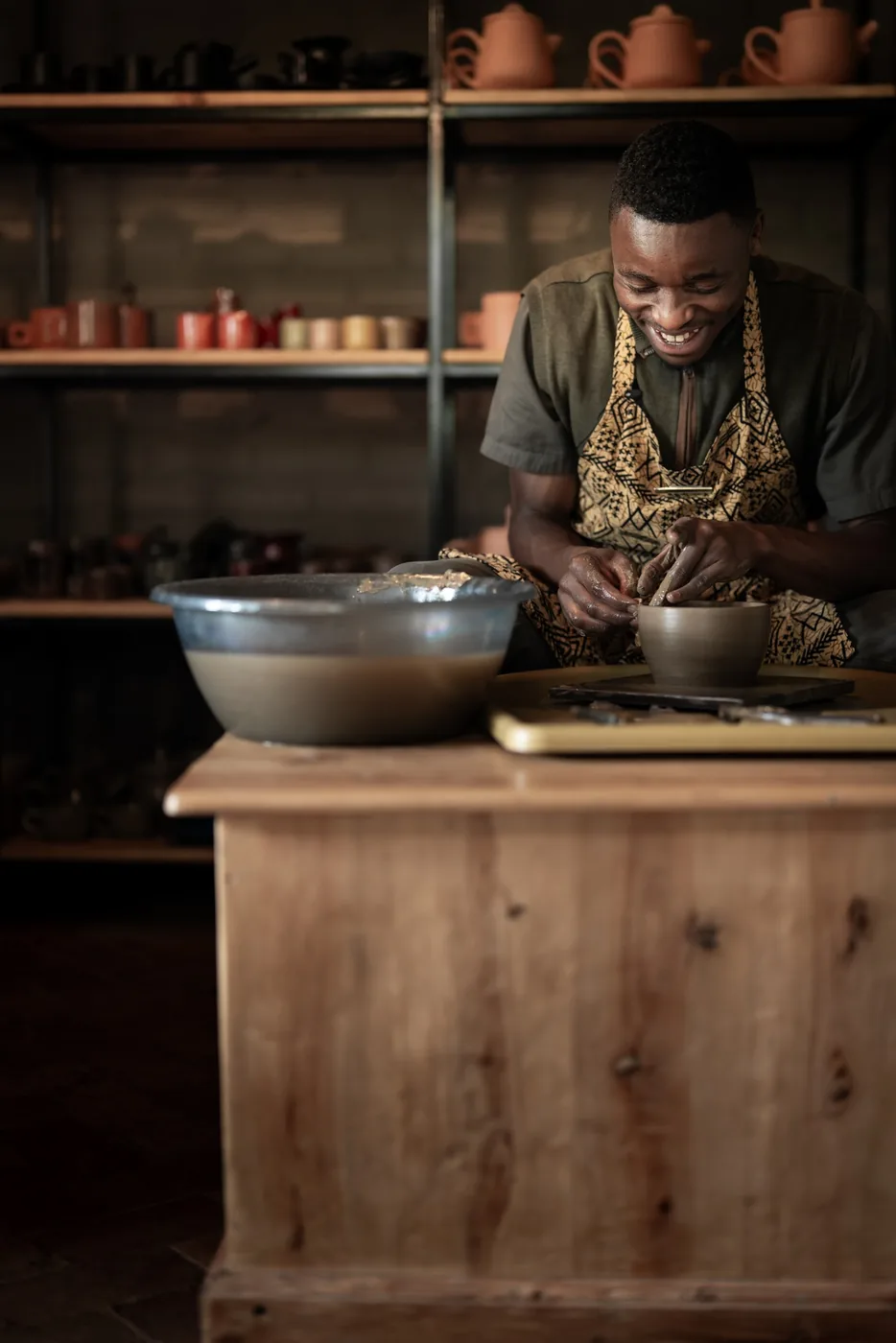
Around it, the foothills offer designed days rather than filler: nursery gardens and tree planting, craft workshops with real artisans, cycling on quiet volcano roads, and community visits arranged with named hosts. Each is booked ahead, with the same operational care the trek receives.
03
Trek morning, run twice
On the adults' trek morning the file runs two operations at once. The adults leave early for the briefing with the ground team; the children begin their own morning with the named adult who stays, a decision made at design so nobody negotiates over breakfast about who loves whom enough to miss the gorillas.
The named adult need not lose the trek entirely: with permits and days arranged, adults can trek on different mornings across the week, each taking a turn with the children. That shape costs planning, not magic, and it is exactly the kind of arithmetic a DMC exists to do.
04
Extending the week
A Rwanda base does not fence the family in. The week extends naturally across Cyanika into Uganda's southern gorilla country, where an older teenager's first trek can crown a return chapter, or toward Akagera when the family wants savannah inside one country and one visa.
Whatever the extension, the rules travel with the file: borders never sit against briefing mornings, ages are checked against the actual activity list, and the children's programme is designed to the last day. The week ends with two sets of stories that belong to the same journey.
Questions travellers ask
Useful answers, before you decide.
Can children under fifteen do golden monkey trekking in Rwanda?
Golden monkey minimum ages sit below the gorilla line and are set by RDB, so Sail confirms the current rule for the actual dates at booking rather than quoting a remembered number. Where ages allow, it is the children's flagship morning.
Who stays with the children while the adults trek?
A named adult agreed at design, supported by the lodge and Sail's ground team. Files can also be shaped so adults trek on different mornings and each takes a turn.
Is a Rwanda gorilla week worth it if half the family cannot trek?
Yes, when the children's programme is designed rather than improvised: golden monkeys, gardens, craft and volcano country carry a genuine week. The families who leave happiest are the ones who planned both programmes.