
The short answer
What to know first.
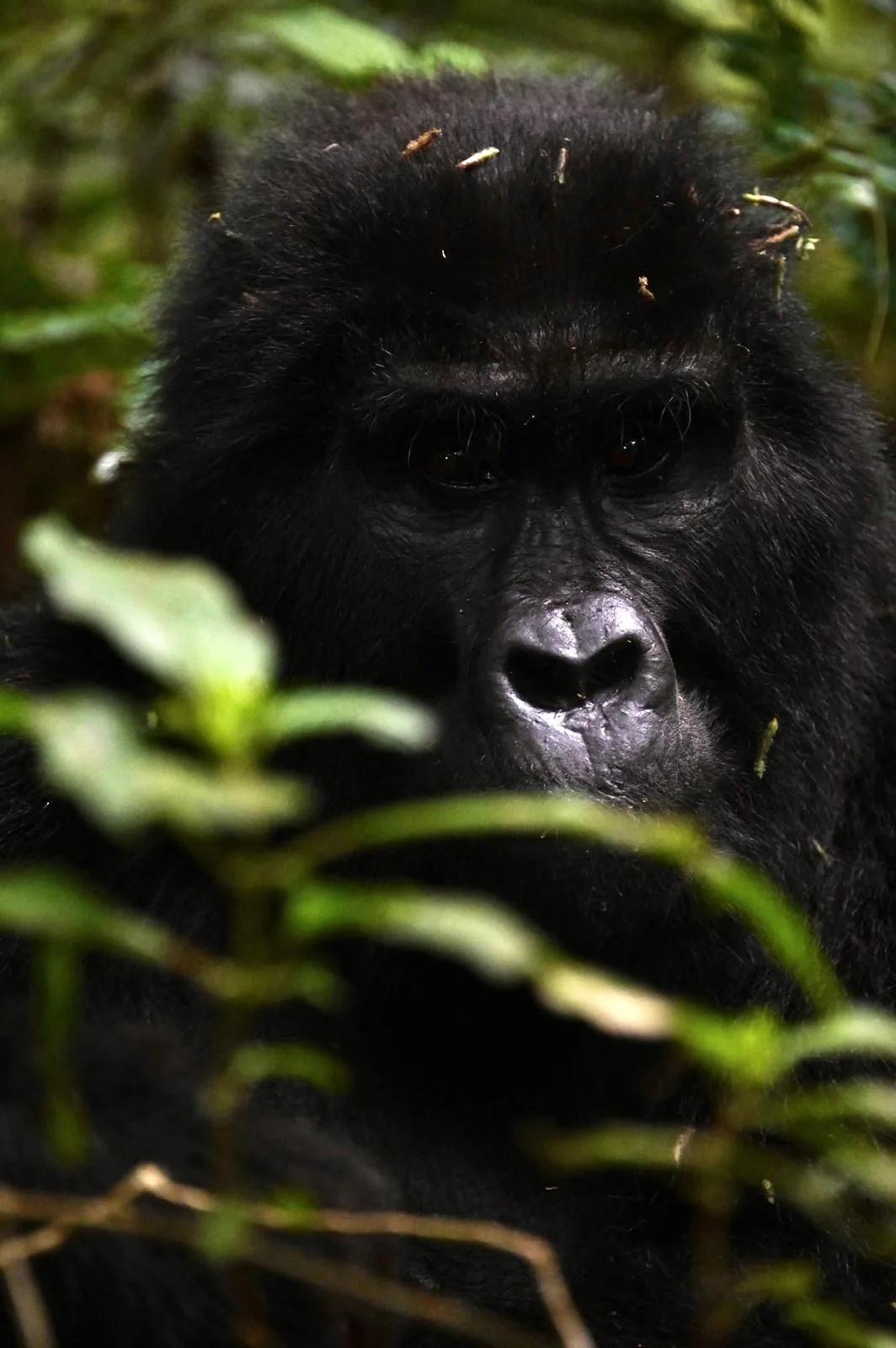
Both are excellent mornings; the chooser is what the journey still lacks. A second gorilla trek deepens the same experience, often from a different sector or with a different family, and costs a second permit plus another early start on mountain legs. A Kibale chimpanzee day adds a different experience entirely, faster and louder, with a lower minimum age of 12, but sits a genuine travel day from Bwindi. Sail weighs the two against the route's real hours and the party's legs, checks availability for both, and never ranks one animal above the other: they are different chapters, not competitors.
At a glance
The planning brief.
The real question
A second gorilla morning deepens the same experience; a Kibale chimpanzee day adds a different one.
Time and legs
Bwindi to Kibale is a genuine travel day. A second Bwindi trek costs a permit; Kibale costs distance.
Ages differ
Gorillas are 15 and over; Kibale chimpanzee tracking is 12 and over. That alone can decide a family file.
Sail verifies
Permit availability for both mornings, the honest road time between them, and recovery either side.
01
What a second gorilla morning gives
A second trek is rarely a repeat. A different sector or family changes the walk, the terrain and the encounter; some travellers also weigh the habituation experience, which spends longer with a family under research conditions and is covered separately. Photographers in particular value a second morning: the first is often spent simply absorbing it.
The costs are plain: a second permit, a second dawn, and a second walk of unknowable length on legs that have already done one. The design answer is a rest day between treks, which turns the pair into a chapter rather than an endurance event.
02
What a Kibale day gives instead
Kibale is a different forest with a different tempo: chimpanzees travel fast and low, the tracking is kinetic, and the morning feels fully awake in a way the gorilla hour does not try to be. For families, the minimum age of 12 opens the morning to travellers the gorilla rule excludes.
The cost here is distance. Bwindi to Kibale is a genuine travel day through western Uganda, so the chimpanzee option belongs to routes already heading that way, through the crater lakes and Queen Elizabeth country, rather than to a quick doubling back.
03
The honest comparison
Put plainly: a second trek suits journeys that want depth and have permit budget; Kibale suits journeys that want breadth and have road time. Neither is the greater wildlife experience, and any desk that ranks them is selling a preference as a fact.
Fatigue is the quiet decider. Two gorilla treks in three days is a real physical ask; a Kibale day between savannah chapters spreads the effort differently. The party's honest condition, not ambition, should write the plan.
04
How Sail builds it
Both options are checked live before either is promised: gorilla permits by sector and date with UWA, chimpanzee permits for Kanyanchu's tracking windows, with current tariffs and conditions confirmed at booking rather than quoted from memory.
The route then does the deciding. A westward circuit that passes Kibale makes the chimpanzee day almost free in time; a journey holding three Bwindi nights with a spare morning makes the second permit the natural spend. The map, honestly read, usually answers the question itself.
Questions travellers ask
Useful answers, before you decide.
Is a second gorilla trek worth the permit?
For travellers who felt the first hour end too soon, almost always. A different sector or family makes it a new morning, and a rest day between treks keeps it a pleasure rather than a test.
Can we do gorillas and chimpanzees on one journey?
Yes, and it is a classic western Uganda shape: Bwindi for the gorillas, Kibale for the chimpanzees, with the road between them treated as its own travel day.
Which is better for children?
Kibale, as a rule: chimpanzee tracking is open from 12, while gorilla trekking is 15 and over in both Uganda and Rwanda. The ages are checked against passports for the actual dates.