
The short answer
What to know first.
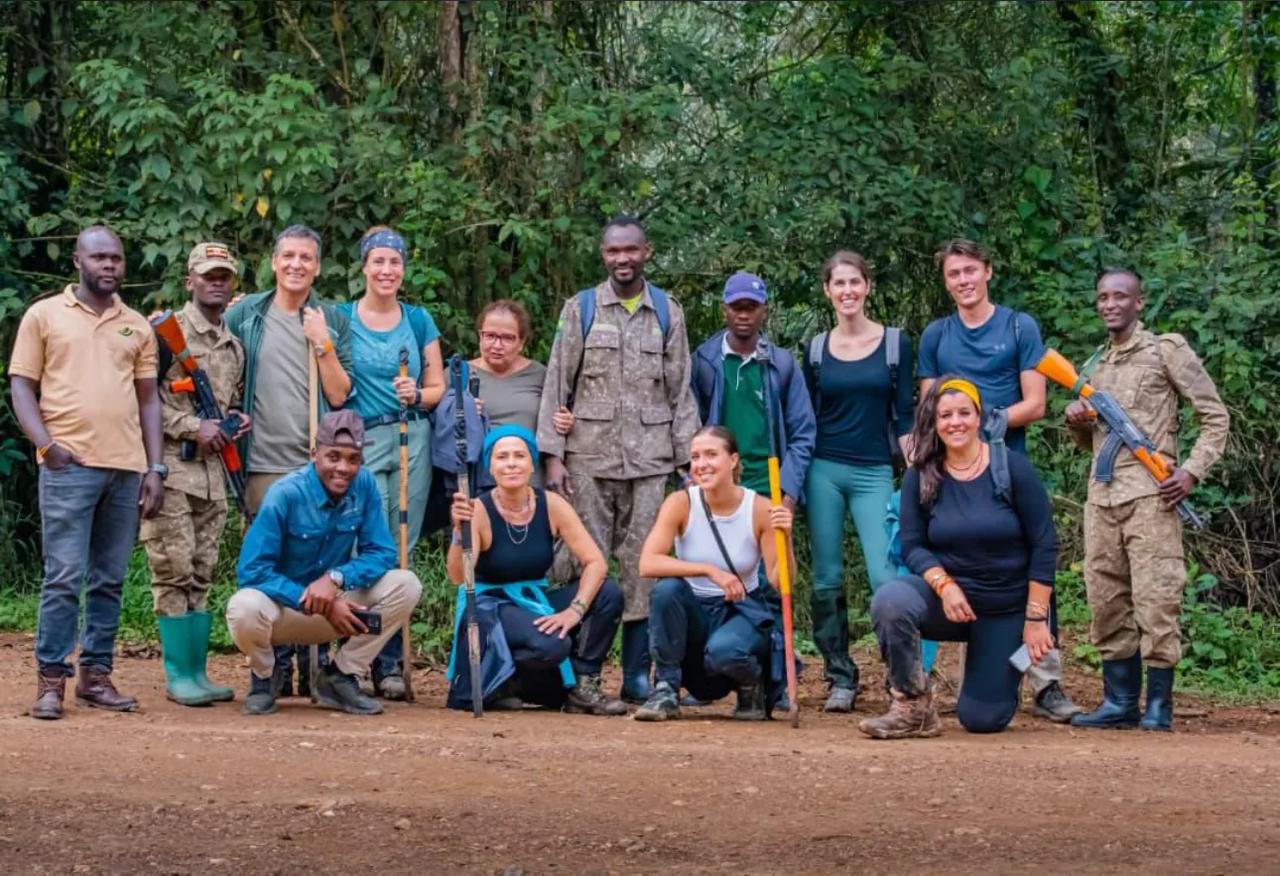
Stay where you slept. The day after a gorilla trek belongs in the same sector, without a vehicle transfer in it: guided forest walks and waterfall trails that need no UWA permit, birding that rewards Bwindi's Albertine Rift specials, community visits with named partners, or simply a lodge morning with nowhere to be. Legs recover, the trek settles into memory, and the journey moves on a day later with everything intact. The one thing the rest day should never contain is a long road.
At a glance
The planning brief.
Stay in the sector
The rest day belongs where you slept. No vehicle transfer improves the day after a trek.
Forest without a permit
Guided forest walks, birding and waterfall trails hold a morning without UWA inventory.
Community time
Named partners around Bwindi offer afternoons that mean something beyond a viewpoint.
Sail verifies
Which walks and visits run in your sector and season, booked with the lodge before arrival.
01
Why the day after matters
A gorilla trek can be an hour's walk or most of a day on serious ground, and nobody knows which until it happens. Planning a transfer for the following morning bets the journey's comfort on the forest's mood. The rest day removes the bet.
There is also the quieter reason: the hour with the family needs somewhere to land. Guests who stay a day describe the trek differently, because the experience had an afternoon and an evening to become a story rather than a stop.
02
Forest time without a permit
Bwindi is not only its gorillas. Guided walks along waterfall and ridge trails run from the sectors without gorilla permits, led by rangers and community guides, and they show the forest at a pace the trek never allows. Orchids, primates other than gorillas, and the architecture of the canopy get their hour.
For birders, the day is the argument: the Albertine Rift endemics around Ruhija and beyond reward a dedicated morning, and serious birders should plan the extra night for exactly this reason rather than squeeze binoculars into trek day.
03
Community afternoons that mean something
Around Bwindi, community experiences run from craft cooperatives to walks led by Batwa guides, and the difference between a meaningful visit and an awkward one is who hosts it and how it is arranged. Sail books through named partners, brief the hosts hold themselves, so the afternoon is an exchange rather than an exhibit.
These visits also answer a question guests often carry out of the forest: what the permit money and the tourism around it actually build. Seeing that at ground level completes the morning.
04
Or, honourably, nothing
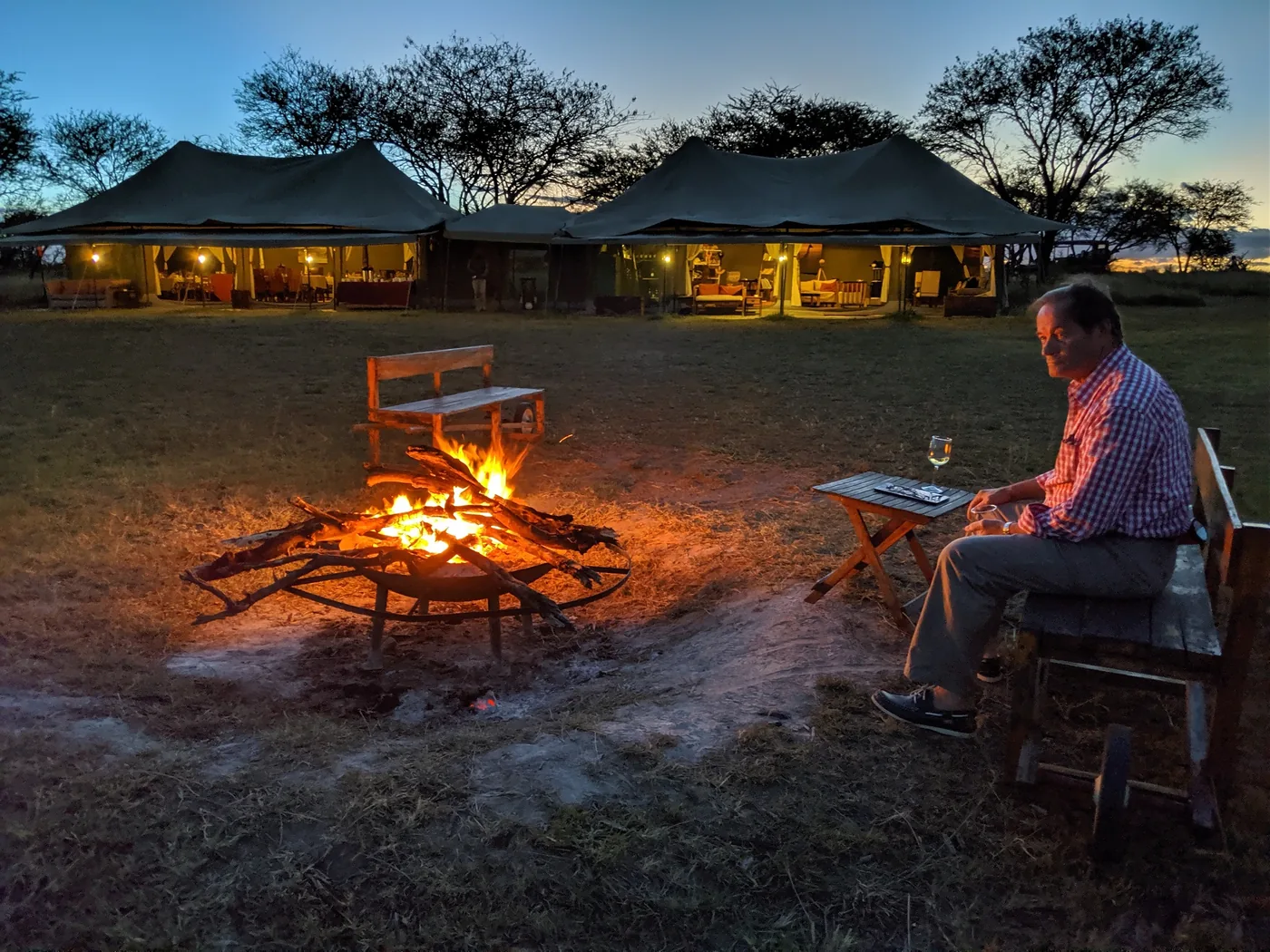
A lodge balcony facing the forest, tea arriving unasked, legs stretched by the fire: doing nothing in Bwindi is not wasted time, it is the region's most underrated experience. The itinerary should say so explicitly, because guests permit themselves rest only when the plan does.
The journey resumes the next morning, with the road or airstrip met by a party that is glad of it rather than braced for it.
Questions travellers ask
Useful answers, before you decide.
Can we do a second gorilla trek instead?
Where permits allow, yes, as its own decision with its own cost and energy. For most journeys one trek plus a genuine rest day serves better than two treks back to back.
Is the rest day worth it for non-birders?
Yes. Forest walks, community time and simple recovery justify it for every party; birding is the bonus that makes the case unanswerable for some.
What if the itinerary genuinely has no spare night?
Then the transfer after the trek should be short and start late, and nothing with a dawn call should sit on the next day. But the honest fix is usually one fewer stop elsewhere.