
The short answer
What to know first.
A Tanzania safari price is the sum of four visible parts, and once they are named the mystery disappears. The camp tier is the largest: across Sail's 2026/27 contracted rates, characterful mid-range camps plan at roughly 300 to 650 US dollars per person sharing per night, the premium tier at roughly 650 to 1,100, and the top tier at roughly 1,200 to 2,500, with flagship suites beyond that; green-season rates commonly run twenty to thirty-five per cent below the high-season figures. The fee layer is fixed and public: TANAPA's current VAT-inclusive tariff charges the Serengeti at 82.60 US dollars per person per day of entry plus 70.80 per person per night of concession fee, with Tarangire and Manyara near 53 plus 47.80, and the Ngorongoro Conservation Area, a separate authority, at 70.80 per person per day plus a 295-dollar per-vehicle crater service fee. The vehicle is 400 to 450 US dollars per day for a private Land Cruiser with driver-guide at Sail's current rates, shared across the party, or internal flights replace road days on flying circuits. Put together, private high-season journeys commonly plan at 550 to 850 US dollars per person per day at mid-range, 900 to 1,400 at premium, and 1,600 upward at the top, two sharing. These are planning bands checked against Sail's rate master in August 2026, not quotes: a live itinerary priced for your dates replaces them within a day.
At a glance
The planning brief.
Four visible parts
Camp tier per night, the authorities' published fees, the vehicle or flights, and the season. Nothing else moves the total much.
The fee layer is fixed
TANAPA and NCAA publish the figures; they are identical on every operator's quote and passed through at cost on Sail files.
The tier is the decision
The same route operates at three honest levels; the planning bands below show what each actually costs per night.
Bands, then a quote
The bands are checked against Sail's 2026/27 rate master; a live quote for real dates replaces them within a day.
01
The four parts of every price
Every Tanzania quote, ours or anyone's, is built from the same four components: accommodation per night, the authorities' fees, ground and air transport, and season. Operators differ in the rates they have contracted and the margin they apply, but the anatomy never changes, which is why a page like this can be honest without pretending one number fits every journey.
What follows states each part with current figures where the figures are public or ours to publish, and bands where only a live quote can be exact. Everything here was checked in August 2026 against TANAPA and NCAA published tariffs and against Sail's 2026/27 rate master of more than one hundred and twenty contracted Tanzanian properties; all of it is reconfirmed at booking, because fees and rates are their owners' to change.
02
The camp tier: where the money really goes
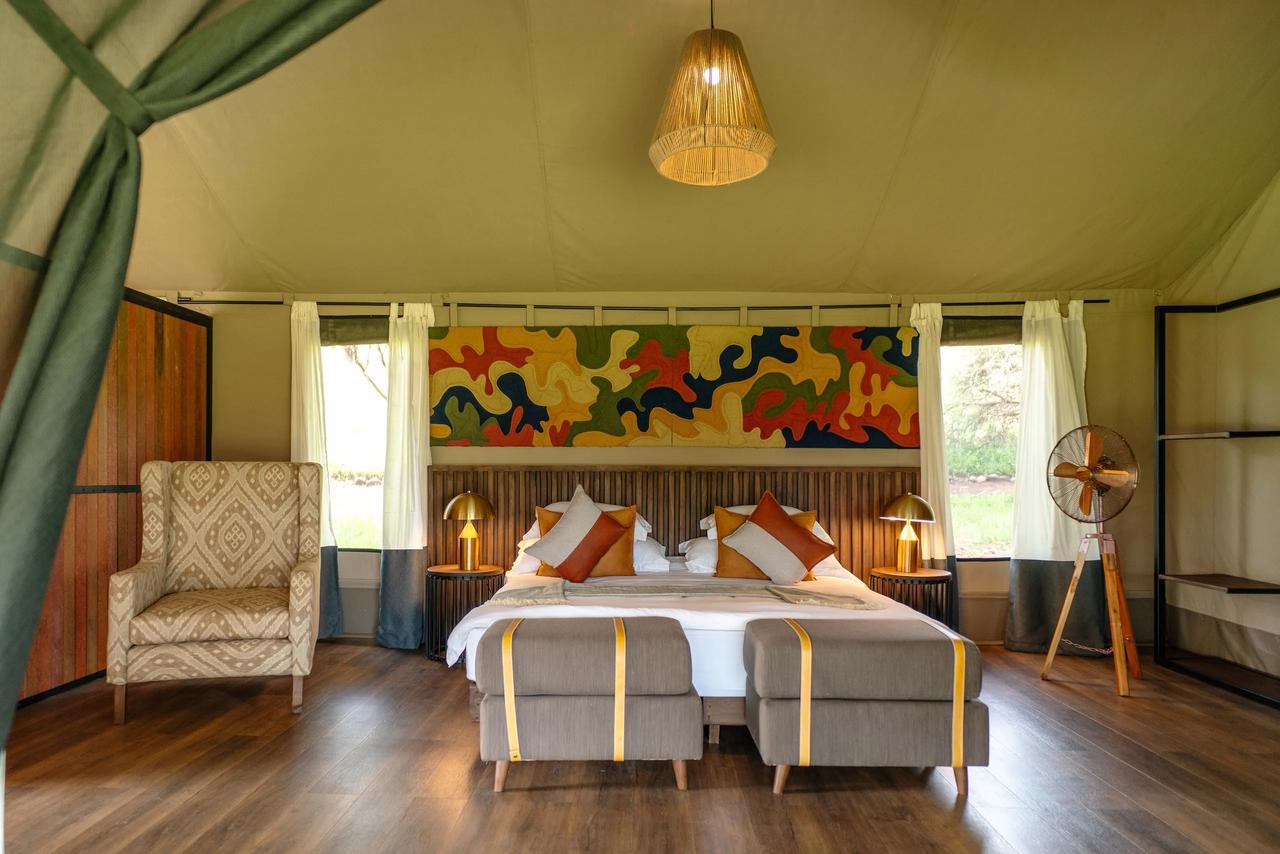
Accommodation is the largest and most controllable line. Tanzania's camp market divides into three honest levels, and the same route can be operated beautifully at any of them; what changes is space, polish, position and the depth of service, never the animals outside the vehicle.
From Sail's 2026/27 contracted rack rates, per person sharing per night: characterful mid-range camps and lodges plan between roughly 300 and 650 US dollars; the premium tier, where most of our files sit, between roughly 650 and 1,100; and the top tier from roughly 1,200 to 2,500, with a handful of flagship houses and private villas beyond 3,000. Green-season rates run commonly twenty to thirty-five per cent below these high-season figures, which is the quiet arithmetic behind every green-season recommendation we make.
Mid-range, per person sharing per night
Roughly US$300 to 650 at 2026/27 rack rates: genuine comfort, en-suite canvas or cottages, shared or private vehicles by design.
Premium, per person sharing per night
Roughly US$650 to 1,100: the classic top camps of each region, superb guiding, most files include private vehicles.
Top tier, per person sharing per night
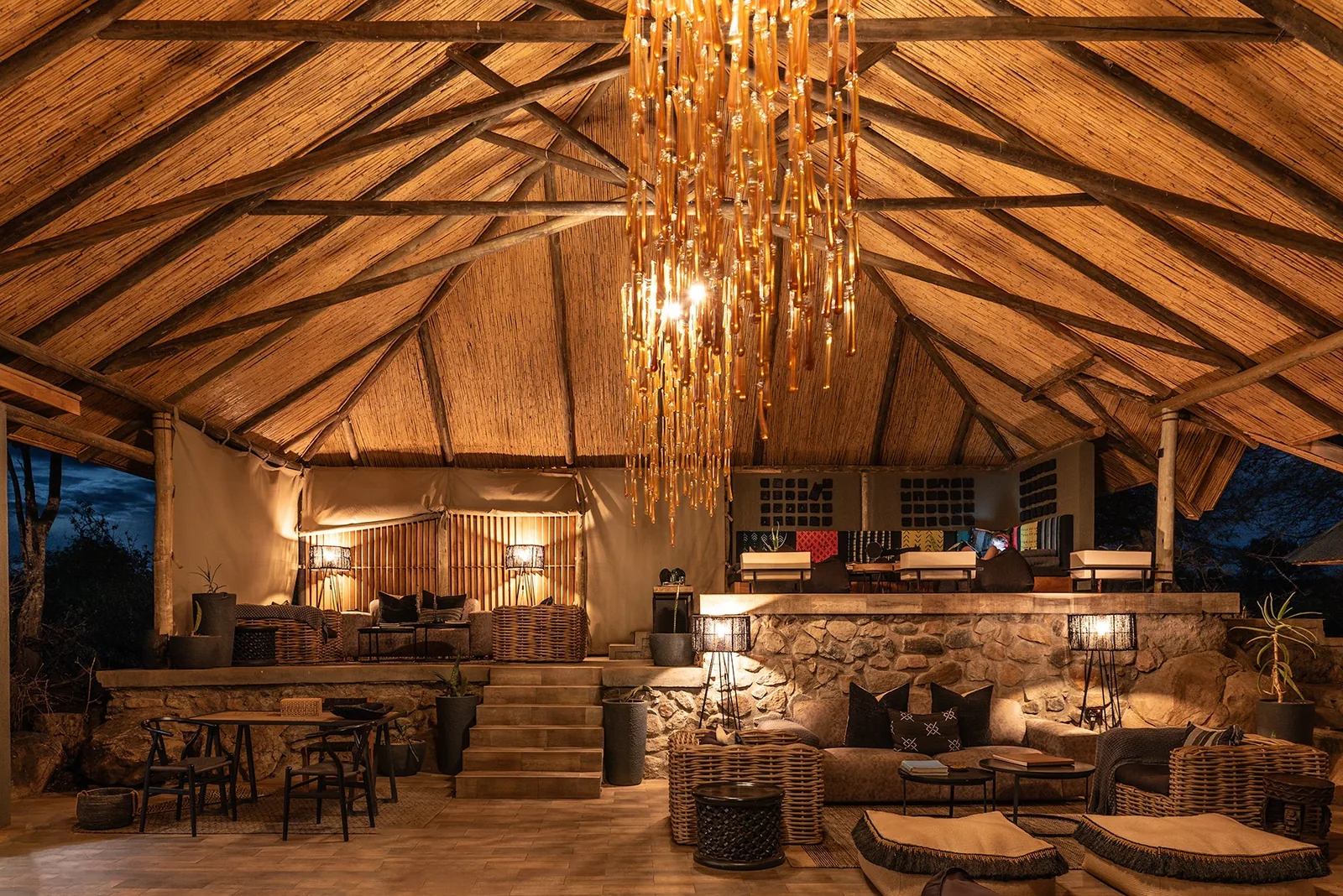
Roughly US$1,200 to 2,500, flagships beyond 3,000: the ecosystem's most exclusive houses, often with conservation concessions attached.
03
The fee layer: published, fixed, passed through
Park and concession fees are set by the authorities, published, and identical on every honest quote; on Sail files they appear as pass-through lines at cost. Under TANAPA's current VAT-inclusive non-resident tariff, the Serengeti charges 82.60 US dollars per person per day of entry plus 70.80 per person per night of concession fee where you sleep inside the park. Tarangire and Lake Manyara run near 53 per day plus 47.80 per night; Nyerere matches the Serengeti's figures; Ruaha sits lower at 35.40 and 35.40, part of the southern circuit's value story.
The Ngorongoro Conservation Area is a separate authority, the NCAA, charging 70.80 US dollars per person per day plus a crater service fee of 295 dollars per vehicle per descent, and a transit fee applies when driving through to the Serengeti. A worked example makes the layer concrete: two people spending three Serengeti nights and one crater day carry roughly 330 dollars each in Serengeti entry and concession fees, 71 each for the Ngorongoro day, and half of the 295-dollar vehicle fee, before any camp or vehicle cost. Fees change when the authorities change them, which is why every Sail quote restates them fresh.
04
Vehicles, guides and flights
Ground transport at Sail's current rates is a private closed pop-up-roof Land Cruiser with an English-speaking driver-guide at 400 US dollars per calendar day, or 450 with a guaranteed window seat for every guest, fuel and unlimited safari mileage included; the cost divides across the party, which is why parties of four feel it lightly and couples feel it honestly. A specialist photographic or birding guide adds 100 dollars per day where a file wants one.
Flying circuits replace road days rather than simply adding cost: scheduled light-aircraft legs between Arusha and the Serengeti's strips are priced per seat by the carriers and quoted live. The honest comparison is total journey shape: a road circuit buys the landscapes between parks and a single vehicle throughout; a flying circuit buys days and reach, and suits shorter files and the southern circuit especially.
05
Season, party size and the other quiet levers
Season moves the total more than any lever except tier. Sail's default bands, supplier seasons permitting, treat mid-December to mid-March and June to October as high season, with the green months between them running commonly twenty to thirty-five per cent lower on accommodation; fees do not fall, which is why green-season value shows most at the premium and top tiers.
Party size divides the vehicle line; children's policies help families genuinely, with our standard treatment, property rules permitting, of under-threes free, ages three to six free when sharing, and ages seven to fourteen at half rate sharing. Single travellers carry a supplement that varies by property and season and is always stated plainly. From the Sail operations desk, checked August 2026: the commonest budget surprise is none of these, it is the airport day at each end, which deserves a modest line of its own.
06
Worked planning bands, and what replaces them
Putting the parts together for a private high-season journey, two sharing, all fees and a private vehicle included: mid-range files commonly plan at 550 to 850 US dollars per person per day; premium files at 900 to 1,400; top-tier files at 1,600 to 2,800 and beyond, where flagship houses and private guiding carry the number with them. Green-season equivalents commonly run a quarter lower. International flights, visas, insurance and gratuities sit outside these bands, and gratuities follow current custom rather than any published tariff.
These are planning bands, dated August 2026 and drawn from Sail's own rate master, published so that your budget conversation can start honestly; they are not quotes, and they will drift as the authorities and properties adjust. The number that replaces them is a NETT or retail itinerary priced for your actual dates, which the desk turns around within a day, with every fee shown as its own line.
Questions travellers ask
Useful answers, before you decide.
Why do Tanzania quotes differ so much between operators?
Mostly camp tier, contracted rates and what is genuinely included: the fee layer is identical everywhere. Compare quotes by nights, tier and inclusions line by line; a total without visible parts is a total hiding something.
Is the green season really worth the saving?
For many travellers yes: accommodation commonly runs twenty to thirty-five per cent below high season, the light is superb and the south holds the calving. Roads and rain are real; our green-season page carries the honest trade.
Are park fees ever negotiable or discounted?
No. TANAPA and NCAA publish the tariffs and every operator pays the same figures; on Sail files they pass through at cost as their own lines. Any quote implying discounted park fees deserves suspicion.
What does a family of four actually save?
The vehicle line divides four ways, and children's rates apply by age under each property's policy, with our defaults of free under three, free sharing at three to six, and half rate sharing at seven to fourteen. A live family quote shows the effect precisely.