
The short answer
What to know first.
Every East African quote carries fee lines, and they belong to three different systems. National-park authorities charge published tariffs: in Tanzania, TANAPA's current VAT-inclusive non-resident rates run 82.60 US dollars per person per day for the Serengeti and Nyerere with 70.80 per person per night in concession fees, roughly 53 and 47.80 for Tarangire and Manyara, and 35.40 both for Ruaha, while the separate NCAA charges 70.80 per person per day for Ngorongoro plus 295 per vehicle per crater descent; in Kenya, the KWS tariff current from its October 2025 schedule sets Amboseli at 90, Tsavo East or West at 80 each, Nakuru at 90, Meru at 70 and Nairobi National Park at 80 to 105. County reserves price their own ground: the Maasai Mara at 200 US dollars per person per day under Narok County, Samburu at 85 per twenty-four hours. Private and community conservancies charge per bed-night, roughly 100 to 140 US dollars in the Mara conservancies and per-conservancy figures in Laikipia (Ol Pejeta near 110, Lewa at 198 day and 126 overnight), flowing to member landowners and conservancy operations. On every Sail file these appear as visible pass-through lines at the authorities' figures, no markup inside them, reconfirmed at booking, because the fees are how rangers are paid and grass stays wild, and because a quote whose fee lines are readable is a quote you can trust everywhere else.
Ask Sail to plan around this answerSee the journeys priced for it
At a glance
The planning brief.
Three systems
National-park tariffs (TANAPA, NCAA, KWS), county reserves (Mara, Samburu) and private conservancy fees each price differently.
Published and fixed
The figures are the authorities' own, identical on every honest quote, and passed through at cost on Sail files.
Per day or per night
Parks mostly charge per person per day; conservancies per bed-night, funding member landowners directly.
Sail verifies
Every fee restated fresh at booking, each as its own visible line, because the authorities change them on their own calendars.
01
Three systems, three logics
The fee landscape confuses because three different logics share one invoice. National parks are state conservation estates: their authorities, TANAPA and the NCAA in Tanzania, KWS in Kenya, publish tariff schedules charging per person per day, plus concession or camping fees per night where you sleep inside. County reserves, the Maasai Mara and Samburu among them, are local-government ground with their own published rates and their own revenue purposes.
Conservancies are the third logic and the newest: private or community land adjoining the parks, where per-bed-night fees fund lease payments to landowning families and the conservancy's own rangers and management. Same invoice, three destinations for the money, and a traveller who can tell them apart reads any quote in the region fluently.
02
Tanzania's current figures
TANAPA's current tariff, VAT-inclusive, non-resident, high season: Serengeti and Nyerere at 82.60 US dollars per person per day of entry, with concession fees of 70.80 per person per night for stays inside; Tarangire and Lake Manyara near 53 entry and 47.80 concession; Ruaha at 35.40 and 35.40, the southern circuit's quiet advantage; walking activities where permitted around 23.60, and night drives at 59 in the parks that allow them, which the Serengeti does not.
The Ngorongoro Conservation Area sits under its own authority, the NCAA: 70.80 US dollars per person per day for time inside the conservation area, which includes Ndutu-side stays, plus the crater service fee of 295 per vehicle per descent, plus a transit fee on the through-road to the Serengeti. All figures are the authorities' current published rates, restated fresh on every Sail quote; our Ngorongoro and Tanzania-cost pages show them working inside real itineraries.
Serengeti and Nyerere
82.60 US dollars per person per day entry; 70.80 per person per night concession for stays inside (TANAPA, VAT-inclusive, non-resident).
Tarangire and Manyara
Around 53 entry and 47.80 concession per the current tariff: the Northern Circuit's gentler fee tier.
Ruaha
35.40 entry and 35.40 concession: the southern circuit's quiet arithmetic advantage.
Ngorongoro (NCAA)
70.80 per person per day inside the conservation area, plus 295 per vehicle per crater descent, plus transit on the through-road.
03
Kenya's current figures
The KWS tariff current from its October 2025 schedule, non-resident: Amboseli at 90 US dollars per person per day; Tsavo East and Tsavo West at 80 each with published combination tickets for multi-park routings; Lake Nakuru at 90; Meru at 70; Nairobi National Park at 80, or 105 packaged with the adjacent orphanage and safari walk. County ground prices itself: the Maasai Mara National Reserve at 200 per person per day under Narok County's current schedule, Samburu at 85 per twenty-four hours.
The conservancy layer completes Kenya: roughly 100 to 140 US dollars per person per night across the Mara conservancies, usually inside the camp rate, and per-conservancy figures in Laikipia, Ol Pejeta near 110, Lewa at 198 for day entry and 126 overnight, each conservancy setting its own. These are the lines that pay landowning families directly, the region's most concrete link between tourism money and land staying wild.
KWS parks (October 2025 tariff)
Amboseli 90; Tsavo East or West 80 each with published combination tickets; Nakuru 90; Meru 70; Nairobi National Park 80 to 105. US dollars per person per day, non-resident.
County reserves
Maasai Mara 200 per person per day (Narok County); Samburu 85 per twenty-four hours. Set and revised by the counties themselves.
Mara conservancies
Roughly 100 to 140 per person per night, usually inside the camp rate, flowing to member landowners and conservancy operations.
Laikipia conservancies
Per-conservancy figures: Ol Pejeta near 110; Lewa 198 day entry, 126 overnight. Each sets its own schedule.
04
What the money does, and how to read a quote
Park tariffs fund the estates themselves: ranger salaries and anti-poaching, roads and airstrips, research and veterinary work, and each authority's published community programmes. Conservancy fees run the newer bargain: monthly lease payments that make wildlife a better landlord than wheat, conservancy rangers, and the grazing plans that keep the land open. Neither is decoration on your invoice; together they are the reason the invoice's destination still exists.
Reading a quote is therefore simple discipline: every fee visible as its own line, at the authority's figure, labelled per day or per night correctly. The units are where errors hide: park entry runs per day or per twenty-four hours depending on the system, concession fees per night, conservancy fees per bed-night, crater services per vehicle, and a quote that mixes the units quietly can misprice a route by hundreds of dollars in either direction. On Sail files that is house rule, fees pass through at cost with no margin inside them, and any quote from anyone that buries fees in a lump deserves one polite question before any deposit: which lines are the authorities', and which are yours? This page is maintained: figures above were checked in August 2026 and are reconfirmed on every file, because the authorities adjust tariffs on their own calendars and honest pages say so.
Questions travellers ask
Useful answers, before you decide.
Why did my two quotes show different park fees for the same route?
They should not: the authorities' figures are identical for everyone. Differences mean one quote is stale, one buries fees in a lump, or the routes differ in nights inside fee areas. Ask for the fee lines separated.
Are fees lower in green season?
Fee tariffs generally hold year-round while some carry published seasonal variations; the green season's savings come from accommodation. Current figures for your dates are restated at booking.
Do children pay park and conservancy fees?
The authorities publish child and student rates below adult figures, varying by system and age; conservancies set their own child policies. A family file's fee lines show each traveller's actual rate.
How often does this page's information change?
It is a maintained page: checked August 2026, rechecked when any authority publishes changes and at minimum quarterly. The date at the top is the promise; your quote is the live truth.
Signature Journeys for this answer
The fees are inside these prices.
Every journey below is priced complete, with park, concession and conservancy fees passed at cost and named on the quotation.
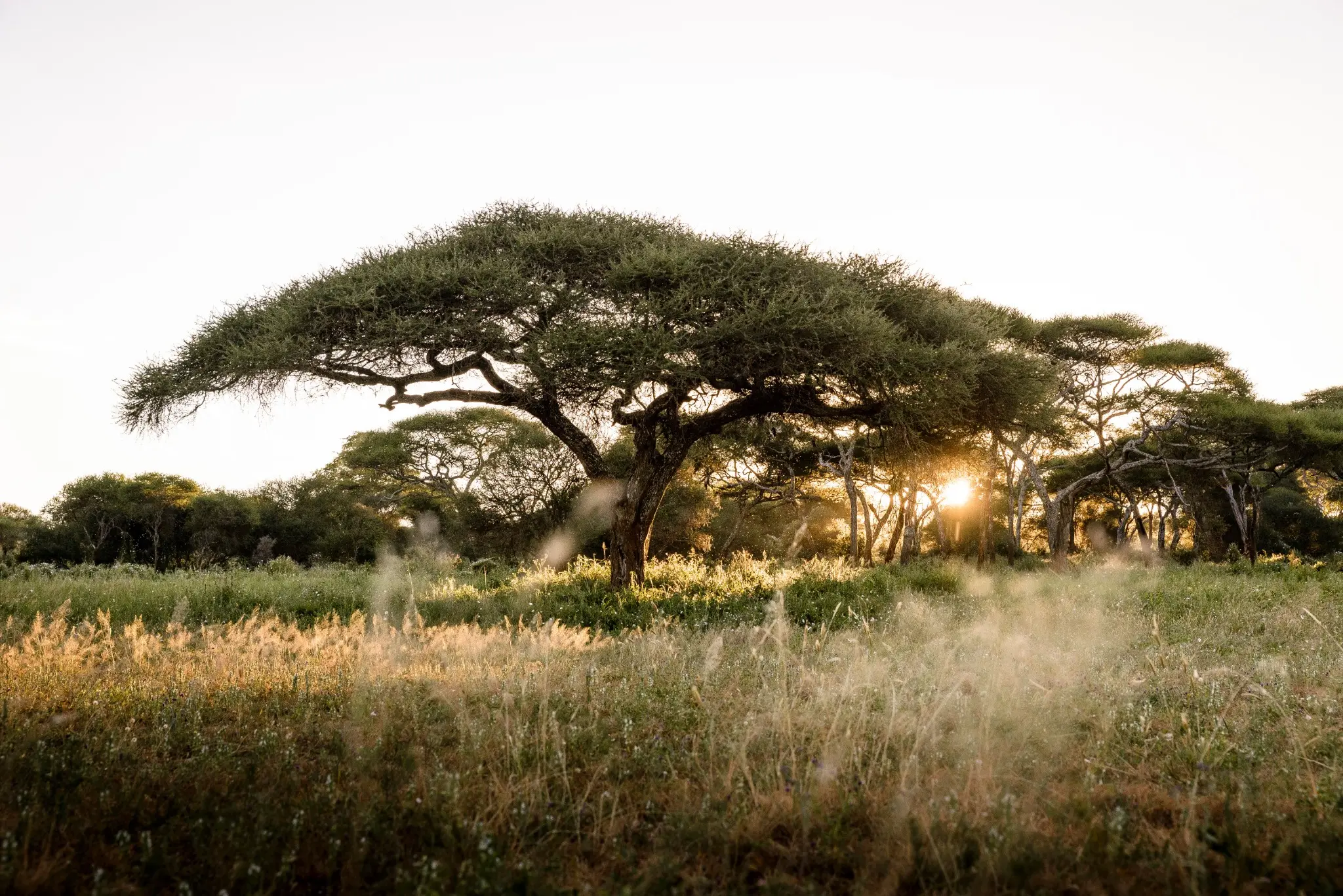
TANAPA and crater fees: the northern circuit priced complete?
The Classic, Unhurried
From US$10,410 per person, low season
Distinguished Camps and Lodges, city nights aside: Siringit Tarangire, Lemala Ngorongoro Tented Camp, Dunia Camp (Asilia), Lemala Mara
Read the journey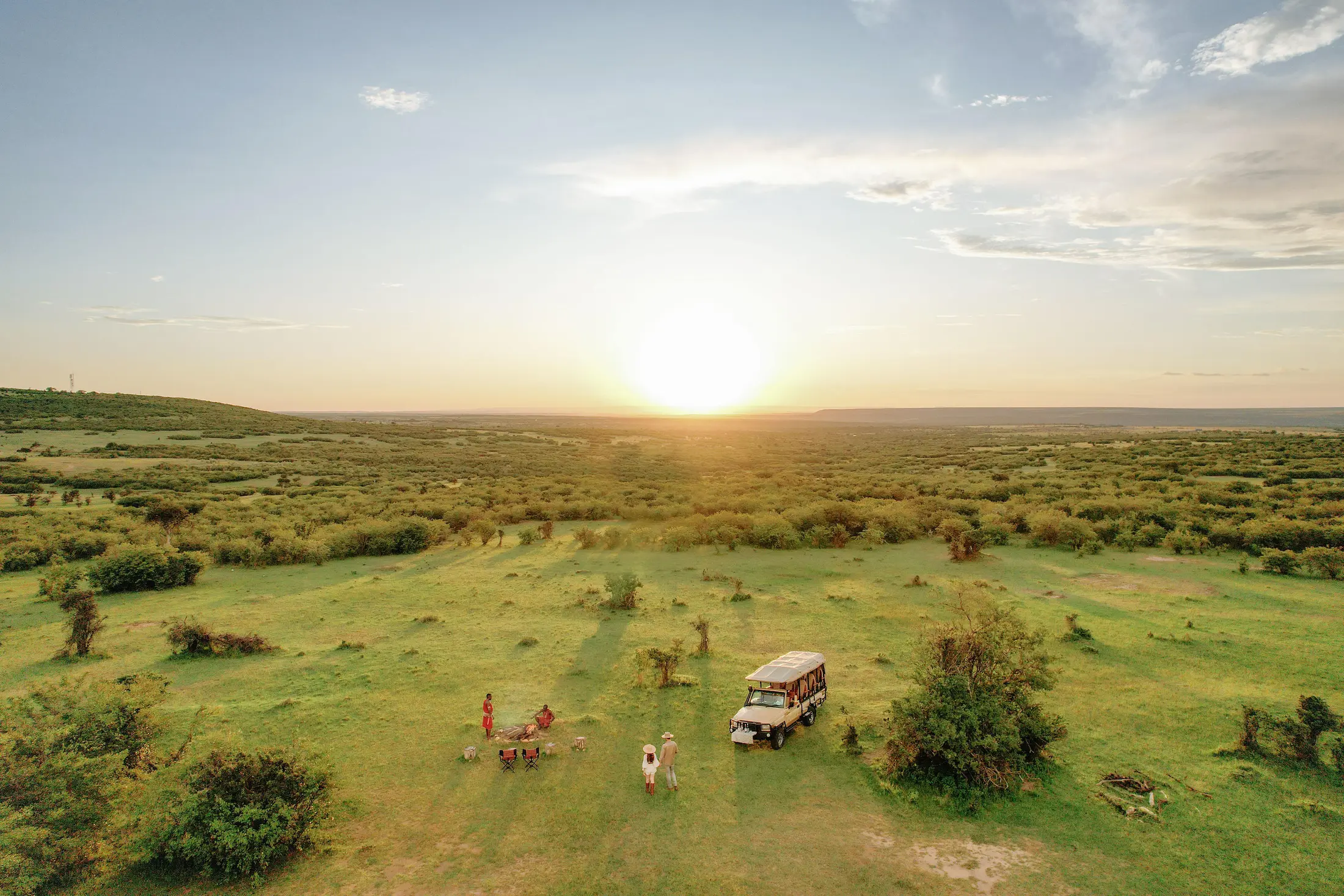
Conservancy fees: what does a private Mara conservancy cost in full?
The Conservancy Answer
From US$7,515 per person, low season
Distinguished Camps and Lodges, city nights aside: Kicheche Valley Naboisho
Read the journey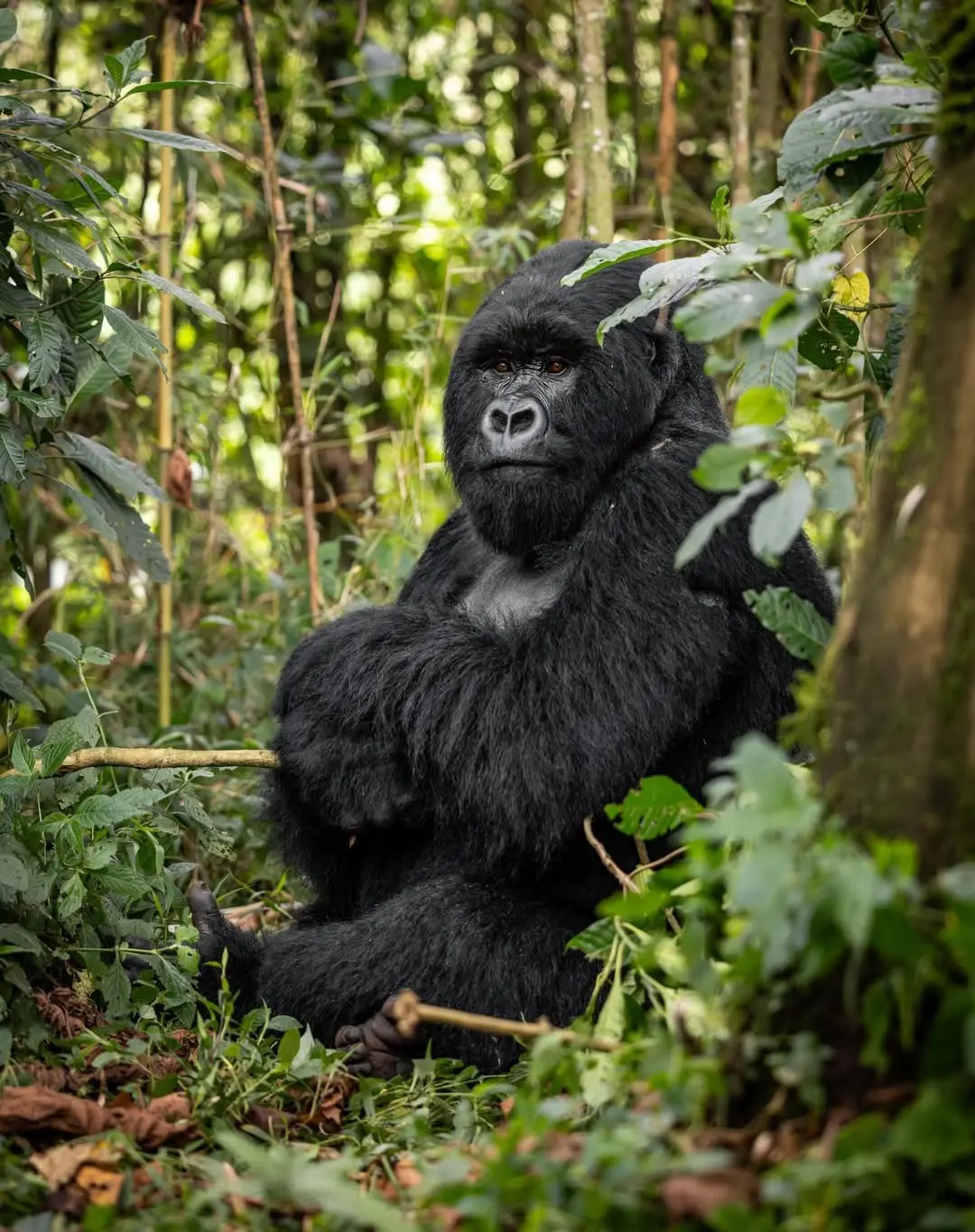
Permits and park fees in Uganda: the forest route complete?
The Forest, Unhurried
From US$8,095 per person, low season
Distinguished Camps and Lodges, city nights aside: Primate Lodge, Elephant Plains Lodge, Mahogany Springs
Read the journey2027 from prices on the Distinguished Camps and Lodges expression, two adults sharing, per person, low season, confirmed at quotation. The high-season figure is on each journey page.
Discuss a journey priced with every fee included