
The short answer
What to know first.
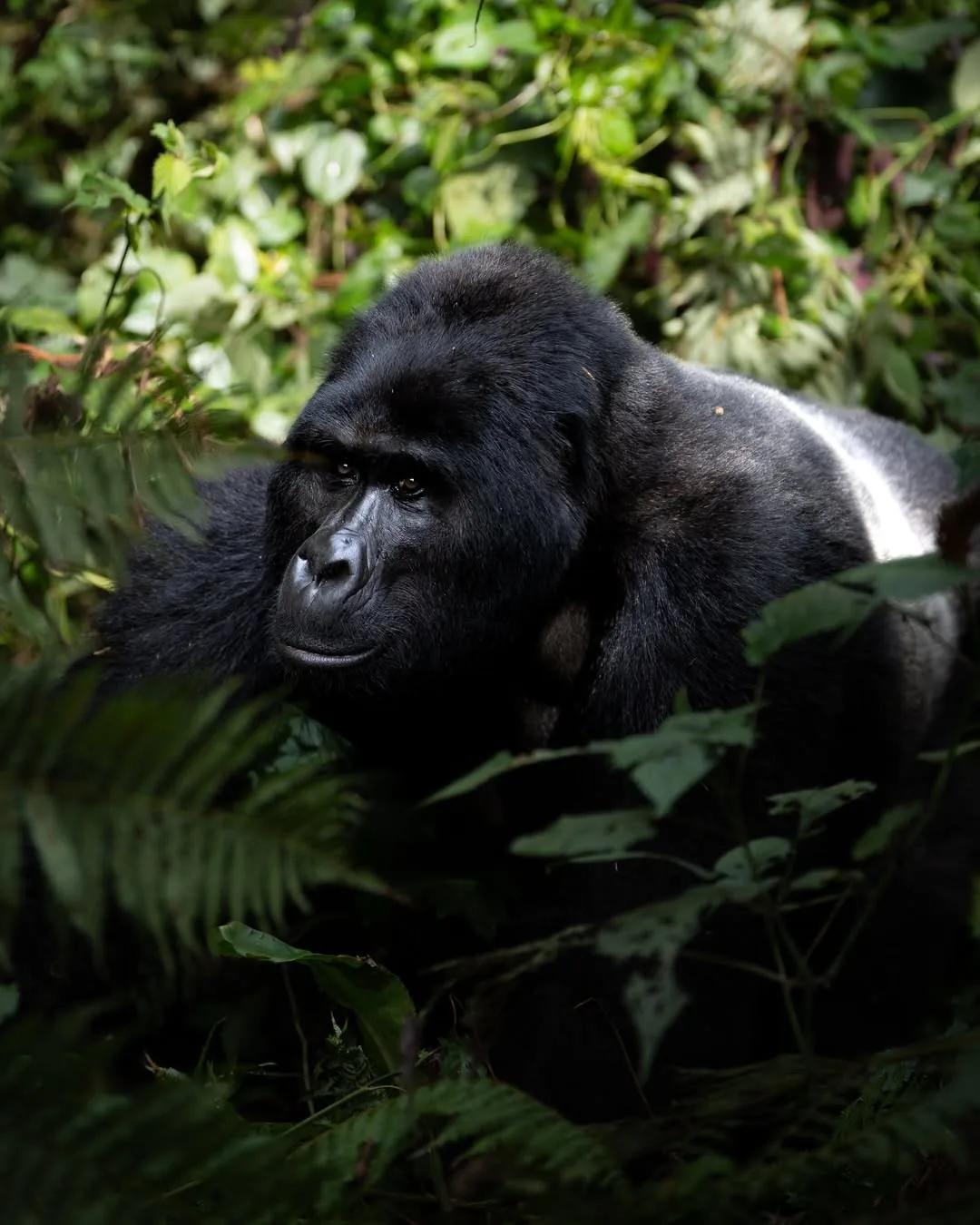
Gorilla permit fees are set by the park authorities, the Uganda Wildlife Authority and the Rwanda Development Board, and their published purpose is the machinery of protection itself: ranger forces and daily monitoring, park management, veterinary care for the gorillas, and a share of revenue to the communities that neighbour the forests under each authority's published schemes. Exact allocations are the authorities' to publish, and Sail quotes their current figures rather than estimating splits in marketing language. Beyond the permit, Sail's own commitment runs through named partners on its Impact page, including Gorilla Doctors and Conservation Through Public Health, so the journey's conservation line can be shown, not sloganised.
At a glance
The planning brief.
Who sets the fee
UWA in Uganda and RDB in Rwanda set gorilla permit tariffs; no operator controls or discounts them.
The published purpose
Park protection and rangers, veterinary care and a share to neighbouring communities under each authority's published schemes.
No invented figures
Exact splits are the authorities' to publish; figures are confirmed with them, not estimated in marketing.
Sail's own layer
Beyond the permit, Sail's named partners on the Impact page carry the commitment further.
01
Who sets the fee, and why it is high
Both authorities price gorilla permits deliberately: a scarce, tightly regulated experience funding an expensive, permanent protection effort. The tariffs are published, they change on the authorities' schedules, and no operator controls or discounts them; current figures are confirmed at booking.
The deliberateness is the point. Eight visitors per family per day in Uganda, strict health rules, ranger escorts on every trek: the fee pays for a system built around the gorillas' safety rather than visitor volume.
02
The published purposes
Permit revenue's stated work is unglamorous and essential: ranger salaries and patrols, tracking and daily monitoring of habituated families, park operations and infrastructure, and veterinary response when a gorilla is snared or sick. The mountain gorilla's recovery over recent decades rests on exactly this machinery.
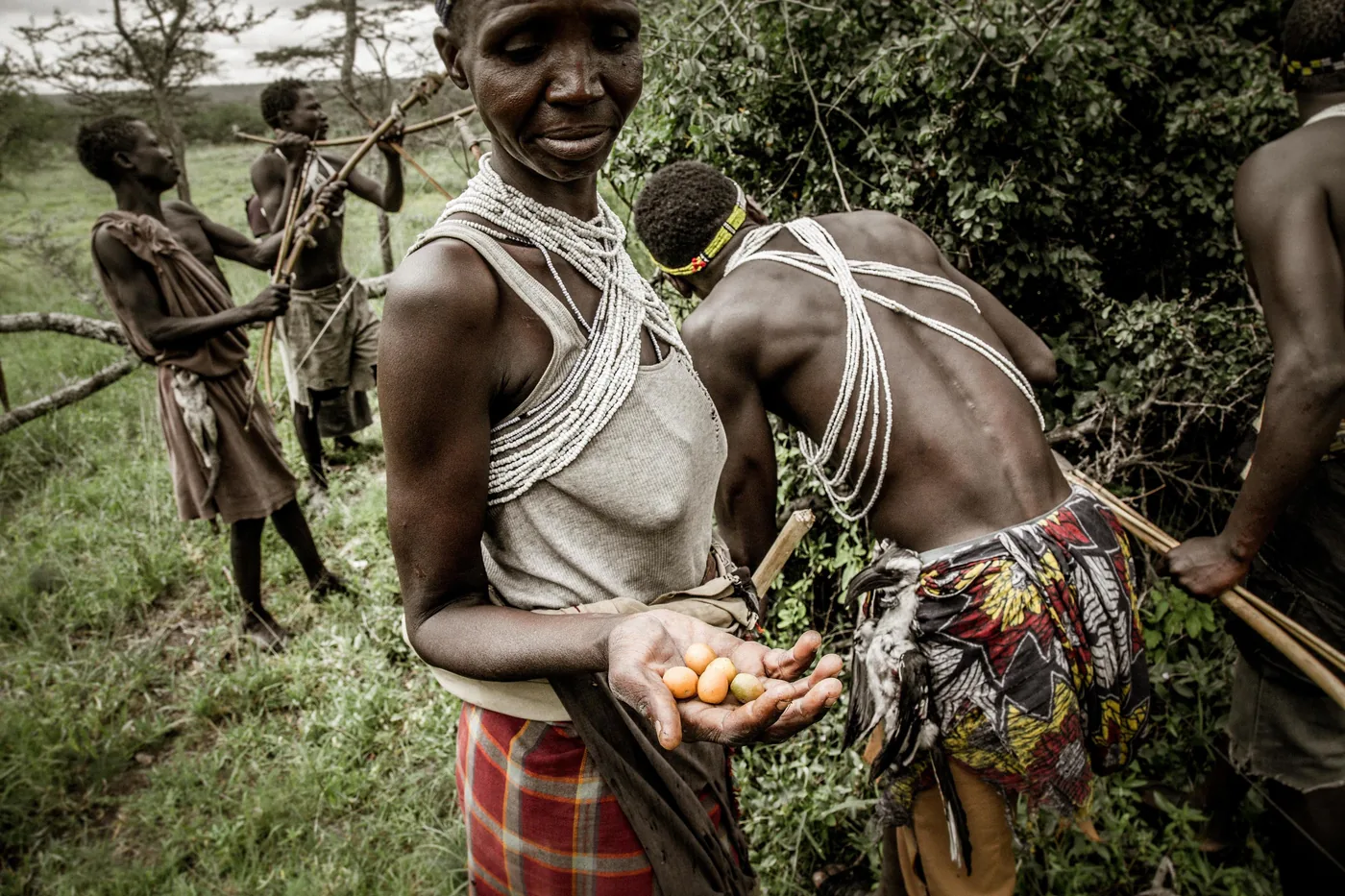
Both countries also operate published revenue-sharing schemes that direct a portion of park income to neighbouring communities, funding schools, clinics and enterprise around the forest edge. The precise percentages are the authorities' published business, and travellers can ask for them by name.
03
What no honest page claims
No operator page should invent allocation percentages, promise that a specific dollar of a specific permit built a specific classroom, or dress the authorities' work in its own branding. The honest form is plain: the authority sets the fee, publishes its purposes, and holds the receipts.
The same honesty prices the experience: the permit is a conservation payment with a magnificent hour attached, and files that present it that way have no need of slogans.
04
Sail's own layer, named
Beyond the permits it buys at the authorities' figures, Sail supports conservation and community work through partners named on its Impact page: veterinary medicine for the gorillas through Gorilla Doctors, coexistence work through Conservation Through Public Health, collaboration with UWA, and the community partnerships around Bwindi.
Naming is the discipline: a guest can read the list, ask about any line, and on some journeys stand inside one. That is what the strategy means by consequence shown rather than said.
Questions travellers ask
Useful answers, before you decide.
Does any of my permit fee reach local communities?
Both authorities operate published revenue-sharing schemes directing a portion of park income to neighbouring communities; the current terms are theirs to publish and worth asking for by name.
Why do Uganda and Rwanda price permits so differently?
Each authority prices its own conservation model: Rwanda's tariff funds a deliberately concentrated system, Uganda's leaves more of the file for a longer journey. Both figures are published and confirmed at booking.
Do operators earn a margin on the permit itself?
On a Sail NETT file, no: the permit is a pass-through park-authority line at the published figure, with the receipt named to the traveller and held on file.