

The short answer
What to know first.
The rule for citing Sail's impact work on advisor paper is that the Impact page is the source of record, and the citation unit is a named partner with one factual sentence. From the current page an advisor may cite: Ride 4 a Woman, the women's enterprise beside Bwindi; the Batwa Clinic, a healthcare project whose construction is ongoing and which is never described as complete; Ziwa Rhino Sanctuary on the Murchison road; Gorilla Doctors and Conservation Through Public Health in the gorilla parks; the student sponsorship counted in named children across three primary schools; and the park authorities whose permit fees fund protection under their own published schemes. What does not transfer to client paper is promotional language from anywhere else: percentage claims, profit slogans and campaign lines belong to the channels they were written for, and a proposal that imports them trades verifiable work for marketing. Sail supplies reusable citation lines aligned with the page, refreshed when the ground facts change.
At a glance
The planning brief.
Cite the page
Sail's Impact page is the citable source: named partners with one factual line each, current as published.
The approved names
Ride 4 a Woman, the Batwa Clinic under construction, Ziwa, Gorilla Doctors, Conservation Through Public Health, the park authorities.
What never transfers
Percentage slogans and profit claims from social media do not belong on client paper, labelled or otherwise.
Sail provides
Reusable citation lines aligned with the Impact page, refreshed when the ground facts change.
01
One source, one format
Advisors quoting a DMC's conservation work face a real problem: material scattered across posts, decks and campaigns, written for different audiences at different times, none of it labelled for reuse. Sail solves this by maintenance rather than volume: the Impact page is the source of record, and everything an advisor may cite lives there in citable form.
The format is deliberately narrow: the partner's name, one factual sentence about the work, and nothing that outruns the concrete. Narrow is what makes it safe to reuse, because a sentence with one verifiable claim cannot drift into one that needs defending.
02
The current citable set
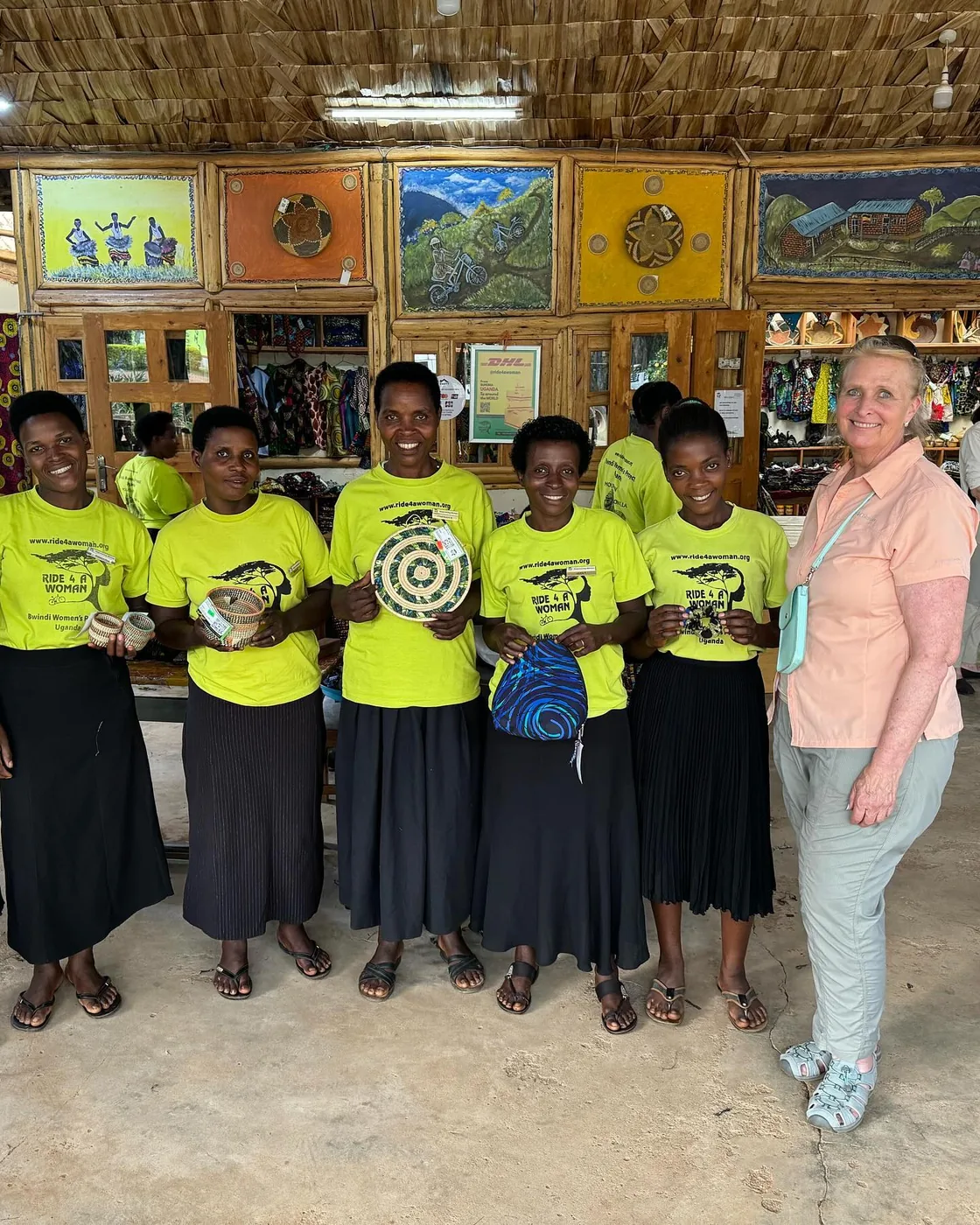
Around Bwindi: Ride 4 a Woman, named and visitable, and the Batwa Clinic, described always as under construction because it is; the discipline on that line is absolute, since a proposal that upgrades a building site to a finished clinic will be contradicted by the ground itself. The student sponsorship is cited as a named count across three primary schools, current at the page's publication.
Across the region: Ziwa Rhino Sanctuary on the Murchison road, Gorilla Doctors and Conservation Through Public Health in the gorilla parks, and the park authorities themselves, whose permit fees fund protection, veterinary care and community shares under schemes that are theirs to publish, not ours to estimate.
03
What stays off client paper
Percentage claims and profit language are the recurring hazard: lines written for social media, where a campaign register is expected, read as verifiable claims when they land on a proposal. An unlabelled figure a client cannot check, or a partner's statistic quoted without its owner, degrades the whole document's credibility.
The test is transferability: a sentence written for the Impact page transfers to a proposal because it was built to be quoted; a sentence written to perform on a feed does not, whatever its accuracy in context. When in doubt, the advisor asks and Sail answers with the current approved line, usually within the day.
04
Making the citation live
The strongest impact citation is one the journey can visit: Ride 4 a Woman is beside Bwindi, Ziwa sits on the northern road, and Batwa-led experiences run with named hosts where the party wants them. A proposal that names a partner and offers the visit turns a paragraph into a plan.
Sail keeps a set of reusable citation lines aligned with the Impact page, sent to any partner advisor on request and refreshed when the facts move. The advisor's paper stays current without anyone rewriting it from memory, which is how citation errors are actually born.
Questions travellers ask
Useful answers, before you decide.
Can I quote impact figures from Sail's social media on a proposal?
No. Campaign channels carry campaign language, and client paper carries the Impact page's citable lines. If a social post says something useful, ask for the proposal-ready version and Sail will supply the current approved sentence.
How should the Batwa Clinic appear on client paper?
As a healthcare project Sail supports whose construction is ongoing, never as complete or operational. When its status changes, the Impact page and the citation lines will change together, and proposals should follow the page.
Can clients visit the cited partners?
Several welcome visits arranged properly: Ride 4 a Woman beside Bwindi, Ziwa on the Murchison road, and Batwa-led experiences with named hosts. Sail arranges visits with the partners in advance so encounter never becomes intrusion.