
The short answer
What to know first.
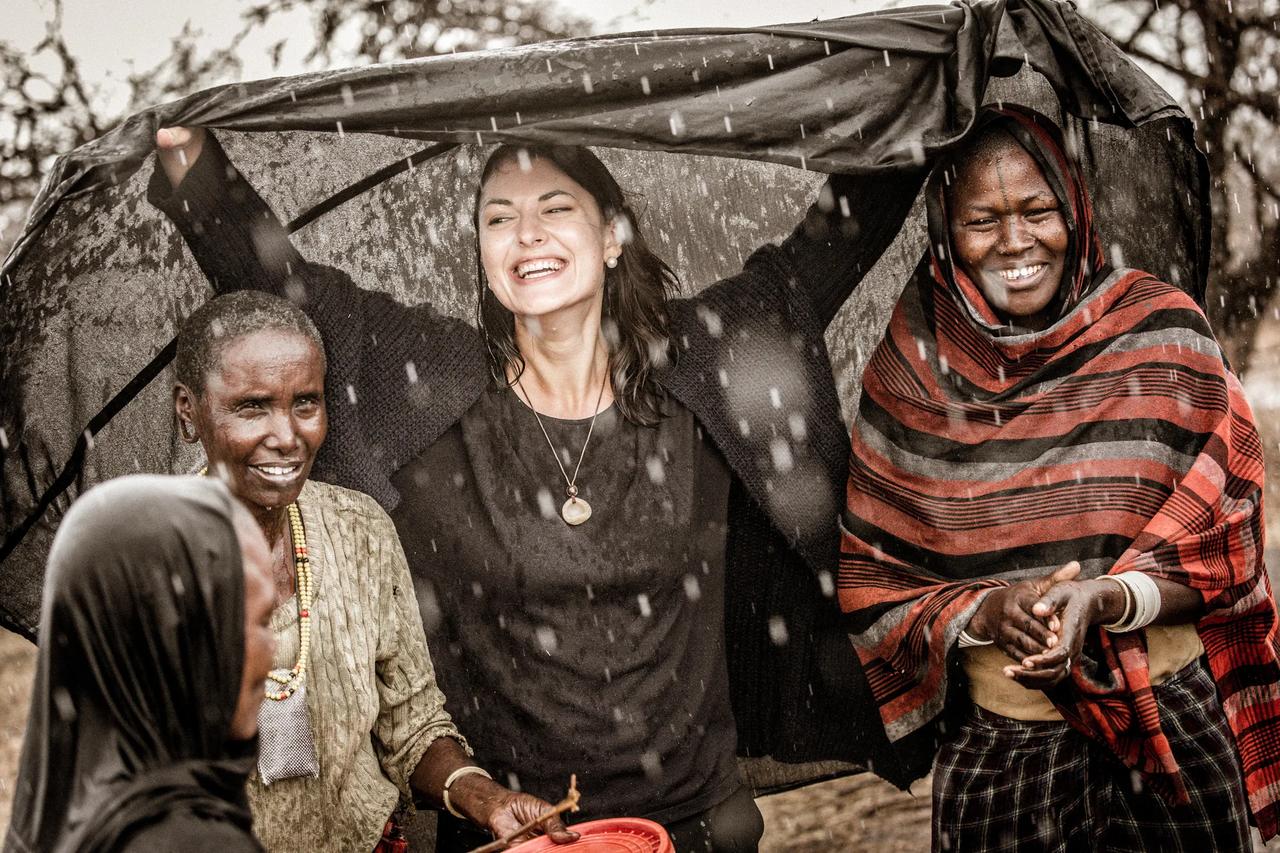
The Batwa are Bwindi's first people, displaced from the forest when it became a protected park, and their communities around its edges carry both that history and a living culture. Sail's support runs through named partnerships listed on its Impact page, including the Batwa Clinic, a healthcare project whose construction is ongoing and which is deliberately not presented as complete, and community enterprises around Buhoma such as Ride 4 a Woman. A Bwindi stay can include Batwa-led experiences booked with named hosts, framed as encounter rather than spectacle. Sail arranges the right visit for the stay's sector and season with the partners themselves, before arrival.
At a glance
The planning brief.
Named partners
Sail's community work around Bwindi runs through named partnerships listed on the Impact page.
The Batwa Clinic
A healthcare project Sail supports; construction is ongoing and it is not presented as complete.
Visits with dignity
Batwa-led experiences are booked with named hosts and framed as encounter, never spectacle.
Sail verifies
Which experiences run in the stay's sector and season, arranged with the partners before arrival.
01
The Batwa and the forest
When Bwindi and Mgahinga were gazetted for gorilla conservation, the Batwa, the forests' original inhabitants, were displaced to their margins, a conservation gain purchased at a profound human cost. Any honest gorilla journey holds both truths at once.
Around Buhoma and the southern sectors, Batwa communities today share their heritage through guided experiences: forest knowledge, music, craft and story. Led well, these mornings are among the most affecting hours a Bwindi stay can hold.
02
The clinic, honestly described
The Batwa Clinic is a healthcare project Sail supports by name: a contribution recorded on the Impact page toward facilities serving Batwa communities near Bwindi. Construction is ongoing, and neither the Impact page nor this journal presents the clinic as complete or operational.
That restraint is deliberate: conservation and community claims age badly when they outrun the concrete. The commitment is named, the progress is described as it stands, and the page will say more when there is more to say.
03
Visits with dignity
The difference between encounter and spectacle is design: experiences led by Batwa hosts on their own terms, booked through named partners with fair arrangements, and given real time rather than a viewpoint stop between drives. Sail books only that version.
Guests meet the same standard from their side: photography by invitation, purchases that go to the makers, and curiosity offered as respect. The mornings that follow those rules are remembered as meetings, not sightseeing.
04
Where it fits in a stay
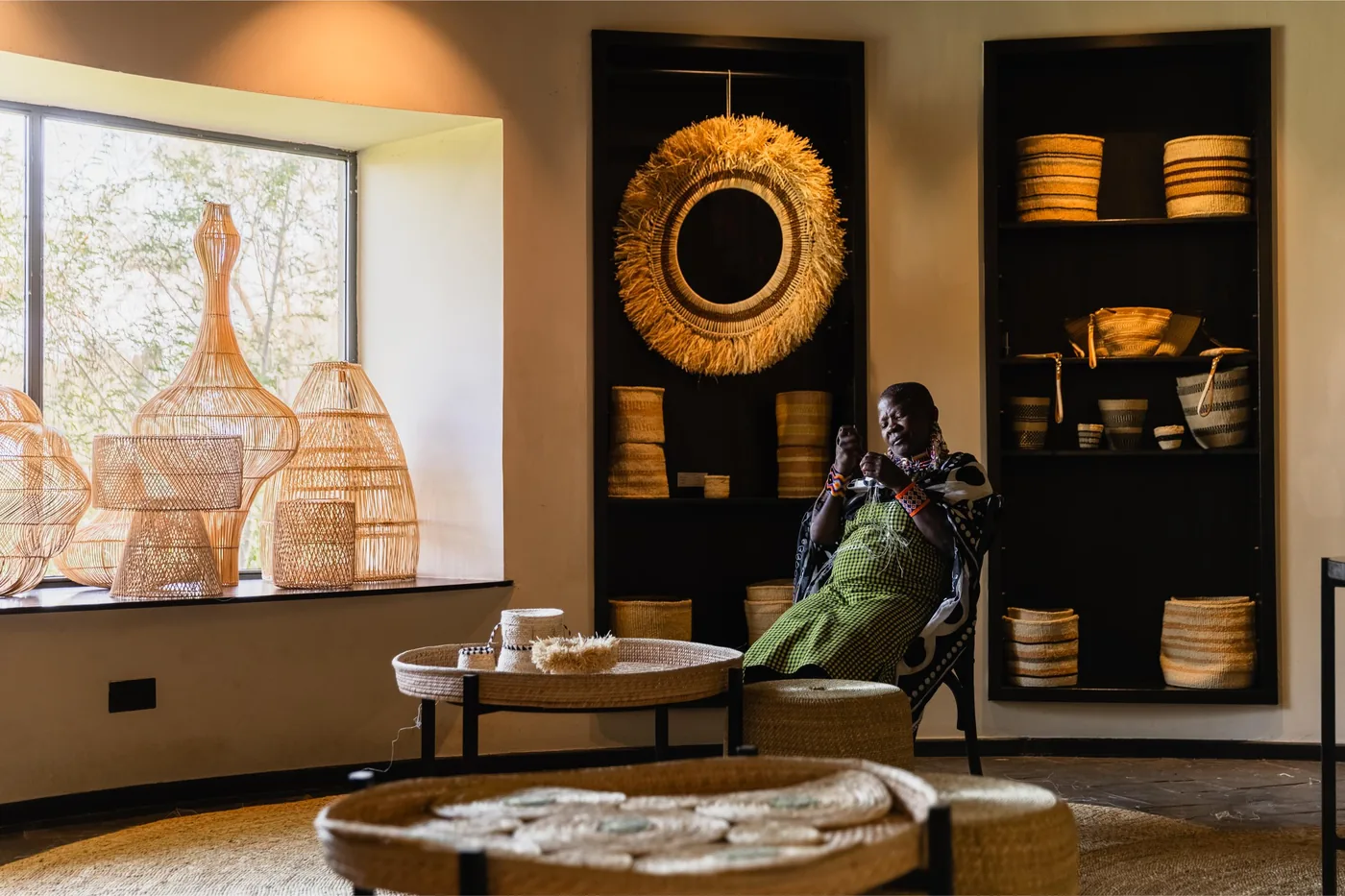
A Batwa experience pairs naturally with the day after the trek, when legs want gentleness and the mind is still in the forest: a cultural morning, an afternoon at rest, the journey's themes completing each other. Around Buhoma, enterprises such as Ride 4 a Woman add weaving, sewing and hospitality to the same chapter.
Availability varies by sector and season, so the visit is arranged with the partners before arrival rather than improvised at the lodge desk; that courtesy is half the dignity.
Questions travellers ask
Useful answers, before you decide.
Is the Batwa Clinic open to visits?
The clinic is a supported project under construction, not a visitor site, and it is not presented as complete. Community experiences run separately with named Batwa hosts.
Are Batwa experiences appropriate for children?
Generally yes, and often wonderful: music, craft and forest knowledge carry across ages. The arrangement is made with the hosts in advance, like everything else.
How do we know the support is real?
It is named: partners and contributions are listed on Sail's Impact page, and the visit itself is booked with those partners rather than a generic operator.