

The short answer
What to know first.
The strongest conservation language on a safari proposal is a short list of named partners with one honest sentence each, and nothing else. From Sail's published Impact work, an advisor may cite: Ziwa Rhino Sanctuary, where southern white rhinos returned to Uganda and tracking is done on foot; Gorilla Doctors and Conservation Through Public Health, the veterinary and community-health partners of the gorilla parks; Ride 4 a Woman, the women's enterprise beside Bwindi; the Batwa Clinic, a healthcare project whose construction is ongoing and which must be described as under construction, never as complete; and the Uganda Wildlife Authority itself, whose permit fees fund park protection under its own published schemes. What may not appear is any unlabelled percentage slogan: exact revenue splits are the authorities' and partners' to publish, and inventing one on client paper turns real work into marketing.
At a glance
The planning brief.
Name, never sloganise
Named partners with one factual line each beat any percentage claim on client paper.
The authorised list
Sail's Impact page carries the partners an advisor may cite, from Ziwa to Gorilla Doctors.
Describe honestly
The Batwa Clinic is under construction and is written that way. Claims must not outrun the concrete.
Sail provides
Standard citation lines advisors may reuse verbatim, kept current with the Impact page.
01
Why names beat percentages
Conservation claims fail on proposals in one of two ways: they are vague ('travel that gives back') or they are precise and unverifiable ('ten percent of your safari funds rangers'). Both read as marketing because both are. A named partner is different: it can be looked up, visited and asked about, which is exactly what discerning clients and their advisors now do.
The discipline is one sentence per partner, factual and current. 'Sail supports Ziwa Rhino Sanctuary, where Uganda's southern white rhinos are tracked on foot' survives any scrutiny. The moment the sentence reaches for a number the partner has not published, it stops being conservation and becomes copy.
02
The partners an advisor may cite
Around Bwindi: Ride 4 a Woman, a women's enterprise employing and training local women, and the Batwa Clinic, a healthcare project Sail supports whose construction is ongoing. The clinic line matters: it is written as under construction because it is, and a proposal that upgrades it to 'completed' will be contradicted by the ground itself.
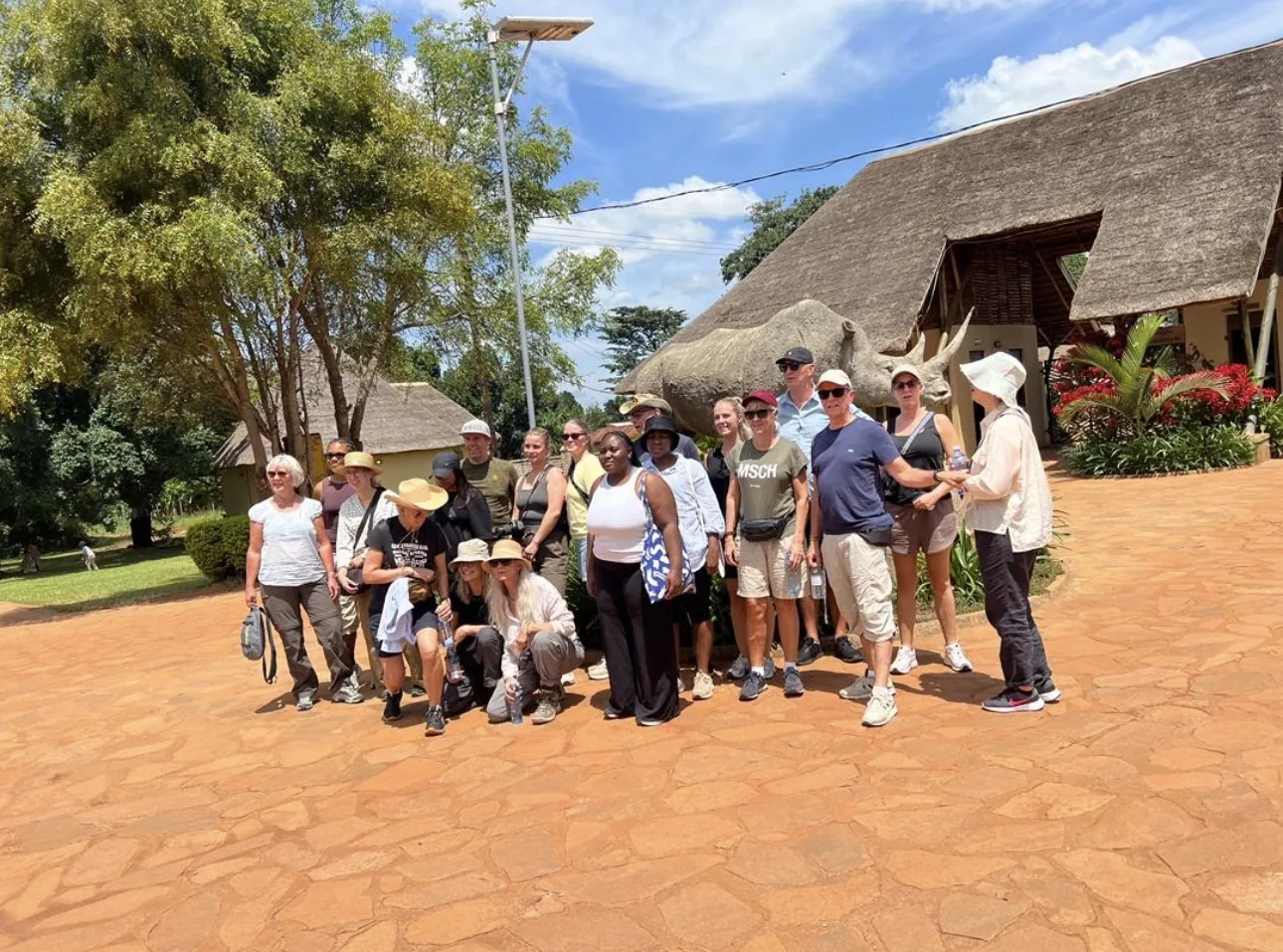
In the wider region: Ziwa Rhino Sanctuary on the Murchison road; Gorilla Doctors and Conservation Through Public Health in the gorilla parks; and the park authorities, UWA and RDB, whose permit fees fund protection, veterinary care and community shares under their own published schemes. Sail also sponsors students across three primary schools near Bwindi, a programme counted in named children, currently 162, rather than percentages.
03
Language that holds
Write what the money does, not what fraction it is: 'permit fees fund ranger protection and community schemes under the authority's published programme' is true and citable; any invented split is not. Write what the client can see: a project that welcomes visits can carry a stronger line than one described from a distance.
And date nothing that moves. Student counts, construction stages and programme details belong to their owners and change; the proposal cites the partner and the nature of the work, and lets the current facts live on the pages that maintain them.
04
Reusable citation lines
Sail provides advisors with standard citation lines, kept current with the Impact page, that may be reused verbatim on proposals: one sentence per partner, written to survive a fact check. This removes the temptation to improvise and keeps every advisor's paper consistent with the ground truth.
When a client wants more than a sentence, the answer is a visit, not a paragraph: Ziwa on the northern road, Ride 4 a Woman beside Bwindi, a Batwa-led encounter arranged with named hosts. The proposal names the partner; the journey proves it.
Questions travellers ask
Useful answers, before you decide.
Can a proposal say what percentage of permit fees goes to communities?
Only if it quotes the authority's own published figure with attribution. Exact splits are UWA's and RDB's to publish, and an unlabelled percentage on client paper is the one claim Sail asks advisors never to make.
How should the Batwa Clinic be described?
As a healthcare project Sail supports whose construction is ongoing. It is not presented as complete or operational, and proposals should hold the same line.
Where do the current partner details live?
On Sail's Impact page, which is maintained as the authoritative list. Citation lines for proposals are aligned with it, and advisors can request the current set at any time.