
The short answer
What to know first.
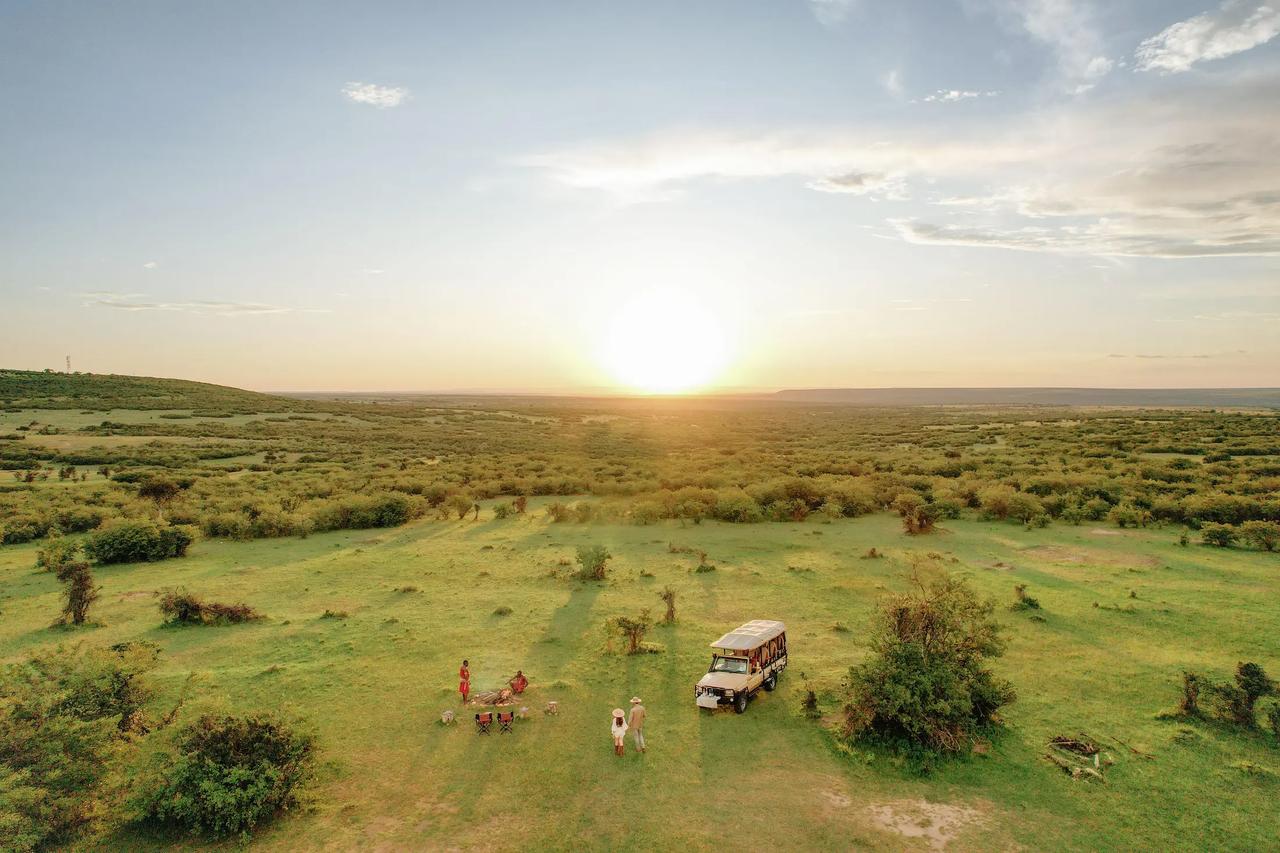
Choose the reserve for classic wildlife country and important migration river geography; choose a conservancy for controlled bed density, selected off-road practice, night drives or walking where permitted. Combine them when season and access justify it, not automatically.
At a glance
The planning brief.
Reserve strength
Large public ecosystem access and central migration country under reserve regulations.
Conservancy strength
Controlled bed density, selected off-road policies and activities such as night drives.
Strong combination
Split time when the route and season justify both operating styles.
Sail verifies
Current access rights, vehicle rules, crossing points, fees and camp location.
01
What the national reserve offers
The reserve protects famous plains and river systems and supports superb year-round wildlife. During busy periods, popular sightings can draw many vehicles. A precise camp location and a guide who understands when to leave a crowd matter enormously.
Reserve rules govern activities and off-road access. They are conservation and visitor-management tools, not obstacles to work around.
02
What a conservancy can change
Many conservancies limit tourism beds and use lease or benefit models connected to landowners. Depending on the conservancy, night drives, walking and carefully managed off-road viewing may be possible.
Wildlife moves across the wider system, but density, habitat and seasonal movement vary. Ask what the conservancy actually offers rather than relying on the label.
03
The activity menu, item by item
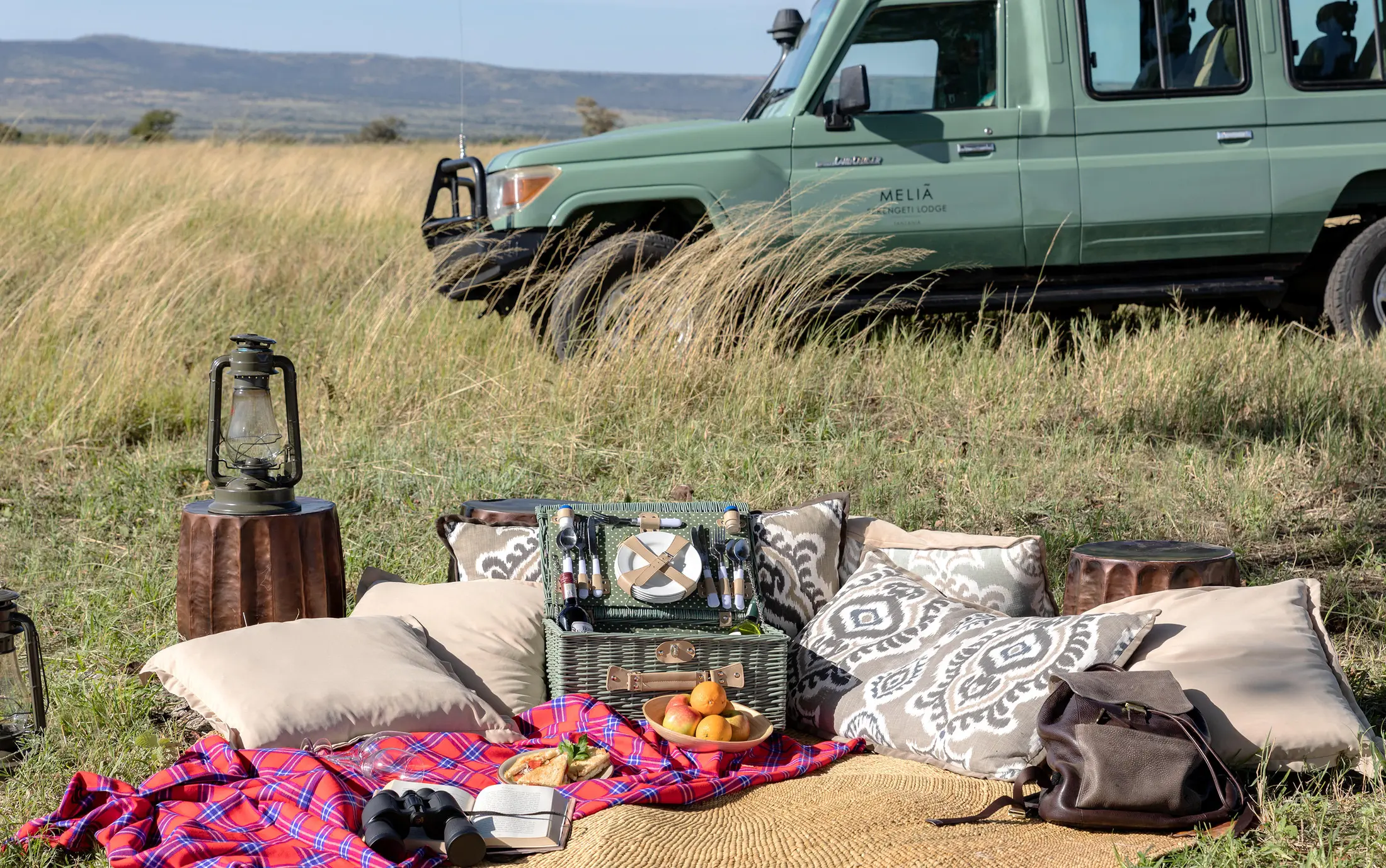
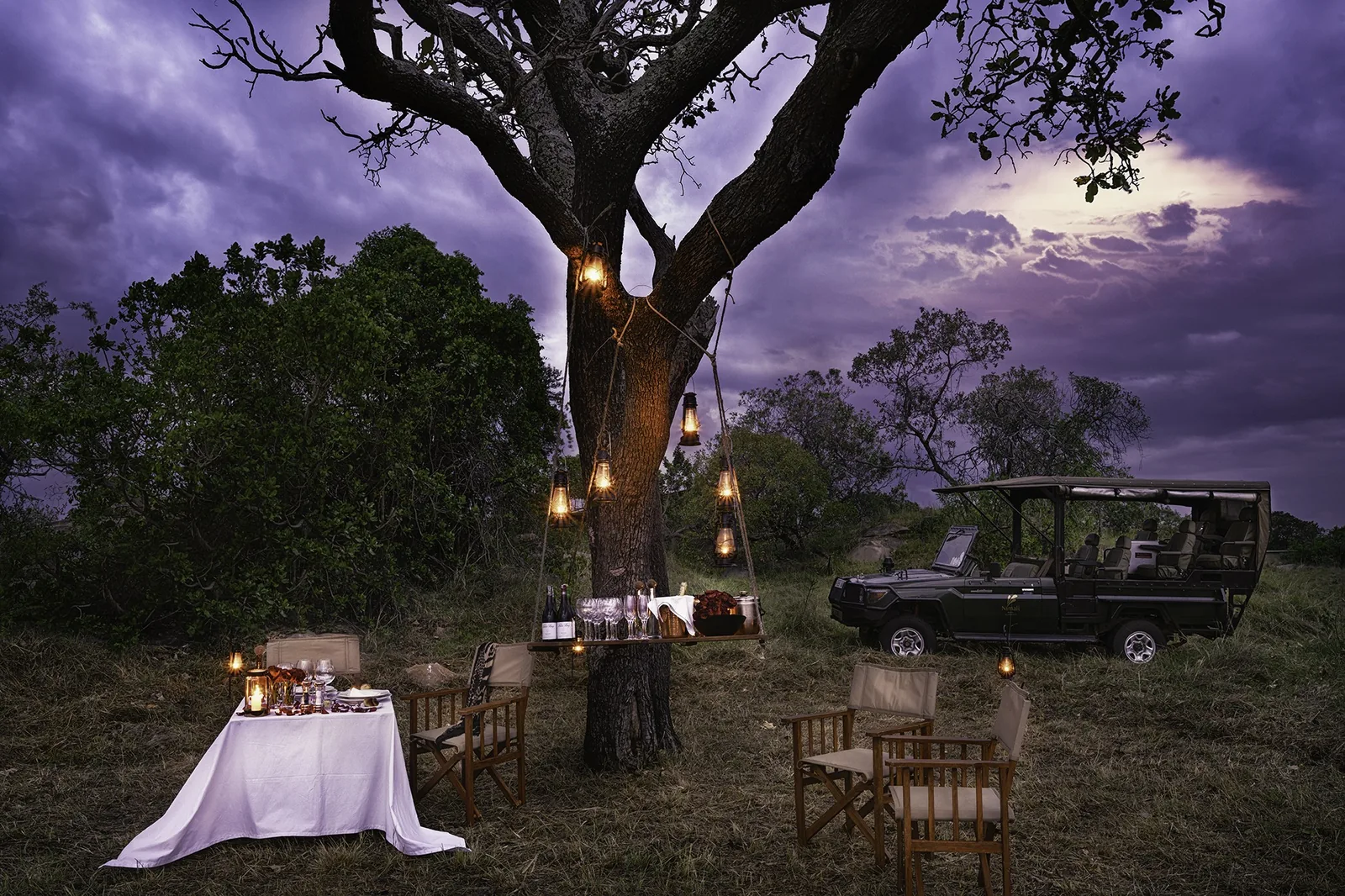
The concrete version of the conservancy premium is a list of things a day can contain. Night drives open the leopard, aardvark and bat-eared hours under red-filtered light. Walking, where the conservancy permits it, turns the ground itself into the sighting, tracks, dung, grass and the armed guide's fluency in all three. Off-road approach, managed and logged, converts a distant lion into a photograph. Sundowners stop the vehicle on a hill and hand the evening a glass, and bush dinners finish the day in the open where the reserve's rules would already have you back inside a gate.
None of this is automatic: each conservancy publishes its own permissions, limits and conditions, and camps within the same conservancy can differ in what they actually operate. The per-night fee, roughly 100 to 140 US dollars across the Mara conservancies at current schedules, is what funds both the landowners and the discipline that keeps these freedoms sustainable, which is why the honest question is never whether the premium exists but whether your file will use what it buys.
Night drives
The nocturnal shift, under red light and conservancy rules: leopard, aardvark, bat-eared fox and the sky itself.
Walking
Where permitted, with armed guides: the ground-level safari the vehicle cannot teach.
Off-road approach
Managed repositioning at sightings: the photographic difference our photo-design page relies on.
Open evenings
Sundowners and bush dinners in the open, past the hours a reserve gate allows.
04
Access between the two
Some conservancy camps offer reserve visits; the drive to a gate can be substantial. A day described as ‘in the reserve’ may begin with an early transfer and end late. Staying deep in the reserve may limit conservancy-only activities.
Map the camp, gates and intended wildlife focus before deciding one base can do everything.
05
When a combination works
A reserve stay can place you close to migration river country, followed by a conservancy stay with a quieter rhythm. Outside a specific seasonal priority, one well-chosen conservancy may provide enough variety without another move.
06
Questions worth asking
How many beds share the conservancy? Are drives private or shared? Which activities are included? What are the rules on night driving and walking? How long is the reserve gate transfer? What land or community model supports the conservancy? Precise answers reveal more than marketing language.
Questions travellers ask
Useful answers, before you decide.
Can I see the Big Five in a conservancy?
Wildlife varies by conservancy and season. Many have excellent predator and plains-game viewing, but no sighting list should be guaranteed.
Are conservancies always quieter?
They often control beds and vehicles more tightly, but experience still depends on size, camp density, rules and a particular sighting.
Do I need both reserve and conservancy?
No. Use both when each provides a distinct benefit for your dates. Otherwise, one intelligently chosen base may create a better-paced safari.