
The short answer
What to know first.
The Mara camp question drowns in rankings, and rankings answer the wrong question: the best camp in the ecosystem is the best camp for you, and the fastest route to it runs through character rather than stars. The method is the one this journal built in Bwindi's sectors, transposed: choose the ground first, because where you sleep decides your traversing rights, your vehicle rules, your crowd exposure and your daily rhythm, then choose the camp whose personality matches yours from the short list that ground allows. The characters are real and distinct. Some conservancies run classic and sociable, well-loved camps on storied ground with the ecosystem's familiar rhythm, our partner Kaskaz's Mara North being home ground; some run intimate and exclusive, low vehicle ceilings and high privacy, the register Mara Plains holds in Olare Motorogi; some run activity-forward, where walking and night drives lead the day; and the reserve-edge river camps, Olonana Lodge, an A&K Sanctuary's ground among them, trade conservancy freedoms for front-row crossing-country access. Style then splits each ground's list: canvas or timber, sociable mess or private dining, family-built or couples-quiet. Ask three questions, what you want to do daily, how much company you want doing it, and whether the reserve's spectacle or the conservancy's freedom matters more, and the two-hundred-camp question becomes a three-camp conversation, priced from one desk and confirmed against your dates at booking.
At a glance
The planning brief.
Character beats rankings
Every conservancy has a personality: match it to yours and the camp shortlist writes itself.
The gate decides the day
Where you sleep sets your traversing, your vehicle rules and your crowd exposure: the Bwindi sector logic, transposed.
Reserve-edge is its own answer
River-line camps beside the reserve trade conservancy freedoms for crossing-country access.
Sail matches, not ranks
Partner camps across the conservancy map, recommended by fit against your dates and taste.
01
Why character beats rankings
A ranked list assumes every traveller wants the same thing more or less well; the Mara punishes that assumption. The honeymooners who wanted candlelit privacy and got a jolly communal mess, the family whose children needed the pool the top-ranked camp proudly lacks, the photographer whose number-one choice shared its sightings with a queue: all booked the best camp, none booked their camp.
Character sorting inverts the failure. Conservancy personality first, the ground's rules and rhythm, then camp personality within it, the table, the tone, the hosting style our camp notes record. The lists this produces are short and boringly reliable, and the guests they serve return asking for the same matrix pointed at new ground, which is how the Serengeti companion to this page came to exist.
02
The grounds, by temperament
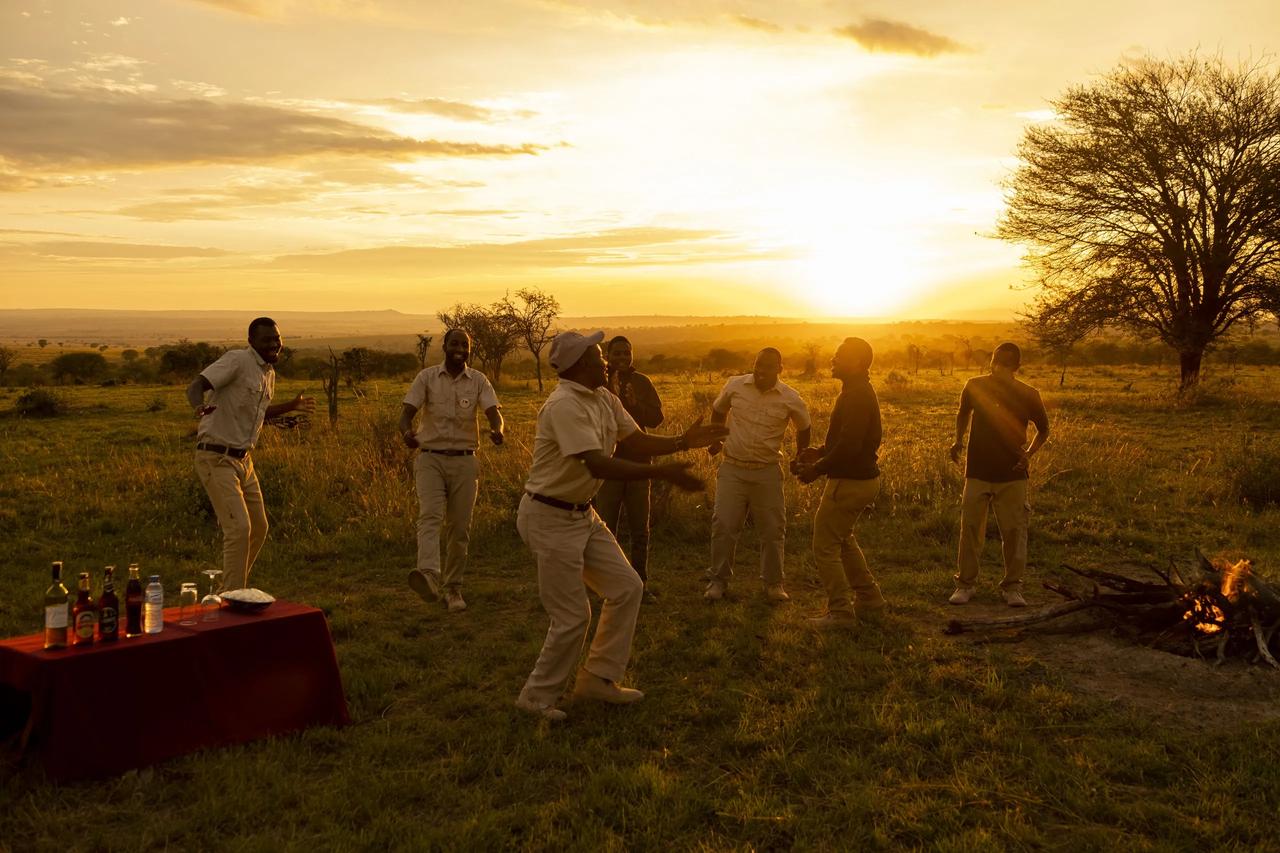
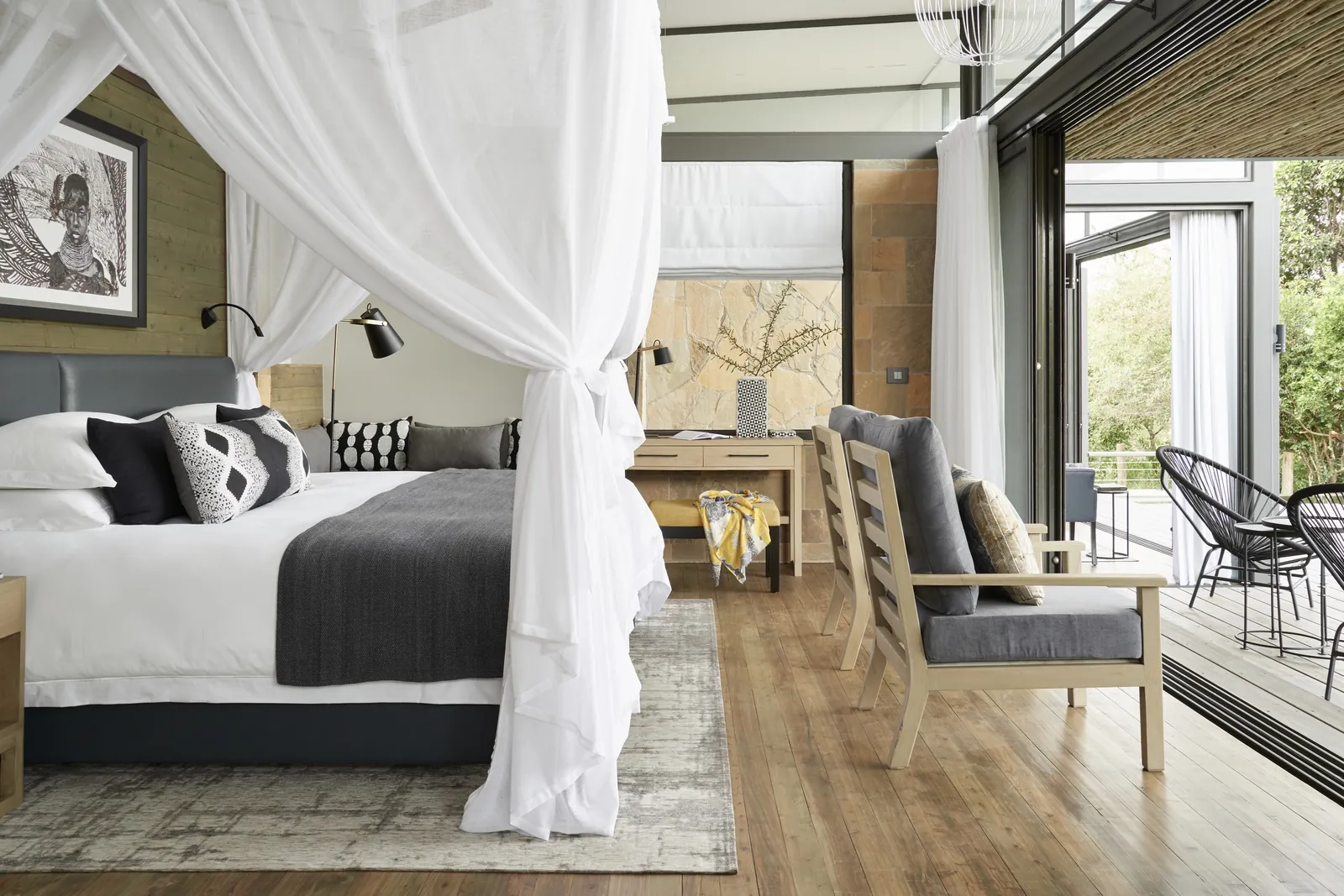
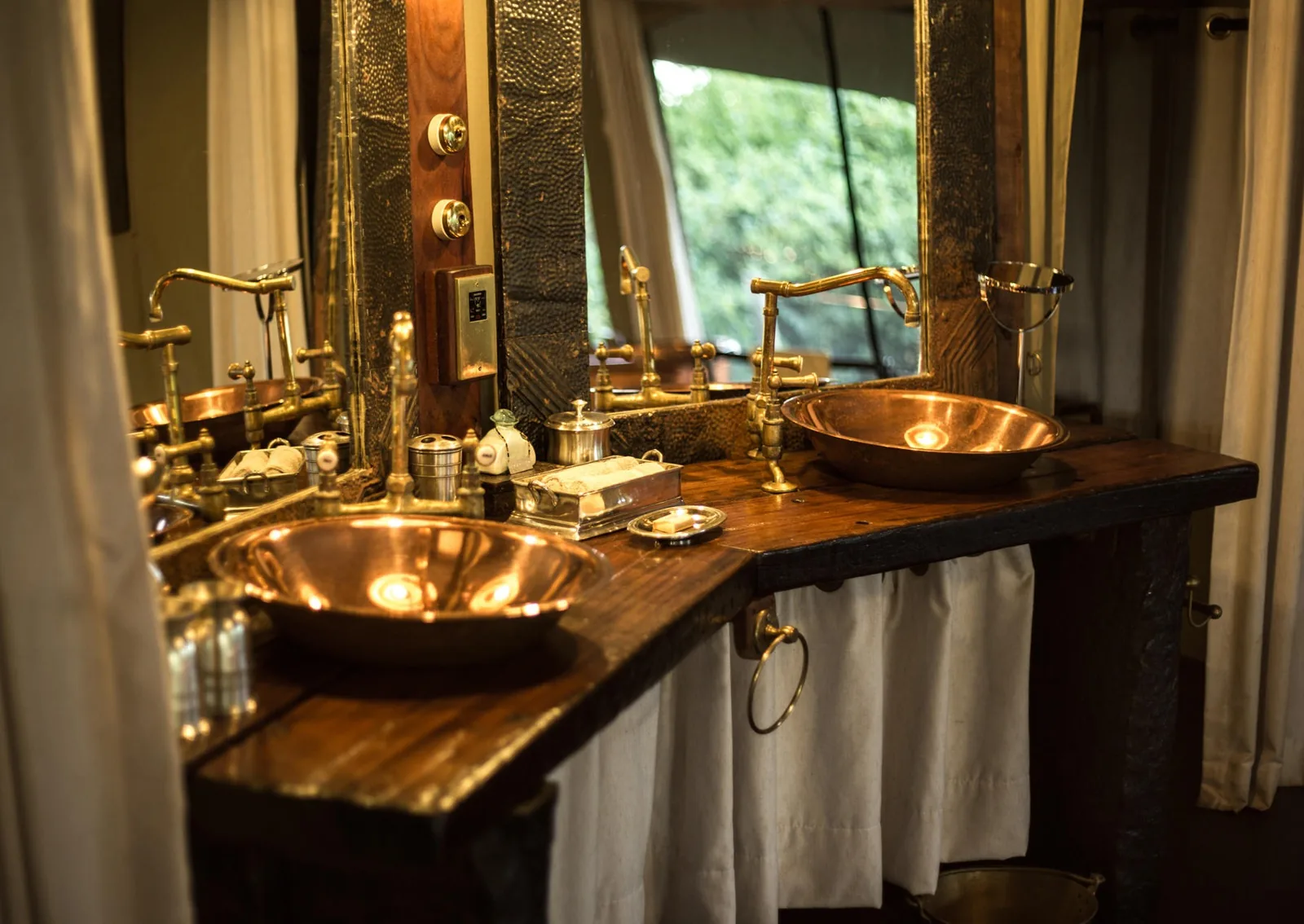
The classic hearts: the larger, storied conservancies where the Mara's familiar rhythm runs at gentler density than the reserve, sociable camps, guiding depth, the ecosystem as most imaginations picture it. Kaskaz's Mara North ground is this register's home: the camp's evening fire and staff chorus are the character in miniature. The exclusive registers: conservancies run at low vehicle ceilings where privacy is the product, sightings held alone, camps built couples-quiet, the ground Mara Plains occupies in Olare Motorogi with its copper-bath, leather-and-lamplight character.
The activity-forward grounds put walking, night drives and off-road craft at the centre, suiting returners and the participation-hungry per our conservancy-activities table. And the reserve-edge river line, where Olonana Lodge, an A&K Sanctuary holds its stretch of the Mara river, trades conservancy freedoms for the reserve's spectacle at the doorstep: crossing country in season, the classic drives year-round, and the trade stated honestly rather than blurred.
03
Then the camp, within the ground
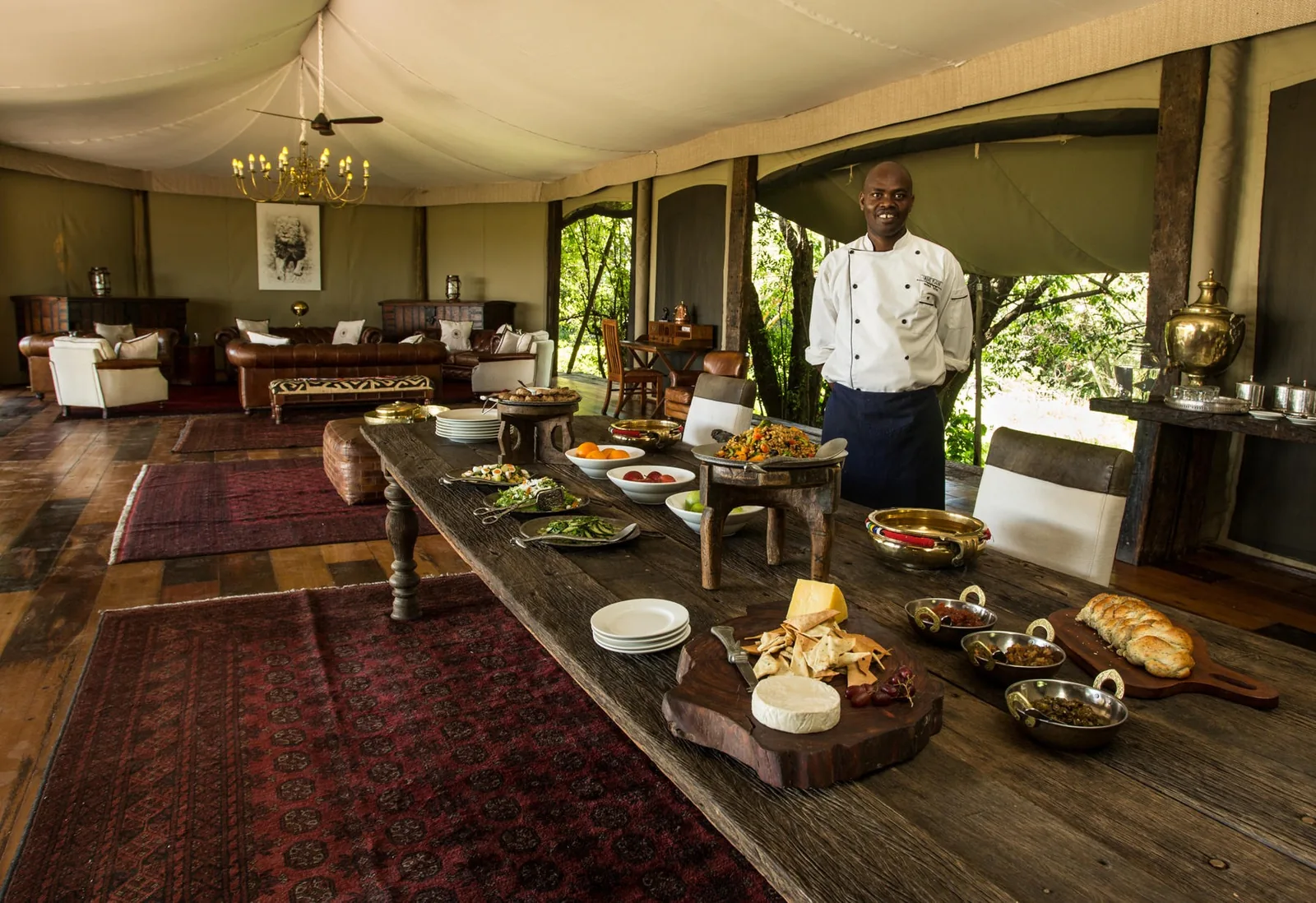
Once the conservancy fits, the shortlist is small and the differences honest: canvas or permanent, the mobile-or-lodge logic in miniature; sociable or private, a hosted table's fellowship against your own veranda's silence; family-built or couples-quiet, which is architecture as much as policy; and the hosting culture itself, the thing brochures cannot photograph and our camp notes obsess over, because the manager's table and the guide team are most of what guests remember.
Position still matters within the ground: a camp on the conservancy's reserve boundary drives differently from one deep in its quiet interior, and season adjusts the calculus the way our Mara-year page maps. But these are refinements to a decision already ninety percent made, which is the method's gift: by the time camp names appear, any answer on the list is a good one, and taste can choose freely without risk.
Classic and sociable
The storied conservancy hearts: familiar rhythm, guiding depth, evening fires. Kaskaz's Mara North register.
Intimate and exclusive
Low vehicle ceilings, sightings held alone, couples-quiet architecture: the Olare Motorogi register Mara Plains holds.
Activity-forward
Walking, night drives and off-road craft at the day's centre: the participation grounds for returners.
Reserve-edge river line
Crossing country at the doorstep, conservancy freedoms traded knowingly: Olonana Lodge, an A&K Sanctuary's ground.
04
Running the method with the desk
The conversation takes ten minutes: what a perfect day contains, how much company it contains, which matters more between the reserve's theatre and the conservancy's freedom, and the practical filters of dates, family shape and budget tier. The matrix does the rest, and the quote that follows prices the short list side by side, conservancy fees as their own visible lines per the fee page, camp characters described in the same plain register this page uses.
Season is the last input: crossing months pull the answer toward the river-facing grounds and book on long horizons, the quiet months open the whole matrix at kinder rates, and the green season, as ever, is the connoisseur's discount on privacy. From the Sail operations desk, checked August 2026: guests who arrive with a ranked list leave with a matched camp, and the match outperforms the ranking in every review we hold, which is why this page teaches the method instead of publishing another list.
One caution keeps the method honest: characters are tendencies, not fences. A sociable conservancy holds quiet corners, an exclusive ground hosts gregarious camps, and a hard season bends every personality toward its own weather. The matrix starts the conversation; the desk's current knowledge, which camp changed managers, which ground's cats are denning, which mess rebuilt its fire circle, finishes it, and that freshness is the part no published list can carry.
Questions travellers ask
Useful answers, before you decide.
Which Mara conservancy is best?
The one whose character matches yours: classic-sociable, intimate-exclusive, activity-forward or reserve-edge. The method above turns that from a slogan into a ten-minute decision.
Is a reserve-edge camp better than a conservancy camp in crossing season?
For crossing access, the river line is the point; for everything else the conservancies hold the advantages. Many season files blend both, and the crossing pages map the trade.
Do all conservancies allow night drives and walking?
Each publishes its own permissions and camps differ within them: the conservancy-activities table carries the menu, and your file states what your exact ground allows.
How far ahead should a Mara camp be booked?
Crossing months on year horizons like everything scarce; the rest of the year is gentler, and the green months open the whole matrix. The booking-horizon pages carry the detail.