
The short answer
What to know first.
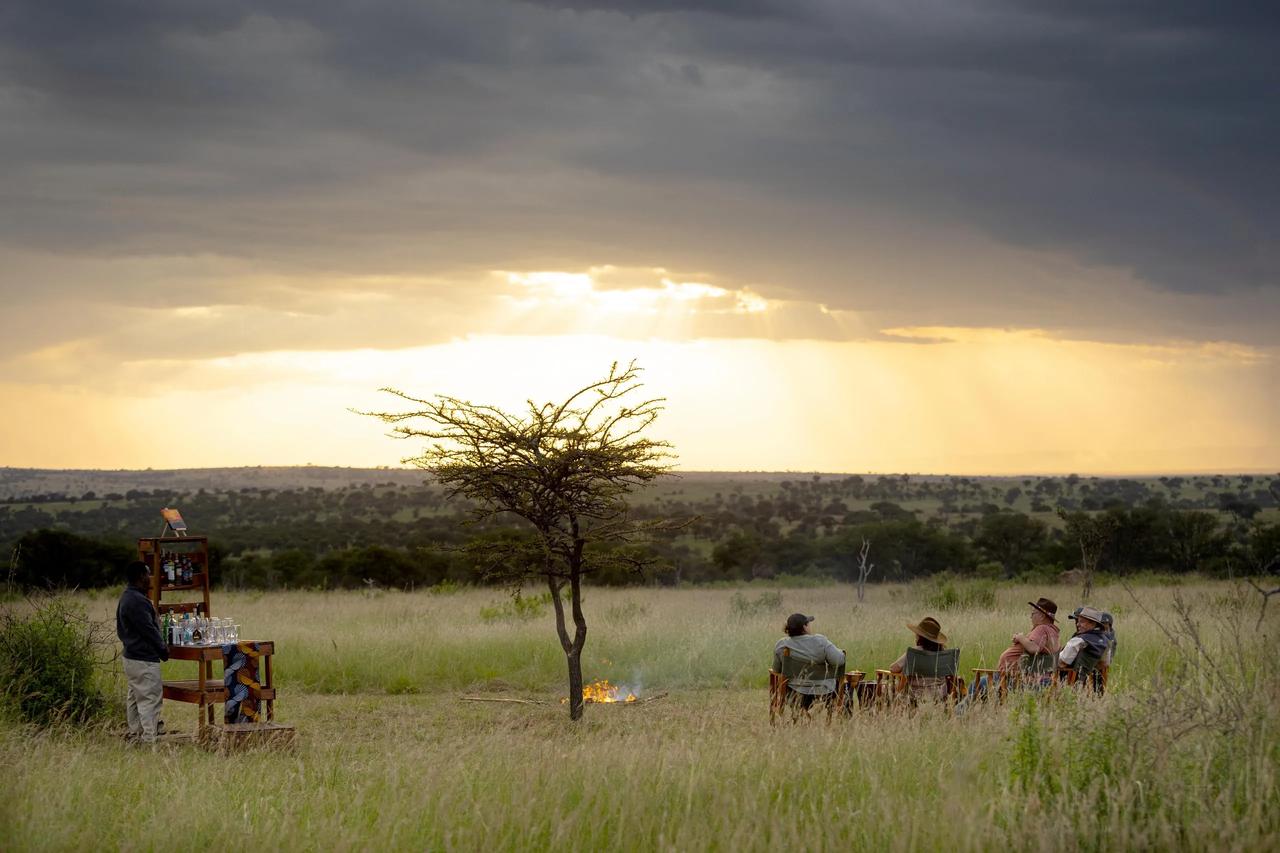
The Masai Mara is marketed as a season and lives as an ecosystem. From roughly July to October the wildebeest occupy the river country and the reserve runs at full theatre and full occupancy; that part of the story is true and has its own pages in this journal. What the marketing omits is that the Mara's resident wildlife, among the densest big-cat populations in Africa, elephant families, resident buffalo herds and one of Kenya's important rhino areas, holds the same territory all twelve months, because residents do not migrate. January to March gives dry, short-grass game viewing with superb light and a fraction of the vehicles; the green season brings storm skies, newborn plains game, returning birds and rates that commonly sit twenty to thirty-five percent below peak; even the deep green months of April and May, honestly the quietest, reward photographers and returning travellers who want the plains nearly private. The conservancies sharpen every one of these advantages: member-limited traversing means the quiet months feel genuinely wild rather than merely empty, and the per-night conservancy fee, roughly 100 to 140 US dollars, funds the landowning families in the months tourism otherwise forgets. The honest year-round advice, confirmed at booking against your actual dates: come in the window for the herds, come outside it for the Mara itself.
At a glance
The planning brief.
Residents outnumber visitors
The Mara's cats, elephants and rhino hold territory all twelve months; only the wildebeest commute.
The migration window
Roughly July to October the herds work the river country; treat it as likelihood, never a booked event.
The quiet months earn their keep
January to March and the green season offer superb resident game, gentler rates and near-empty conservancy traversing.
Sail verifies
Conservancy access, camp seasonality and current fee schedules against your actual dates before anything is promised.
01
What actually lives there all year
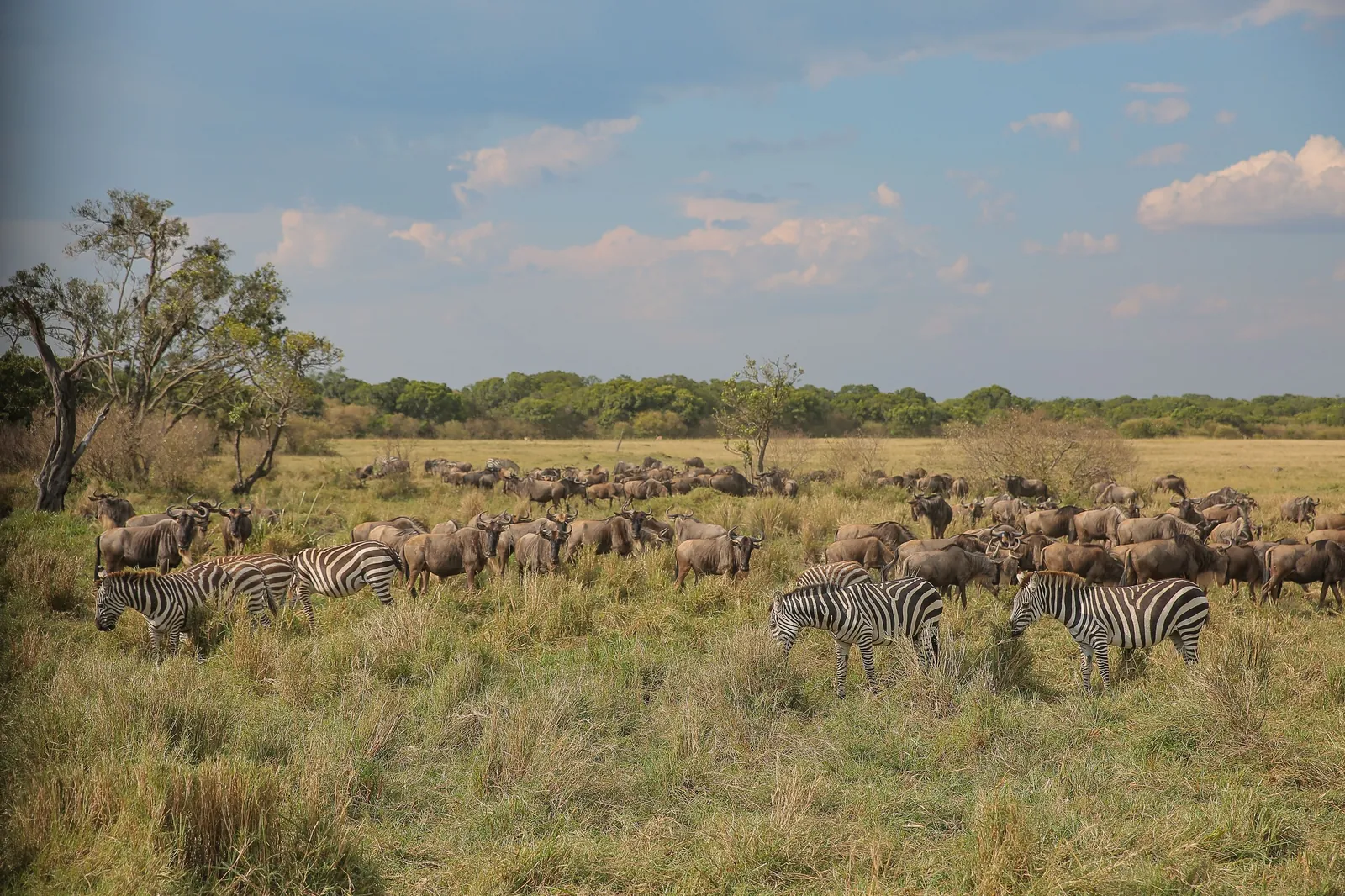
The migration is a visiting population. The Mara's permanent residents are the reason the ecosystem can stage the spectacle at all: prides that hold river and escarpment territories through every month, leopards along the wooded lines, cheetah on the open grass, elephant families moving between the reserve and the conservancies, giraffe, resident buffalo and the protected rhino areas the rangers watch daily.
This is not a consolation-prize list. The cat viewing that made the Mara's television reputation is resident cat viewing; the famous prides did not earn their names in August alone. A traveller who has the Mara's predators mostly to themselves in February is watching the same animals the July crowds queue for, on the same ground, in better light.
The supporting cast deepens the case. The ecosystem's birding is superb year-round and peaks with the northern migrants of the green months; the rhino sectors are a conservation story worth hearing from the rangers who write it; and the hippo pools, crocodile reaches and riverine forest hold their theatre in every season. None of it migrates, and none of it appears in a marketing calendar built around one species' commute.
02
The year, month by honest month
January to March is the quiet dry window: short grass, concentrated game around water, hot bright days and low vehicle density. It is Sail's favourite recommendation for returning safari travellers and for photographers, and it pairs naturally with a beach finish.
April and May are the long rains, the true low season: some camps close, black-cotton roads test patience, and the reward is emerald light, dramatic skies and near-solitude at the lowest rates of the year. June builds toward the window; July to October is the migration season this journal covers on its own pages; November's short rains break the heat and start the green flush; December is a lovely, underrated bridge into the festive weeks.
Two practical notes stop the calendar misleading anyone. First, weather is weighting, not law: the rains have arrived early, late and barely at all in recent years, which is why we design margin rather than promises around any month's reputation. Second, the festive fortnight prices like a fifth season of its own, with peak-level rates and firm minimum stays at the best camps regardless of what the wildlife calendar says; book it on crossing-season horizons or design around it.
January to March
Short-grass game viewing at its cleanest: resident cats, low vehicle density, strong light. The connoisseur's dry season.
April to May
The long rains: lowest rates, some closures, emerald solitude. For photographers and the unhurried.
July to October
The migration window: the river country fills, camps sell out and the reserve runs at full theatre. Book the year ahead.
November to December
Short rains then a green, gentle build to the festive weeks: newborn plains game, returning birds, fair rates.
03
Where the conservancies change the arithmetic
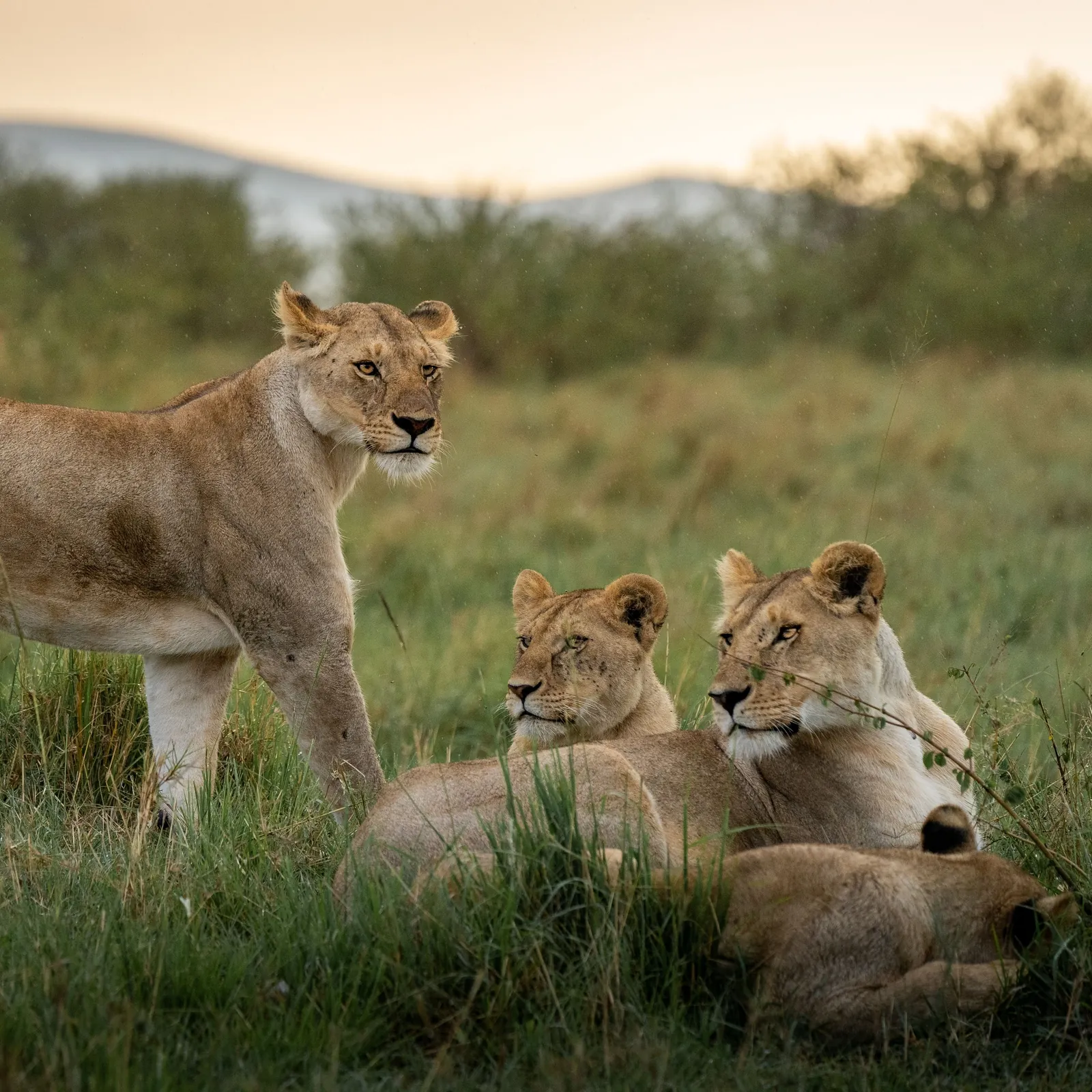
The reserve is public ground with a published gate price, 200 US dollars per person per day under Narok County's current schedule, and it is where the largest crossings and the heaviest traffic both happen. The conservancies that ring it are member land: access rides on staying at a member camp, the fee, roughly 100 to 140 US dollars per person per night, flows to landowning families, and vehicle numbers are limited by agreement rather than by hope.
Outside the migration window this difference compounds. A quiet-season conservancy stay offers night drives and walking where permitted, off-vehicle experiences the reserve cannot allow, and game viewing shared with a handful of vehicles rather than a gate's worth. Our reserve-or-conservancy page carries the full comparison; the seasonal note is simply that the conservancy premium buys the most exactly when the crowds are gone.
04
How Sail builds the non-migration Mara file
The design logic inverts. In the window we position for the river; outside it we position for territory: a camp inside a strong conservancy, or a reserve camp near the escarpment's resident prides, chosen with the month's grass and water in mind. Three to four nights carries a quiet-season Mara well; five justifies itself for photographers working specific cats.
The commercial logic helps rather than hurts. Green-season rates commonly run twenty to thirty-five percent below peak across our contracted Kenya portfolio, which funds either a better camp tier or more nights for the same money, and availability is honest: files assemble in weeks, not years. From the Sail operations desk, checked August 2026: the fee lines stay published and fixed year-round, the reserve at its daily rate and the conservancies per night, restated on every quote and passed through at cost.
Questions travellers ask
Useful answers, before you decide.
Is the Mara worth visiting outside the migration?
For resident wildlife, especially cats, emphatically: the animals hold the same territory all year and share it with far fewer vehicles. The only thing absent is the herds themselves.
What is the cheapest good time for the Mara?
The green months, where rates commonly sit twenty to thirty-five percent below peak. April and May are lowest of all, with some camp closures and rain a real presence; November is a gentler compromise.
Are the crossings the only reason to choose July to October?
The window also brings the largest total spectacle and the fullest camps. If crossings specifically matter, our crossing-mechanism page explains what the season can and cannot promise.
Do conservancy fees apply in the quiet months?
Yes: the per-night fee runs year-round, which is precisely its virtue. It pays member families in the months tourism would otherwise forget, and it appears as its own line on every Sail quote.