
The short answer
What to know first.
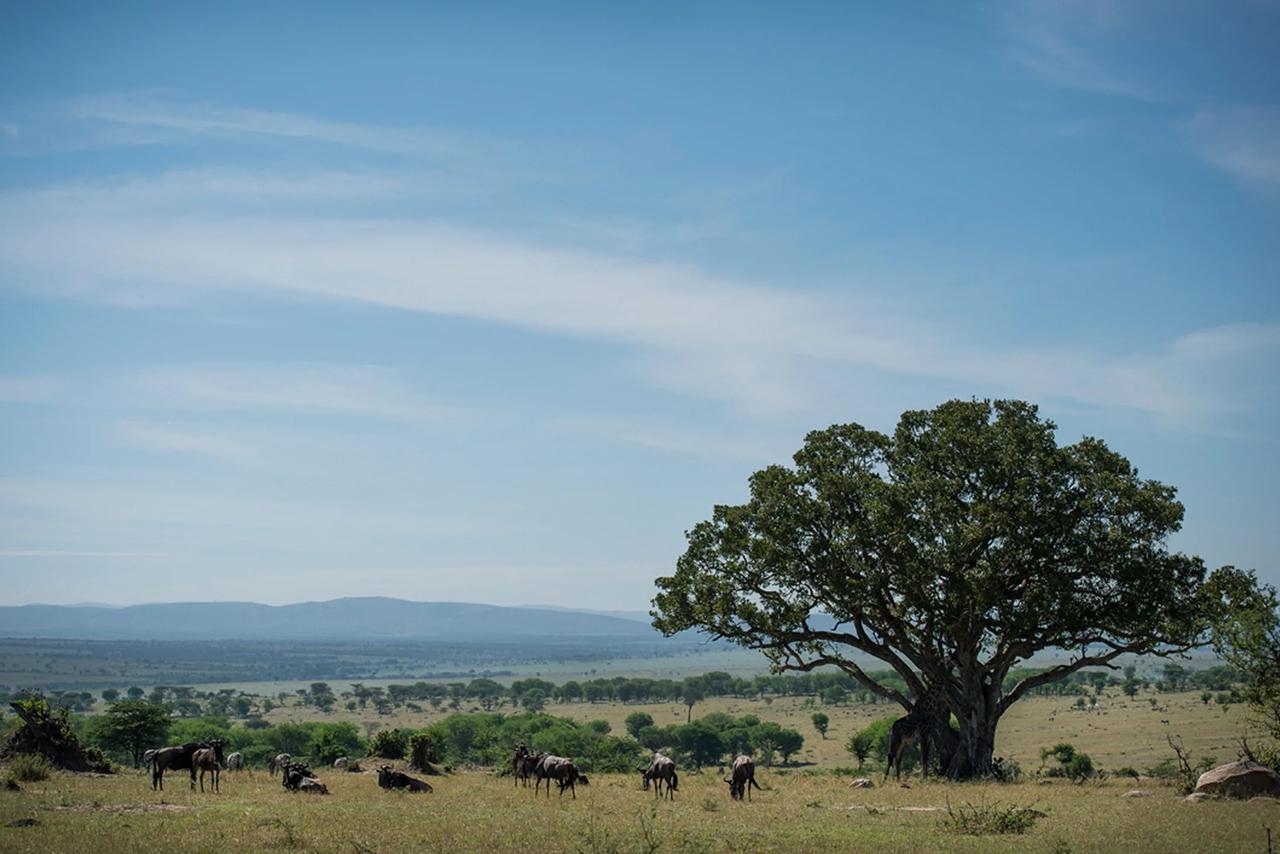
The safari industry sells the dry season and quietly loves the green one, and this page says the quiet part with figures. What the rains actually do: short, dramatic storms, typically afternoon builds that pass, rather than washed-out days; grass turned emerald and skies turned theatrical, which is why the season owns safari photography's best light; a wave of births across the plains game with predators working close behind; and the year's peak birding as the migrants arrive. What they cost: black-cotton roads that test some regions, midday humidity, taller grass that can soften big-cat visibility in specific areas, and, in the deepest months of April and May, a handful of camp closures. The commercial line is the argument's spine: green-season rates across our contracted Kenya and Tanzania portfolio commonly sit twenty to thirty-five percent below peak, availability is honest, and the same money buys either a better camp tier or more nights, which is the single most reliable upgrade in safari. Region choice does the rest: the southern Serengeti's calving weeks are a green-season event outright, the central Serengeti and the Mara's conservancies carry the wet months superbly, while a few black-cotton geographies are honestly better left for the dry. This is the savannah's version of the wet-season honesty our gorilla pages established: the rains are a different show, not a lesser one, and the regions that shine for your dates are confirmed at booking.
At a glance
The planning brief.
What the rains actually do
Short dramatic storms, emerald grass, newborn plains game, peak birding and the year's best light between the showers.
What they cost
Some black-cotton roads, midday humidity, and in the deepest months a handful of camp closures.
The price is the argument
Rates commonly sit twenty to thirty-five percent below peak, funding better camps or more nights.
Sail verifies
Which regions and camps genuinely shine in the green months for your dates, confirmed against current operations.
01
What rain actually looks like on safari
Delete the monsoon image. East Africa's rains mostly arrive as convection: a bright morning, clouds building through lunch, a dramatic hour of weather you can watch coming from horizon to horizon, then a rinsed evening with the best light of the year. Full washed-out days happen, more often in the April to May long rains, and they are the exception the brochures pretend is the rule.
The operational truth is that mornings, the game-drive currency, are usually flyable and drivable. Camps run their seasons around the pattern: earlier drives, flexible timings, ponchos in the vehicle and a fire lit for the storm hour. Guests who arrive braced for attrition spend the week photographing skies they will never see in the dry.
02
What the season gives
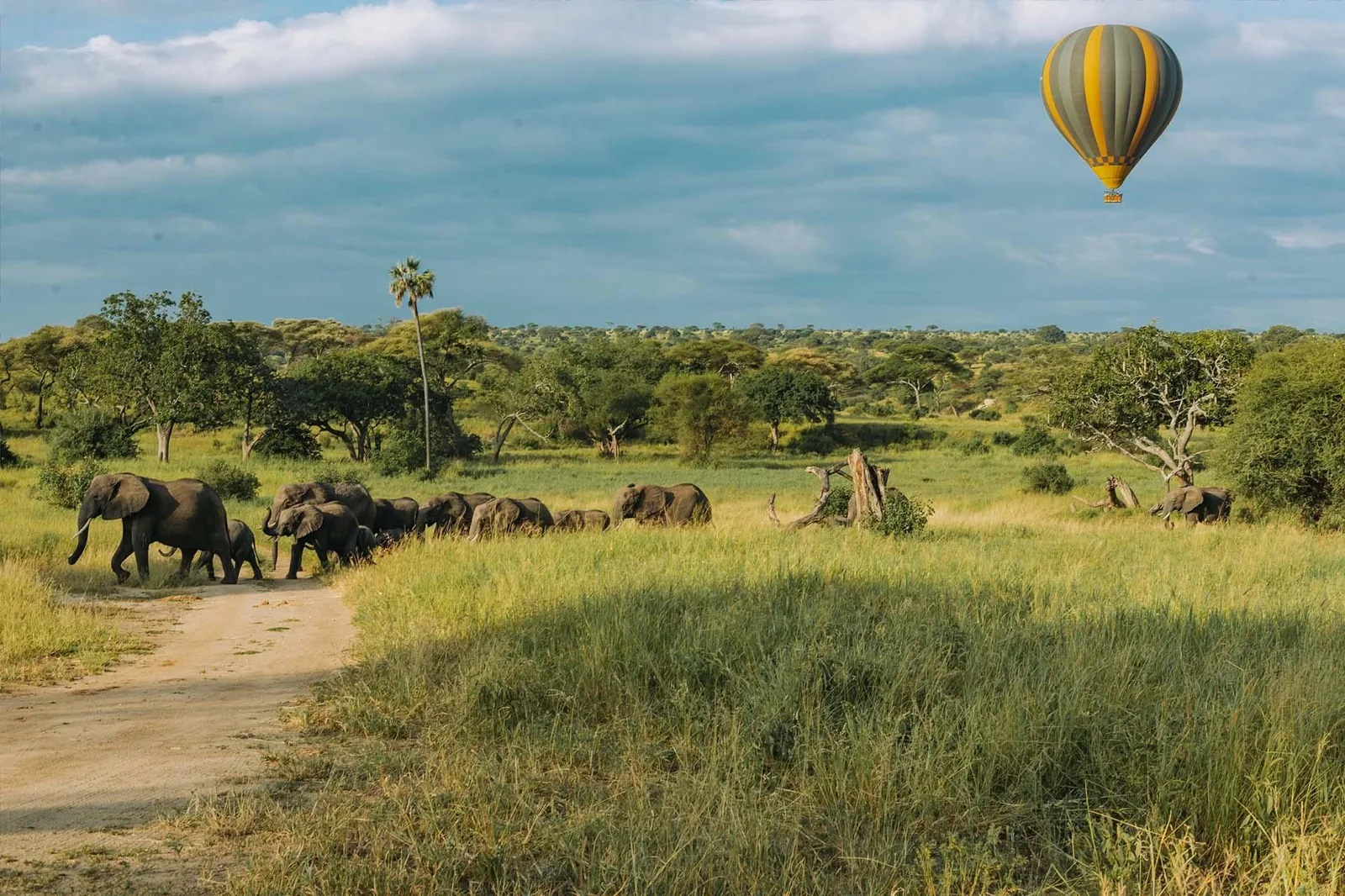
Light first: storm fronts, rinsed air and low sun produce the images that win the season its professional following, and the dust that softens dry-season backgrounds is simply gone. Then the life: the plains game drops its young on the new grass, the southern Serengeti's calving weeks being the headline case, predators concentrate on the abundance, and the migrant birds arrive in their hundreds of species for the year's birding peak.
Privacy completes the case. The vehicle counts of the famous months thin dramatically, conservancy traversing can feel private outright, and sightings breathe: a leopard watched alone in February is a different memory from the same leopard shared in August. For returning travellers especially, the green season is when the famous places give themselves back.
03
What it costs, said plainly
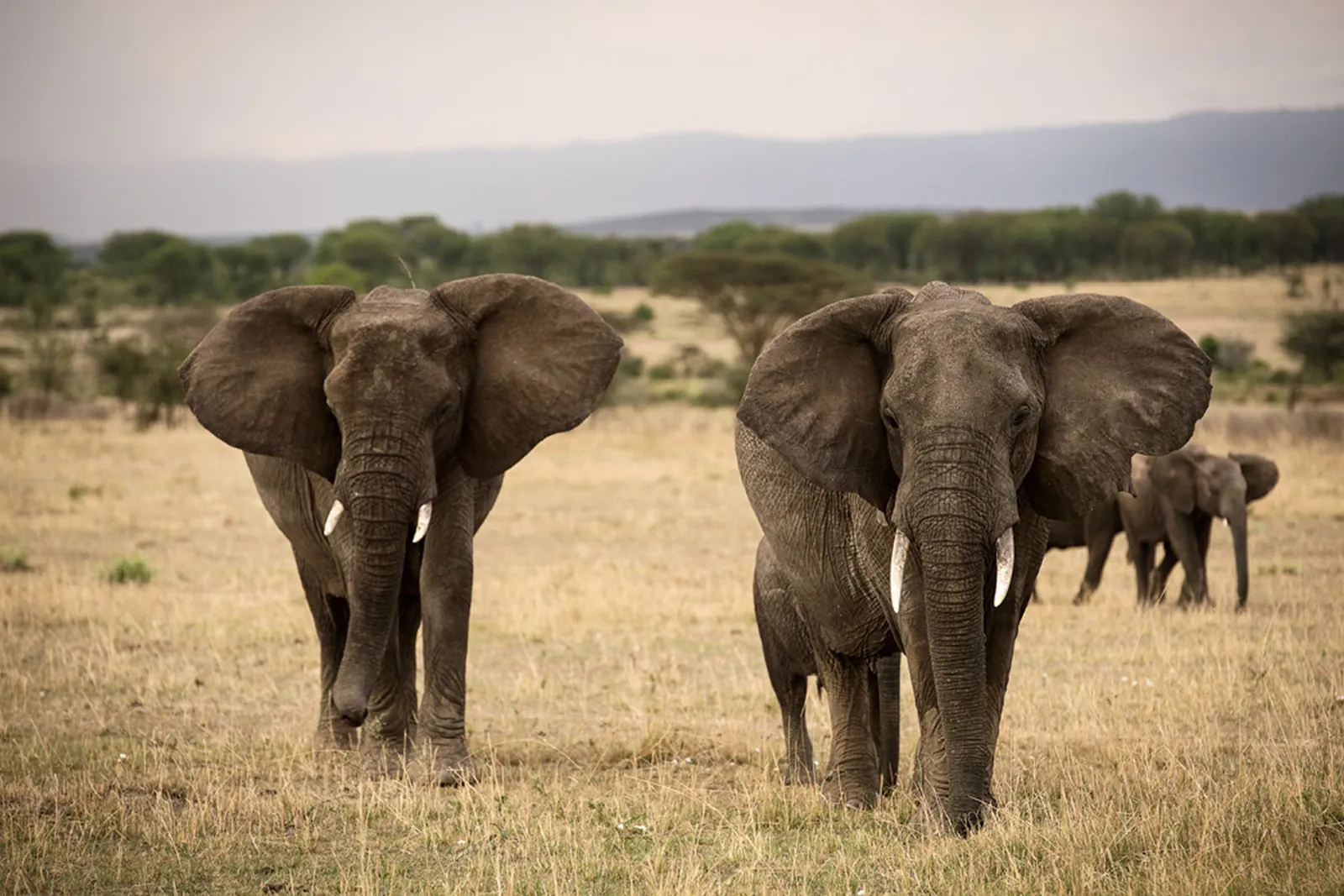
Black-cotton soil is the season's honest tax: certain geographies turn heavy after rain and ask patience, robust routing or a different region entirely, and our route design treats soil maps as seriously as game maps in these months. Grass height can soften visibility for the smallest cats in specific areas; humidity rises at midday; and in the deep long rains a minority of camps close or reduce operations.
None of this is disqualifying; all of it is designable. The green-season file leans on regions with all-weather access and resident density, keeps flying legs where roads are the risk, and pads margins so a storm hour costs nothing. What it does not do is pretend: a traveller who cannot tolerate any weather risk belongs in the dry months, at the dry months' prices, and we say so.
Book the green season for
Photography's best light, the calving weeks, peak birding, private sightings and rates commonly twenty to thirty-five percent below peak.
Accept in exchange
Storm hours, black-cotton patience in specific geographies, midday humidity and a handful of deep-season closures.
The regions that shine
Southern Serengeti in the calving weeks, the central circuits year-round, the Mara conservancies, Laikipia's all-weather ground.
The honest exclusions
Itineraries that cannot absorb a lost hour, and the specific black-cotton geographies your route designer will name for your dates.
04
The arithmetic, and who should say yes
Run the numbers on a real file: at rates twenty to thirty-five percent under peak, a couple's ten-night journey funds either a full tier upgrade, the difference between very good and extraordinary camps, or two to three additional nights, which our duration pages argue is the purchase that most improves safaris. No dry-season line item competes with that trade, and availability means the file assembles in weeks rather than years.
Say yes if you are a photographer, a birder, a returning traveller, a value-maximiser with schedule flexibility, or a calving-season candidate. Say no if your dates are immovably tied to a short window where a storm would be a crisis, or if this is a once-only trip whose whole value hangs on one specific dry-season spectacle. From the Sail operations desk, checked August 2026: the green months are when our repeat guests travel, which is the closest thing to a verdict this industry produces.
One design habit makes the season nearly riskless: pair regions rather than betting one. A green-season file that holds the southern calving grass and a central or conservancy chapter carries two independent draws, so a wet spell in one is a photograph in the other. Add the flying legs where soil is the risk and the itinerary's weather exposure drops to the storm hour itself, which was never the enemy: it was the show.
Questions travellers ask
Useful answers, before you decide.
Does it rain all day in the green season?
Rarely: the pattern is afternoon builds that pass, with mornings usually clear for drives. Full wet days concentrate in the April to May long rains and are the exception, planned around rather than suffered.
Is wildlife harder to see in the green months?
Different, not worse: residents hold territory, births concentrate predators, and only specific tall-grass areas soften visibility. The calving weeks are among the year's best wildlife viewing anywhere.
How much cheaper is the green season really?
Across our contracted Kenya and Tanzania portfolio, commonly twenty to thirty-five percent below peak, restated exactly on your quote. The saving funds a tier upgrade or extra nights.
Which months are the deepest rains?
April and May carry the long rains and the few closures; November's short rains are gentler. The regions that suit each window are confirmed against current operations at booking.