The short answer
What to know first.
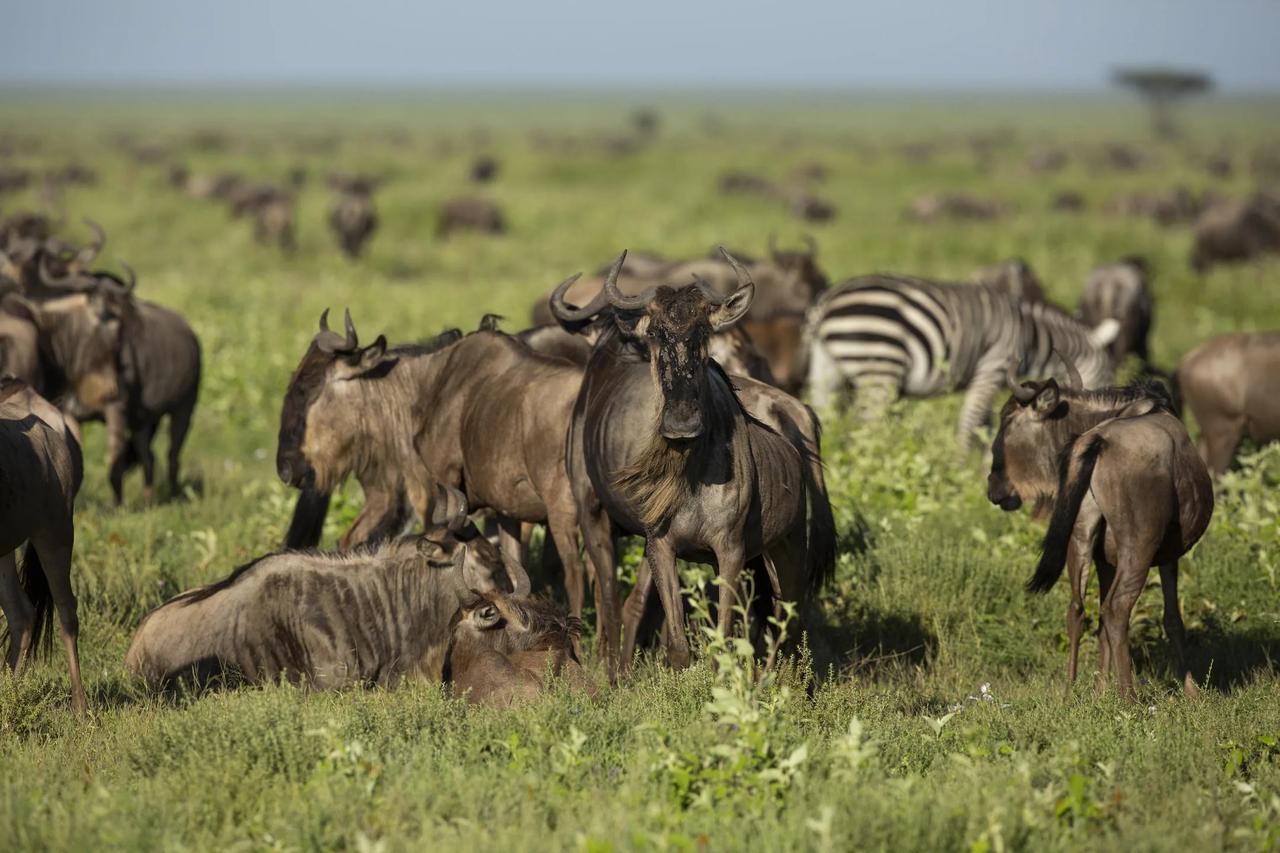
The migration has two peaks and the brochures only sell one. While the crossing season fills the northern river country from July to October, the herds spend the southern summer, roughly December to March with February at its heart, massed on the short-grass plains around Ndutu and the southern Serengeti, and in a compressed window of a few weeks they drop hundreds of thousands of calves on grass the rains have just renewed. The spectacle is different in kind from the crossings: not a river's violence but a plain's abundance, newborns finding their legs within minutes, and the densest predator activity of the year, because concentrated birth concentrates lions, cheetah and hyena with it. For photographers, second-safari travellers and anyone allergic to convoys, this is frequently the better migration: the light is storm-washed, the vehicle density is a fraction of July's, and green-season rates commonly sit twenty to thirty-five percent below peak. The operating notes matter: much of the season's best ground sits on the Ndutu side of the boundary, inside the Ngorongoro Conservation Area, where the NCAA's daily fee, currently 70.80 US dollars per person per day, applies rather than TANAPA's Serengeti tariff, and the best-positioned seasonal camps hold their own early booking horizon, softer than July's but real. Exact timing is rain-led and never promised; the season, the ground and the figures are confirmed at booking.
At a glance
The planning brief.
February belongs to the south
The herds mass on the Ndutu short grass to drop hundreds of thousands of calves within weeks.
Predator theatre
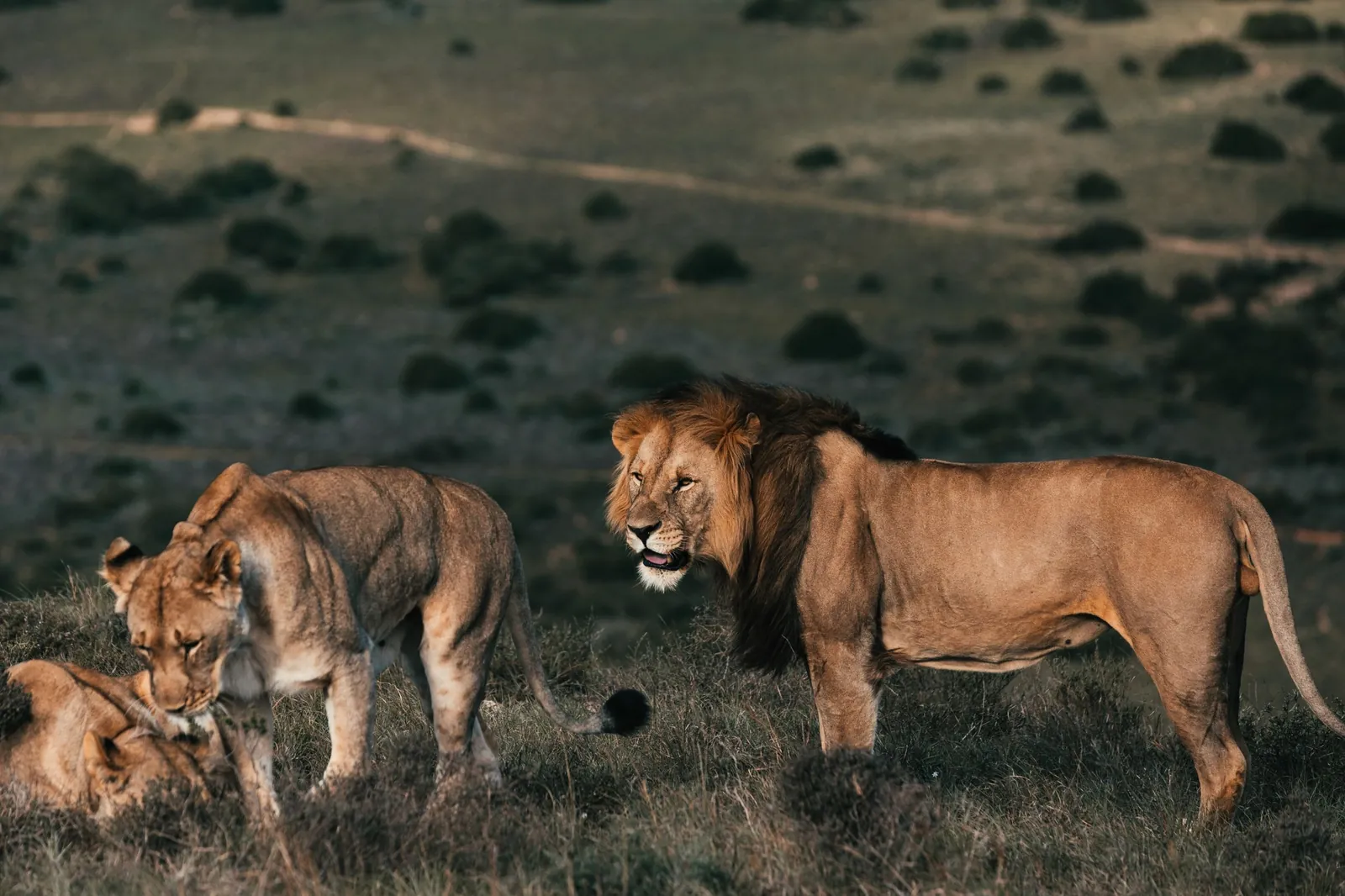
Concentrated births concentrate lions, cheetah and hyena; the season's drama is daily and close.
Books early, quietly
The best Ndutu camps hold their own early horizon; it is softer than July's but real.
Sail verifies
Camp positions on the season's grass, NCAA fee treatment for Ndutu-side stays and live availability.
01
What the season actually is
The wildebeest year is a circle drawn by grass. After the northern dry season, the herds swing south to the short-grass plains the volcanic soils make sweetest, and there, on ground the short rains have flushed green, the females drop their calves in a tight synchronised pulse, most within a window of a few weeks that usually centres on February.
The synchrony is the strategy: a plain flooded with newborns overwhelms what predators can take. For the watcher this means the two things at once that make the season extraordinary, tenderness and threat on the same ground: a calf running minutes after birth, and the cheetah that has been watching it stand. Nothing else in the safari year holds both so closely.
The wildebeest are the headline and not the whole bill. The zebra foal alongside them, the short-grass plains at their greenest, the volcanic horizon of the crater highlands standing over the whole scene, and birding at its annual peak with the migrants in: February's supporting programme would carry a safari on its own. Photographers speak of the season's light the way the north's regulars speak of the river, and they are describing the same thing: the year's drama at its most concentrated.
02
Where it happens, and whose fees apply
The season's centre of gravity is the Ndutu area and the neighbouring short-grass plains, ground that famously straddles an administrative line: much of it lies inside the Ngorongoro Conservation Area rather than Serengeti National Park. The herds ignore the boundary; the invoice does not. Ndutu-side stays carry the NCAA's daily fee, currently 70.80 US dollars per person per day, while park-side stays fall under TANAPA's Serengeti tariff of 82.60 per day with 70.80 per night in concession fees.
Off-road driving rules also differ by ground under current regulations, which is a quiet advantage of a guide who works the season every year: where the vehicle may go matters more in calving season than almost any other month, and the difference between watching a hunt and watching a horizon is often the guide's knowledge of exactly that line. Fee treatment and current rules are restated on every quote.
03
Booking it honestly
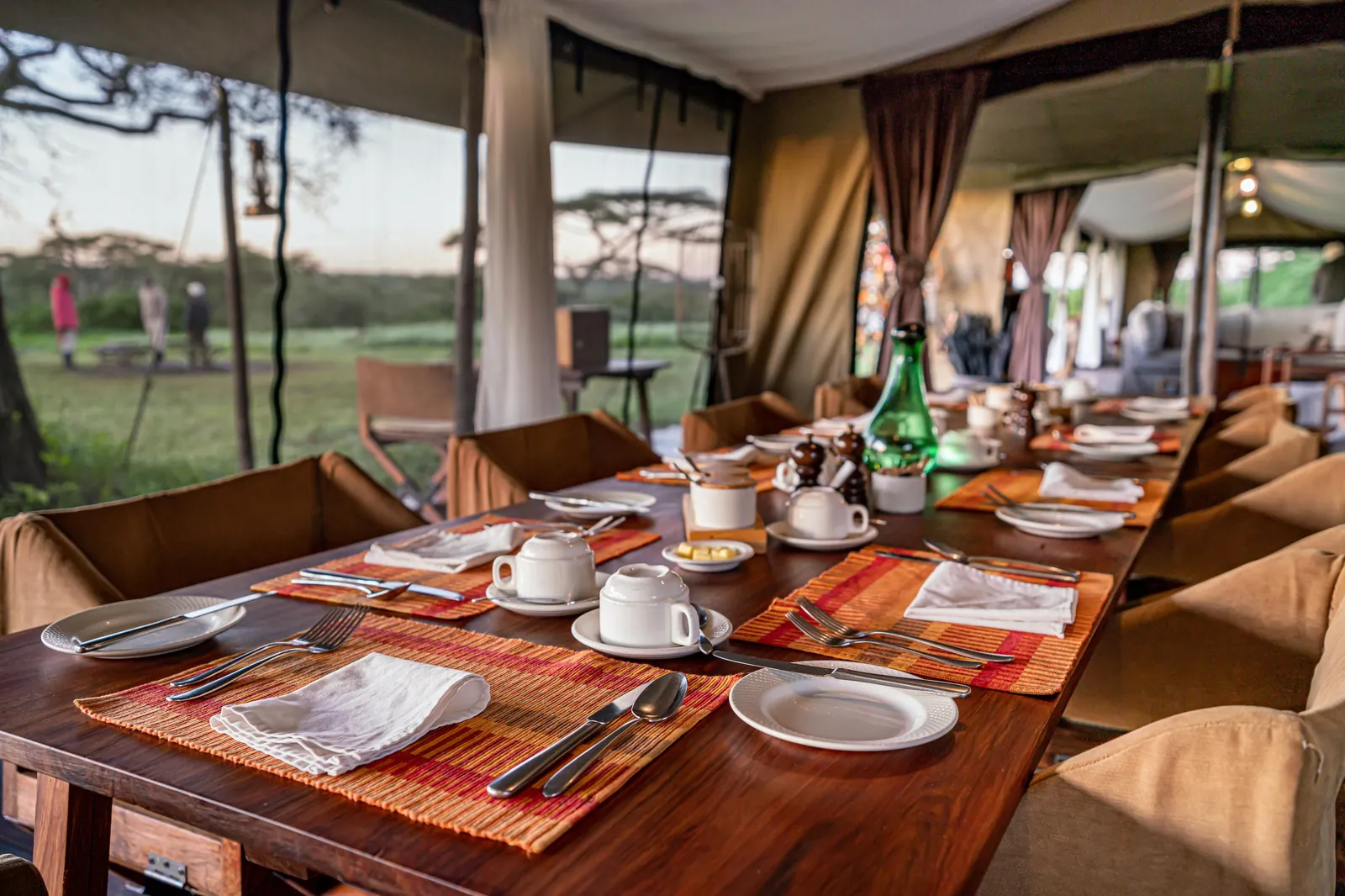
The season books like a quieter sibling of July: the handful of camps positioned directly on the season's grass, the seasonal operations at Ndutu and the southern plains, hold an early horizon for February, and the best of them are committed by travellers who book on a year's rhythm. Nine to twelve months ahead is comfortable for first-choice camps in the heart weeks; inside six months good files are still built from the season's breadth, because the southern plains are large and the herds spread.
Rates are the season's quiet argument: the green months commonly price twenty to thirty-five percent below peak across contracted portfolios, which funds either a better camp or the extra nights the season rewards. Four nights is our working minimum on the calving grass; the pulse is rain-led and mobile, and a margin of mornings is what converts a good season into the day nobody forgets.
Design the season's weather in rather than against. February's storms are part of its photography, afternoon builds that light the plains and pass; camps run normally through them, and the black-cotton ground that complicates the deep rains is at its most forgiving in the season's heart weeks. A file with flexible mornings, a guide reading the grass and no appointment it cannot move is weatherproof in every way that matters on the southern plains.
The heart weeks
Usually February, rain-led and never promised: the synchronised pulse concentrates in a few weeks inside a December-to-March season.
The ground
Ndutu and the southern short grass, straddling the NCAA-Serengeti boundary; fee treatment follows where you sleep and drive.
The horizon
Nine to twelve months for first-choice seasonal camps in peak weeks; softer than July, firmer than the brochures imply.
The price
Green-season rates commonly twenty to thirty-five percent below peak: the rare case where the better photography costs less.
04
Who should choose it over the crossings
Choose calving if you want drama that unfolds in front of a parked vehicle rather than at a riverbank's pace; if photography leads the file, for the storm light and the newborn-and-predator frames; if this is a second migration safari and July's boxes are ticked; or if crowd-aversion is real, because the southern summer's vehicle density is the migration at its most private.
Choose the crossings if the river itself is the image you carry, and read our crossing pages honestly first. Choose neither and take the Mara's quiet months or the Serengeti's centre if what you want is simply excellent big-game viewing without a seasonal bet. From the Sail operations desk, checked August 2026: the calving files we run convert sceptics at the highest rate of any season we sell, and they book the following February before they land.
Questions travellers ask
Useful answers, before you decide.
When exactly is calving season?
The season runs roughly December to March on the southern short grass, with the synchronised birthing pulse usually centring on February. It is rain-led: the weeks shift with the grass, which is why we build margin rather than promises.
Will I see births and hunts?
The season offers the year's highest density of both, and no honest operator promises either on a given day. More mornings on the right grass is the only lever, exactly as with the crossings.
Is February good for families?
Genuinely: the viewing is close, the drives can be shorter, camps are quieter and rates are kinder. Heat and the season's storms are the trade, and camp choice handles both.
Ndutu or the park side for the season?
The herds decide by the week, which is why seasonal camps exist. Ndutu-side ground carries NCAA fees and different driving rules; your quote states the treatment for the exact camps proposed.