
The short answer
What to know first.
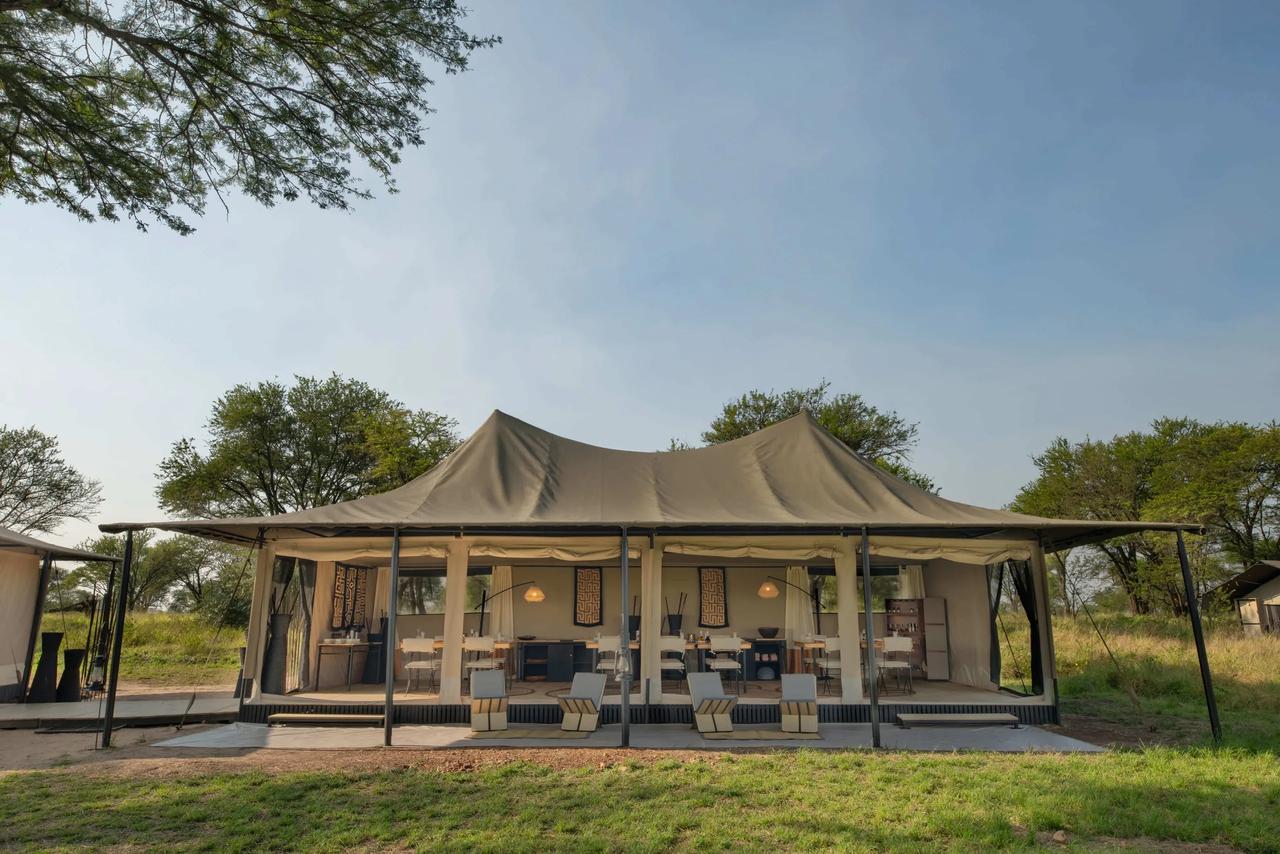
Migration-season camps are the savannah's version of permit scarcity, and the arithmetic explains every frustrating email a late planner receives. The river country that serves the crossings is a small geography; the camps inside it are deliberately small, a dozen tents being typical; several are mobile operations that exist in the north only for the season; and their July-to-October beds are sold to a global market that plans years out. The practical horizons, from Sail's desk: for the strongest river-position camps in peak weeks, a year ahead is normal and more is common; nine to six months out, good files are still built from the remaining space with flexibility on exact camps; inside six months, the honest method is to design around what genuinely remains, which some seasons is plenty and some seasons is little. 'On request' in this season means a queue behind other requests, not a hold: nothing is yours until the camp confirms and money moves, which is why our rule from the gorilla desk applies unchanged here, pay the scarce thing first. Ndutu's calving camps run a close second in lead times, the green months book gently, and every figure above is a horizon, not a law: the desk checks live space before promising anything, and says plainly what your dates can still buy.
At a glance
The planning brief.
Permit-like inventory
Crossing-season camps are small, fixed in number and positioned by geography; the good ones sell out like permits.
The real horizon
A year ahead is normal for the north's best beds; inside six months, files choose from what remains.
On request, translated
In July, 'on request' means a queue, not a hold. Money and commitment move inventory; enquiry emails do not.
Sail verifies
Live space before anything is promised, alternative shapes when the first ask is gone, and honest waitlist odds.
01
Why this inventory is permit-like
Three constraints stack. Geography: the productive river country at Kogatende and the Mara is compact, and a camp's whole value is being inside it. Scale: the camps are small by design and by licence, ten to fifteen tents, and adding more would destroy what they sell. Season: the mobile operations pitch in the north only for the window, so the year's entire northern supply exists for four months.
Multiply and the numbers are stark: a given famous camp might hold under a thousand bed-nights across an entire crossing season, sold worldwide. That is permit arithmetic wearing canvas, and it rewards the same behaviour permits reward: early commitment, honest flexibility, and a desk that checks live space instead of quoting hope.
02
The horizons, month by month
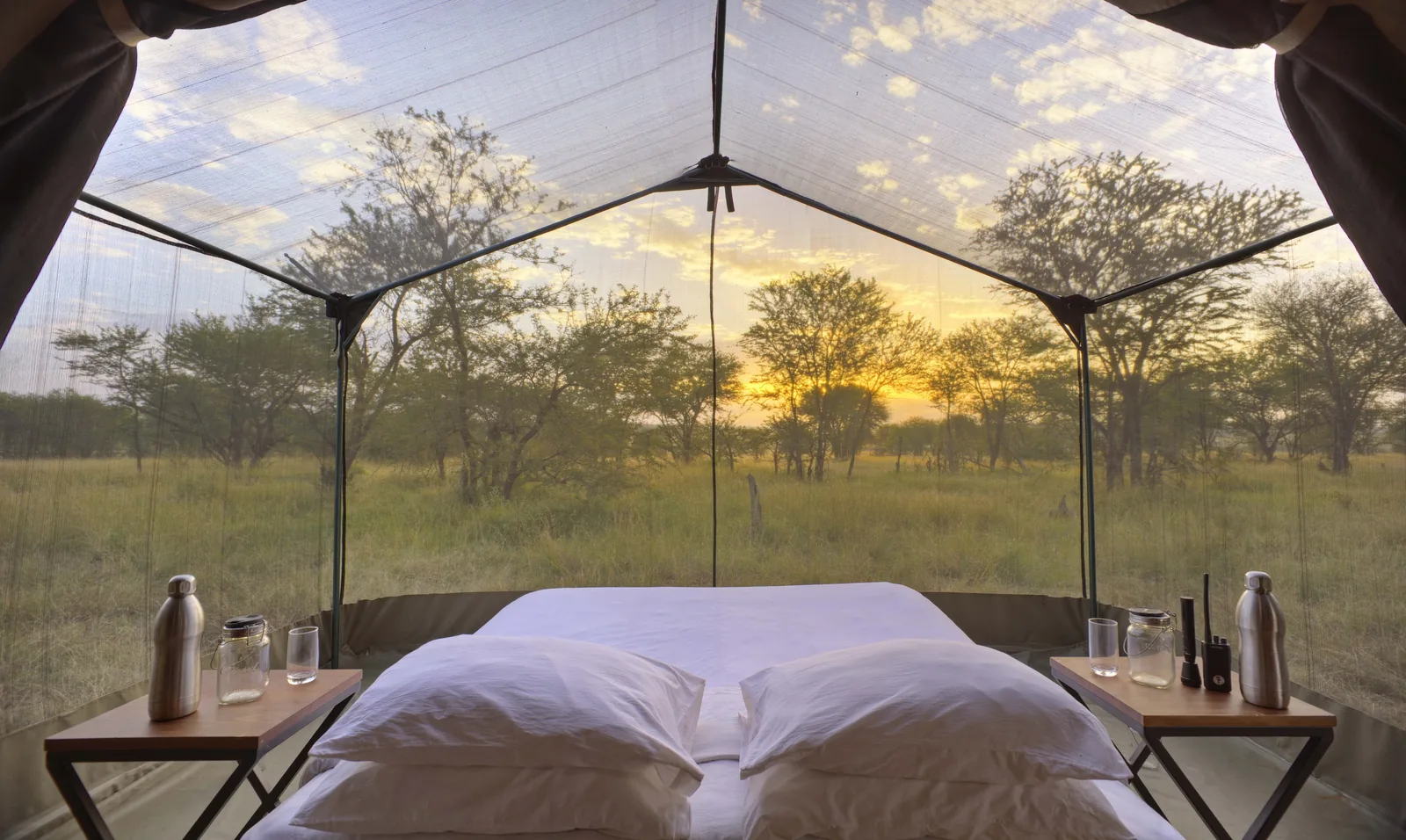
Twelve months and more: the full menu. Every camp, every position, the exact tent count your party needs. Files that know their dates this far out simply get what they ask for, and multi-tent family blocks in peak weeks genuinely need this horizon.
Nine to six months: the working middle. The single most requested camps for the single most requested weeks are gone, and everything else is a design question: a sister camp, a fortnight's shift, a split between two positions. Inside six months: honesty time. Some seasons hold surprising space, cancellations happen, and shoulder weeks forgive; but the method flips from choosing a camp to designing around remaining space, and a good desk says so on the first call rather than the fifth.
Twelve months and more
The full menu: any camp, any position, multi-tent family blocks in peak weeks. The horizon serious August files actually use.
Nine to six months
The working middle: peak weeks at the most requested camps are gone; strong files are designed from sister camps, shoulder weeks and split positions.
Inside six months
Design from live space, not wish lists. Some seasons forgive, some do not; the desk states which on the first call.
Waitlists
Real and worth joining, never worth building the only plan on. Waitlist as upside; confirm what exists.
03
What 'on request' means when it matters
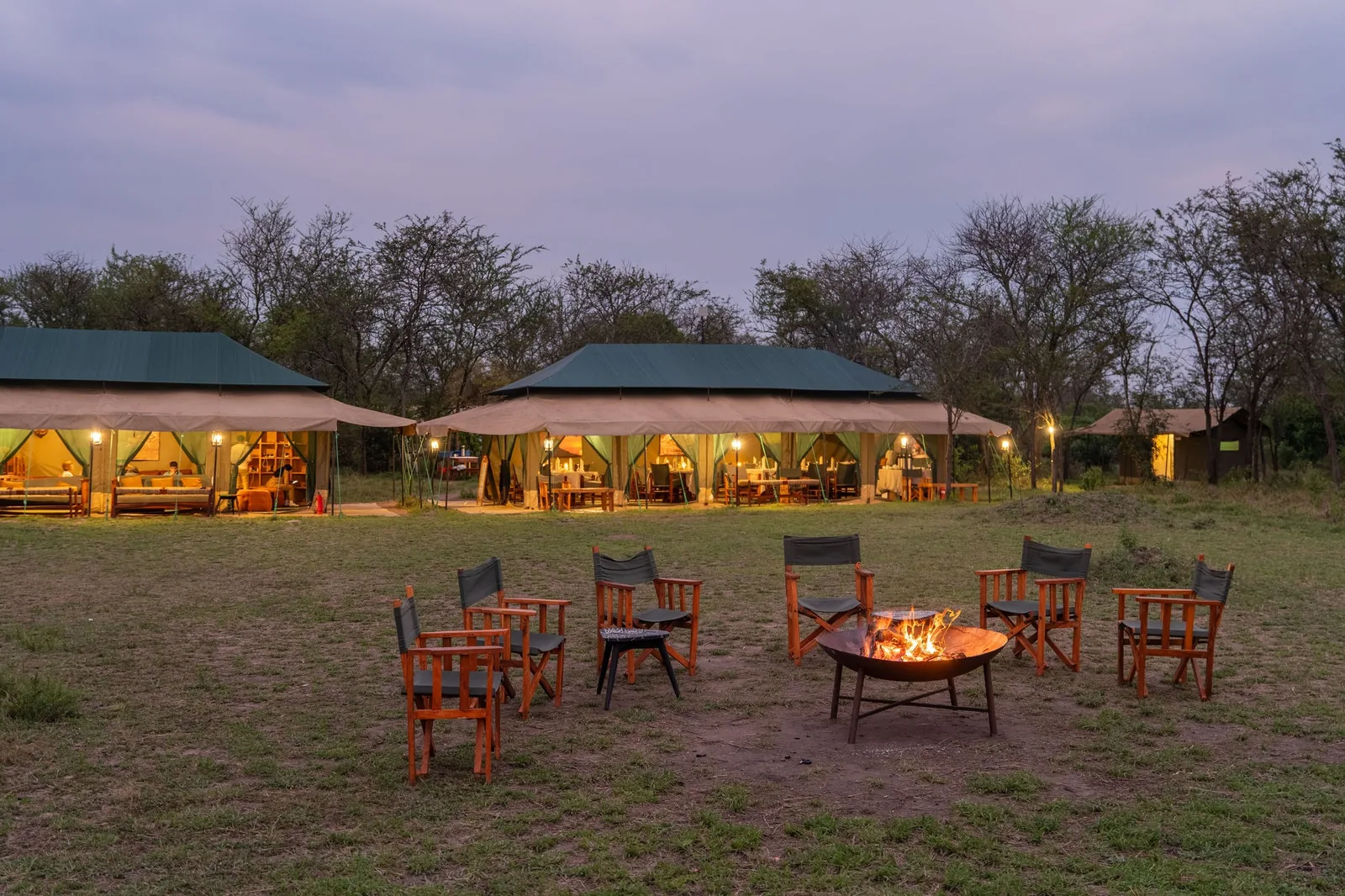
Outside peak season, 'on request' is a formality: the camp will confirm within days and the answer is usually yes. Inside the crossing window it is a different instrument: your request joins others for the same tents, camps answer in order and by commitment, and an unfunded enquiry ages badly in that queue. Nothing on request is yours; it is merely not yet refused.
This is where the gorilla desk's oldest rule crosses the border intact: pay the scarce thing first. When a crossing-season camp confirms, the file moves immediately, deposit and names, because the queue behind you is real. Our page on holding gorilla dates against on-request camps carries the two-scarcities version; here the single-scarcity version is simply speed.
The money mechanics reward preparation. Sail's standard shape, half at confirmation and the balance sixty days before travel, means a peak-season file booked a year out spreads its commitment comfortably; the same file attempted four months out compresses everything into one uncomfortable quarter. Season camps also carry firmer cancellation terms than green-season ones, which is not greed but arithmetic: a tent released late in a twelve-tent camp rarely resells. Insurance from the day of deposit is therefore not an accessory on these files; it is the counterweight to terms the scarcity itself makes strict.
04
Designing around scarcity without losing the season
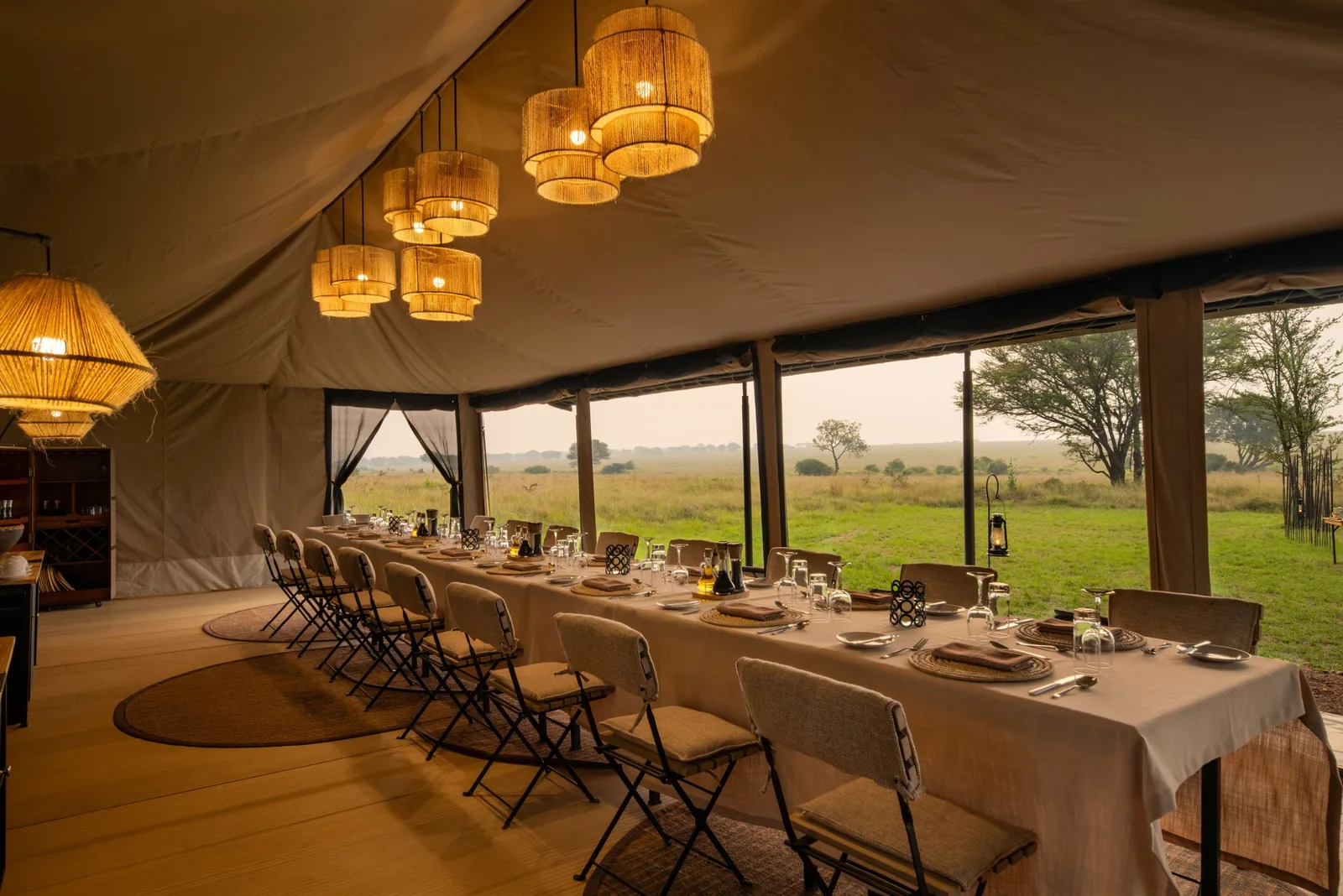
A late file is not a lost file; it is a different design problem, and the alternatives are genuinely good. Split the stay between a river camp for the nights that exist and a central camp for range; take the shoulder weeks either side of peak, when the herds rarely read the brochure dates anyway; consider the Kenyan side if Tanzania is full, or the reverse, since the season is shared; or take the honest advice to aim at Ndutu's calving season instead, a spectacle with its own early horizon but a different pressure curve.
What the desk will not do is pretend: no phantom holds, no 'we can usually get you in', no itineraries built on space that has not confirmed. Jane's team quotes from live availability, states the queue where a queue exists, and prices the alternatives beside the first ask, so the decision is yours and real. Scarcity respected early is a detail; scarcity discovered late is the whole story of a ruined year.
The contrast is worth naming, because it frames the whole page: outside the crossing and calving windows, the same ecosystem books gently. Green-season files assemble in weeks, rates commonly sit twenty to thirty-five percent below peak, and the central Serengeti's resident wildlife does not read the calendar at all. The scarcity this page describes is a four-month phenomenon around one river, not the character of the destination; travellers with flexible dates hold more power than any booking horizon can take away.
Questions travellers ask
Useful answers, before you decide.
How far ahead should a family needing four tents book?
For peak crossing weeks, a year and more: multi-tent blocks are the first shape the inventory refuses. Single couples have more grace; large parties have almost none.
Are cancellations worth waiting for?
They exist, and Jane's team runs genuine waitlists with honest odds stated. Building a journey's only plan on one is how seasons are lost; waitlist as upside, design from what is real.
Do mobile camps cost less than permanent lodges in season?
Not reliably: position prices the season more than structure does. The mobile-versus-permanent choice is about style and movement, and has its own page in this programme.
Is the calving season easier to book?
Easier than the crossings, with its own early horizon for the best Ndutu positions in February. The same commitment logic applies a notch softer.