
The Serengeti
The endless plains, experienced in the right place and at the right time: from southern calving grounds to the Mara River.
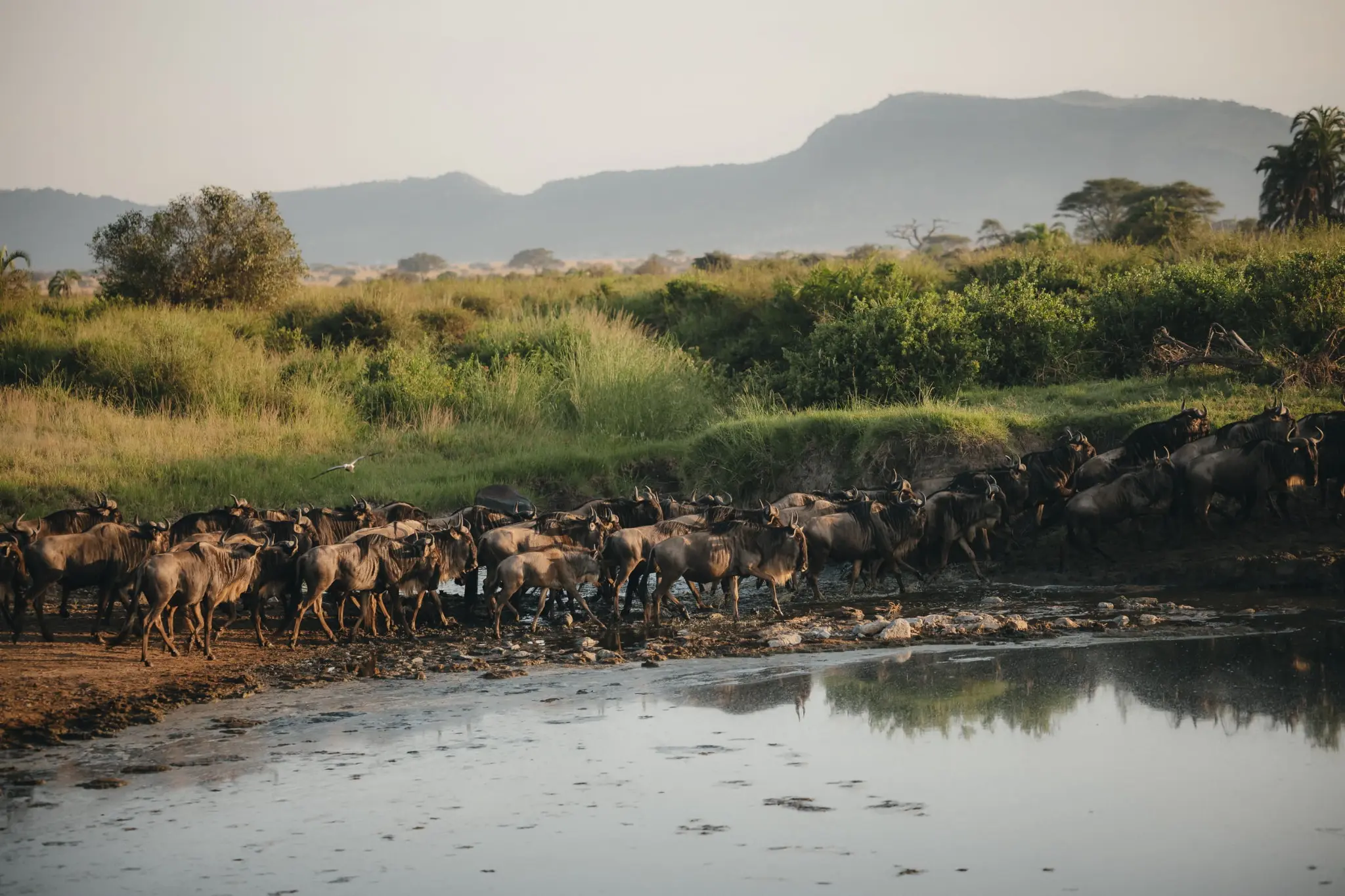
The great wild theatre
The Serengeti’s moving herds, Ngorongoro’s ancient caldera and Tarangire’s elephant country.
The experience
Tanzania is not a single safari. It is a sequence of distinct landscapes, each requiring the right timing, camp and pace. We design around wildlife movement rather than fixed checklists.
Design a journey hereDecision-led planning
In-depth destination guides
The right geography, access and lodge position matter as much as the country name.
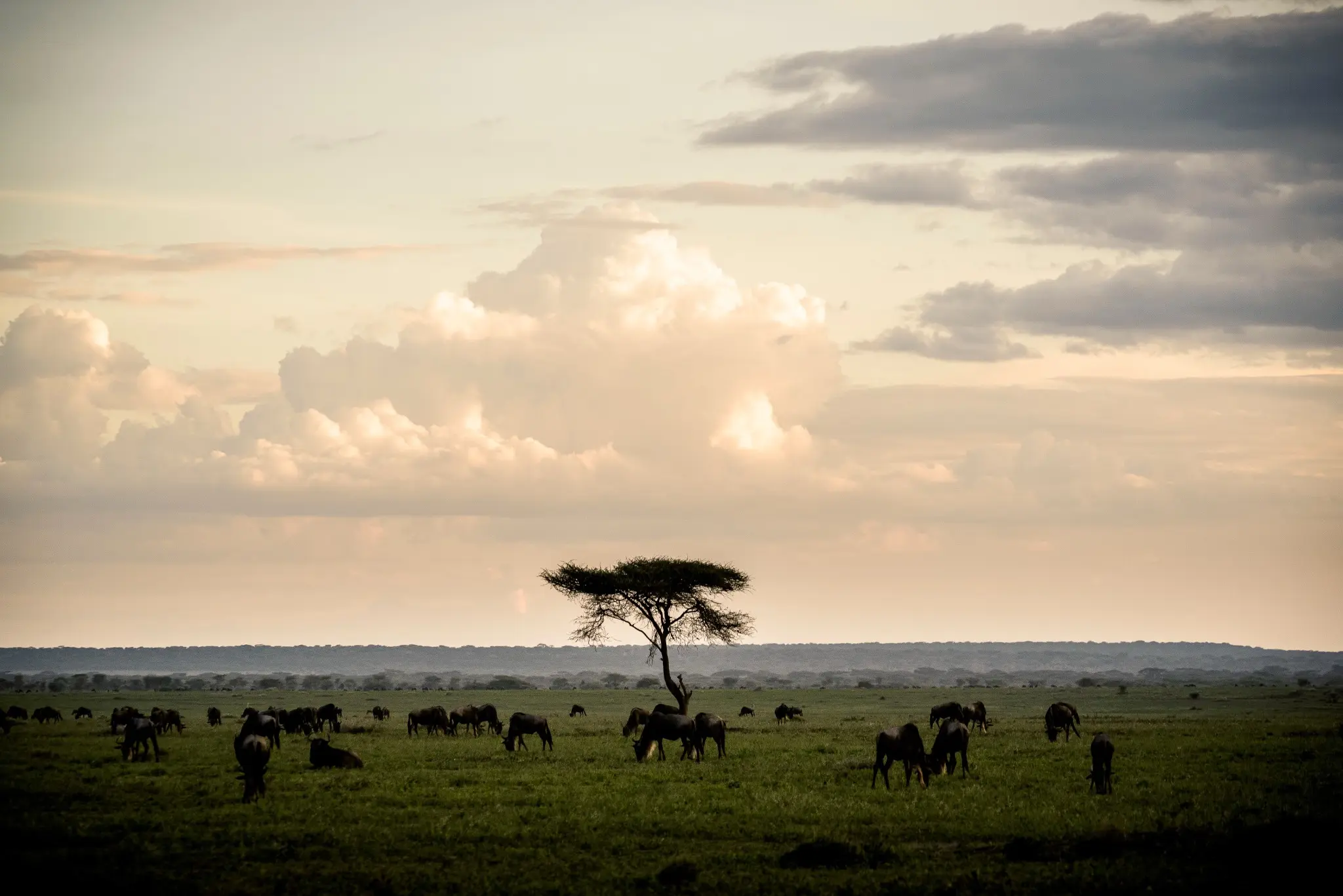
The Serengeti is not a single point on a map. Its southern plains, central valleys, eastern grasslands, western corridor and northern river country each come into their own at different moments. Sail begins with your dates, then chooses the region, camp style and number of nights around the experience you actually want.
Read the guide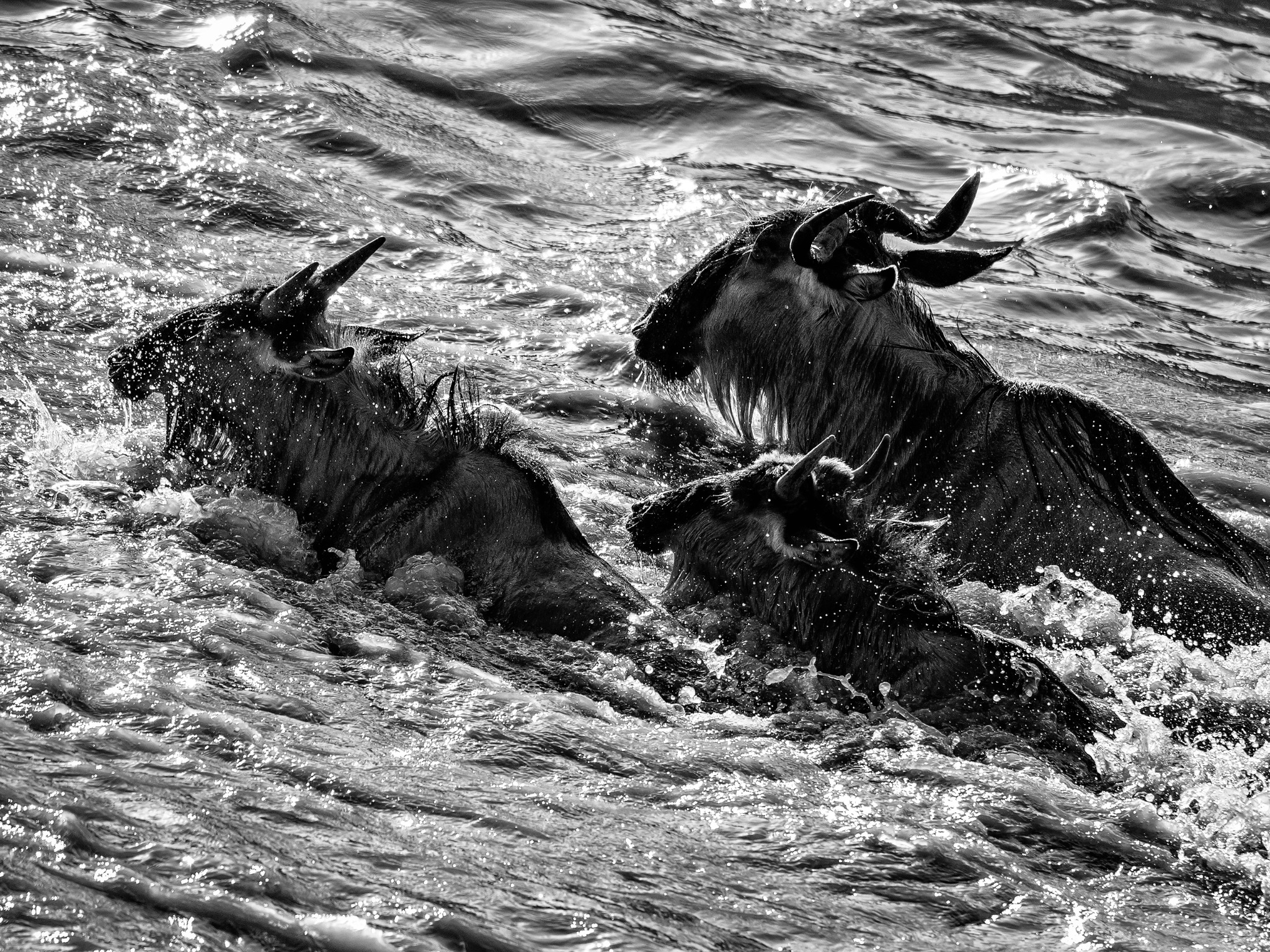
The Seronera Valley and surrounding plains sit at the Serengeti’s geographic and wildlife-rich centre. Permanent water, rocky kopjes and varied habitat support strong resident game, making this the most dependable all-season chapter and a natural connection between the wider regions.
Read the guideThe far north is known for the Mara River season, but its quieter valleys, kopjes and woodland make it a complete safari region in its own right. Sail designs enough time for the landscape and resident wildlife, never presenting a crossing as a scheduled performance.
Read the guide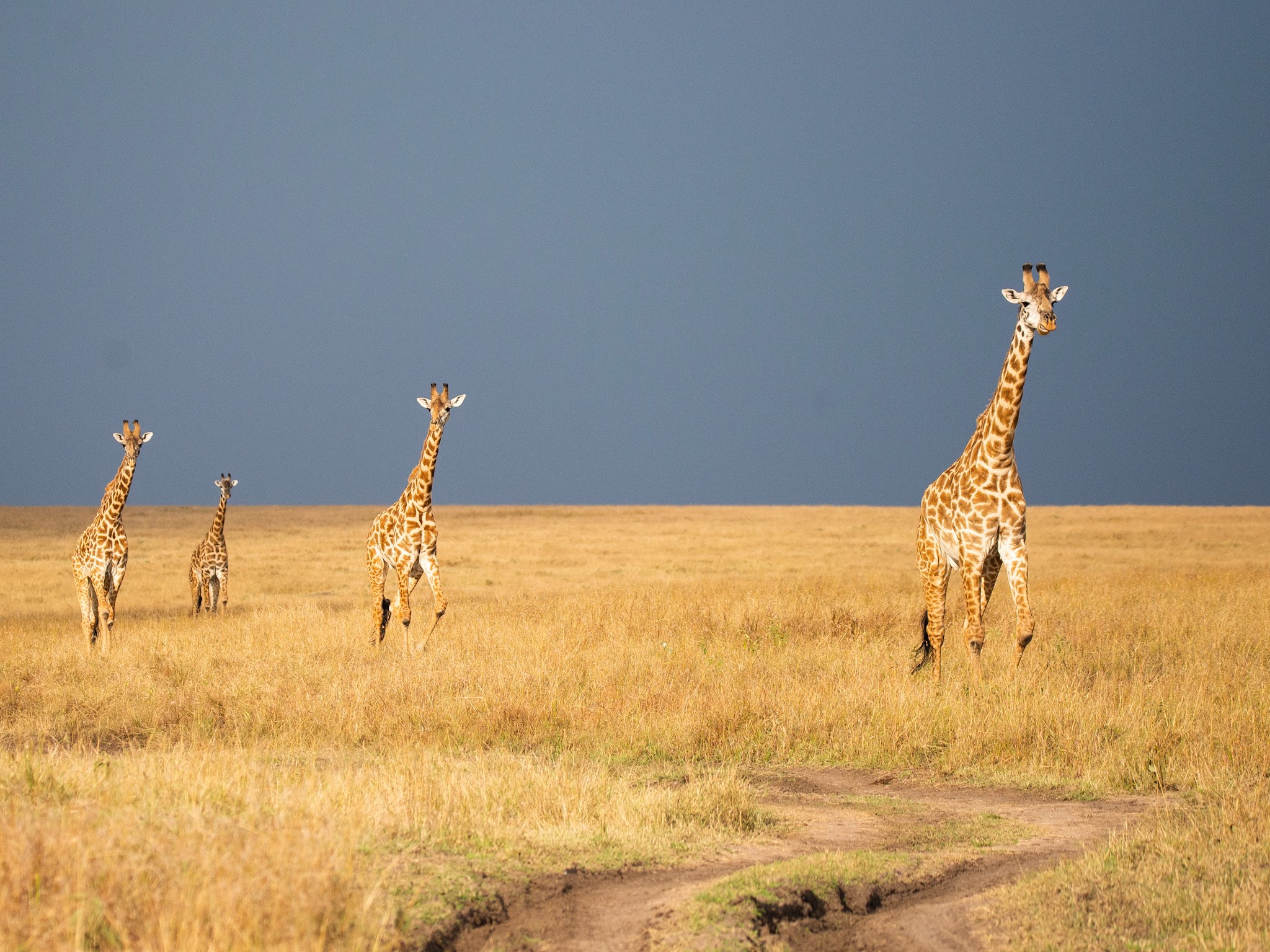
The southern plains and Ndutu area come alive when rain renews the grass and the migration gathers to calve. Vast horizons, newborn wildebeest and concentrated predator activity create an intense seasonal chapter shared across the Serengeti and Ngorongoro conservation landscape.
Read the guide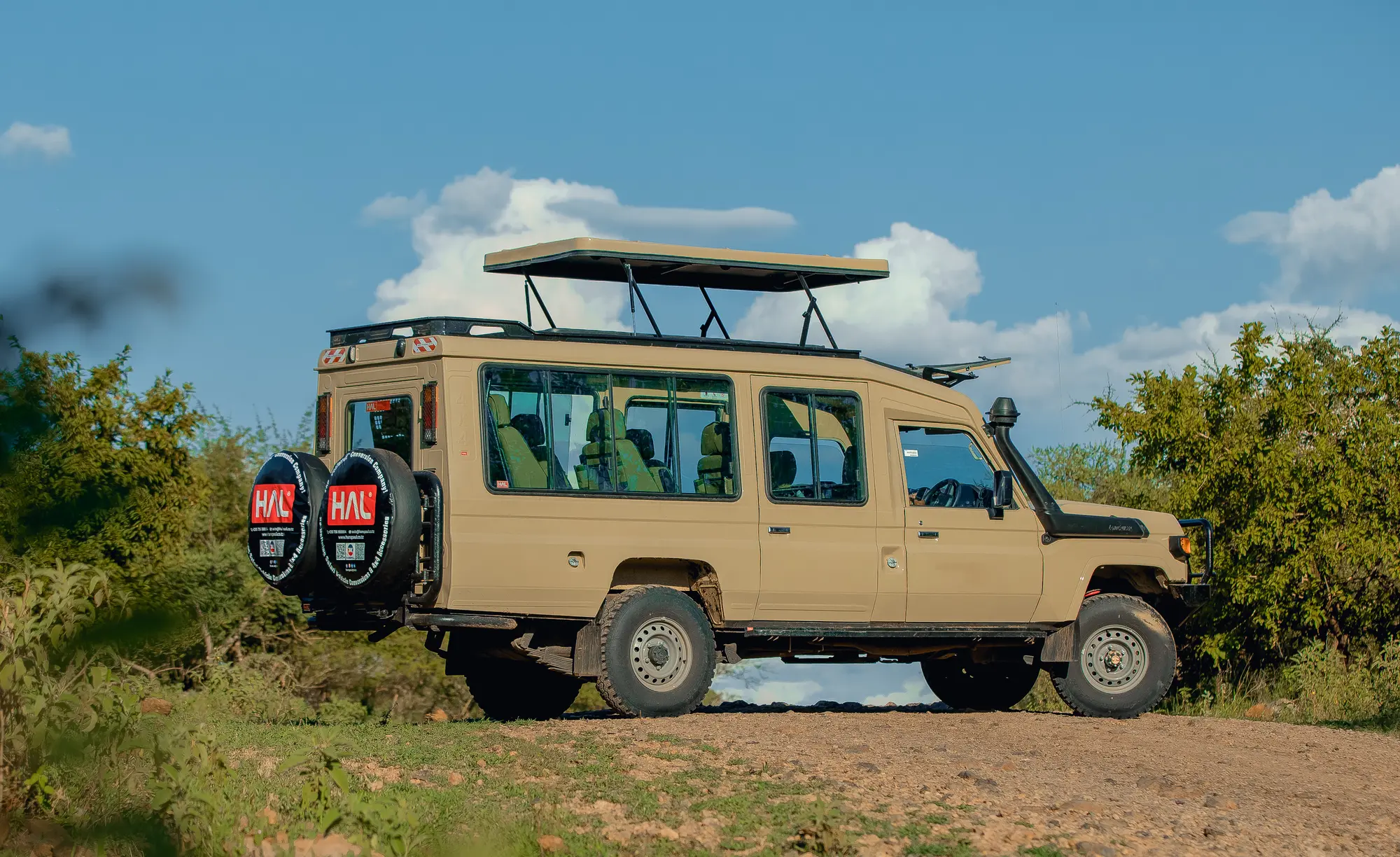
The eastern plains stretch toward Gol and the Ngorongoro boundary with a sparer, more remote character than central Seronera. This is country for long views, cheetah habitat, specialist guiding and travellers willing to exchange constant sightings for atmosphere and space.
Read the guide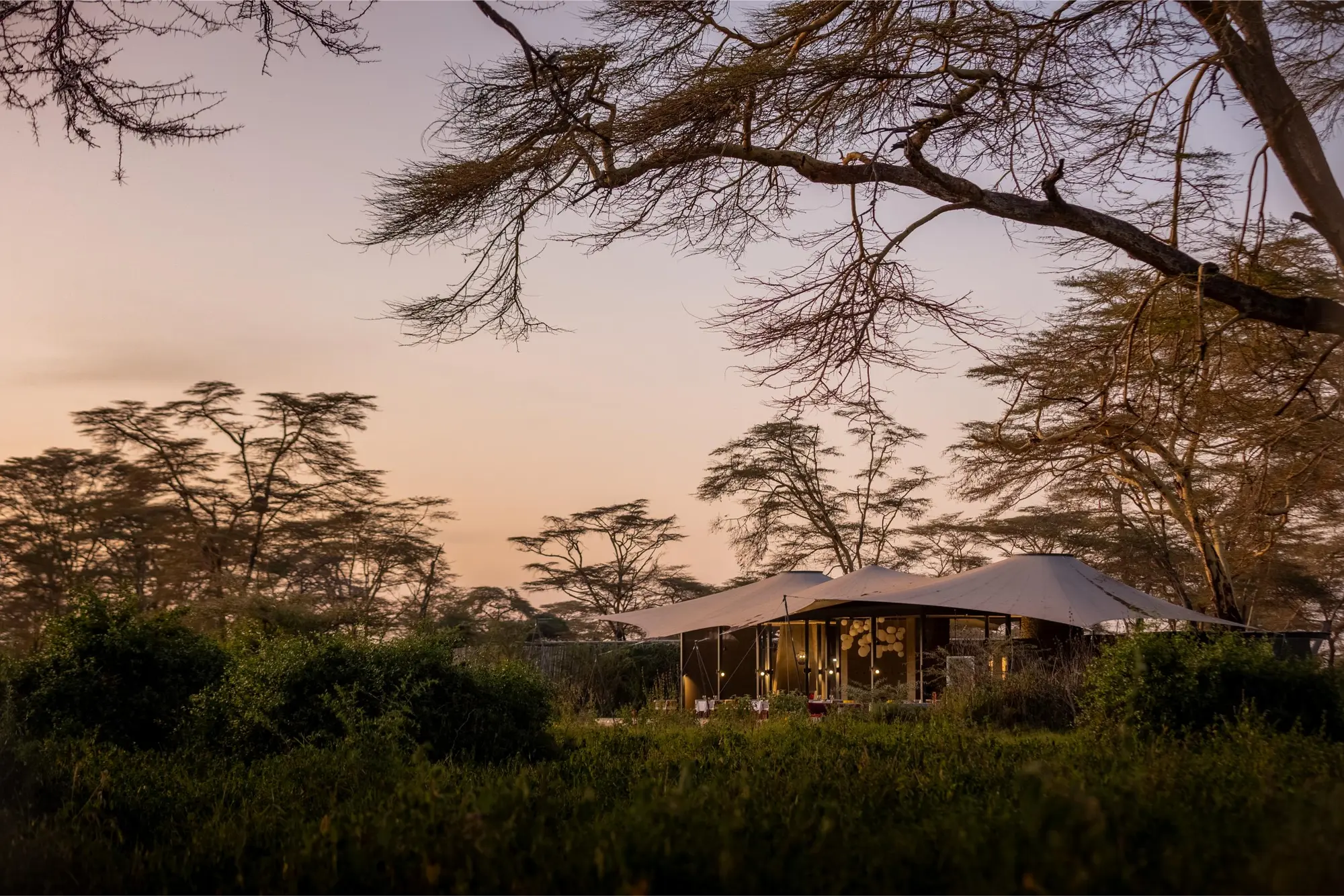
The western corridor follows the Grumeti system through riverine woodland and broad plains toward the Serengeti’s western edge. It offers a distinct seasonal migration story, strong resident wildlife and, in selected private reserves, an exceptional range of activities and privacy.
Read the guide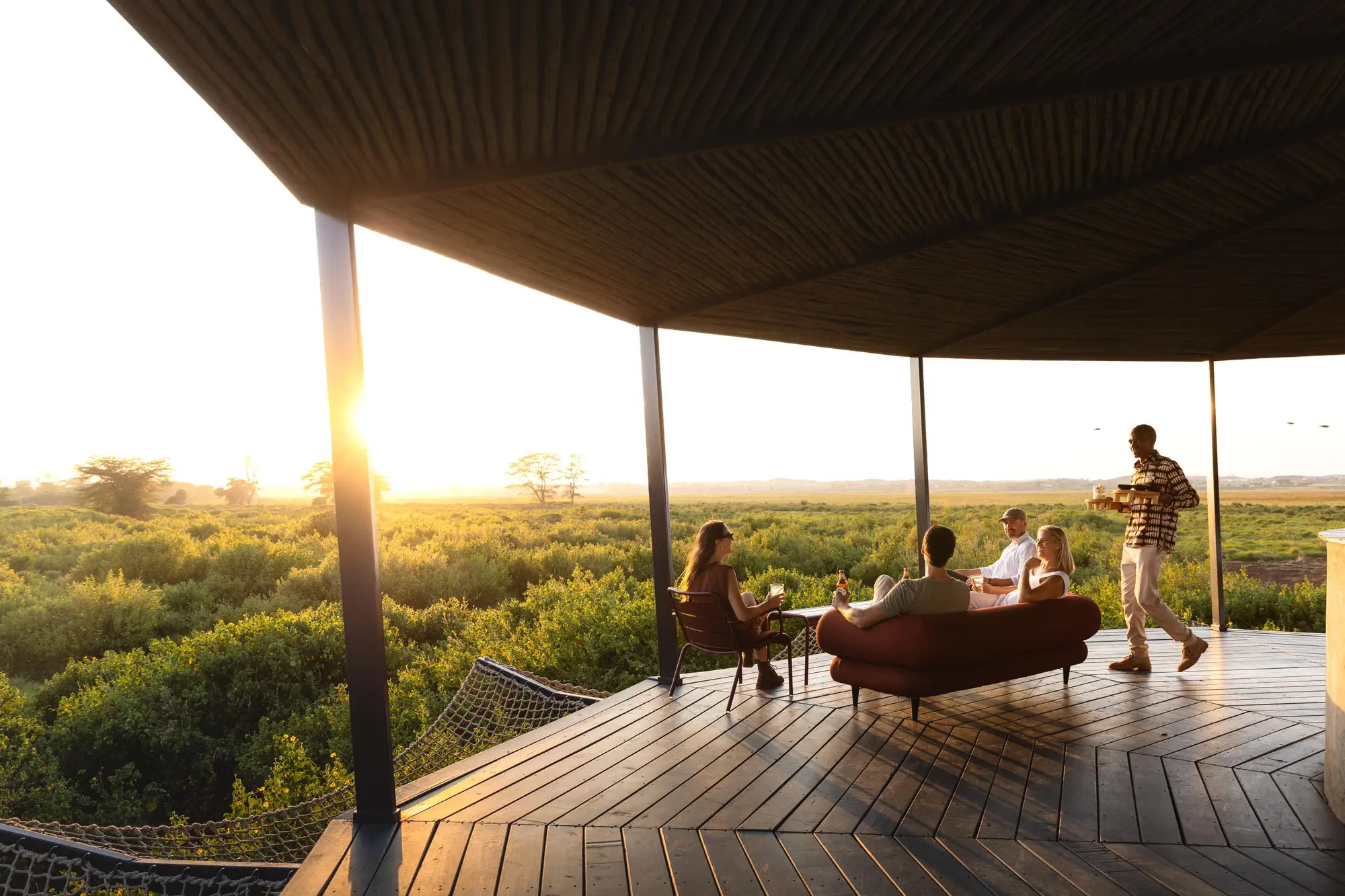
Ngorongoro combines a wildlife-rich volcanic caldera with highland forest, open conservation landscapes and long-standing pastoral life. Sail treats it as the Ngorongoro Conservation Area (not a national park) and designs the crater descent as one part of a more layered highland chapter.
Read the guide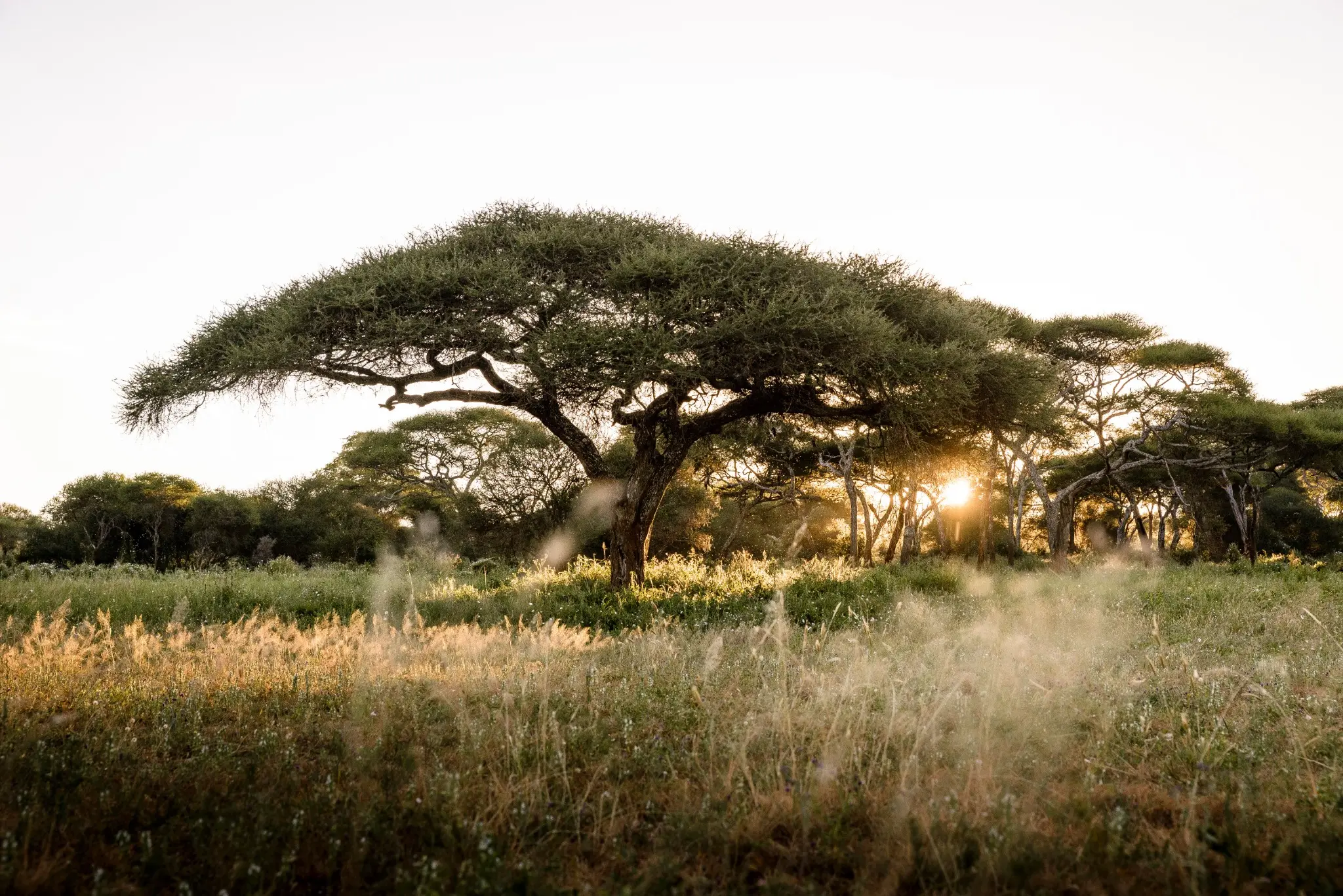
Tarangire is shaped by the river that carries its name, immense baobabs and a wider ecosystem used by elephant and plains game. It can be wonderfully quiet when the itinerary gives it time, offering a warmer, more intimate counterpoint to the Serengeti and Ngorongoro highlands.
Read the guide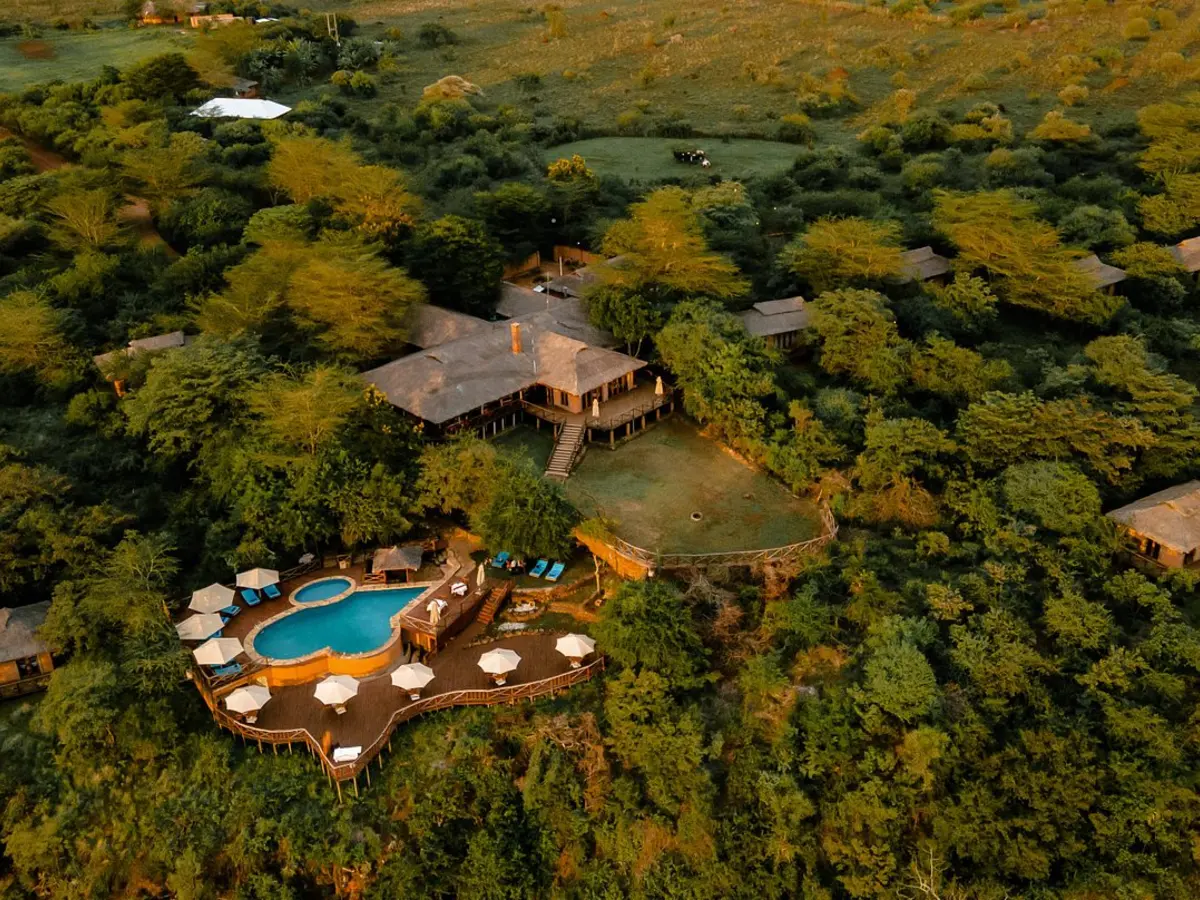
Lake Manyara sits between the Rift Valley escarpment and an alkaline lake, moving quickly from groundwater forest to open floodplain and acacia woodland. It works best as a deliberate short chapter with a clear reason, not an automatic stop on every Northern Circuit.
Read the guideThe endless plains, experienced in the right place and at the right time: from southern calving grounds to the Mara River.
An extraordinary concentration of wildlife within a vast volcanic caldera, best approached with timing and perspective.
Elephant-rich river country, baobabs, escarpments and a quieter counterpoint to the northern circuit’s headline landscapes.
From the journal
Travel well
We will advise on the right season, pace, properties and connections, then manage every detail on the ground.
Start planning