Serengeti landscape in Tanzania

The complete Serengeti guide

The Serengeti, shaped by season

The experience

One ecosystem, many distinct journeys

The Serengeti is not a single point on a map. Its southern plains, central valleys, eastern grasslands, western corridor and northern river country each come into their own at different moments. Sail begins with your dates, then chooses the region, camp style and number of nights around the experience you actually want.

Read the landscape

Follow a living system, not a calendar promise

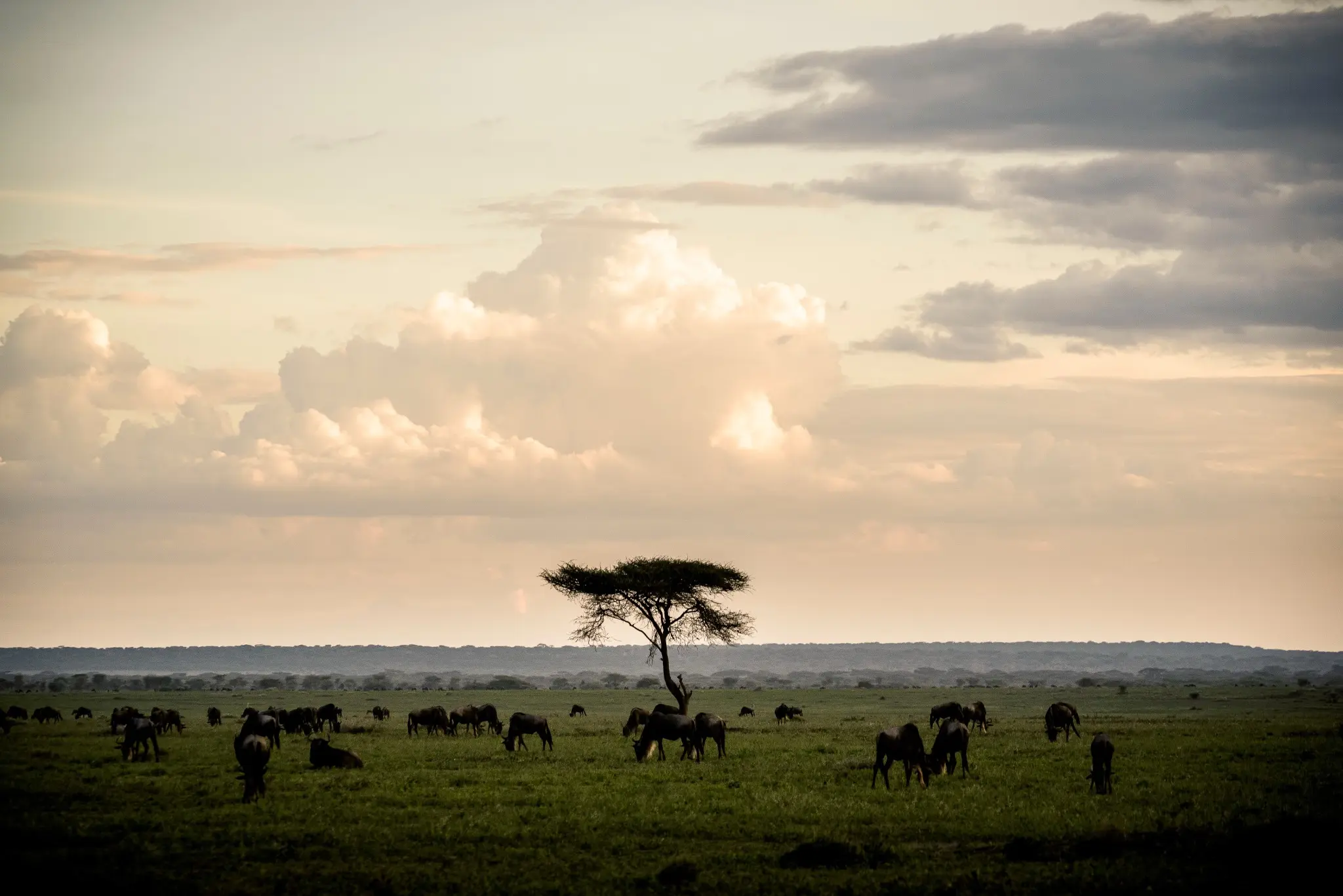
Migration movement and resident wildlife

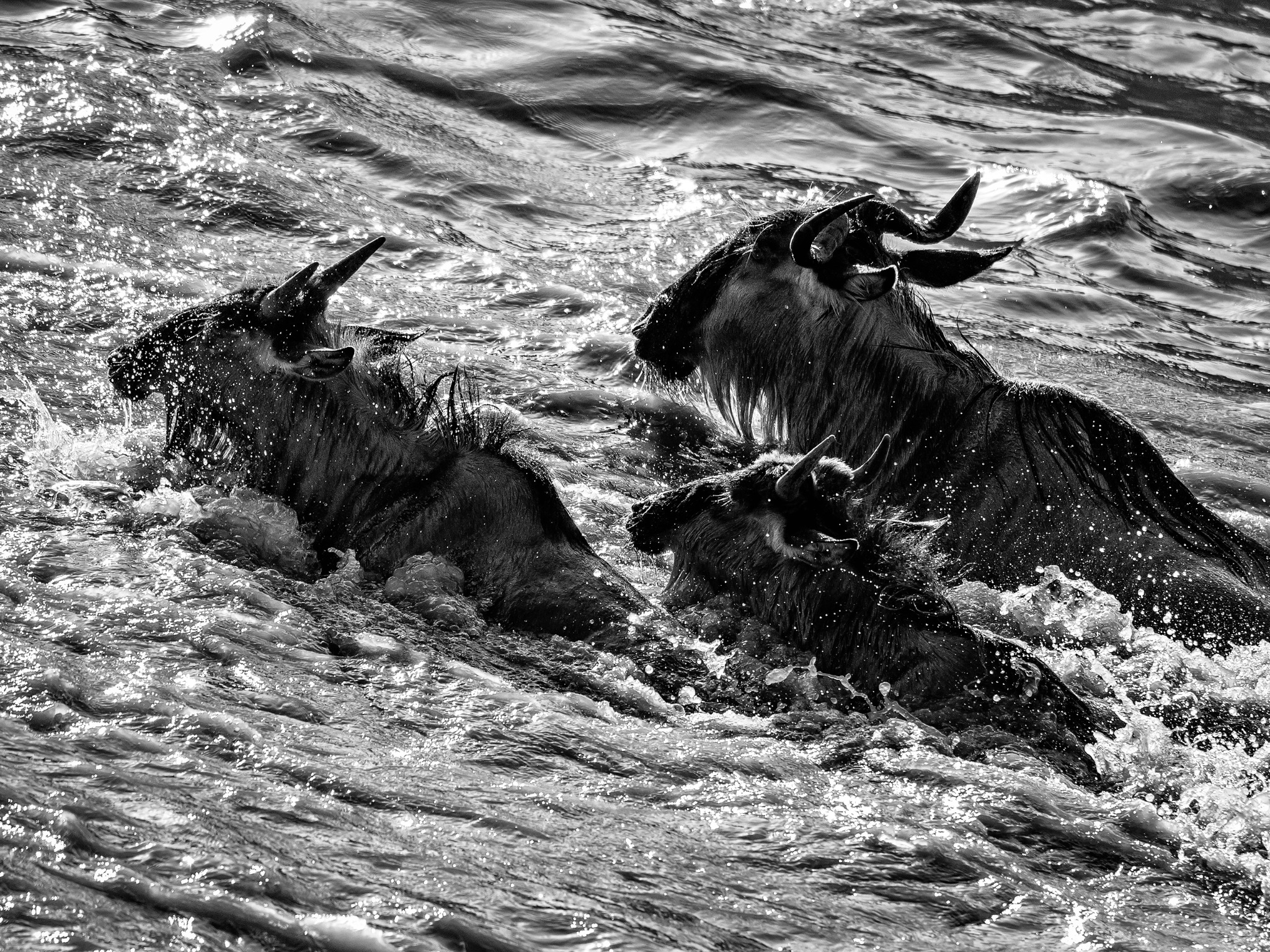
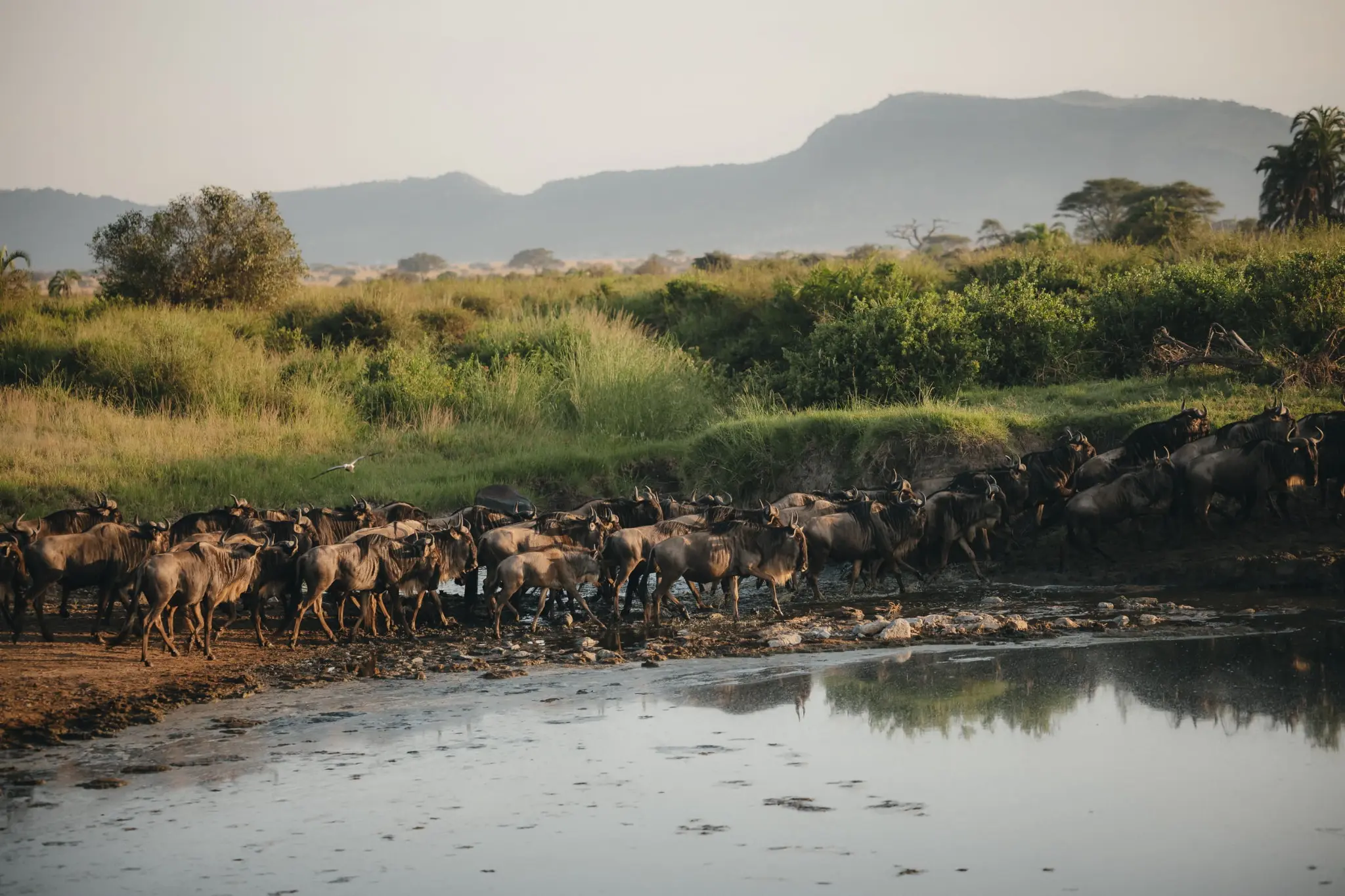
The great herds respond to rainfall and fresh grass, so no crossing or exact location can be guaranteed. What can be designed is a resilient safari: enough time, the strongest likely region for your dates and guiding that values the full ecosystem beyond one headline event.

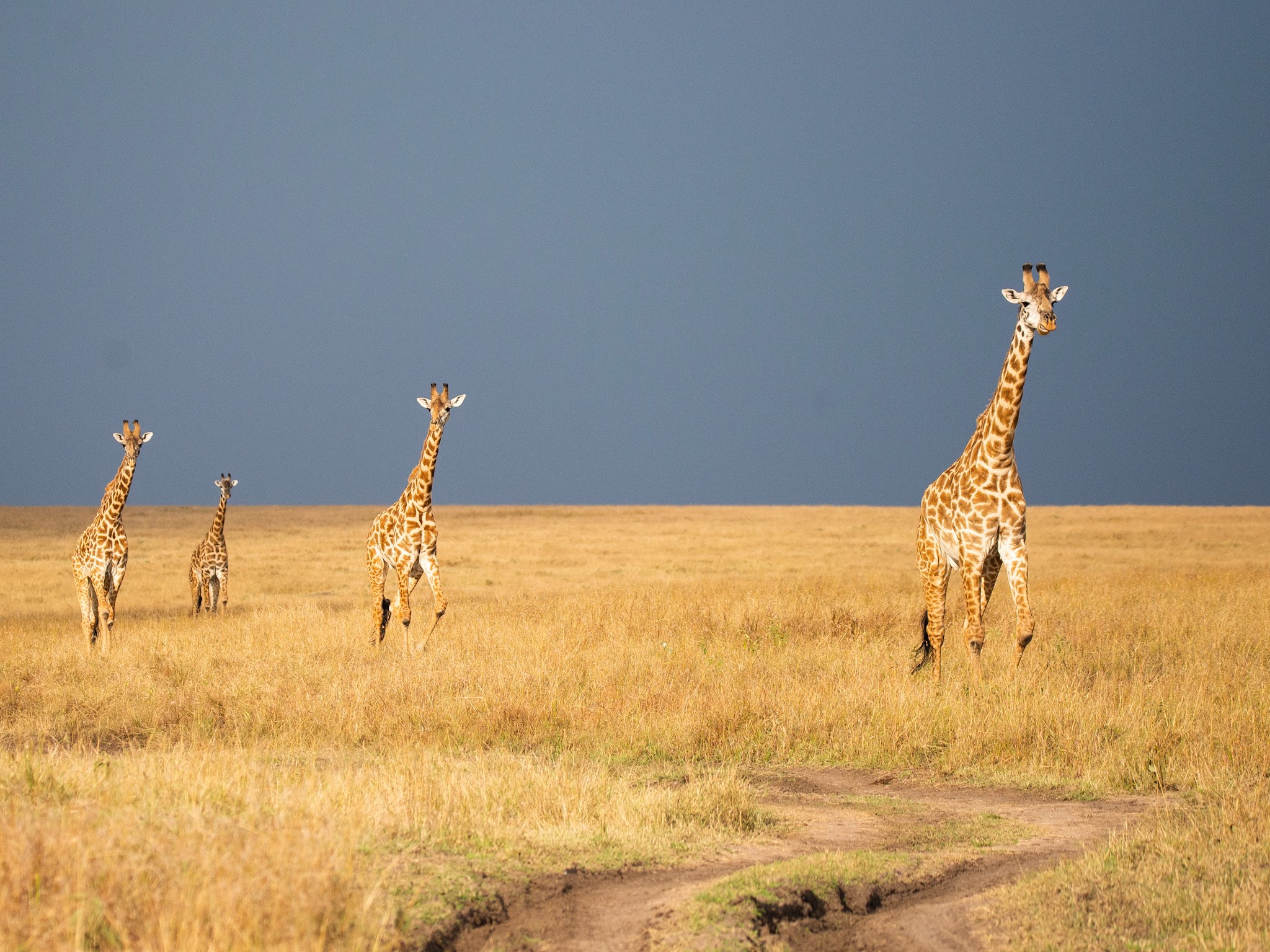
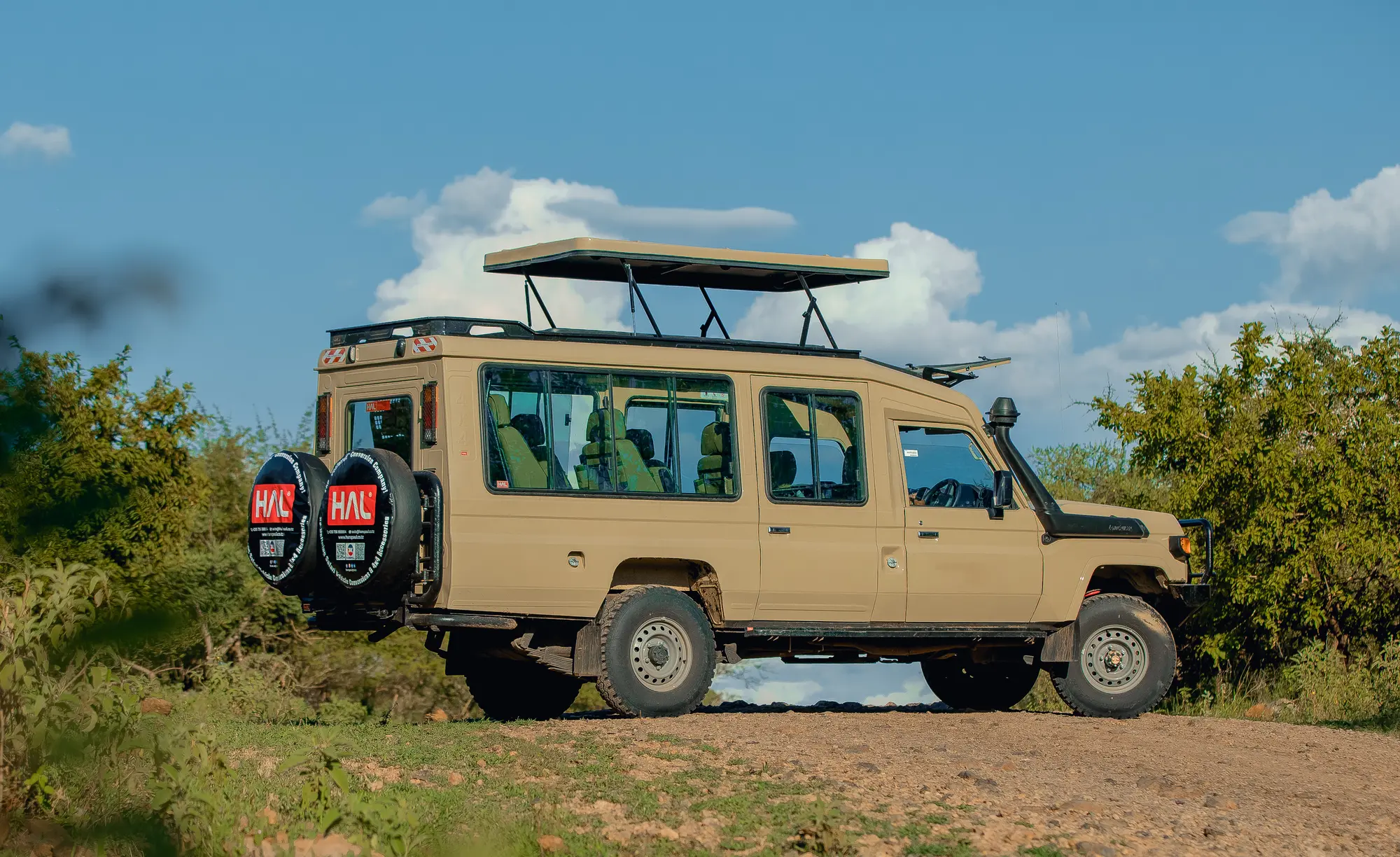
Lion, cheetah, leopard, elephant and rich plains game remain central throughout the year. Walking, ballooning and private-use vehicles can add perspective where the chosen area and camp allow them.
How Serengeti fits the journey

Three nights reveal one region; five or more allow the Serengeti to unfold with less urgency. Combining two areas can be powerful when the season supports it, but a forced camp change rarely improves the journey. Scheduled flights protect time across the larger circuit.

Read the geography before choosing the camp

Central Seronera is dependable and well connected. The north opens toward the Mara River, the south toward Ndutu and the calving plains, the east toward open cheetah country, and the west toward the Grumeti corridor. Sail places the camp before discussing its category.

Where to stay

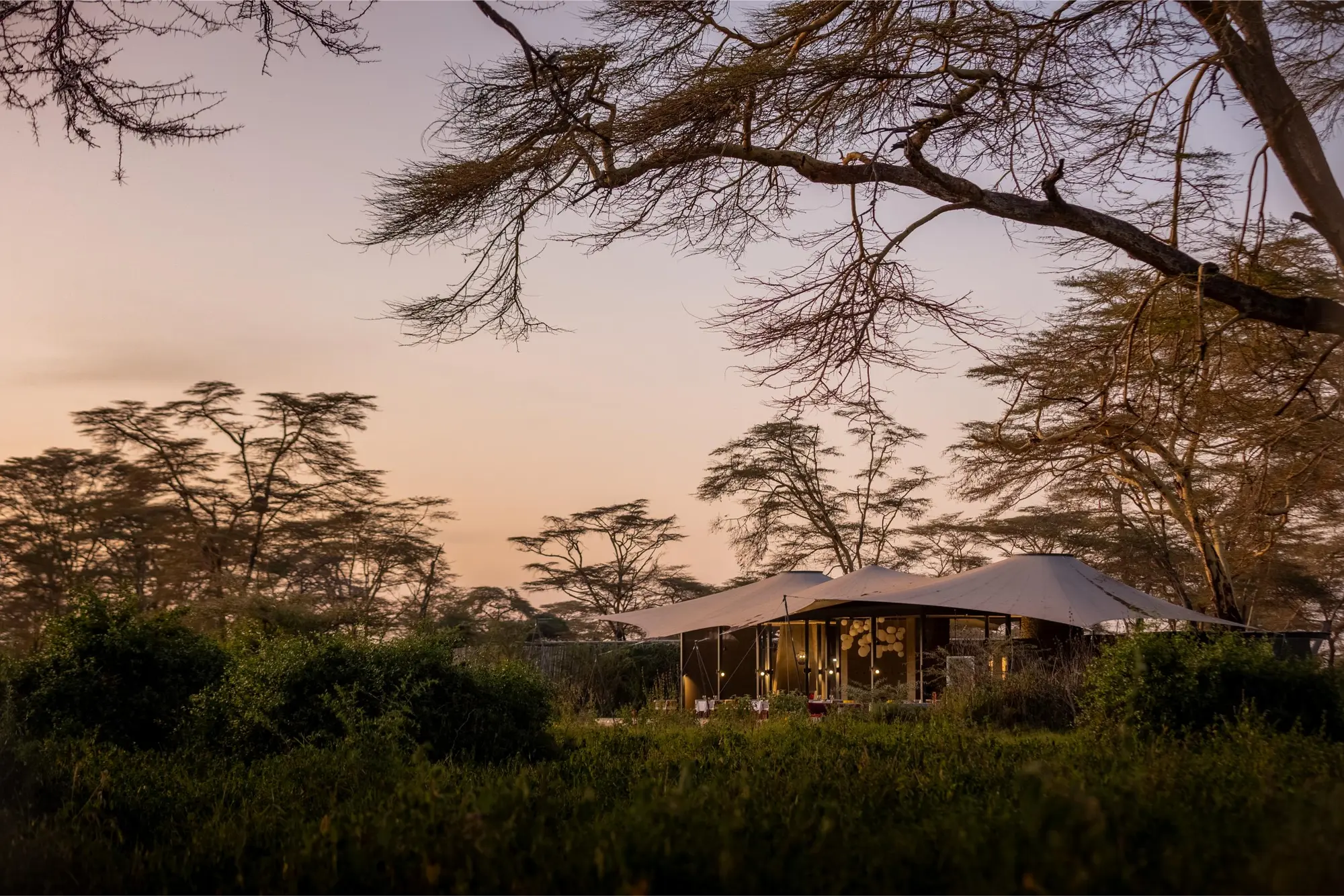
This first layer maps mobile camps, permanent lodges and private-use camps to the correct region and season. The lodge-specific collection will follow as a dedicated stay layer, with each property linked back to the right Serengeti geography.

When to travel

January to March often favours the south; the wider movement commonly progresses through central and western areas before the northern season later in the year. Rainfall can redraw that pattern. Green months offer space, young animals, dramatic skies and excellent value beyond the migration shorthand.

Inside the Serengeti

Choose the region for your season.

Each regional guide opens the access, wildlife rhythm and camp positioning that make that part of the ecosystem distinct.

Central Serengeti in Tanzania
01

Central Serengeti

The Seronera Valley and surrounding plains sit at the Serengeti’s geographic and wildlife-rich centre. Permanent water, rocky kopjes and varied habitat support strong resident game, making this the most dependable all-season chapter and a natural connection between the wider regions.

Read the regional guide
Northern Serengeti in Tanzania
02

Northern Serengeti

The far north is known for the Mara River season, but its quieter valleys, kopjes and woodland make it a complete safari region in its own right. Sail designs enough time for the landscape and resident wildlife, never presenting a crossing as a scheduled performance.

Read the regional guide
Southern Serengeti & Ndutu in Tanzania
03

Southern Serengeti & Ndutu

The southern plains and Ndutu area come alive when rain renews the grass and the migration gathers to calve. Vast horizons, newborn wildebeest and concentrated predator activity create an intense seasonal chapter shared across the Serengeti and Ngorongoro conservation landscape.

Read the regional guide
Eastern Serengeti in Tanzania
04

Eastern Serengeti

The eastern plains stretch toward Gol and the Ngorongoro boundary with a sparer, more remote character than central Seronera. This is country for long views, cheetah habitat, specialist guiding and travellers willing to exchange constant sightings for atmosphere and space.

Read the regional guide
Western Serengeti & Grumeti in Tanzania
05

Western Serengeti & Grumeti

The western corridor follows the Grumeti system through riverine woodland and broad plains toward the Serengeti’s western edge. It offers a distinct seasonal migration story, strong resident wildlife and, in selected private reserves, an exceptional range of activities and privacy.

Read the regional guide

Local design, end to end

Why travel Tanzania with Sail

Our Arusha-based planning connects internal flights, camp moves, baggage limits, private guiding and onward Northern Circuit logistics as one sequence. We explain uncertainty honestly and design enough depth that the safari never depends on a single spectacle.

Explore all Tanzania guides

Design your journey

Start with the right Serengeti

Share your dates, preferred pace and what has drawn you to the Serengeti. Sail will recommend the strongest region—or combination of regions—before shaping the complete Tanzania journey.

Start planning
WhatsAppA safari specialist