
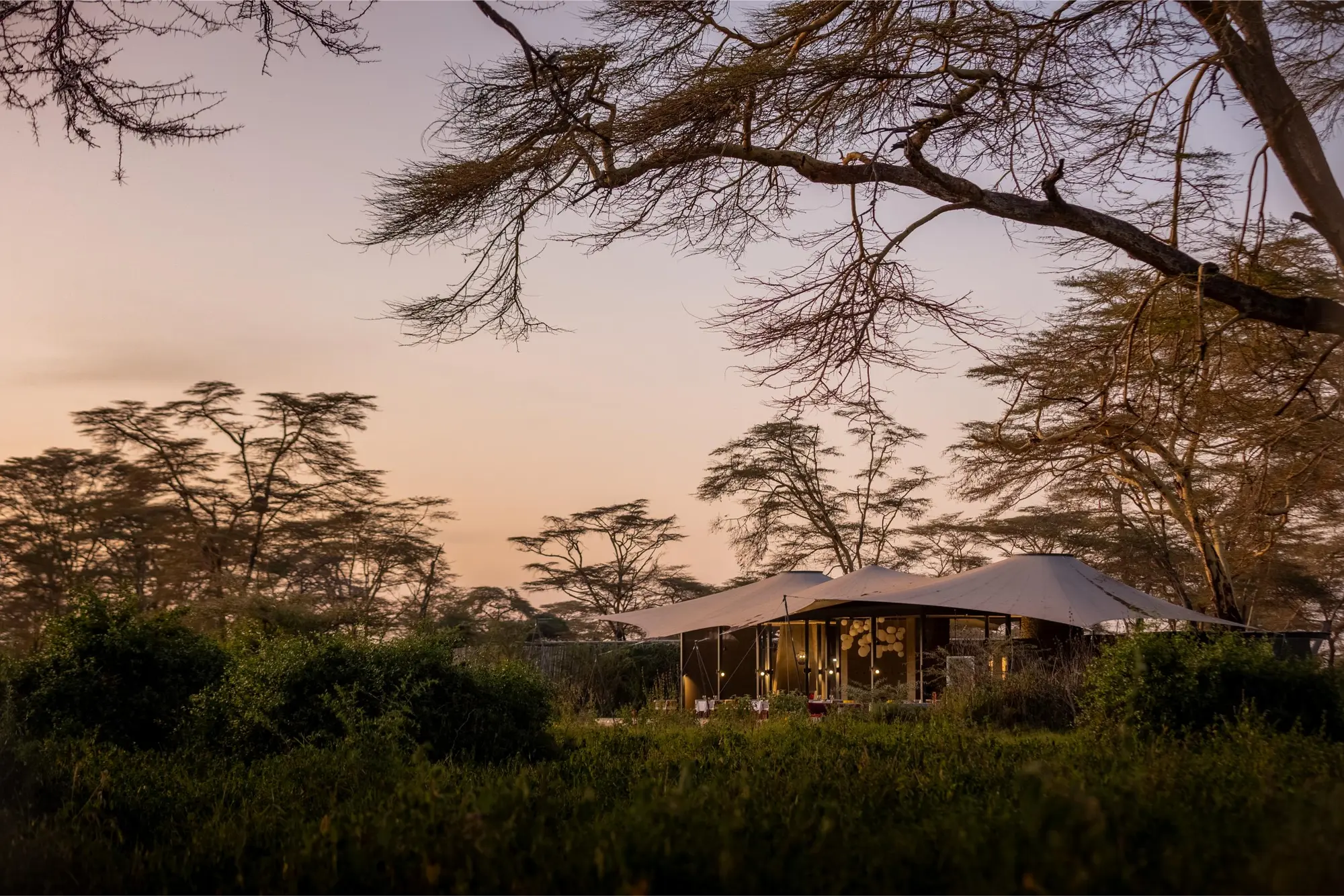
Western Serengeti & Grumeti landscape in Tanzania

River corridor and western woodlands

Western Serengeti and Grumeti, the corridor in depth

The experience

River country, woodland and a different migration chapter

The western corridor follows the Grumeti system through riverine woodland and broad plains toward the Serengeti’s western edge. It offers a distinct seasonal migration story, strong resident wildlife and, in selected private reserves, an exceptional range of activities and privacy.

Reviewed 25 September 2026 by Joseph Mugerwa, East Africa Safari Planning, Sail Safaris DMC

Read the landscape

Look beyond a single river crossing

Movement through a layered western landscape

Migration herds often move through the wider west as the ecosystem dries, but their pace and route respond to rainfall. Crocodile-filled river stretches attract attention; woodland, predators and elephant provide a richer reason to stay.

Private reserve positions can add walking, night drives and off-road viewing under their own rules, while national-park camps retain direct access to the western corridor. Sail explains that distinction before comparing properties.

How Western Serengeti & Grumeti fits the journey

Three or four nights suit one western position. Combining park and private reserve is possible but should earn the added transfer. Airstrip choice and the onward northern or central route are planned as part of the same Serengeti sequence.

Read the geography before choosing the camp

Kirawira, the Grumeti River, the western corridor and the private Grumeti reserves are related but not identical. Boundaries affect activities, vehicle freedom and daily access to migration movement. The map comes before the brand name.

Where to stay

Three kinds of address serve the west, and they are not interchangeable: national-park tented camps on the corridor itself, western lodges near the Grumeti River, and the private-reserve properties along the park boundary that carry their own activity rules. Sail separates them by river access, exclusivity, activity range and seasonal logic, and the Serengeti view of the lodge index holds each profile with its indicative rates.

When to travel

The broader May-to-July transition is associated with western migration movement, as the herds leave the southern plains after the long rains and work north-west through the corridor, but exact timing varies with rainfall and no crossing on the Grumeti River can be promised. From roughly August the herds are usually further north; from December to March they are usually south. The private reserves and the corridor's resident wildlife (elephant, lion, leopard and the river's crocodile and hippo) reward the drier months from June to October, and the green months from November to May bring birds, fewer vehicles and a different price season at some properties. Rain and camp operations shape access; several camps close for a period in the long rains.

Questions people ask

Western Serengeti & Grumeti: questions answered

What is the difference between Grumeti and Serengeti National Park?

Serengeti National Park is managed by Tanzania National Parks (TANAPA), and activities inside it follow the park's rules, which Sail confirms for each camp at booking. The private Grumeti reserves lie along the park's western boundary, and properties there can add walking, night drives and off-road viewing under their own rules. The Grumeti River itself runs through both, so the name on a map does not tell you which set of rules applies to a given camp.

The practical differences are exclusivity, activity range and cost. A private-reserve stay carries its own fees, confirmed at booking, and gives a small number of guests a large piece of ground; a national-park camp on the western corridor gives direct access to the migration route when the herds are in the west, at park fees, often with more vehicles at the well-known river stretches. Sail states which side of the boundary each property sits on before comparing them.

Can I combine Grumeti with other Tanzania destinations?

Yes, and the combinations that work best keep the west as one settled chapter of three or four nights rather than a night on the way past. The natural pairings are the central Serengeti for continuity of the ecosystem, the northern Serengeti in the river-crossing months, and Ngorongoro and Tarangire on the way in from Arusha. Light-aircraft flights reach the western airstrips, so the west can open or close a fly-in circuit without a long road day; the exact sectors, operators and timings are placed on the itinerary rather than assumed.

A Zanzibar close works through Arusha or Kilimanjaro, and the Kenya side of the same ecosystem (the Mara) can follow in the crossing months for a two-country file. What Sail avoids is the double: a private reserve and a national-park corridor camp in the same short stay, unless the added transfer earns its place in the brief.

Local design, end to end

Why travel Tanzania with Sail

We distinguish park access from private-reserve freedom, then connect the chosen base to the rest of the Serengeti without unnecessary duplication. That lets the west feel like a complete chapter rather than a migration stopover.

Explore all Tanzania guides

Design your journey

Give the west its own rhythm

Tell us whether migration movement, a private reserve or a broader activity mix matters most. Sail will match the western geography and number of nights to that priority.

Start planning
WhatsAppA safari specialist