
The short answer
What to know first.
West of the central Serengeti, the ecosystem narrows into the corridor the Grumeti river drains, and along its northern edge sit the private concessions that changed what a Tanzanian safari can be: hundreds of square kilometres of the same wildlife system, held under long conservation leases and accessed only by guests of the handful of lodges and camps inside. The mechanism, not the thread count, is the product. Guest numbers are capped by the concessions' own design at a tiny fraction of the public park's density, which unlocks what national-park rules cannot: off-road driving to sightings, night drives, walking with armed guides, and days built around light rather than gate hours. The wildlife is the Serengeti's own, resident big cats, elephant, and one of Tanzania's significant rhino initiatives, with the migration's western passage adding its surge, classically around June as the herds work the corridor, likelihood language applying as everywhere. The premium is real, these are among Tanzania's most expensive beds, and its other half is the point: concession revenue funds the Grumeti Fund's ranger corps, canine unit and community programmes that turned recovering hunting blocks into one of conservation's reference stories. Worth it when exclusivity, off-vehicle freedom and impact provenance are what you are buying; not the value play when the public park's spectacle at a fifth of the rate is the actual want. Availability, rates and current access terms confirmed at booking.
At a glance
The planning brief.
Private ground, public ecosystem
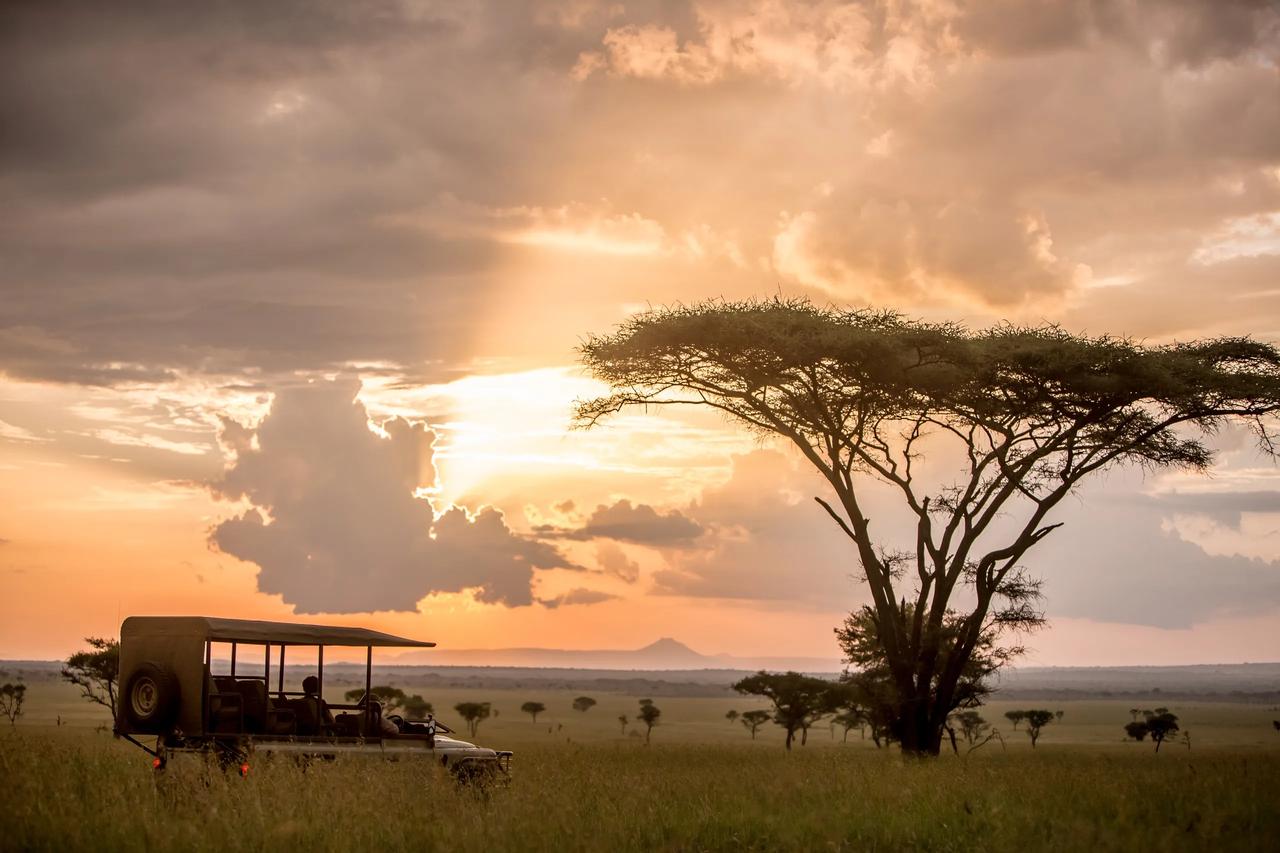
The Grumeti concessions front the western Serengeti: the same wildlife system, held to a fraction of the vehicles.
Exclusivity is the mechanism
Access rides on staying inside; guest numbers are capped by design, and off-vehicle freedoms follow.
The June window
The migration's western passage peaks around June, but the corridor's resident game carries every month.
The premium's other half
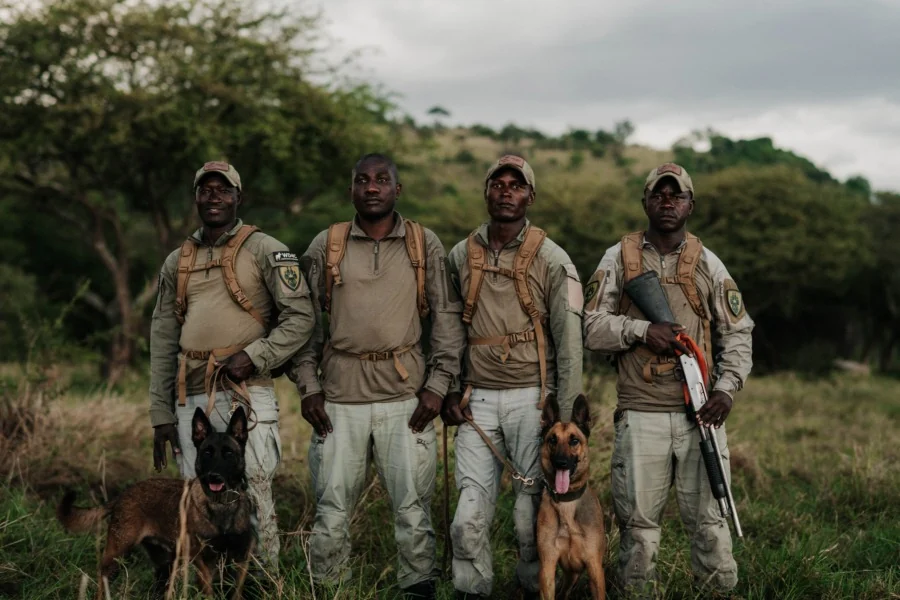
Concession revenue funds the Grumeti Fund's rangers, canine unit and community programmes: the fee is conservation with a bed attached.
01
How private concessions actually work
The corridor's private reserves operate under long-term agreements that trade conservation management for exclusive traversing: the operator funds protection and community programmes, and in return only its guests drive the ground. This is a different instrument from a national park, where every licensed vehicle shares the same sightings, and from a Kenyan conservancy, where member camps share defined traversing; here a single operator's handful of properties holds hundreds of square kilometres.
The arithmetic is the experience. Vehicle density measured in single digits across the whole concession means a leopard sighting belongs to you and perhaps one other car by invitation; off-road approach is legal and managed; and the day's shape follows the light, since there is no gate to beat. The public Serengeti is one of Earth's great shows; the concessions are the same show with the theatre bought out.
02
The wildlife case, June and otherwise
The migration's western passage is the corridor's famous fortnight-or-so: classically around June, herds work through the corridor and cross the Grumeti river, crocodile theatre included, on their way north. It is a genuine spectacle with the usual honesty attached: timing is rain-led, the likelihood rules from our crossing pages apply, and no June file should be sold the river as an appointment.
The quieter truth is that the corridor does not need the migration. Resident game is dense and superbly habituated to few vehicles: the big cats hold territories, elephant herds work the river line, and the rhino programme continues one of East Africa's important recoveries. Photographers prize the corridor precisely because off-road access converts residents into portfolios. A February or October week here is not a consolation; it is the same private Serengeti with different weather.
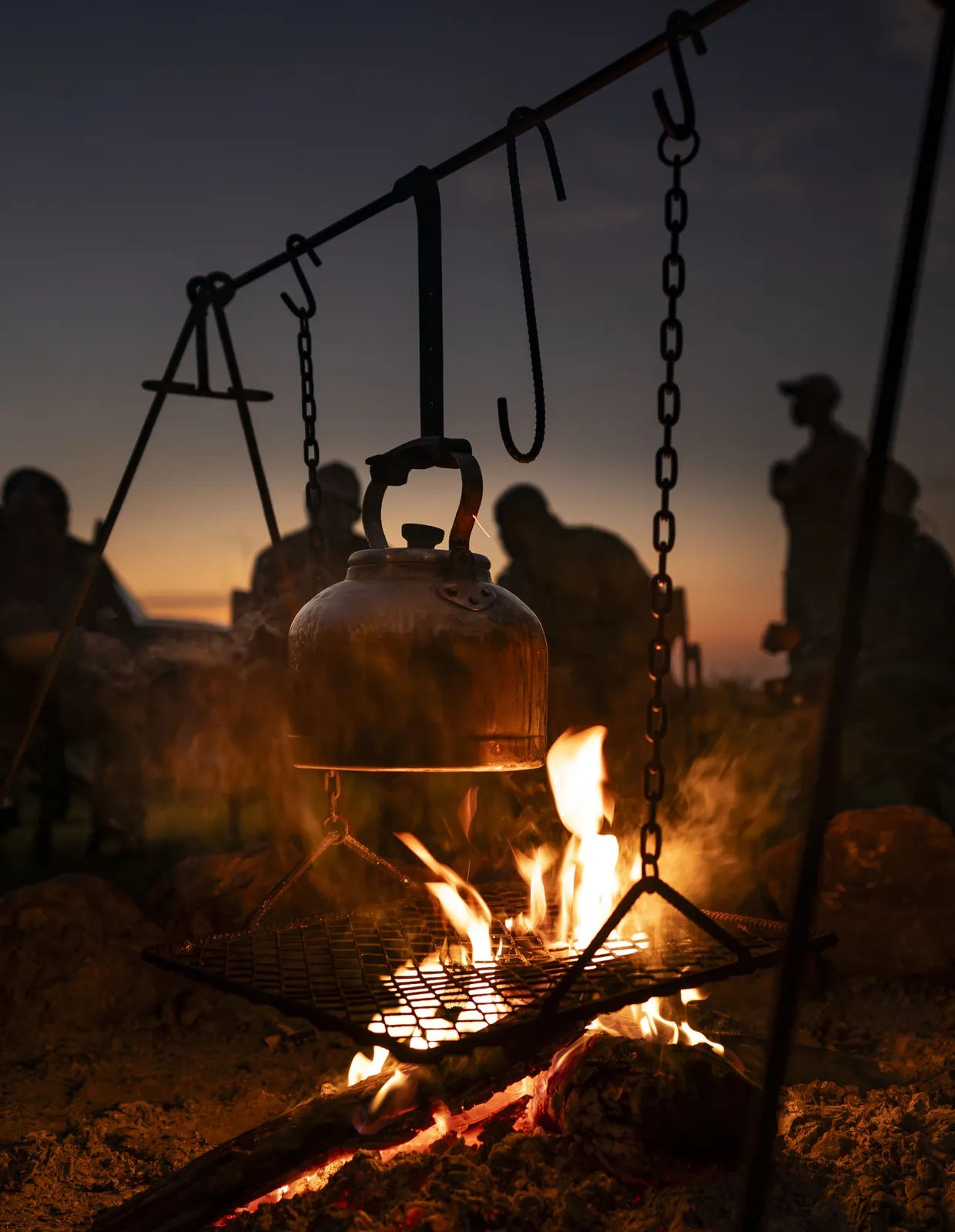
The activity menu compounds the wildlife case. Because the ground is private, a corridor day can be built from parts no park day offers: a dawn hide session at a waterhole, a walking stretch with an armed guide before the heat, an off-road afternoon following a hunt at working distance, a night drive home under red light. The same week in the public park would be one superb activity repeated; here it is a portfolio of them.
03
What the premium funds
The concessions' rates carry their conservation load visibly. The Grumeti Fund, the non-profit partner on the ground, runs the ranger corps and canine unit that took poaching in the concessions from industrial to negligible, wildlife monitoring and research, and community programmes across the corridor's villages, from enterprise development to education. Guests can visit the operations centre and meet the units their nights are funding; it is among the most direct impact provenance in East African travel.
This matters commercially because it reframes the price. A corridor bed is a conservation instrument with exceptional hospitality attached: part of what looks like margin is actually the running cost of protection. For travellers who audit their spending's footprint, and our operator-trust page argues everyone should, the corridor's answer is unusually complete and unusually visitable.
The exclusivity mechanism
Long conservation leases, guest numbers capped by design, traversing reserved to the concessions' own lodges and camps.
The freedoms it unlocks
Off-road approach, night drives, armed walking, hides and days built on light rather than gate hours, under the concessions' management rules.
The June note
The migration's western passage classically peaks around June, likelihood not appointment; residents carry the other eleven months.
The impact line
Concession revenue funds the Grumeti Fund's rangers, canine unit, research and community programmes: visitable, auditable, real.
04
When it earns the rate, and how Sail places it
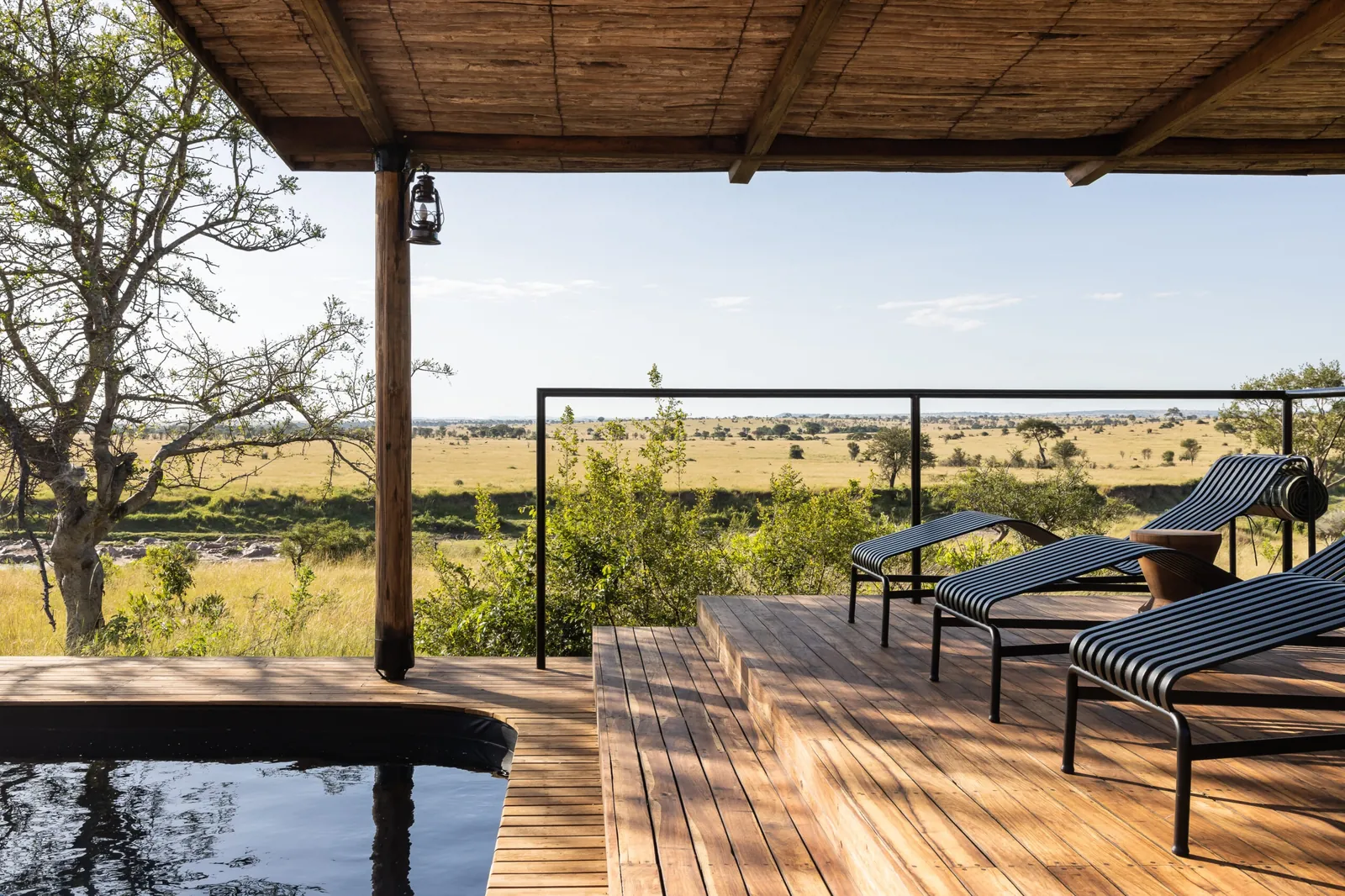
The corridor earns its premium for three files: the privacy-first traveller who wants the Serengeti with no queue at the sighting; the photographer and enthusiast for whom off-road access and hides are the difference between watching and working; and the impact-led guest who wants provenance they can walk through. It is the wrong spend when the budget strains to reach it, because the public park delivers the same ecosystem's spectacle magnificently at a fraction, and a strained file enjoys nothing.
Our standard placement is the corridor as a route's private crescendo: public-park chapters for scale and the classic circuit, then the concession block for depth and exhale, June files timed to the western passage with expectations set in likelihood language. Rates, space and current terms move; the desk confirms all of it at booking. From the Sail operations desk, checked August 2026: corridor files run among the highest satisfaction scores we record, and the reviews mention the rangers nearly as often as the leopards.
Questions travellers ask
Useful answers, before you decide.
Is the Grumeti corridor only worth it in June?
June adds the migration's western passage, likelihood rules applying. The resident game, off-road freedom and privacy carry every other month; photographers often prefer the quieter windows.
How is a private concession different from the national park?
Same ecosystem, different rules: capped guests, exclusive traversing, off-road approach, night drives and walking under the concession's management, against the park's shared sightings and road rules.
Why are the concession lodges so expensive?
Few beds carrying a whole protected landscape: the rate funds the ranger corps, canine unit and community programmes alongside the hospitality. The premium is the conservation model made visible.
Can the corridor combine with the public Serengeti?
Naturally, and that is our usual design: public chapters for the circuit's scale, the concession as the private final act, flights linking the two. The route and current availability shape the order.