
The short answer
What to know first.
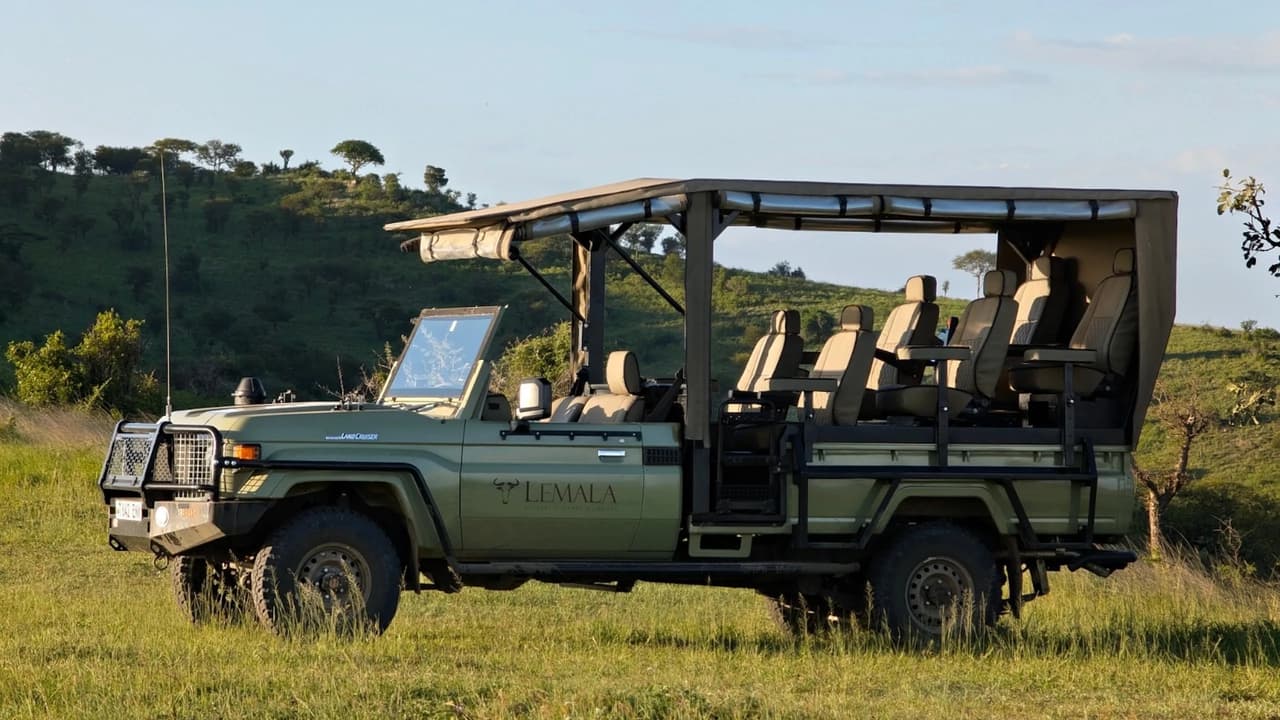
A photographic safari is an ordinary safari with the compromises removed, and the removals are specific. The vehicle is first and decides most: private, so the schedule belongs to the light; configured for cameras, an open or roll-down-sided cruiser with an empty row per photographer, bean bags or door mounts, dust-managed storage and charging that actually works at 12 volts and inverter both. The rules are second and vary by ground, which is the operating detail most photo dreams break on: national parks generally hold vehicles to roads and daylight hours under current regulations; Kenya's conservancies and Tanzania's private concessions permit off-road approach, night photography and hides under their own management rules; and drone photography is tightly restricted across the region, requiring permits most travellers will never obtain, so the honest default is that your drone stays home, confirmed against current rules at booking. The guide is third: a driver-guide who understands angle, light and approach lines, briefed before day one on your subjects and style, with packed meals and dawn-to-dusk flexibility built into the file. Position is fourth, camps chosen for habitat and light lines rather than dinner menus, green-season light and the private grounds' freedoms weighted deliberately. What no honest file promises is the image itself: wildlife owes nobody a frame. The design buys position, time, access and readiness; the animals and the light keep their own counsel.
At a glance
The planning brief.
The vehicle is the tripod
A private, camera-configured cruiser with empty rows, bean bags and charging decides more images than any lens choice.
Rules shape the craft
Off-road, positioning and drone rules differ by park, reserve and conservancy; the file is designed around them, not against them.
Light runs the timetable
Dawn-to-dusk flexibility, packed meals and a guide who thinks in angles convert good sightings into photographs.
No outcomes promised
Wildlife owes nobody a frame; the file buys position, time and readiness, never the image itself.
01
The vehicle is the studio
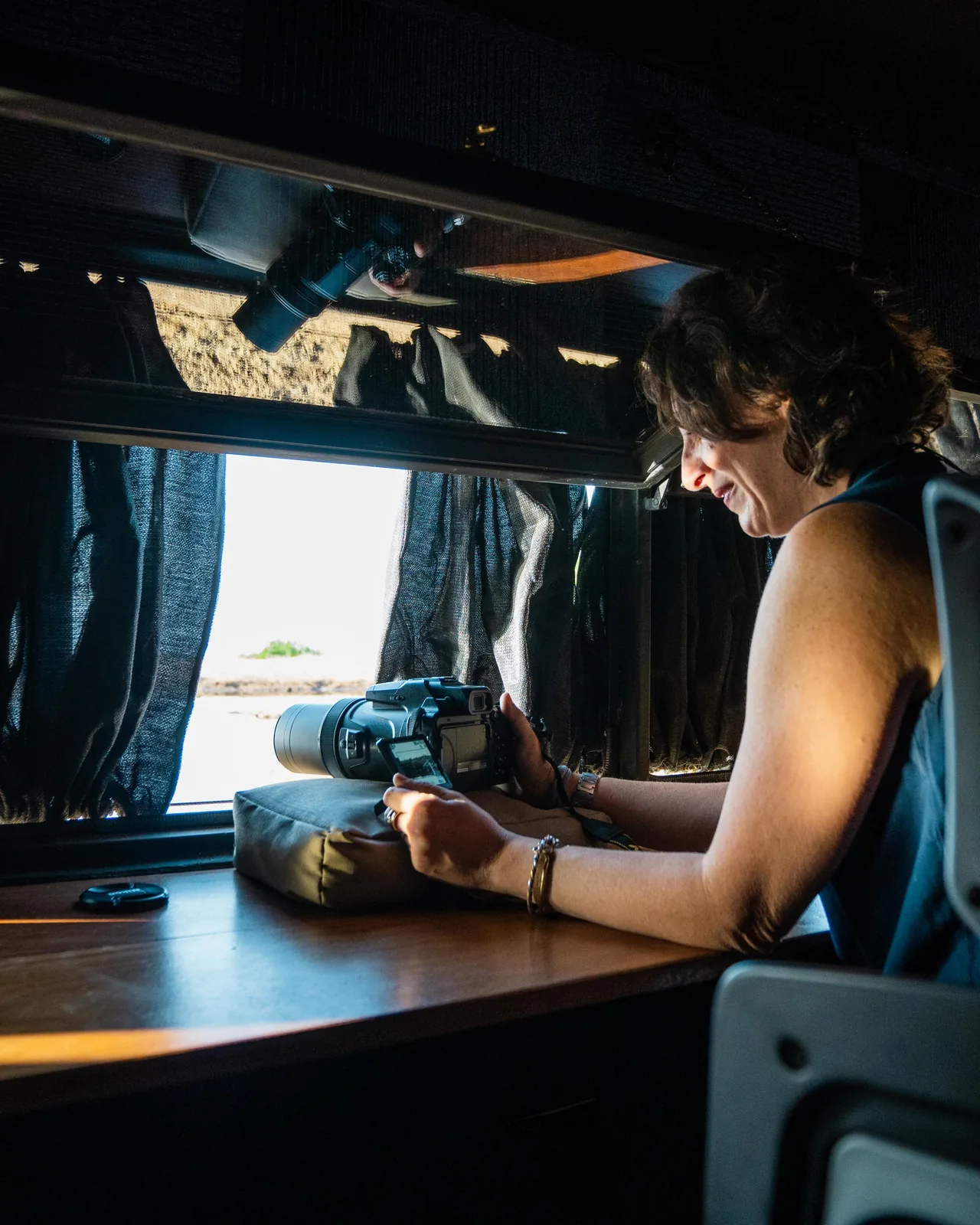
Every serious photographic file begins with the same line item: a private vehicle, because shared game drives average everyone's patience and photography is the art of outspending average patience at one sighting. Configuration then does the quiet work: a row per photographer so both sides shoot clean, bean bags and clamps as standard kit, sliding or open sides with clear sightlines from seat height, dust-proof bins for bodies and glass, and charging tested rather than promised.
The unglamorous details decide days: a cooler for packed breakfasts so dawn is spent shooting rather than returning to camp, water and shade for the long stakeouts, and a repair-and-recovery capability that keeps a remote breakdown from consuming the trip's best light. Ask any working wildlife photographer what made their favourite file work and the answer is rarely the lens.
Numbers focus the point. A shared vehicle averages six agendas and leaves within minutes of most sightings; a configured private cruiser can sit ninety minutes at a den for the emergence, reposition twice for the light and still make the afternoon's second location. Across a week that difference compounds into hundreds of frames that exist against dozens, before any question of skill enters. The vehicle line is not where photographic files economise; it is what they are.
02
The rules, by ground type
Photography's real map of East Africa is regulatory. National parks, the Serengeti and Kenya's parks among them, generally hold vehicles to established roads and daylight hours under current rules, which shapes what a park file can attempt: roadside sightings superbly worked, but no repositioning into the grass for the angle. County reserves add their own codes, the Mara's crossing-point rules being the famous case.
The private grounds change the craft. Kenya's conservancies and Tanzania's private concessions, under their own management rules, permit off-road approach to sightings, night drives with red-filtered light, walking, and purpose-built hides, which is why photographic files weight them so heavily. Drones deserve their own plain sentence: recreational drone flight is tightly restricted across Kenya and Tanzania, permits are burdensome and rarely granted for casual use, and parks prohibit them outright; plan on the drone staying home, and treat any current-rules check at booking as due diligence rather than loophole-hunting.
National parks
Established roads, daylight hours, no off-road repositioning under current rules: superb sightings, worked from the road.
Conservancies and concessions
Off-road approach, night photography and hides under each ground's own management rules: the photographic file's natural home.
Crossing points and dense sightings
Specific positioning codes apply, and the disciplined guide gets the better frame anyway, engine off, on the legal line.
Drones
Tightly restricted region-wide, prohibited in parks, permits rare: the honest default is that the drone stays home.
03
The guide, briefed as a collaborator
A photographic file lives or dies on the driver-guide, and the difference is briefing. Before day one, our desk shares what the guest actually wants: species and behaviours, the light they work in, whether they compose from eye level or above, how long they will happily sit at a dry waterhole on a chance. A guide who knows you want backlit dust at dawn drives a different route from one who thinks you want a checklist.
In the field the collaboration is positional: approach lines that put the light behind the lens, the vehicle settled early and switched off before the moment rather than during it, the patience to let a sighting develop, and the etiquette that never trades another vehicle's sighting for your frame. Many of our photographic guests request the same guide by name on their return, which is the metric we watch.
04
Power, packing and the honest promise
The technical logistics are simple to state and constantly fumbled: charging at camp and in the vehicle confirmed in advance, spare batteries doubled for cold dawns and long stakeouts, memory redundancy because the bush replaces nothing, dust discipline as a habit rather than an accident, and the airline story from our packing coverage checked early, since camera bags collide with light-aircraft weight rules and the solution is planned, not argued at the airstrip.
Then the promise, stated the way this journal states everything: no operator controls wildlife, weather or light, and a photographic safari is bought in probabilities. What the design controls is everything else, position, access, time, readiness and the guide's eye, and controlling everything else is why the probabilities compound. From the Sail operations desk, checked August 2026: the portfolios our photographic guests send back are the strongest advertising we never commissioned, and not one of them was promised in advance.
Questions travellers ask
Useful answers, before you decide.
Do I need a private vehicle for photography?
For serious work, yes: the schedule, the positioning and the patience budget all belong to the file instead of the average of six strangers. It is the single highest-value line on a photographic quote.
Can I fly a drone on safari in Kenya or Tanzania?
Plan on no: recreational flight is tightly restricted, parks prohibit it, and permits are rarely granted for casual use. We confirm current rules at booking, and the honest default is the drone stays home.
Which is better for photography, parks or conservancies?
Parks deliver the marquee spectacles from the road network; conservancies and concessions add off-road approach, night work and hides under their own rules. Most photographic files blend both deliberately.
What camera gear should I bring?
Equipment you know, doubled batteries, redundant memory and dust discipline beat new purchases. The airline weight rules for your exact flights shape the kit; we state them on the file early.