
The short answer
What to know first.
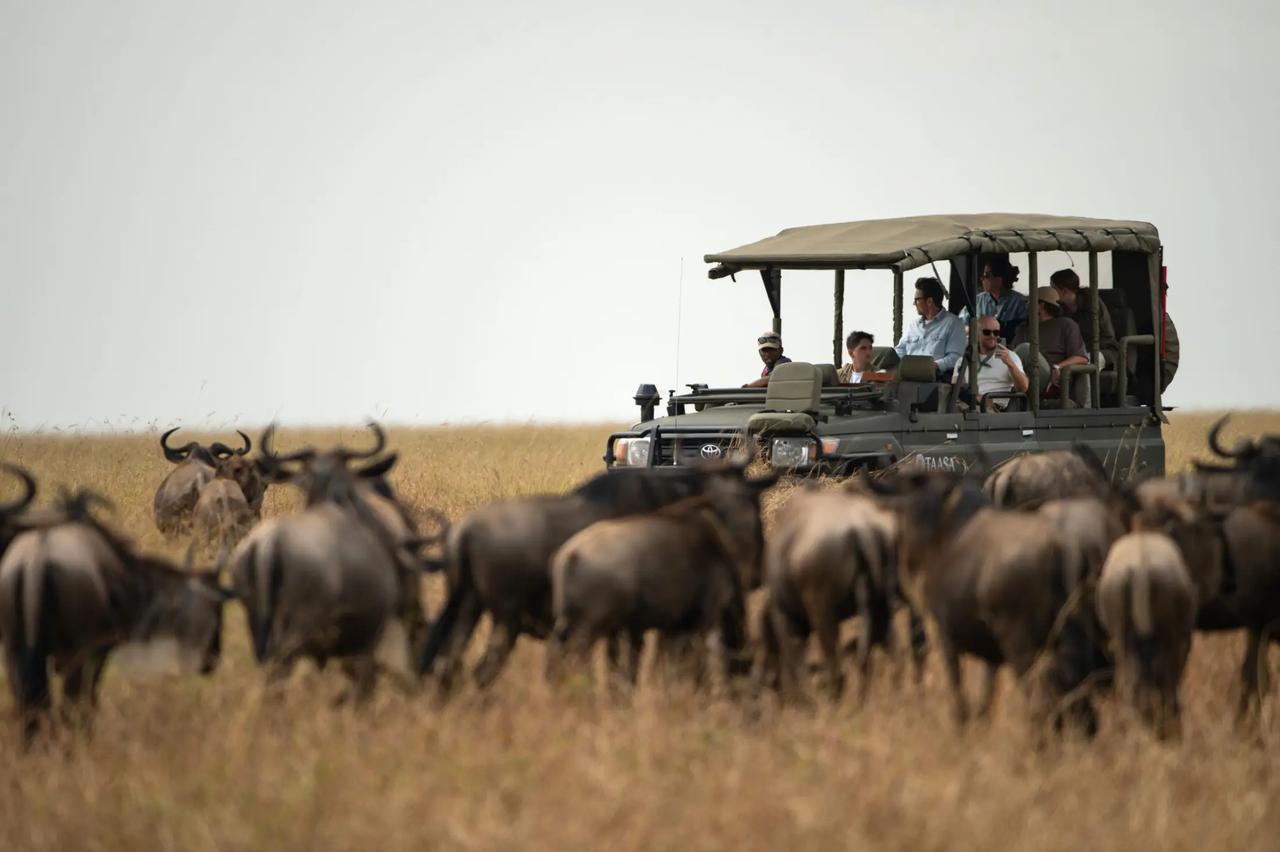
Choose a private vehicle if photography, children, mobility, specialist interests or flexible timing matter. Shared drives can be sociable and good value when the camp limits passenger numbers and guests have compatible expectations. Check whether private use is included, available or compulsory.
At a glance
The planning brief.
Private suits
Families, photographers, honeymooners, specialists and travellers wanting full timing control.
Shared suits
Sociable guests comfortable with a camp timetable and other travellers’ interests.
Clarify
Vehicle exclusivity, maximum seats, guide assignment and whether transfers are also private.
Value test
A private vehicle often changes more of the day than a higher room category.
01
What private use changes
You can leave at a time agreed with the guide, wait at a quiet sighting, focus on birds or behaviour, and return when energy changes. Families can shorten a drive; photographers can work a subject without negotiating with strangers.
Private does not mean ignoring park rules or crowd etiquette. The guide remains responsible for safe, respectful practice.
02
When shared drives work well
Shared vehicles can create enjoyable conversation and reduce cost. They work best when camps cap passenger numbers, provide a clear view for each guest, and match people with similar interests where possible.
They are less suitable when a strict schedule, specialist equipment or accessibility requirement needs certainty.
03
Vehicle design matters
Open-sided, closed and pop-top vehicles suit different countries, roads, weather and park rules. Seat count, roof design, charging, camera support, shade and suspension affect comfort more than a model description.
Cross-border journeys may require vehicle or guide changes because operating licences and regulations differ.
04
Guide continuity
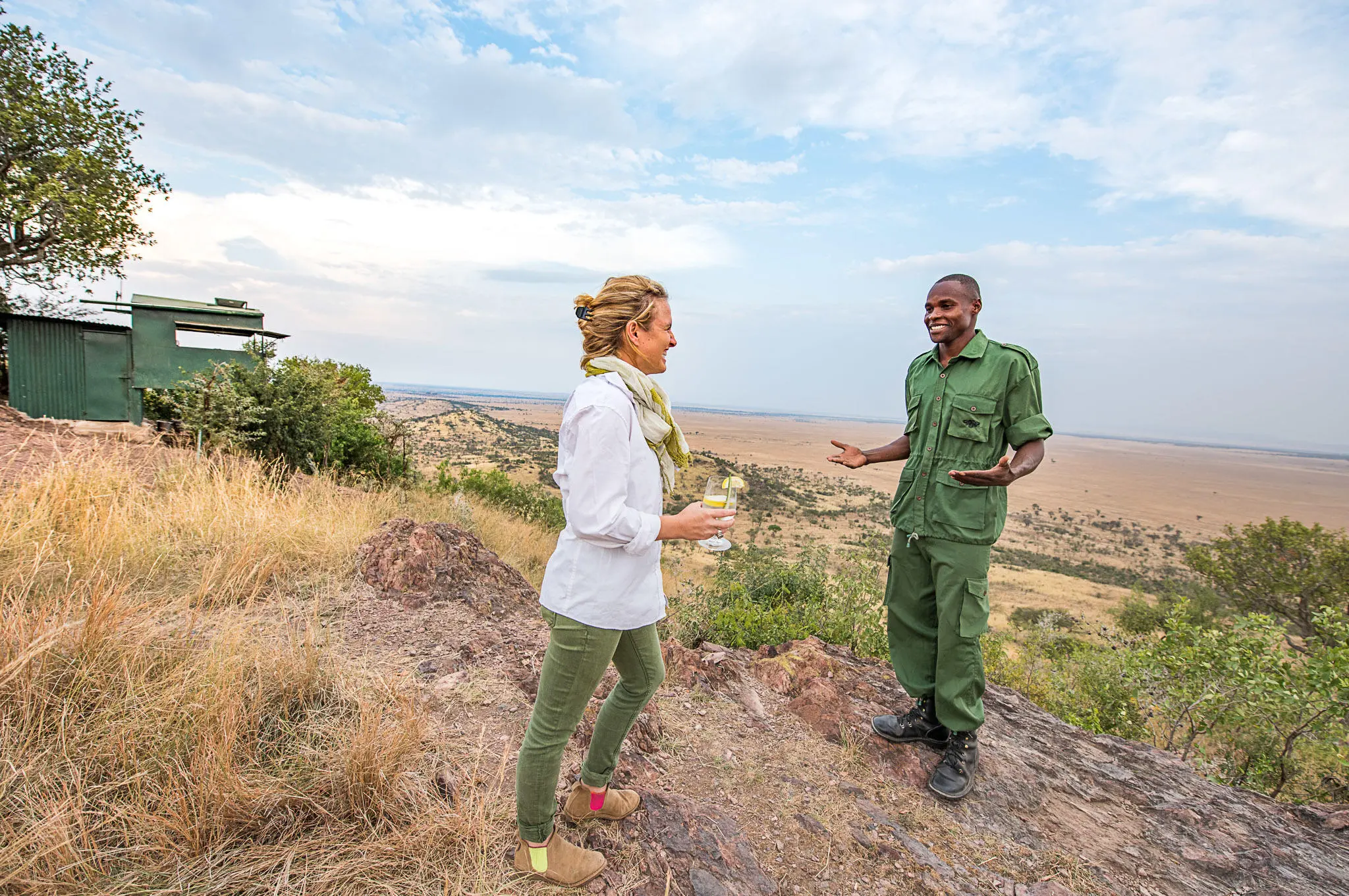
On a road safari, one private guide may accompany several chapters, building a deep understanding of your interests. On fly-in routes, camps usually provide their own guides, bringing strong local knowledge but a new relationship at each stop.
Neither is universally better. Decide whether continuity or hyper-local camp expertise is more valuable for the route.
05
Ask how the price is built
Private vehicle costs may be per vehicle, per day or embedded in a private journey. At some small camps all drives are effectively private; at others exclusive use attracts a supplement and needs advance confirmation.
Questions travellers ask
Useful answers, before you decide.
Does private safari mean private camp?
No. It normally refers to your vehicle and guide. The lodge, dining spaces and activities may still be shared unless you book an exclusive-use property.
How many people share a vehicle?
It varies by camp and vehicle. Ask about the normal maximum and whether every guest has an outside seat or unobstructed view.
Is a private vehicle essential for photography?
It is strongly beneficial for serious photography because position, timing and patience can be managed around your work.