
The short answer
What to know first.
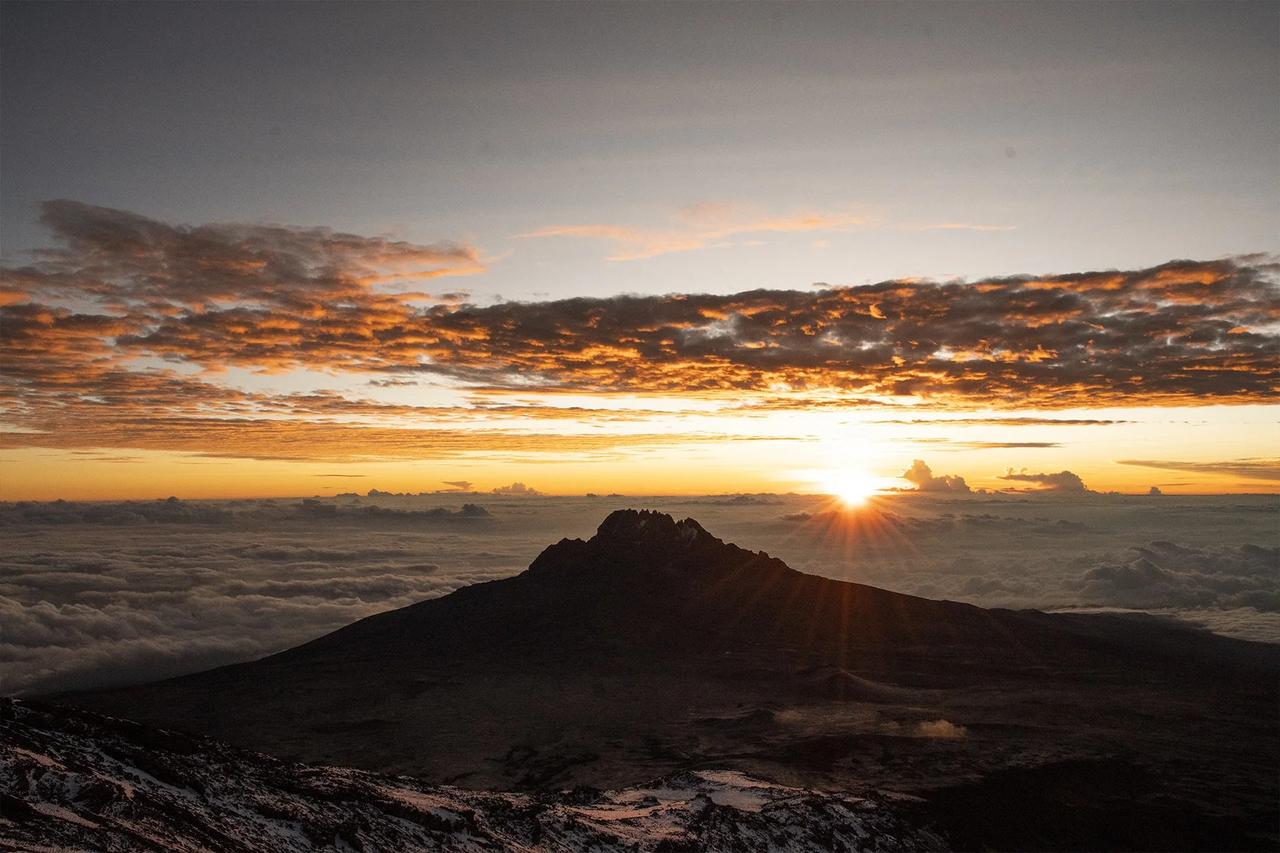
Combining Africa's highest mountain with its greatest wildlife viewing is a natural ambition and a real logistical commitment, and the honest arithmetic comes first: a responsibly-paced supported climb runs seven to nine days on the mountain, because the longer routes' acclimatisation profiles are what convert attempts into summits; a safari worth the airfare runs five to seven more; and between them belong the recovery days the upsell pages skip, a gateway night after descent for the first real shower and sleep, and an easy first safari day while your legs remember ordinary walking. Add international arrival margin and the genuine combination is a fortnight and more; under roughly twelve total nights the design squeezes both halves, and the honest advice becomes choose one and return for the other. Order matters and has one right answer for most files: climb first. The mountain demands your freshest body and delivers its reward structure backwards, effort then summit; the safari absorbs tiredness graciously and turns the plains into the exhale the climb earned. Sail's structure is plain: the climb runs with specialist mountain partners whose only business is the mountain, while our desk designs everything around it, arrival acclimatisation, the recovery hinge, and a safari shaped for post-climb energy, short drives first, depth later. Climb logistics, park fees and safari operations are confirmed at booking; the summit, like every wild outcome in this journal, is prepared for rather than promised.
At a glance
The planning brief.
Two trips, honestly
A supported climb is seven to nine days; a safari worth the flight is five to seven more. The combination is a fortnight-plus commitment.
Climb first
Summit before you safari: the plains are the recovery, and the order protects both the legs and the photographs.
The recovery days climbers skip
A gateway night and an easy first safari day after descent are the difference between savouring and surviving.
When to choose one
Under roughly twelve nights total, the combination squeezes both halves; choose the mountain or the plains and return for the other.
01
The honest arithmetic
Count the days the brochure montage hides. A climb with a responsible acclimatisation profile runs seven to nine days on the mountain, and the data is unambiguous that the longer routes summit more walkers; arrival needs a day or two at altitude-adjacent Moshi or Arusha before the gate; descent day ends with the first shower in a week and a body running on fumes. That is ten days before a single game drive.
The safari half then deserves its own integrity: five to seven nights across one or two areas, by the duration logic our Serengeti pages establish. Total the honest version and the combination is a fifteen-to-eighteen-night journey. It is magnificent at that length; it is a compromise at twelve; and below that, the kindest design advice we give is to choose the mountain or the plains and keep the other for the return it will inspire.
02
Climb first, and why
The order question has a physiological answer. The mountain wants your freshest legs, cleanest sleep and strongest immune margin, all of which are at their peak straight after arrival acclimatisation and nowhere near it after a week of dawn game drives, camp dinners and travel. Summit rates and summit enjoyment both argue for the mountain first.
The reward structure agrees. A climb is effort banked for one morning's payoff; a safari is continuous payoff. Run the climb first and the whole journey's emotional line ascends: work, summit, exhale, wonder. Reverse it and the mountain looms over every game drive as an anxiety, and the trip ends on its hardest day. The rare exceptions, photographers chasing a specific season, immovable dates, are designed case by case; the default does not move.
03
The recovery hinge
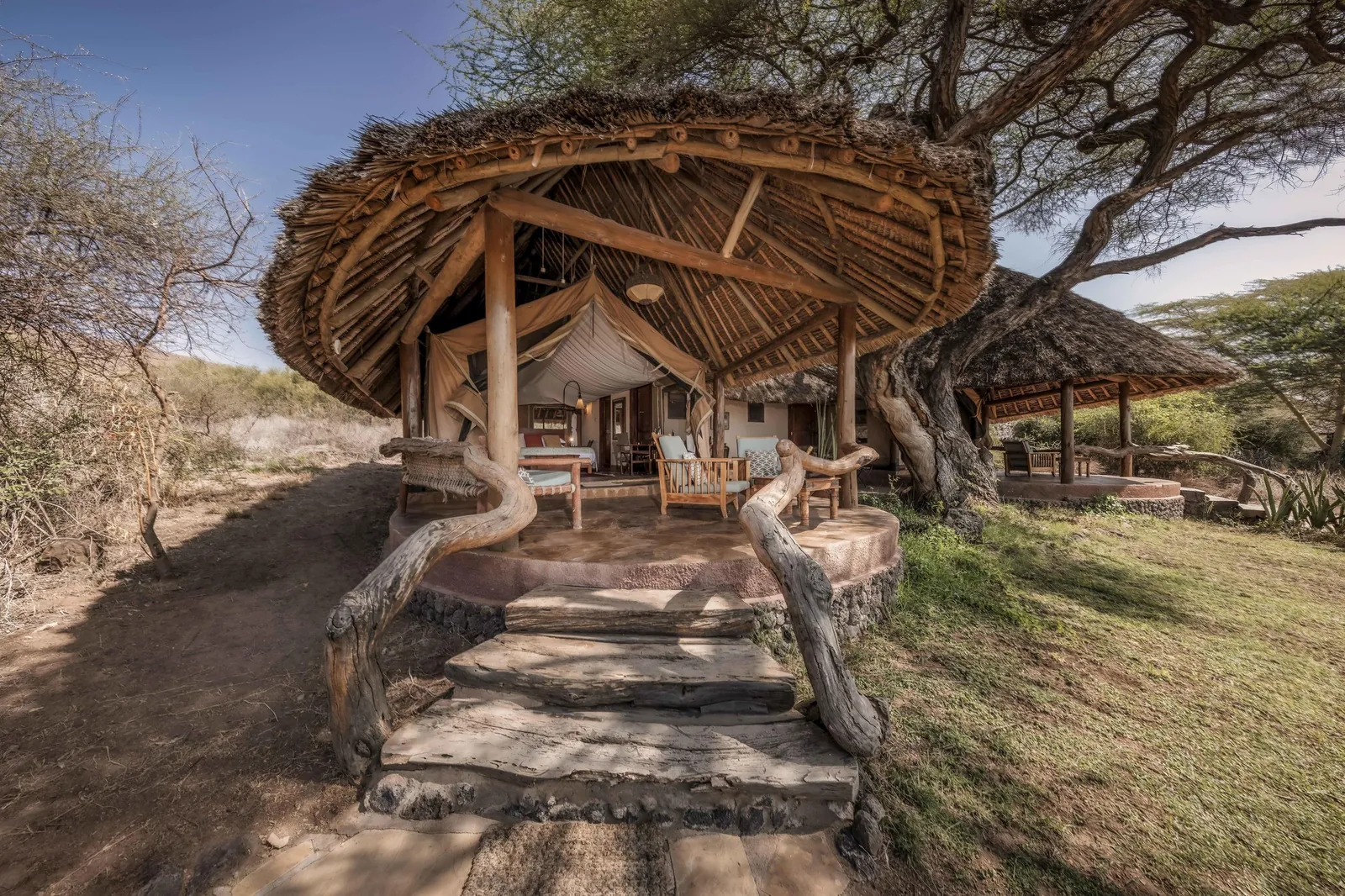
Descent day is a controlled collapse: knees, blisters, a week of altitude sleep debt and the adrenal comedown of a summit. The hinge our files build is unglamorous and decisive: a gateway night in a proper bed, unhurried, with laundry; then a first safari day designed easy, a short flight or gentle drive, an afternoon arrival, a camp with no dawn obligation. By day two on the plains the body has rejoined the trip.
The safari's own shape then leans comfortable-first: closer camps before remote ones, vehicle days before walking days, and the deep-wilderness chapters, where energy is an asset, placed at the end. It is the same logic our gorilla pages apply to trek recovery, translated to altitude: the itinerary should spend energy the traveller actually has, not the energy the booking form imagined.
The honest total
Fifteen to eighteen nights for the full combination: arrival margin, seven to nine on the mountain, the recovery hinge, then five to seven on safari.
The order
Climb first, near-universally: freshest body for the effort, then the plains as the earned exhale.
The hinge
A gateway night and an easy first safari day after descent, non-negotiable in our designs.
When to choose one
Under roughly twelve nights, the combination shortchanges both. Take the mountain or the safari whole, and return for the other.
04
How the halves are run
Mountains and safaris are different professions, and the honest structure respects that: the climb runs with specialist mountain partners, dedicated guides, monitored acclimatisation, proper porter welfare and safety protocols, whose only business is Kilimanjaro, while Sail designs and operates everything around it as one file: international arrivals, the pre-climb nights, the hinge, the safari, and a single point of accountability throughout. One journey, two specialist crews, no seams visible to the traveller.
Choosing the mountain partner is diligence work, and the tests mirror our operator-trust page at altitude: porter welfare standards and loads, guide-to-climber ratios, acclimatisation monitoring, evacuation protocols and honest summit-rate talk rather than promises. The cheap climb is cheap somewhere, and on Kilimanjaro that somewhere is usually the porters' backs or the safety margin. We partner accordingly and will say so in writing.
The safari half usually stays Tanzanian for logistical grace, Kilimanjaro's gateway sits beside the Northern Circuit's, and Amboseli's mountain-view plains offer the Kenyan variant for files already crossing the border. Season is chosen for the mountain first, its clearer windows, with the safari adapting, since the plains are excellent more months than the summit is kind. From the Sail operations desk, checked August 2026: the combination files that follow this page's arithmetic rate among our most fulfilled, and the ones that arrive asking to compress it leave with either a longer trip or a better plan for two.
Questions travellers ask
Useful answers, before you decide.
How many days do I need for Kilimanjaro and a safari?
Honestly: fifteen to eighteen nights for both done properly, including the recovery hinge. Under roughly twelve, choose one and return for the other.
Should I do the safari before or after the climb?
Climb first, almost always: the mountain wants your freshest body, and the safari is the recovery the climb earns. The reverse order ends the trip on its hardest day.
How hard is Kilimanjaro really?
A serious high-altitude trek rather than a technical climb: fitness helps, but acclimatisation pace decides most summits, which is why longer routes succeed more often. Your climb partner assesses your profile honestly before anything is booked.
Can the safari be in Kenya instead of Tanzania?
Yes: Amboseli's plains face the mountain itself and the border crossing is established. Tanzanian safaris win on logistics; Kenya wins when the wider route is already Kenyan.