
The short answer
What to know first.
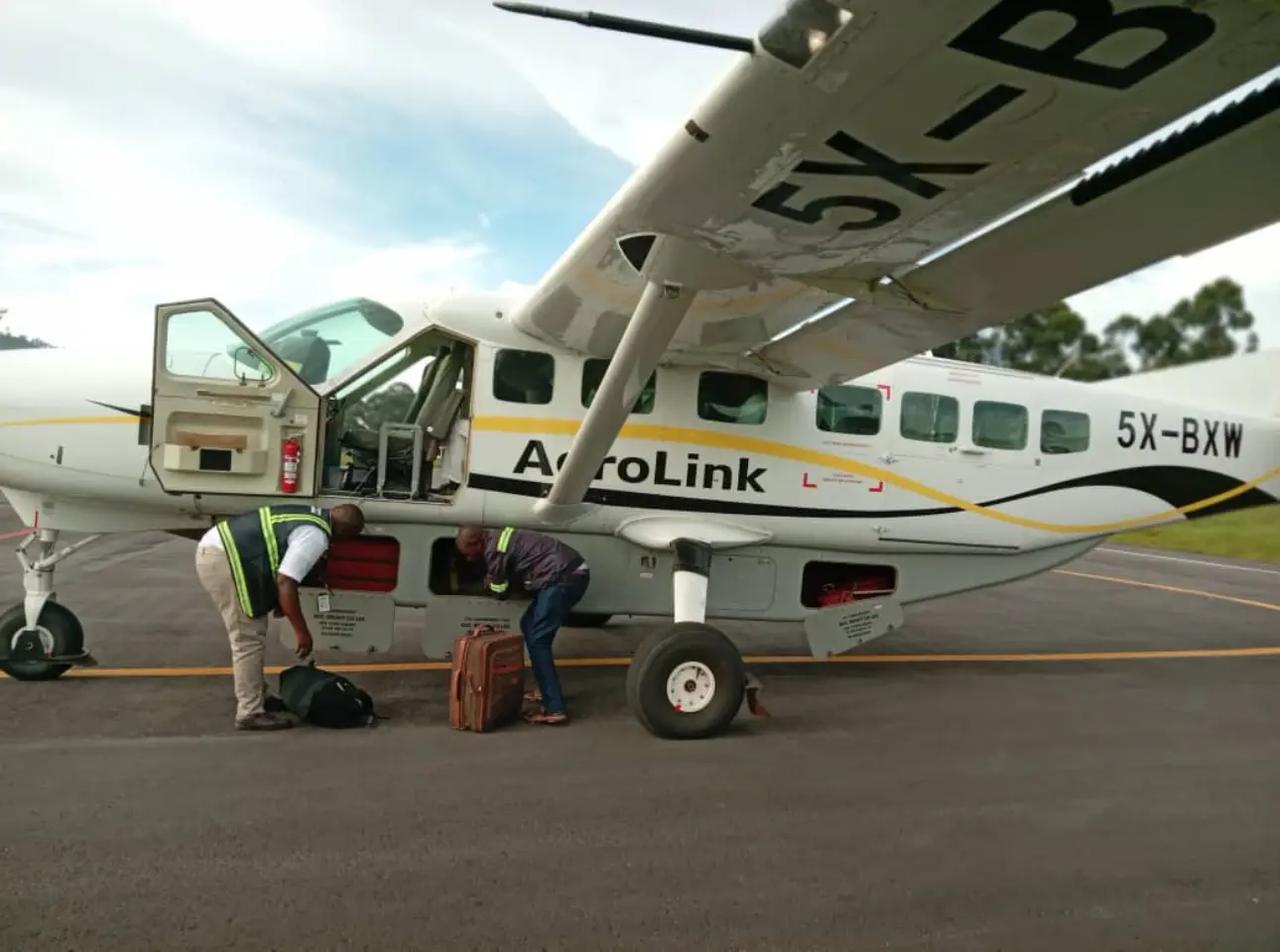
Use a soft-sided bag if safari flights are involved; pack neutral, breathable layers, a warm morning layer, light rain shell, broken-in closed shoes, sun protection, medication, binoculars and minimal camera equipment. Exact baggage limits must be checked against the booked carrier.
At a glance
The planning brief.
Use soft luggage
Small aircraft commonly impose strict weight, size and bag-construction rules.
Layer clothing
Cool dawns, warm afternoons, altitude and rain can all appear in one itinerary.
Pack for activities
Forest trekking, walking, launch cruises and coast stays each add specific requirements.
Keep essential
Medication, documents, optics and one change of clothes belong in hand luggage.
01
Build a small layering system
Early drives at altitude can be cold; midday can be hot. Pack a light base, breathable shirt, warm mid-layer and wind or rain shell that can be removed easily in the vehicle.
Neutral colours are practical. Bright white shows dust quickly; camouflage clothing may be restricted or inappropriate in some countries, so leave it at home.
02
Footwear should match activities
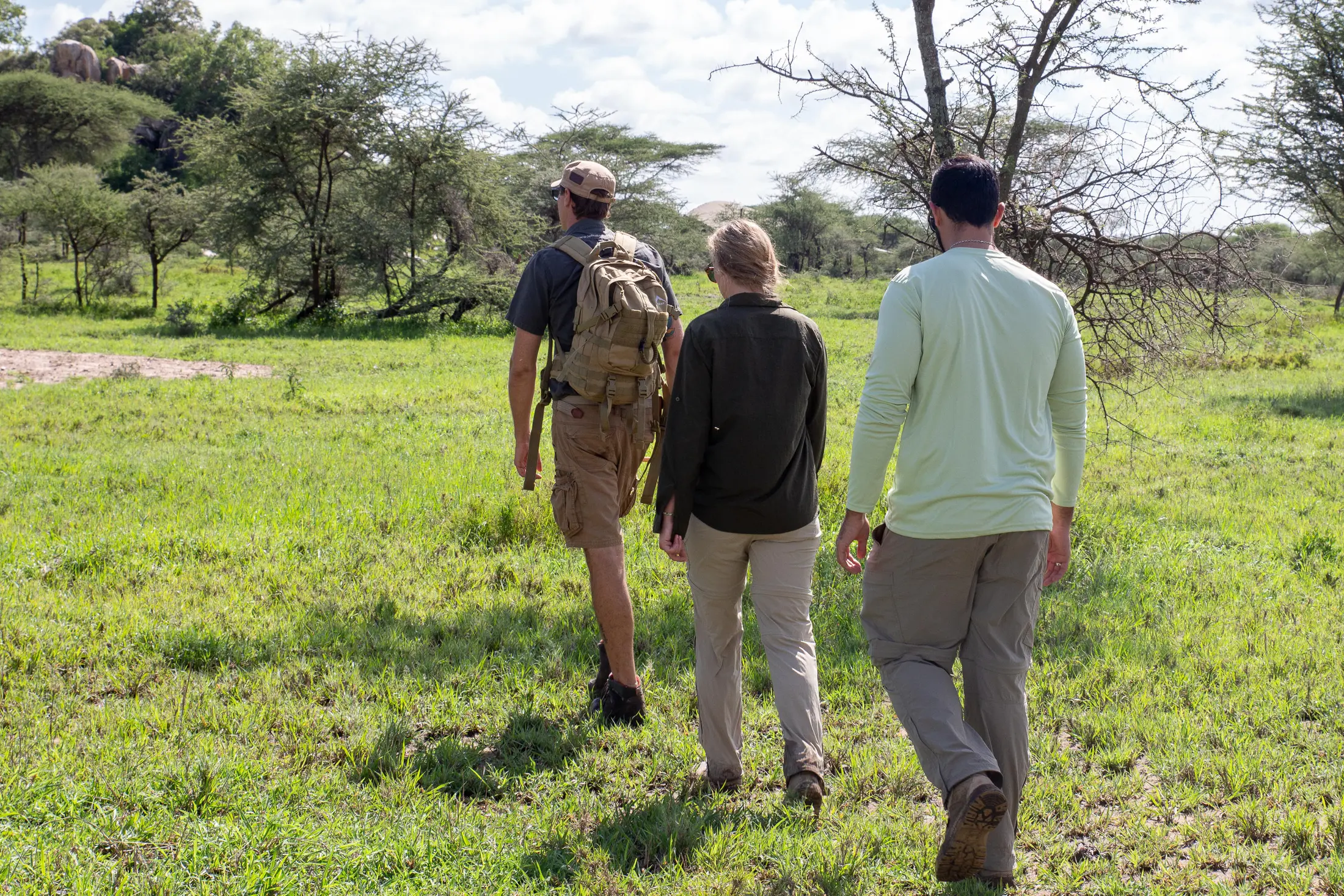
Comfortable closed shoes are sufficient for many vehicle-based safaris. Gorilla trekking and serious walks need grippy, broken-in footwear and protection from mud or vegetation.
A light sandal or camp shoe is useful, but follow lodge instructions after dark and never walk unescorted where escorts are required.
03
Small-aircraft luggage
Soft-sided bags fit restricted holds more easily. Combined weight limits may include hand luggage and camera equipment, and dimensions can matter as much as kilograms.
Carrier rules vary and can change. Sail provides the allowance for each confirmed sector and plans secure storage or laundry if a smaller safari bag is required.
04
Keep essentials with you
Medication, documents, prescription copies, one change of clothing, glasses, charging cables and valuables belong in hand luggage within the permitted allowance. Use a compact day bag in the vehicle.
Bring fewer toiletries than you think and avoid restricted single-use plastic. Check battery and power-bank rules with the airline.
05
Camera and binocular choices
Binoculars improve every safari, including for non-birders. For cameras, prioritise equipment you know how to use and can carry. Dust protection, spare memory and simple charging matter.
Serious photographers should discuss vehicle position, beanbags, lens length, power and baggage weight before travel.
Questions travellers ask
Useful answers, before you decide.
Do camps provide laundry?
Many do, sometimes included, but cultural, water-use and garment restrictions may apply. Underwear may not be accepted. Check each property.
Can I wear black or blue?
Neutral colours are generally practical. In some tsetse areas, very dark colours can attract insects; local guidance should inform what you wear there.
Do I need formal clothes?
Usually not in the bush. Smart, relaxed clothing is enough for most gateway hotels and special dinners unless your wider trip has a formal event.
How much luggage can I take?
Use the allowance stated for your exact flights. Safari carriers often have stricter soft-bag and combined-weight rules than international airlines.