
The short answer
What to know first.
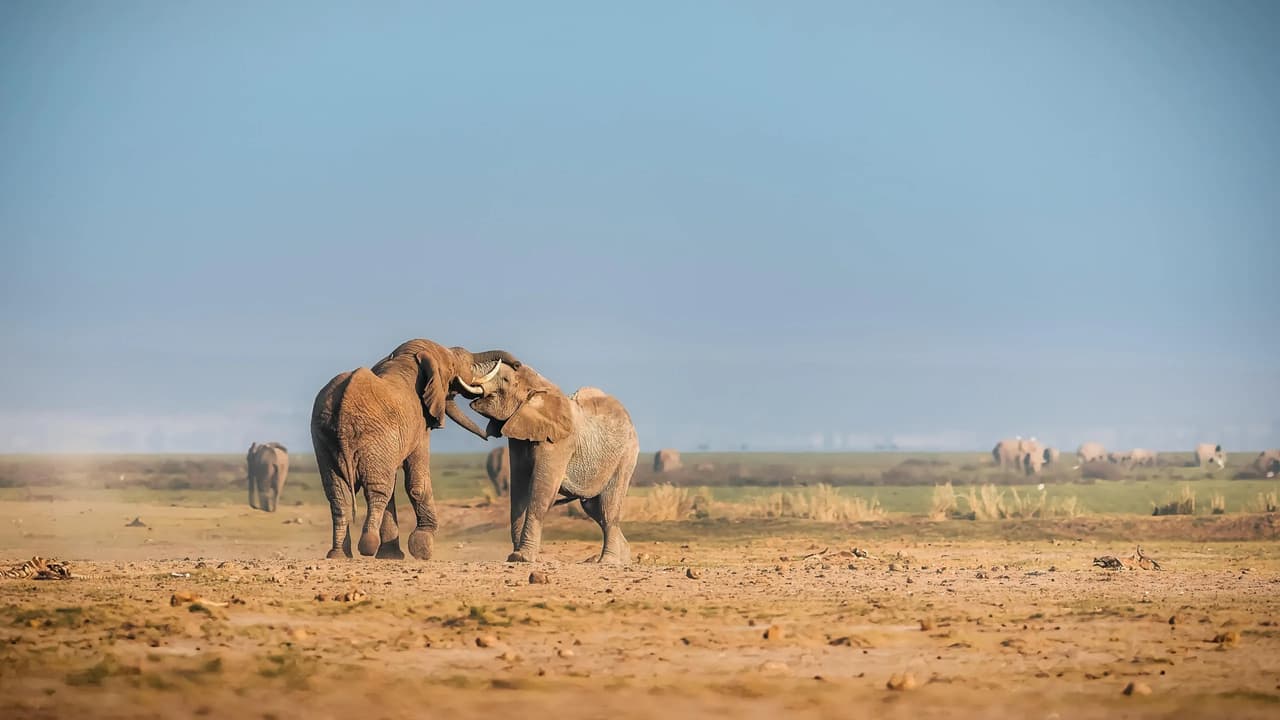
Amboseli sells a postcard, Kilimanjaro behind elephants, and delivers it on the mountain's terms, which is the first honest thing to say: Kilimanjaro shows itself most reliably in the early morning and again toward evening, when the day's cloud lifts or has not yet built, and it can also sulk behind weather for a day or more. Nobody, at any price, books the view. What the park delivers unconditionally is elephants: Africa's most-studied population, families crossing the dust to the spring-fed marshes in lines a hundred strong, at a proximity and calm that reward even a short stay, with some of the continent's celebrated tuskers among them. The costs are equally plain: Amboseli is compact, famous and close to Nairobi, so peak-season vehicle density is real; the dry lakebed's dust is part of the aesthetic; and the current KWS tariff prices entry at 90 US dollars per person per day, restated on every quote. Where it fits: a two-to-three-night chapter pairing naturally with the Mara by air, giving a first Kenya file its second habitat and its mountain mornings. Where it does not: routes that crave solitude, for which the neighbouring Chyulu Hills conservancies and big Tsavo next door offer the same mountain views with a fraction of the vehicles, at different price points and rhythms. Availability, fees and camp position are confirmed at booking; the mountain remains its own booking authority.
At a glance
The planning brief.
The elephants are the case
Africa's most-studied elephant population, at close quarters, with some of the continent's great tuskers among them.
The mountain keeps its own hours
Kilimanjaro shows itself early morning and evening when it chooses; cloud owns the middle of the day.
Dust, marsh and crowds
A compact park with real vehicle density at peak; the swamps concentrate the wildlife and the viewing.
Sail verifies
Current KWS fees, camp position relative to the marshes, and whether your route wants Amboseli or the Chyulu-Tsavo alternative.
01
The elephant case, without the postcard
Amboseli's elephants would justify the park if Kilimanjaro were invisible. Six decades of continuous research have made this the best-understood elephant population on Earth, and the practical effect for a visitor is proximity with calm: families that tolerate vehicles at conversational distance, matriarchs leading swamp crossings on schedule, and the slow theatre of greeting ceremonies, dust baths and sparring that hurried parks rarely show.
The marshes are the mechanism. Meltwater from the mountain rises here as permanent springs, pulling wildlife onto a compact stage that makes game viewing unusually reliable: elephants to the water in the morning, out to the plains at dusk, with hippo, buffalo and superb birding resident in between. Short stays work in Amboseli precisely because the geography does the finding.
02
The mountain's terms
Kilimanjaro stands across the border in Tanzania and answers to physics, not itineraries. The classic pattern: clearest at dawn, building cloud through the morning, curtained by midday, often reopening toward sunset. Some days it never appears; occasionally it stands sharp all day and rearranges every photograph in camp.
Design accordingly. Two nights give you two dawns and two evenings of mountain lottery, which is usually enough for at least one reveal; camps and camp positions differ in their sightlines, which is a real selection criterion; and the photograph everyone wants needs the dawn drive toward the elephants with the mountain behind, which is a timing craft your guide will know. What no design can do is promise the reveal, and a file whose happiness depends on it has been sold weather.
03
Crowds, dust and the honest ledger
Amboseli's virtues create its congestion: compact, reliable, iconic and an easy hop from Nairobi, it draws day-trippable volume the Mara's distance filters out. Peak-season sightings can gather vehicles quickly, the lakebed's dust ends up in every bag, and the park's small road network means less room to disperse than its fame suggests.
The ledger still balances for most first files, because the elephant experience is unduplicated and the logistics are gentle. It balances differently for veterans: if you have done famous-park density and want the mountain landscape without the queue, the ecosystem's edges, the Chyulu Hills' green volcanic ridges and the conservancies between Amboseli and Tsavo West, hold small exclusive camps where the same massif presides over nearly empty country, at conservancy economics rather than gate-ticket ones.
Season redraws the park more than most. The dry months concentrate everything at the marshes and turn the lakebed to shimmering dust, the classic Amboseli of the photographs; the rains flood the lake back into being, scatter the game, cut the dust and fill the air with flamingo-pink and birdsong. Neither is wrong. The dry sells the postcard; the green sells the surprise, at the gentler rates our green-season page prices.
Amboseli earns its place when
Elephants at close quarters and the mountain-morning lottery matter, the file is a first Kenya circuit, and two to three nights fit by air from the Mara or Nairobi.
Consider Chyulu-Tsavo instead when
Solitude outranks convenience: the same mountain presides over conservancy ground and big Tsavo with a fraction of the vehicles.
The fee line
Amboseli at 90 US dollars per person per day on the current KWS tariff, restated on every quote; conservancy stays price by their own published fees.
The timing rule
Sleep close, drive at first light: elephants moving, mountain most likely out, vehicles fewest. Midday belongs to the cloud.
04
How Sail routes it
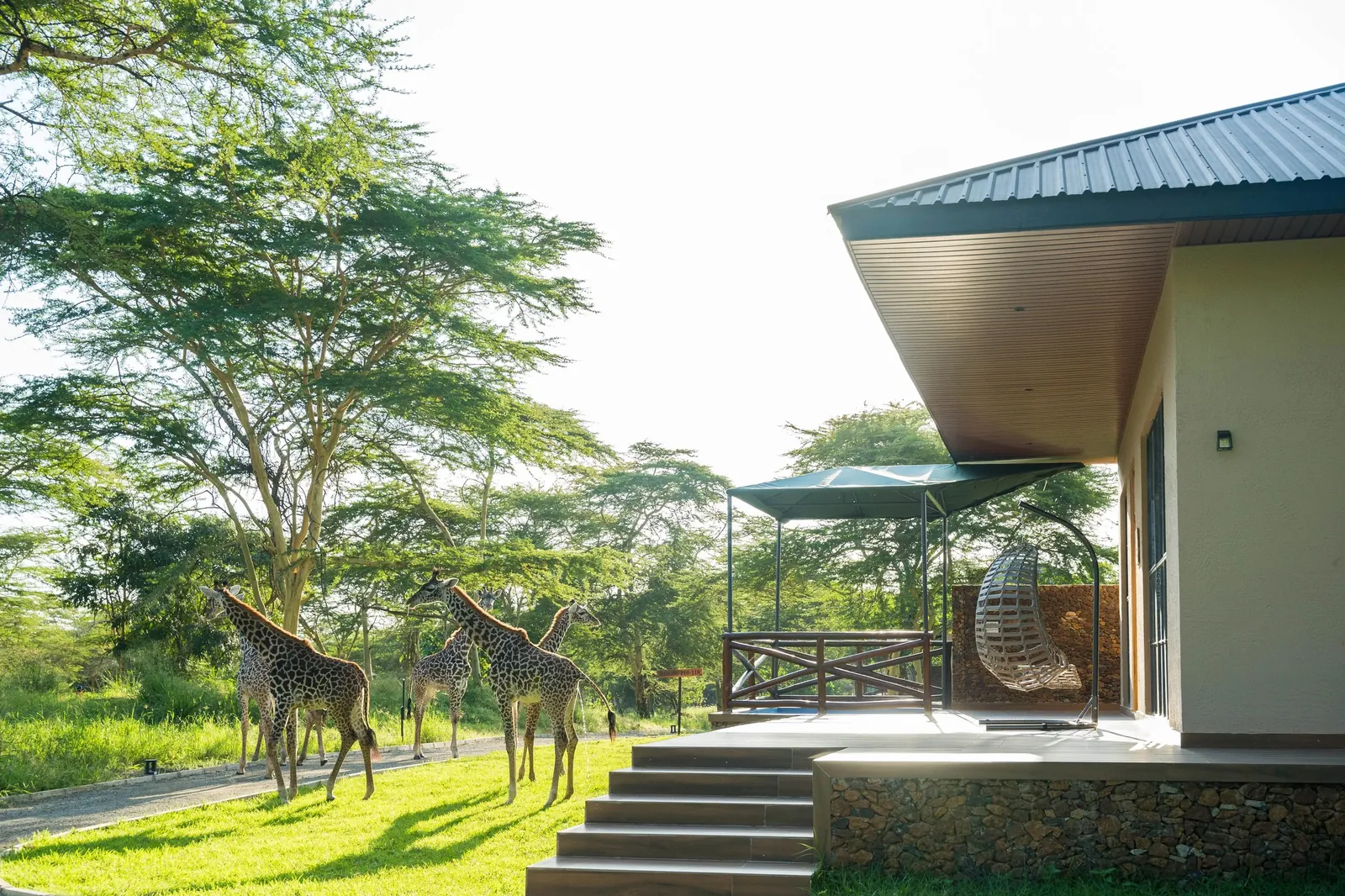
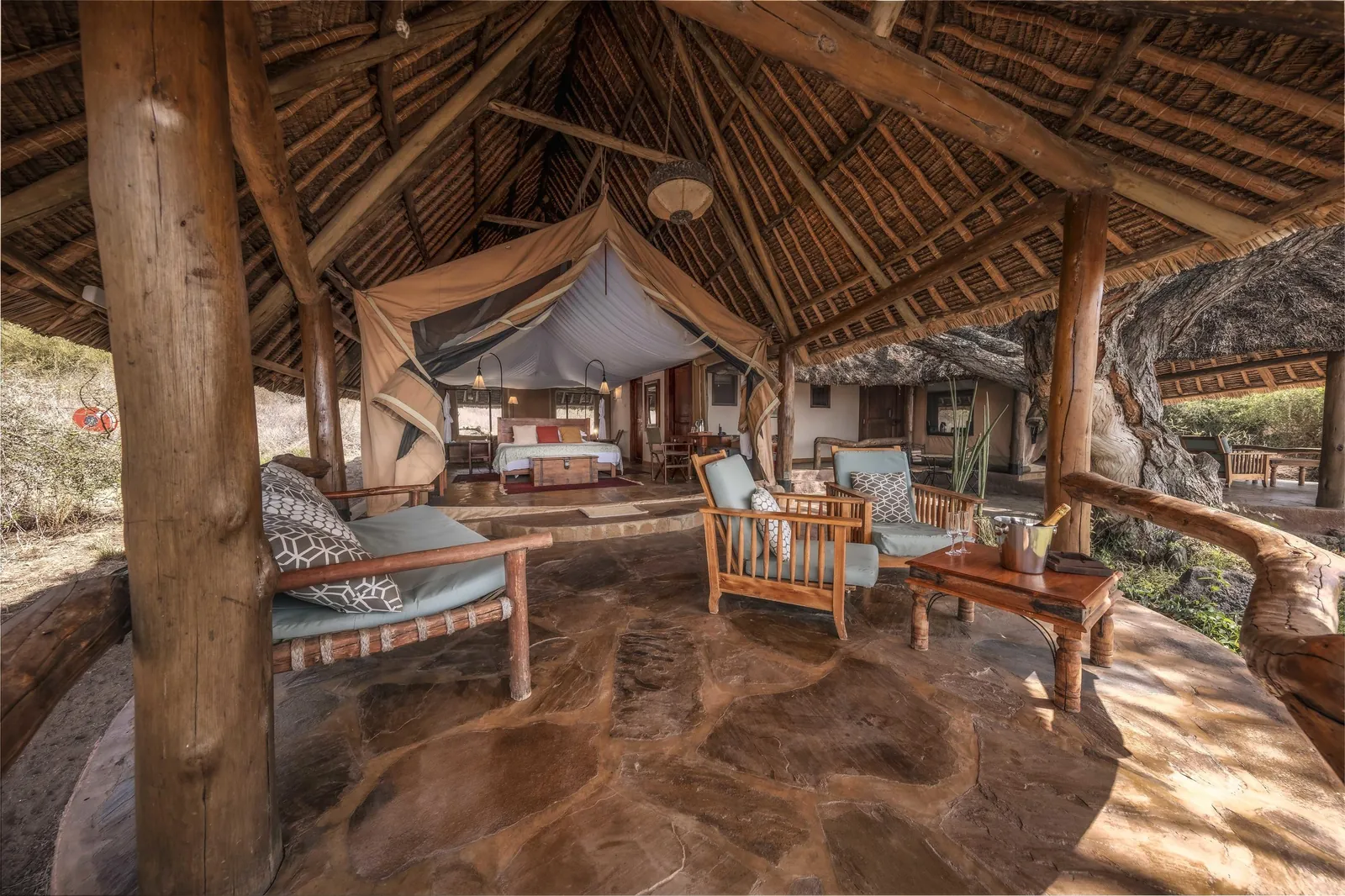
Our standard shapes: the first-safari pairing, three Mara nights and two Amboseli nights linked by scheduled light aircraft, two habitats and the mountain for modest extra logistics; the family version, which uses Amboseli's short drives and reliable sightings for young attention spans; and the connoisseur's variant, which sleeps in the Chyulu or Kimana conservancy ground beside the park and enters for the marshes, buying both proximity and quiet.
The southern extension writes itself when the coast calls: Amboseli connects onward to Tsavo West and East and the railway to the sea, the route our Tsavo page maps. From the Sail operations desk, checked August 2026: fees at the authority's published figures, camp sightlines confirmed against the mountain, and the reveal never promised, only positioned for.
Questions travellers ask
Useful answers, before you decide.
How many nights does Amboseli need?
Two is the working answer: two dawns for the mountain lottery and the elephant marshes, inside a wider Kenya route. Three suits photographers working the light; one is a gamble against cloud.
Will I definitely see Kilimanjaro?
No honest operator says yes: the mountain favours dawn and dusk and disappears behind cloud for hours or days. Two nights make at least one reveal likely; the elephants are the certainty.
Is Amboseli too crowded?
At peak, sightings can gather vehicles: the park is compact and famous. Early starts, the right camp position and the conservancy edges of the ecosystem are the working antidotes.
Amboseli or Tsavo for elephants?
Amboseli for close, reliable, studied families on a small stage; Tsavo for red-dust giants in enormous country that asks more patience. The route and your tolerance for crowds decide.