
The short answer
What to know first.
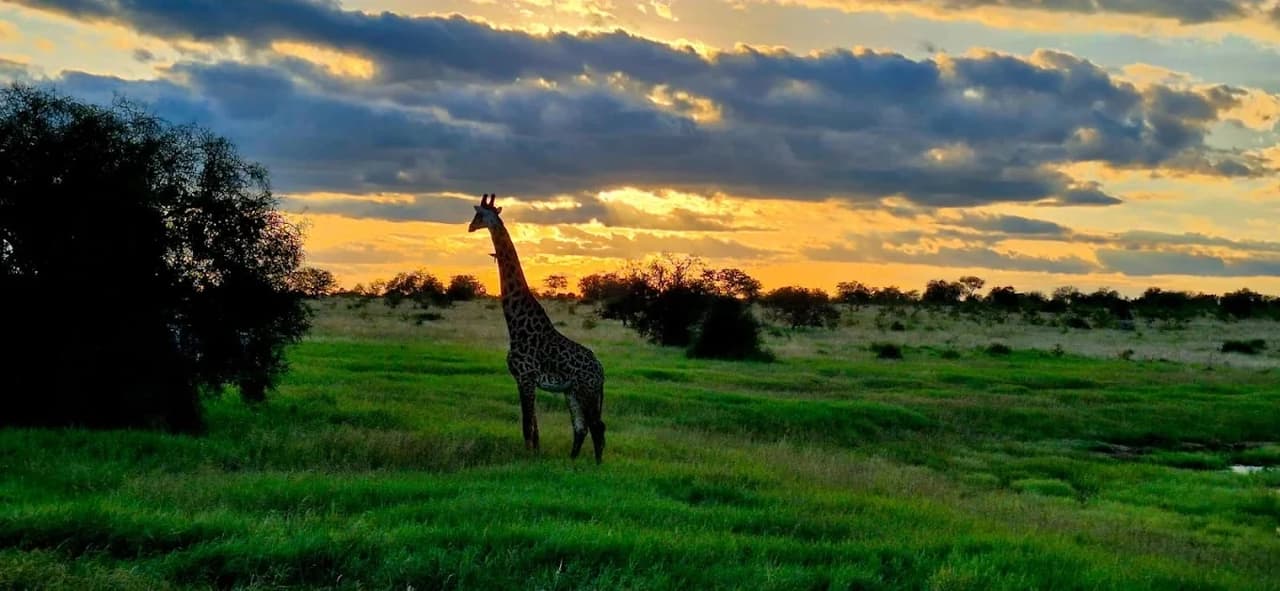
Tsavo is Kenya's superlative nobody routes properly: East and West together form one of Africa's largest protected complexes, an expanse that dwarfs the Mara many times over, famous for elephants stained rust-red by its earth, the man-eaters of railway history, and landscapes, lava flows, springs, inselbergs, the long green Yatta plateau, that feel geological rather than curated. The honesty the premium houses skip by skipping Tsavo: game density per hour is genuinely lower than the Mara's, the wildlife works harder to find across the vastness and can be shyer when found, and the park rewards patience, route knowledge and a taste for scale over spectacle. What makes Tsavo suddenly logical is geography: it sits astride the Nairobi-Mombasa corridor, with the SGR railway's safari-namesake stations and the highway threading between East and West, which makes it the natural bush chapter of any coast-paired journey, two or three nights of big country breaking the journey to Diani or the northern beaches. Current KWS tariffs price Tsavo East and West at 80 US dollars per person per day each, with published combination tickets for multi-park routings, restated on every quote. Choose Tsavo for scale, history, red elephants and the road to the sea; choose the Mara when density-per-day is the point; and let the season and your patience arbitrate, confirmed at booking.
At a glance
The planning brief.
Kenya at full scale
Tsavo East and West together form one of Africa's largest protected complexes: red earth, big skies, storied elephants.
Honest about density
Game viewing is real but works harder than the Mara's; Tsavo rewards patience and route knowledge rather than gate-to-gate spectacle.
The routing card
The SGR railway and the Mombasa road make Tsavo the natural bush chapter of a coast-paired journey.
Sail verifies
Current KWS fees and combination tickets, SGR schedules and which sectors suit your season.
01
What Tsavo actually is
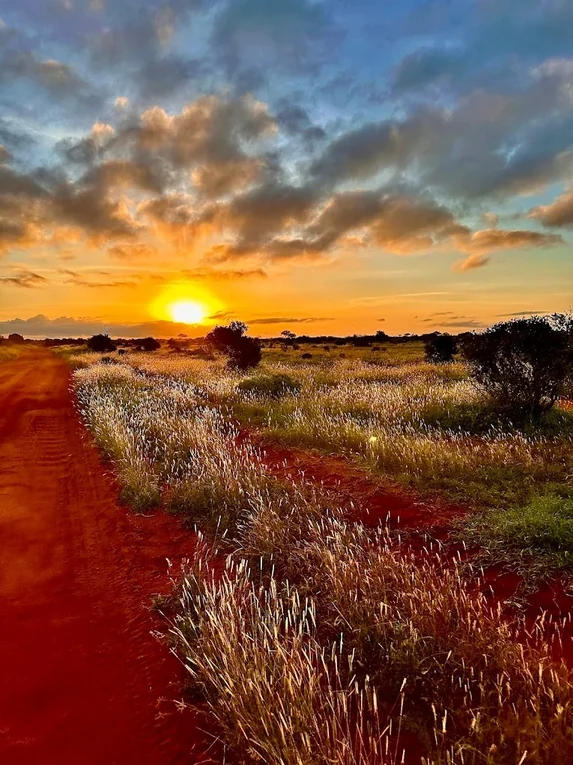
Scale first, because everything follows from it. The two parks together protect an area larger than some countries, split by the railway and road into Tsavo East, flatter, redder, famous for its elephant herds and the Galana river's crocodile pools, and Tsavo West, hillier and greener, with lava fields, the clear springs where hippo hang in glass-blue water, and rhino sanctuary ground. The red comes from the soil the elephants dust themselves with, and it recolours everything: elephants, roads, sunsets, luggage.
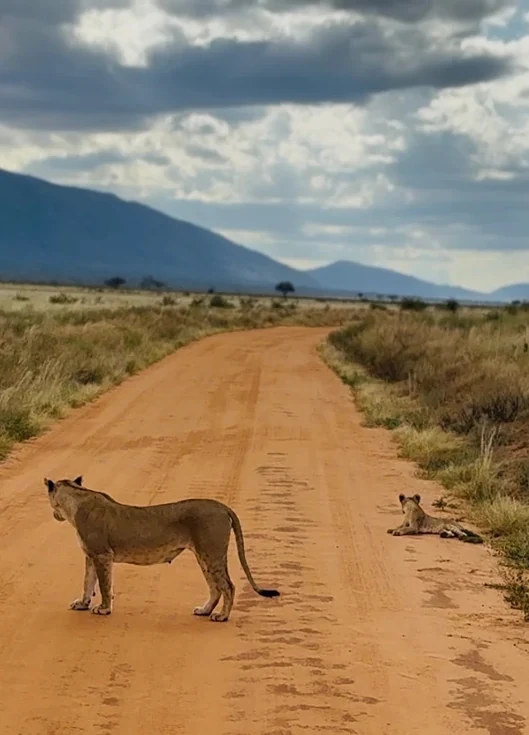
The history is part of the visit: the man-eating lions that stalled the railway's construction in 1898 made Tsavo globally infamous before it was a park, and the modern park's lions, often lightly maned, carry the mystique. Add the Yatta plateau, one of the world's longest lava flows, and Mzima's springs, and Tsavo offers more geography per day than any Kenyan park, wildlife or no wildlife.
02
The honest density conversation
Per hour of game drive, the Mara out-produces Tsavo, and any sales conversation that hides this is storing up disappointment. Tsavo's wildlife is spread across enormity, water sources organise it seasonally, and sightings are earned by route craft: which waterhole at which hour, which river bend, which season's grass. The reward curve favours the patient, the returning and the guided-by-locals.
What density statistics miss is register. A Tsavo elephant encounter, one red giant filling the road in country empty to every horizon, lands differently from the Mara's shared abundance; the emptiness is the indulgence, in the oldest sense of having Africa to yourself. Photographers prize the red-on-blue palette; families love the springs and the history; and everyone remembers the scale. Set expectations honestly and Tsavo overdelivers on them.
Season moves the needle more here than in compact parks. Dry months pull wildlife to the rivers and waterholes, and a camp with its own water becomes a front-row seat; green months scatter the game but bring the birds, the storms and the red-and-emerald palette photographers cross the world for. Ask the desk which sector your dates favour, because in a park this size, season is not background, it is the route.
03
The routing card: bush on the way to the beach
Tsavo's trump is position. The Nairobi-Mombasa corridor runs between the parks, which means the classic Kenya bush-and-beach journey can take its safari chapter en route: by road, or by the SGR railway whose stations sit at the parks' edges, a few hours of comfortable rail replacing a full transfer day. Two or three Tsavo nights turn the journey to the coast from a logistics day into a chapter.
The shapes that work: Nairobi to Tsavo West's springs and lava country, onward to Diani via the coast road; or Nairobi by rail to Tsavo East's elephant herds, then the short hop to the sea. Pair with Amboseli and the route collects the mountain too, the triangle our Amboseli page maps. The coast decision itself, Diani's beach product, the northern islands' culture, or Zanzibar across the border, has its own page coming in this programme; Tsavo is how Kenya's version of the answer earns its bush half.
Choose Tsavo when
The route pairs bush with Kenya's coast, scale and solitude appeal, and expectations are set for earned sightings rather than gate-to-gate density.
Choose the Mara instead when
Density per day is the point, the file is short, and the coast is not in the journey's shape.
The fee line
Tsavo East and West at 80 US dollars per person per day each on the current KWS tariff, with published combination tickets for multi-park routings.
The rail note
SGR services link Nairobi, the Tsavo edges and Mombasa; schedules are confirmed at booking and the stations make the parks a genuine mid-journey stop.
04
How Sail sells it straight
Our Tsavo files carry a one-line covenant: this is Kenya at full size, not the Mara with different soil. Camps are chosen for water, springs, river bends, waterhole hides, because water organises Tsavo's wildlife; guides are chosen for local mileage, because route craft is the density multiplier; and durations are honest, two to three nights as a coast-road chapter, longer only for travellers who have bought the scale on purpose.
The season shapes the sell: dry months concentrate wildlife at water and make the red-dust palette absolute; green months soften the country, scatter the game and reward birders and photographers. From the Sail operations desk, checked August 2026: Tsavo's satisfaction scores track expectation-setting more tightly than any product we sell, which is why this page exists, and why the premium houses' silence about Tsavo says more about their sales scripts than about the park.
Questions travellers ask
Useful answers, before you decide.
Is Tsavo worth it compared to the Masai Mara?
For density per day, the Mara wins. For scale, history, red elephants and a coast-paired route, Tsavo is the answer. They are different products; the journey's shape decides.
Why are Tsavo's elephants red?
The parks' iron-rich soil: elephants dust and mud themselves constantly, and Tsavo's earth stains them rust-red. It is cosmetic, local and the park's signature image.
Can I reach Tsavo by train?
The SGR railway between Nairobi and Mombasa stops at stations on the parks' edges, and camps arrange transfers. Schedules are confirmed at booking; the rail option turns the coast journey into a two-chapter route.
Which is better, Tsavo East or West?
East for elephant herds, the Galana river and classic red flatlands; West for springs, lava country, hills and rhino sanctuary ground. Coast-bound routes often thread one each way.