
The short answer
What to know first.
Check official government entry portals for every passport and transit point, consult a qualified travel-health professional well before departure, buy comprehensive insurance that covers planned activities and evacuation, and follow your guide's instructions around wildlife. Requirements are personal and can change.
At a glance
The planning brief.
Clinical advice
Seek personalised travel-health guidance well before departure; a website cannot prescribe.
Insurance
Confirm medical care, evacuation, cancellation, activities and benefit limits.
Documents
Use official immigration sources and recheck passports, visas and certificates for your route.
In destination
Follow guide, ranger, pilot and camp safety briefings even when conditions feel relaxed.
01
Is Kenya, or Tanzania, safe for a safari right now
The question deserves an operator's answer rather than a slogan, so here is how the desk that runs these roads weekly actually briefs it. A safari's geography is not a country's headline geography: guests move between an international airport, a light-aircraft network and parks or conservancies that sit far from the urban areas where most reported incidents concentrate. The routing itself is the first safety instrument, which is why our files favour daylight transfers, established operators for every sector and gateway hotels chosen for more than their lobbies.
What an operator cannot honestly do is issue blanket promises. Conditions vary by region and time, government travel advisories exist precisely to carry current nuance, and travellers should read their own country's advisory for Kenya and Tanzania before booking and again before flying. What we can say from the ground: the safari circuits themselves are running normally, the professional layer around them, parks authorities, camps, carriers, is mature and practised, and the incidents that make headlines rarely have anything to do with the ground a well-designed safari touches. Where something does affect a route, rerouting is our job, done before you arrive, not defended after.
Read the advisory
Your own government's current travel advice for Kenya and Tanzania, before booking and before flying: the official carriers of current nuance.
The routing is the instrument
Daylight transfers, established carriers, vetted gateway hotels and parks far from urban concentrations: design does most of the quiet work.
City sense applies
Nairobi, Arusha and Dar es Salaam ask ordinary big-city precautions: arranged transport, modest visibility of valuables, hotel advice for anything on foot.
Sail monitors
Active files are watched by the in-country desk with 24-hour support; anything material changes the route first and the briefing immediately.
02
Entry rules are passport-specific
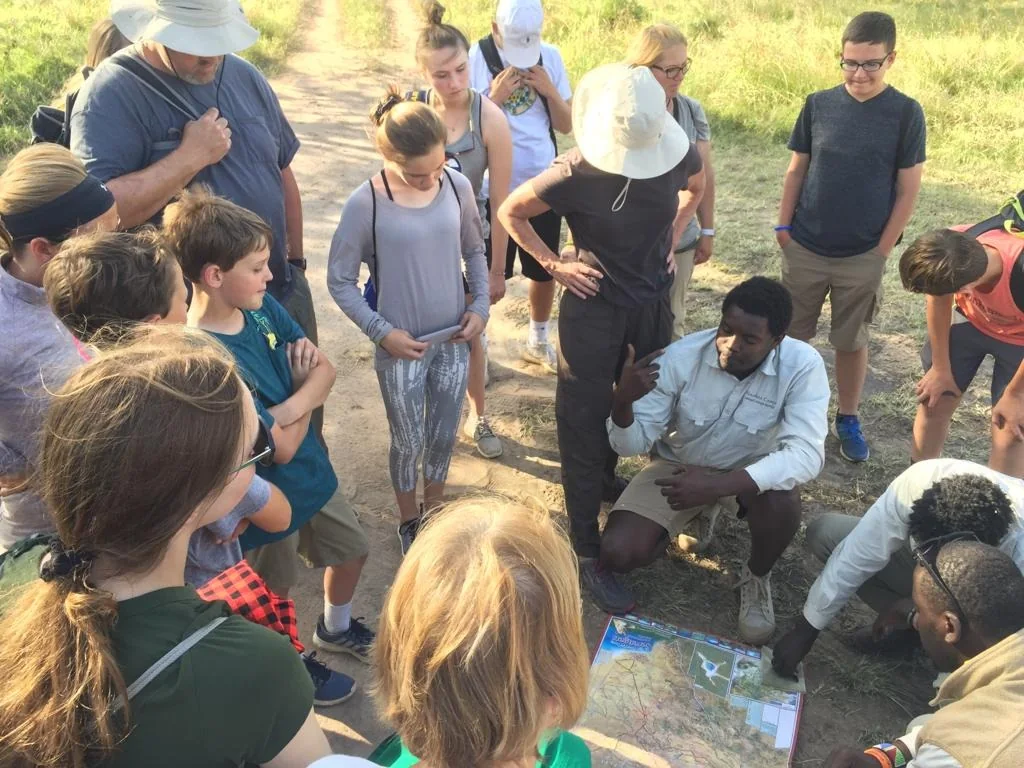
Visa, electronic authorisation and vaccination-certificate requirements depend on nationality, residence, routing and transit. Advice that was correct for a friend or last year may not apply to you.
Use only official government portals, check passport validity and blank-page requirements, and carry digital and printed copies. Sail can point to official sources but does not replace immigration authority advice.
03
Seek personalised medical advice
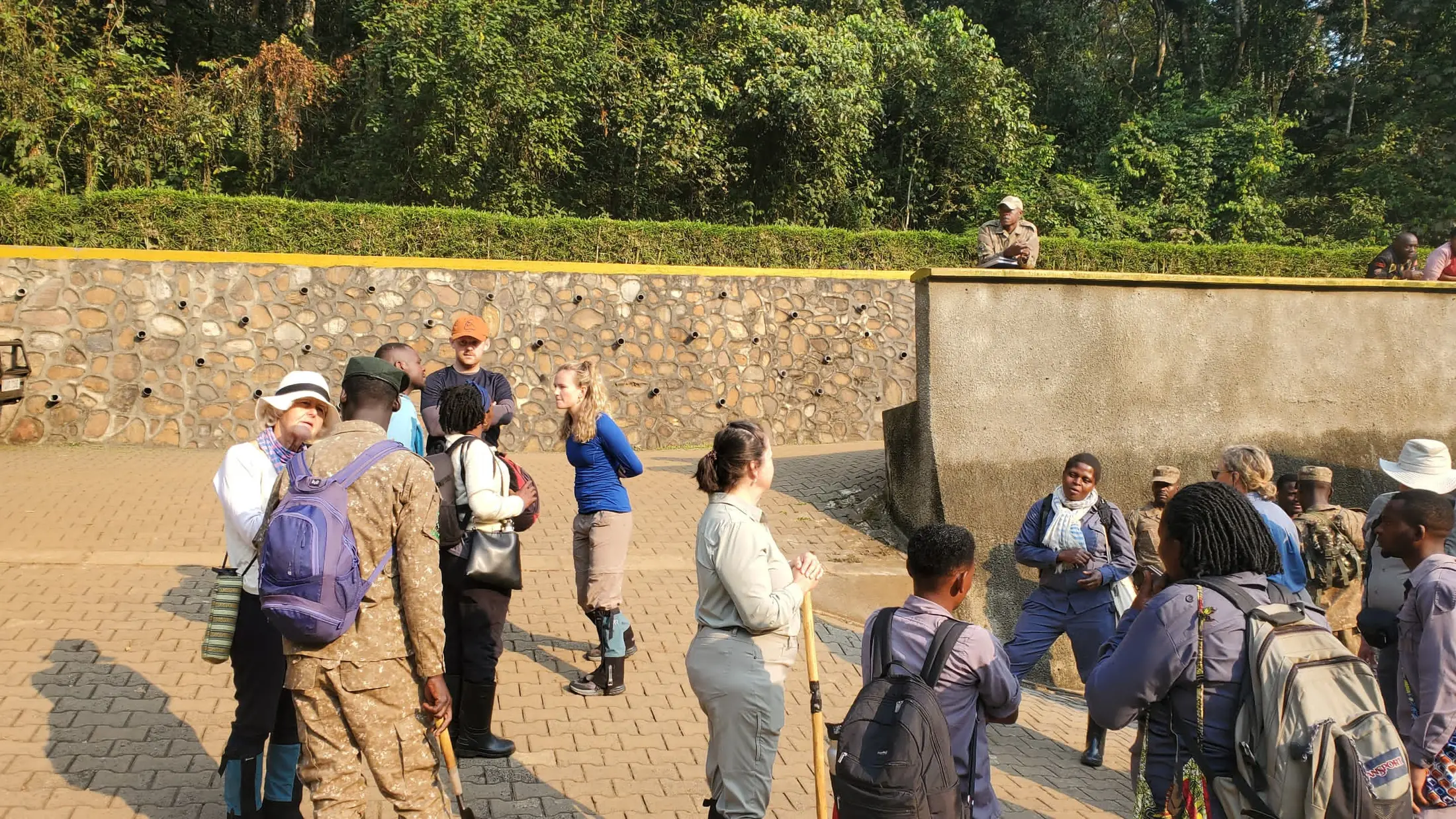
Malaria prevention, yellow-fever documentation, routine vaccines, altitude, pregnancy, allergies and existing conditions require individual clinical advice. Consult a qualified travel-medicine professional with the complete itinerary and sufficient lead time.
Carry medication in original packaging with prescriptions where appropriate. Tell Sail about conditions that affect walking, diet, sleep, emergency response or medication storage.
04
Wildlife safety is behavioural
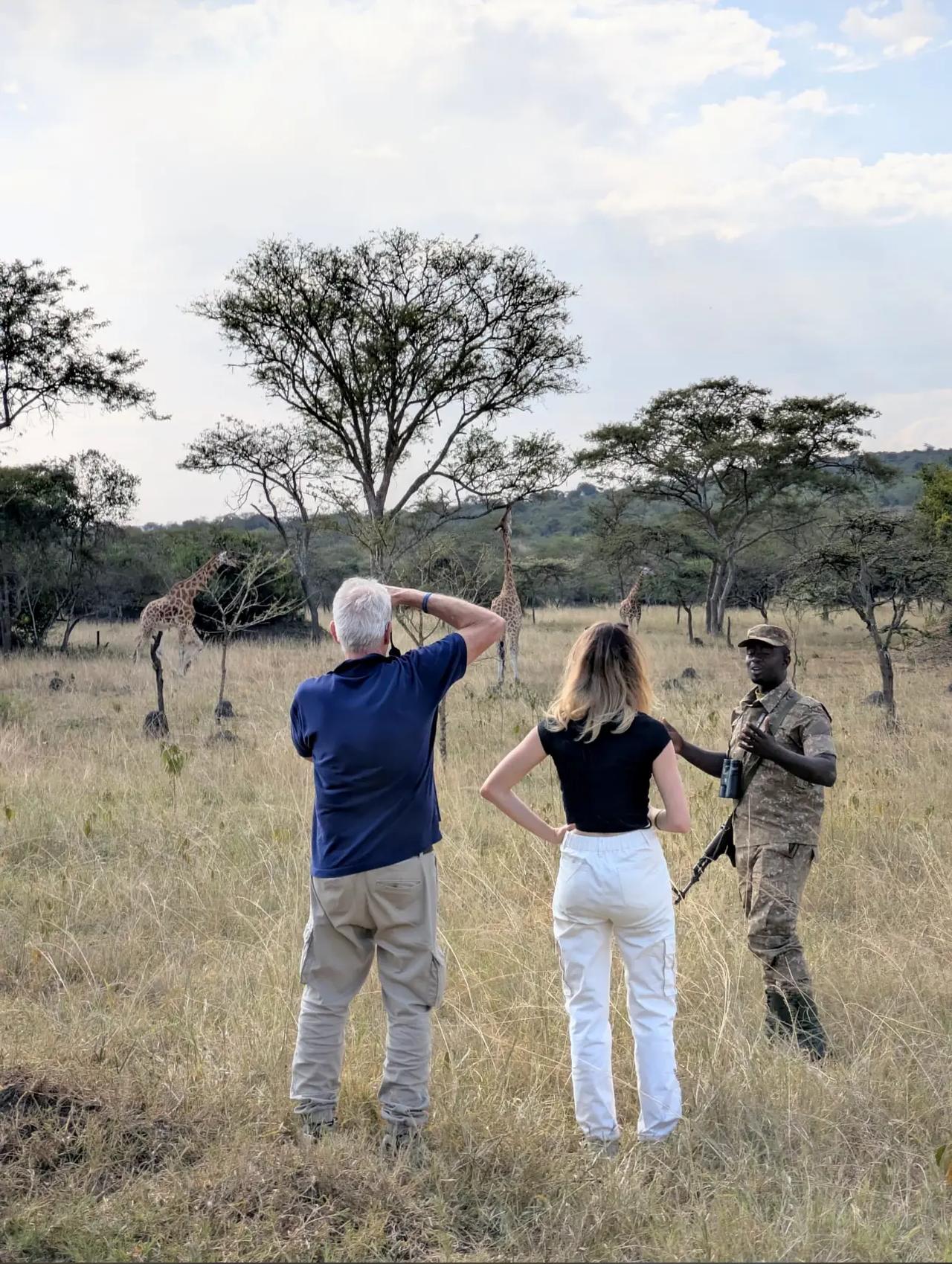
Animals can move through unfenced camps. Never walk alone after dark where escorts are required, do not leave rooms against instruction, and keep children close. On drives and walks, the guide's direction is immediate and final.
Do not feed wildlife, lean out unexpectedly or pressure a guide to approach more closely for a photograph.
05
Road, air and remote-area reality
Travel may involve small aircraft, unsealed roads, boats and locations far from advanced medical facilities. Weather and operating conditions can alter a plan.
Comprehensive insurance should cover cancellation, medical treatment, evacuation and the activities in your itinerary. Read exclusions rather than assuming ‘safari’ is automatically covered.
06
What good support looks like
Documents should name the local contact, explain meeting points and state what happens if a flight changes. The DMC should monitor the route and coordinate suppliers rather than leaving the guest to solve a disruption alone.
Safety also includes honesty: disclose drive time, mobility demands, camp access and known limitations before money is committed.
Questions travellers ask
Useful answers, before you decide.
Is East Africa safe for tourists?
Many travellers visit successfully, but conditions vary by country and region. Follow current government advisories, use reputable operators and apply normal city and travel precautions.
Do I need a yellow-fever certificate?
It depends on itinerary, transit history and current country rules. A travel-health professional and official entry source should assess your routing.
Do I need malaria tablets?
Risk and recommended medication are itinerary- and person-specific. Seek clinical advice rather than relying on a general website answer.
What insurance should I buy?
Comprehensive cover should address cancellation, medical care, evacuation, baggage and all planned activities. Check benefit limits and exclusions carefully.