Maasai Mara landscape in Kenya

Mara ecosystem guide

Maasai Mara, across the private conservancies

The experience

The Mara, read beyond the migration

The Maasai Mara is not one uniform safari. The national reserve, the Mara Triangle and adjoining private conservancies each create a different rhythm. Sail matches the camp and guiding plan to river crossings, resident wildlife, privacy and the amount of time you want beyond the vehicle.

Read the landscape

Space, timing and the right side of the river

Game drives with room to linger

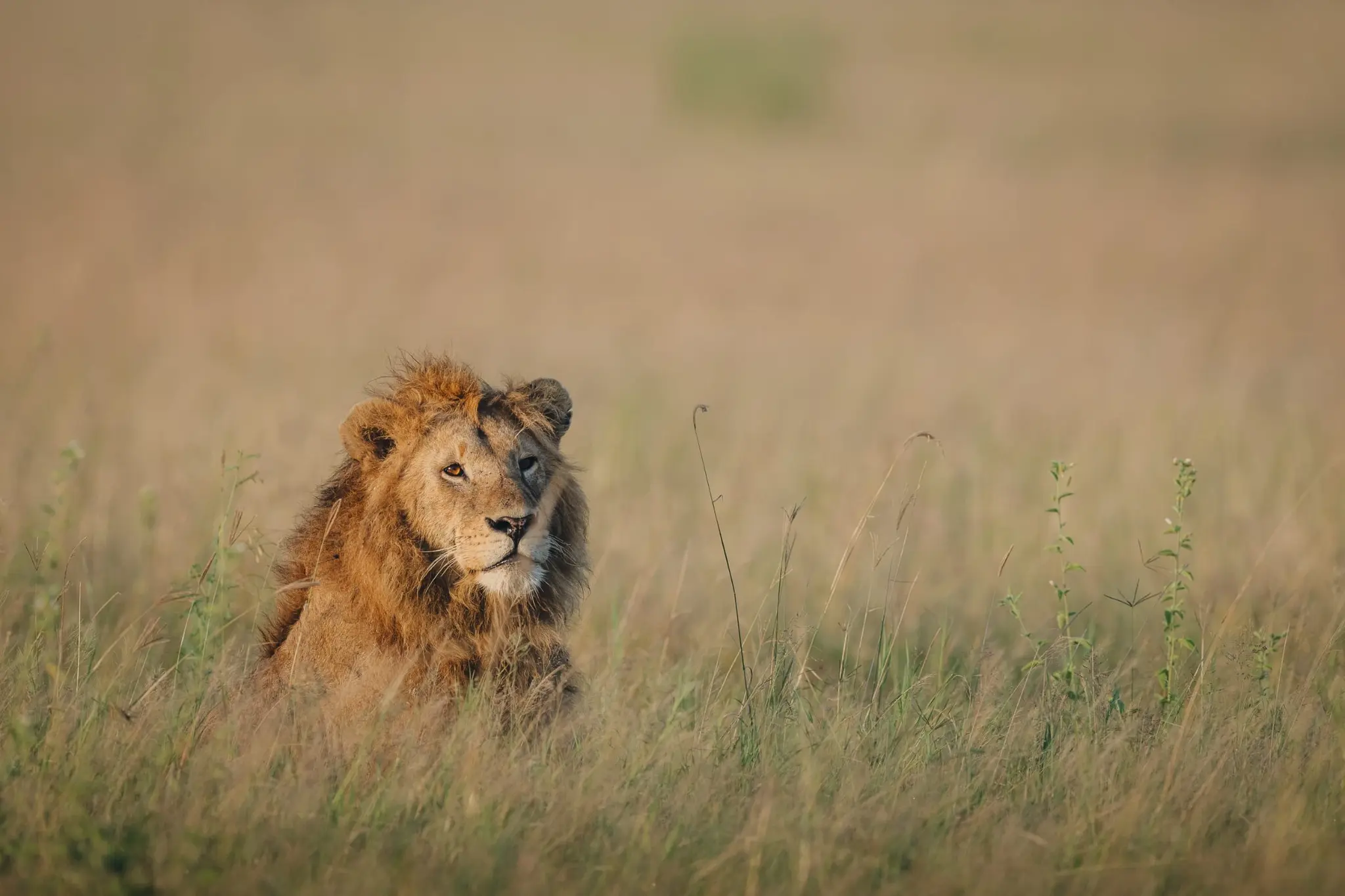
Dawn and late-afternoon drives reveal the Mara at its most expressive: lion prides returning from the night, cheetah using the open plains and elephant moving between riverine woodland and grassland. Private guiding protects the freedom to stay with a sighting instead of following a fixed camp schedule.

Private conservancies add night drives, guided walks, off-road viewing where permitted and a calmer vehicle density. Thoughtfully hosted Maasai encounters can add living cultural context. Sail treats the migration as a natural event rather than a timetable, with no promise of a crossing on a particular day.

How to build the Mara into a journey

Scheduled flights from Nairobi Wilson protect time and land close to the chosen camp; a road transfer can work when the wider route benefits. Three nights is the practical minimum, while four gives weather, wildlife and different sectors space to shape the experience.

Reserve, conservancy and river geography

Reserve camps favour access to the Mara and Talek rivers and the migration corridor. Conservancy camps favour exclusivity, night activity and walks. Some journeys combine both. Sail chooses geography first, then lodge style, because the wrong side of the ecosystem can cost hours each day.

Where to stay

The Mara’s most exclusive addresses include Angama Mara, Sanctuary Olonana, Ishara Mara, Mahali Mzuri, Mara Bushtops, &Beyond Bateleur Camp, Mara Plains and Naboisho Camp. Distinguished alternatives include Entim Mara, Entim Private Camp, Ilkeliani, Emboo River and Encounter Mara. We select for guiding, privacy, river access and season—not labels alone.

When to travel

July to October often brings the migration into the wider Mara ecosystem, but timing and crossings remain unpredictable. January to March is drier with strong resident game; the green months bring dramatic skies, young animals, excellent birding and fewer vehicles. Sail explains the trade-offs clearly before holding space.

Local design, end to end

Why travel Kenya with Sail

We coordinate Nairobi transfers, bush flights, baggage limits, conservancy fees, private vehicles and onward connections as one plan. Your camp is chosen to support the experience you want, with enough nights to avoid turning the Mara into a race between sightings.

Explore all Kenya guides

Design your journey

Let the Mara set the pace

Share your dates, party size and preferred style of camp. A Sail specialist will recommend the right reserve or conservancy position, length of stay and onward route, then shape it into one coherent Kenya journey.

Start planning
WhatsAppA safari specialist