
The Maasai Mara
Big-cat country and seasonal migration drama, balanced with private conservancy access and unhurried guiding.
Where safari began
Iconic wildlife, private conservancies, highland wilderness and the Indian Ocean, curated beyond the obvious.
The experience
Kenya holds the classic safari imagination, but its finest journeys are defined by access and rhythm: private conservancies, specialist guides, small characterful camps and room to experience wildlife without rushing.
Design a journey hereDecision-led planning
In-depth destination guides
The right geography, access and lodge position matter as much as the country name.
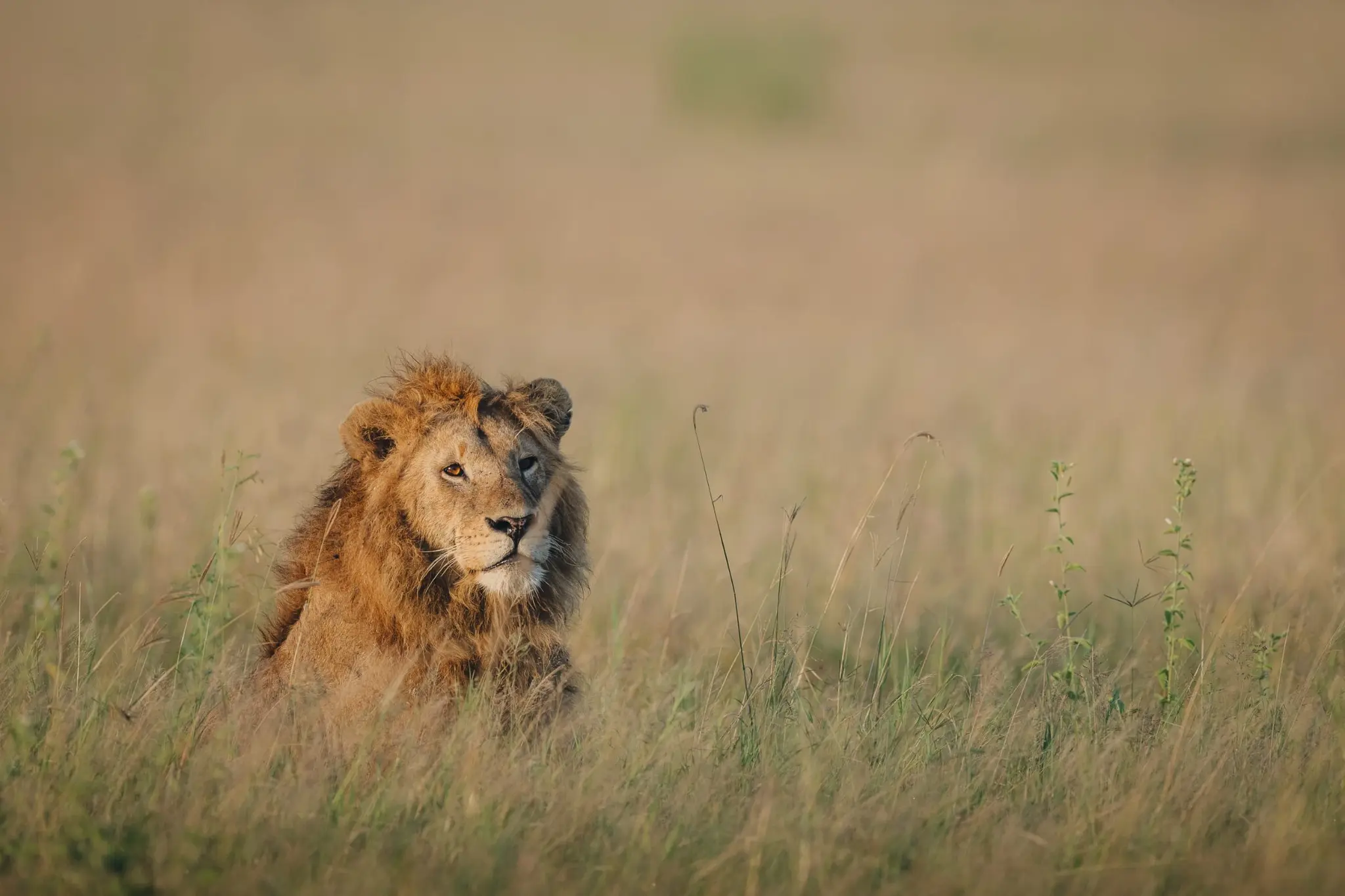
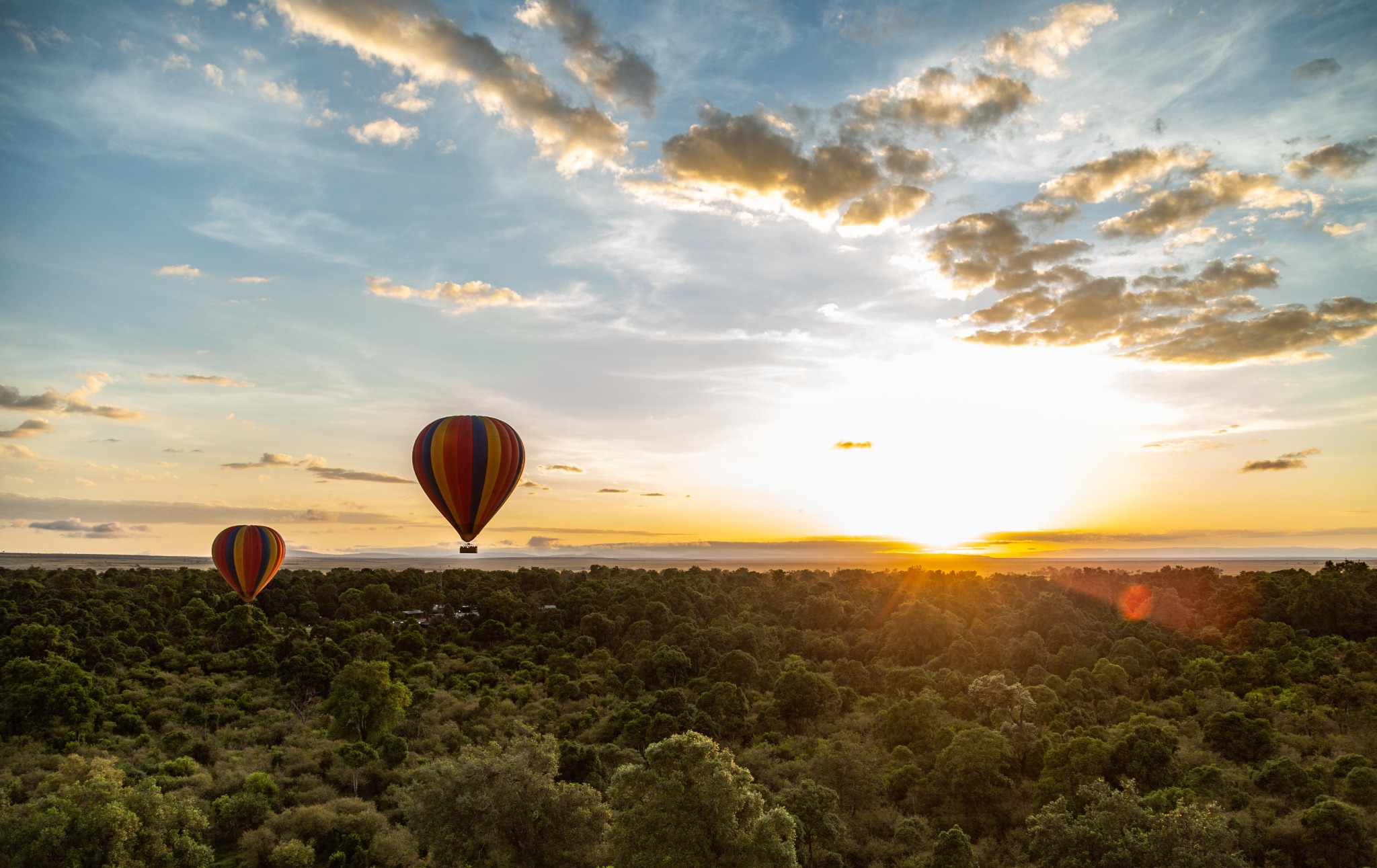
The Maasai Mara is not one uniform safari. The national reserve, the Mara Triangle and adjoining private conservancies each create a different rhythm. Sail matches the camp and guiding plan to river crossings, resident wildlife, privacy and the amount of time you want beyond the vehicle.
Read the guide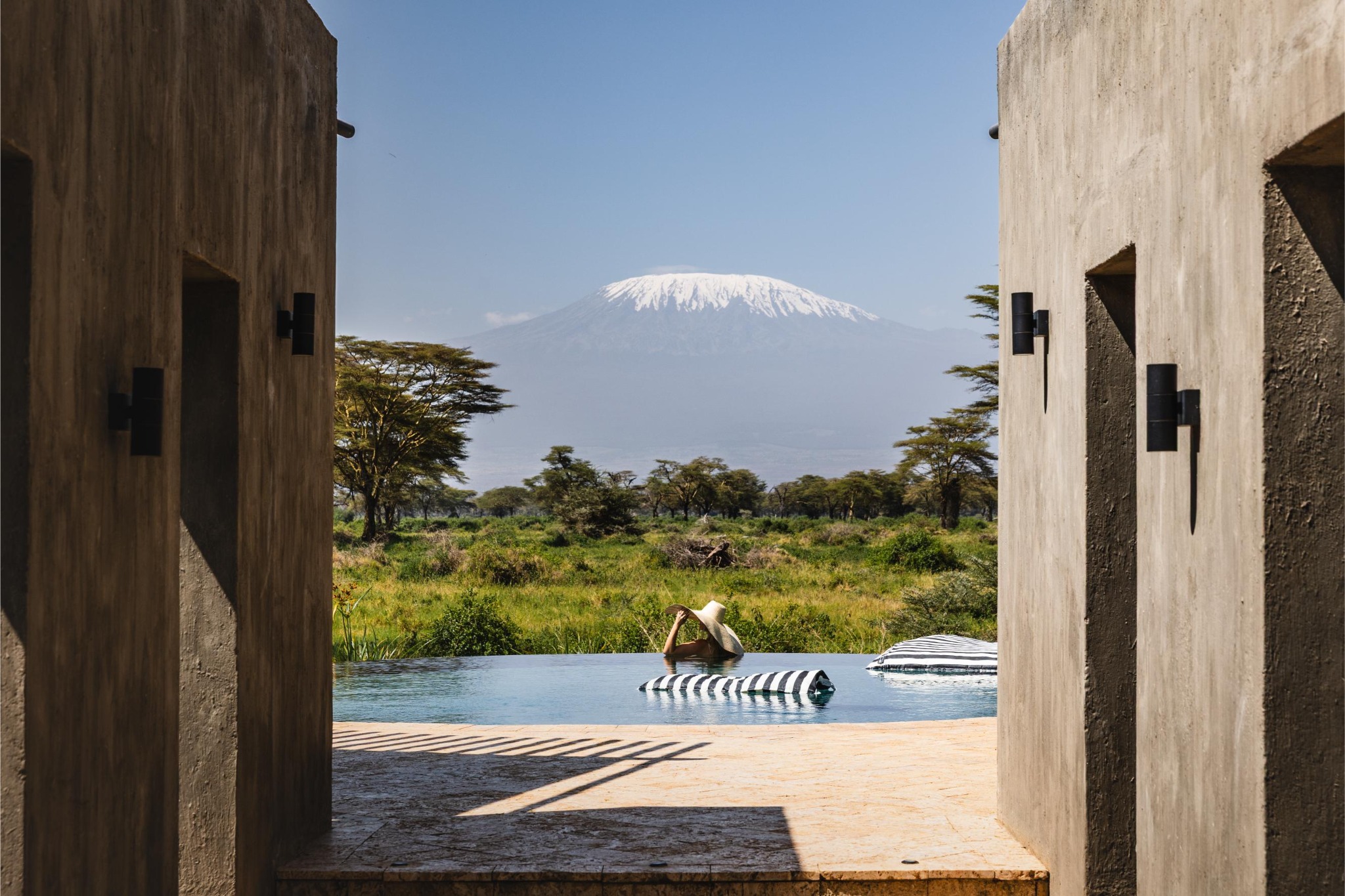
Amboseli is an intimate landscape of open plains, spring-fed wetlands and acacia woodland under the immense presence of Kilimanjaro. Its celebrated elephant herds are the anchor, but the experience depends on light, dust, water and the quieter concessions around the national park.
Read the guide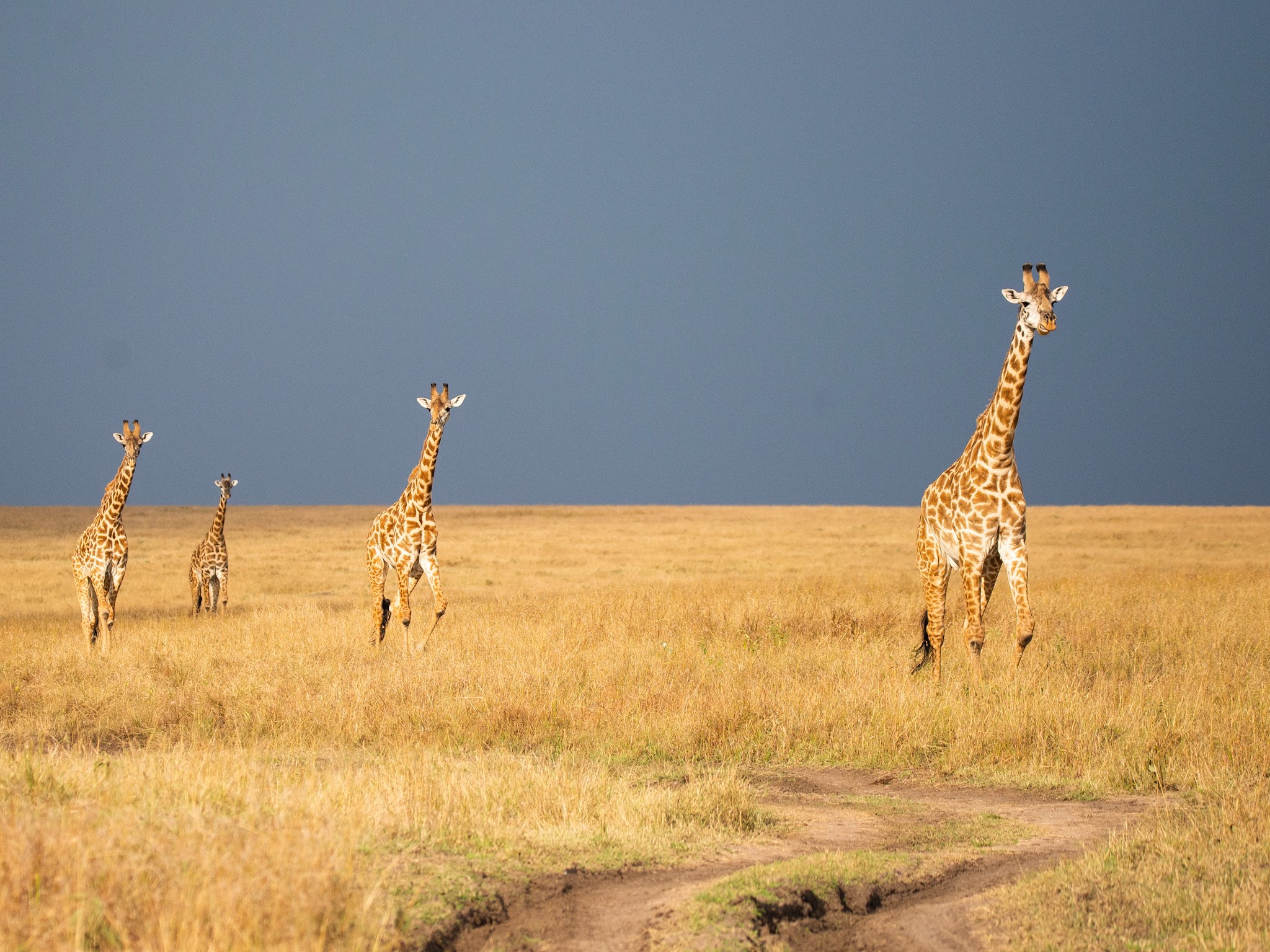
Lake Nakuru National Park is a compact Rift Valley sanctuary where woodland, grassland, rocky escarpment and an alkaline lake sit close together. It works best as a deliberate wildlife chapter (especially for rhino) rather than a rushed roadside stop between Nairobi and the Mara.
Read the guide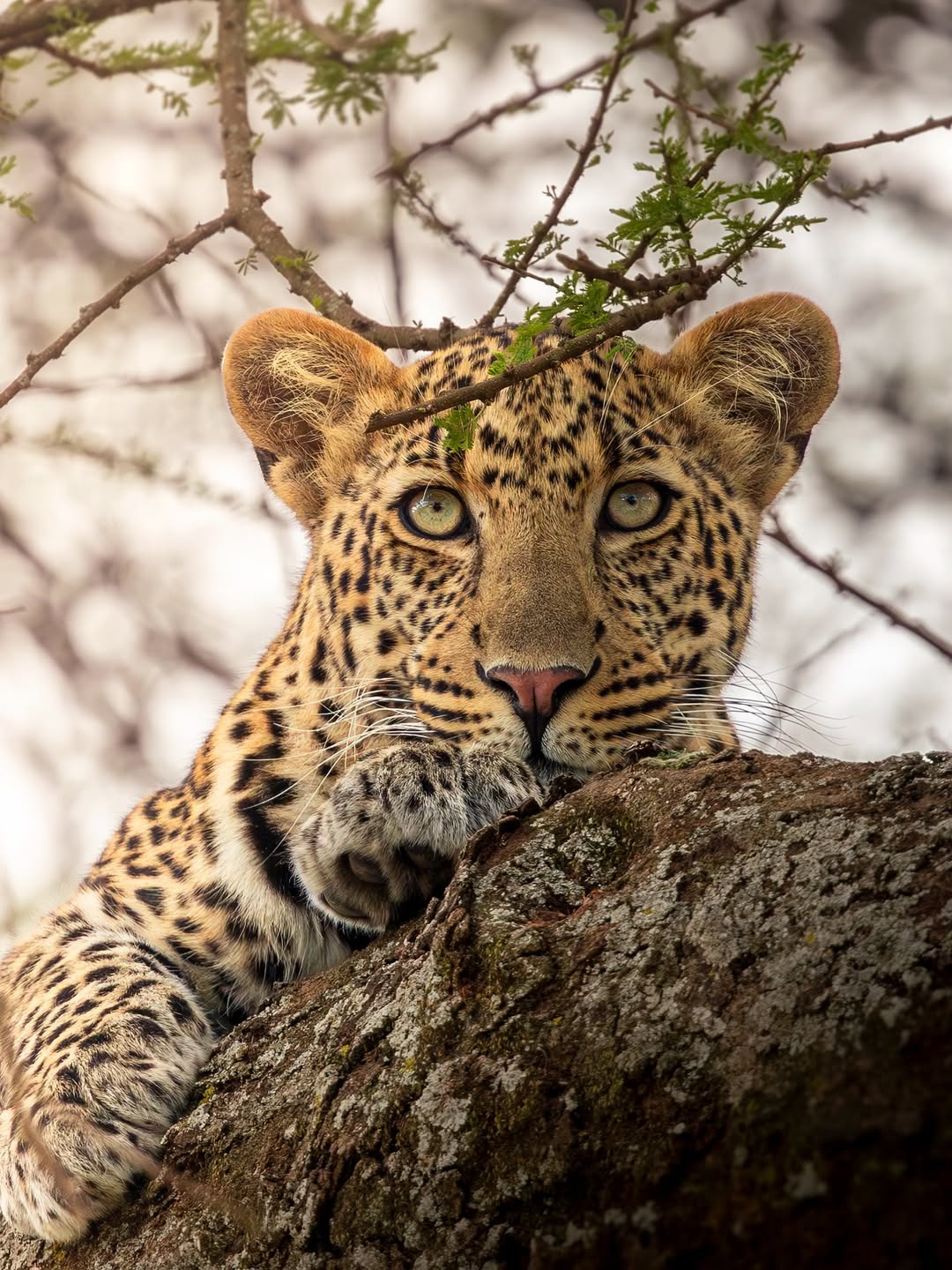
Laikipia’s private and community conservancies spread across the high plateau north of Mount Kenya. The appeal is breadth: wildlife, walking, riding, hides, conservation access and design-led lodges, often without the vehicle density of the better-known national reserves.
Read the guide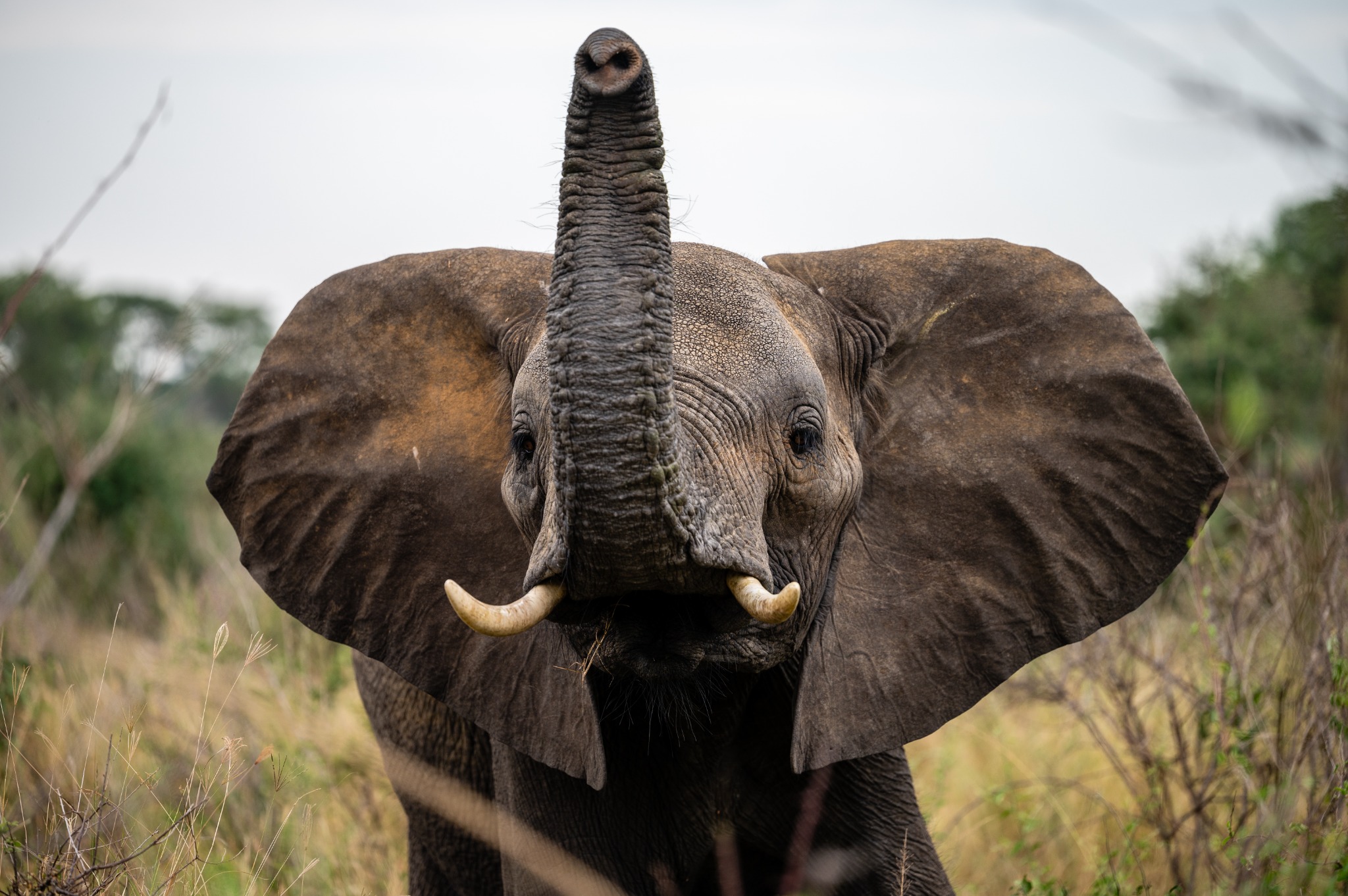
Together Tsavo East and Tsavo West form one of Kenya’s largest wilderness systems. East is known for immense horizons and red-dusted elephant; West adds volcanic terrain, springs, woodland and dramatic elevation. The reward comes from accepting distance and giving each chosen sector enough time.
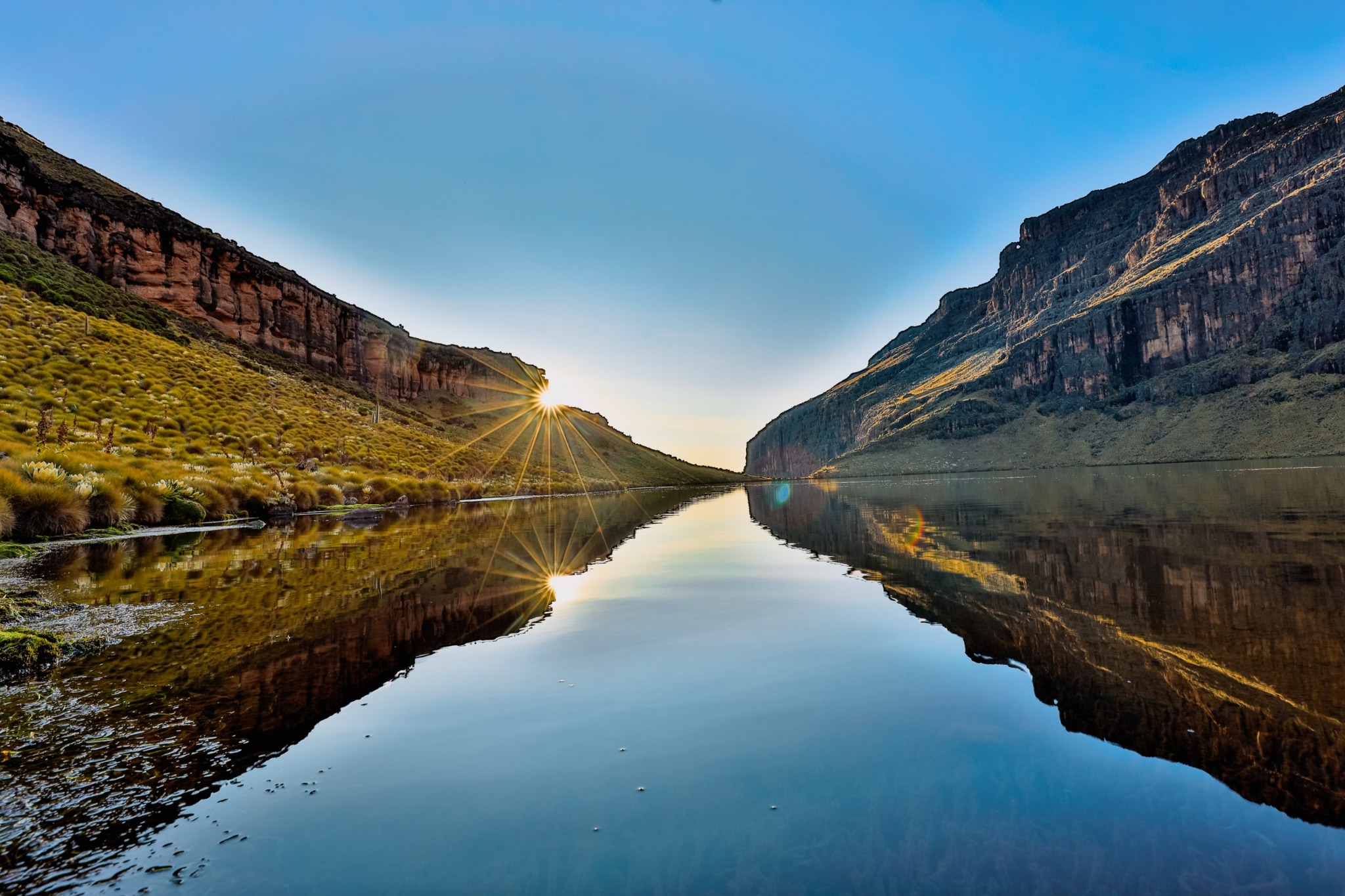
Read the guideThe Mount Kenya region combines highland forest, working conservation landscapes and views toward a glaciated massif sacred to local communities. It can be a restorative pause, an active mountain journey or the threshold to Lewa, Borana and Laikipia.
Read the guide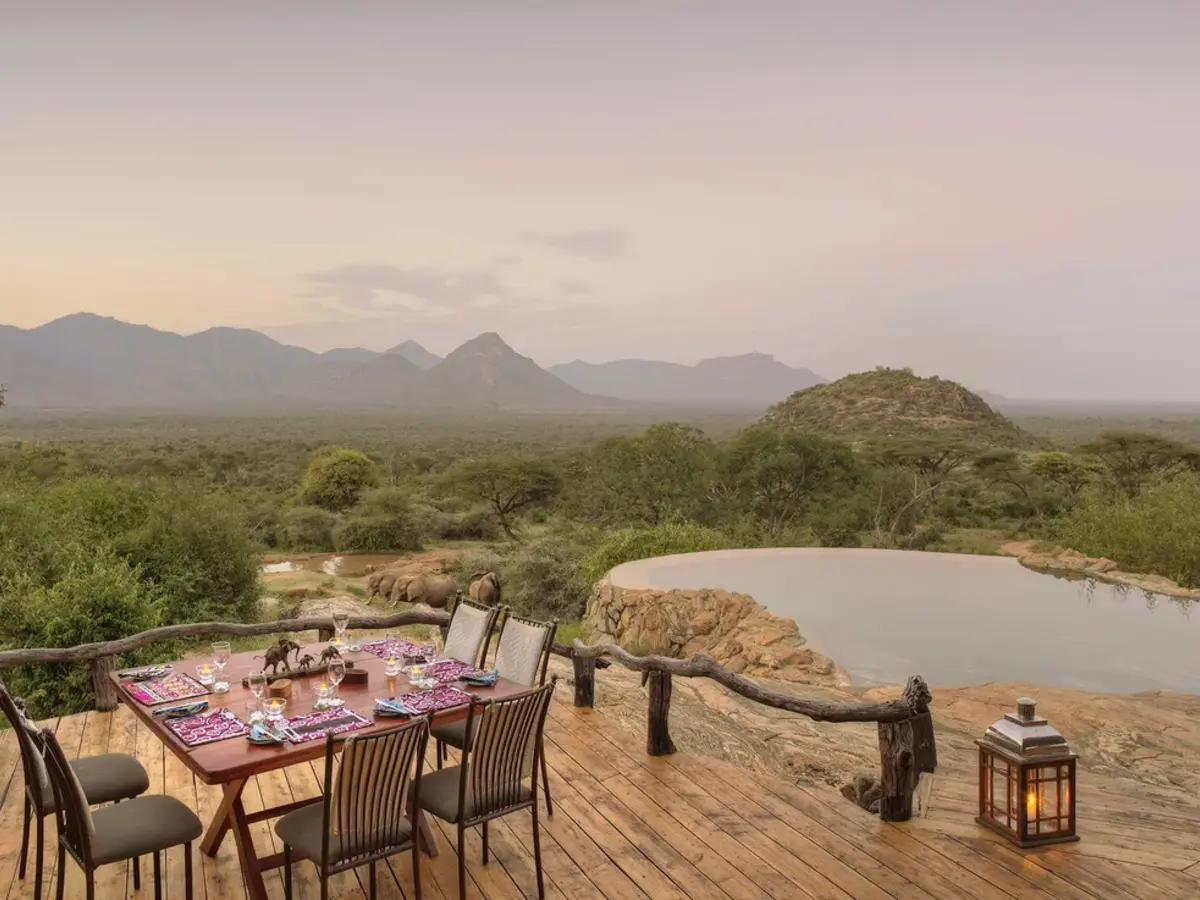
Samburu and the adjoining Buffalo Springs and Shaba reserves sit around the Ewaso Nyiro River, where doum palms and dry-country ridges create one of Kenya’s most distinctive safari landscapes. The ecosystem rewards travellers who value atmosphere, specialist guiding and time away from the southern circuit.
Read the guide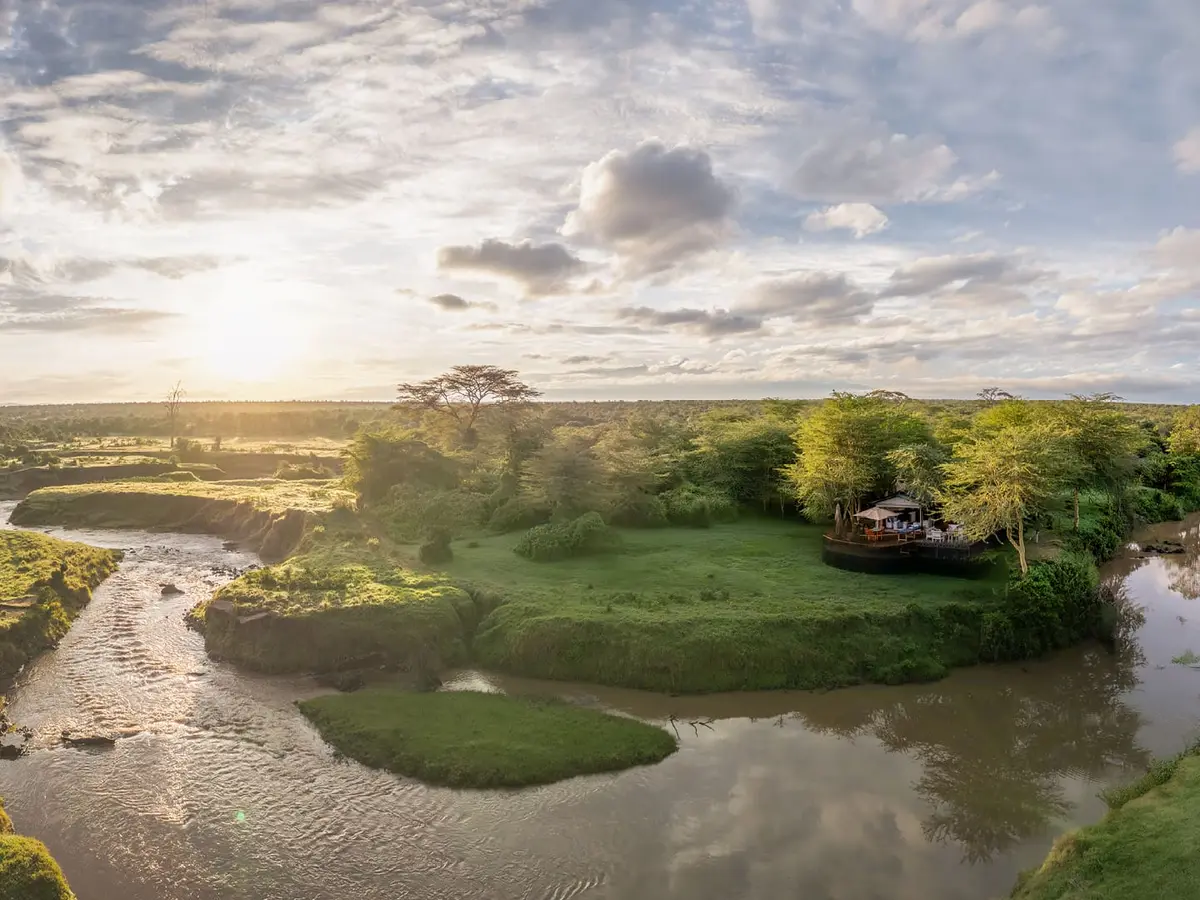
Ol Pejeta Conservancy combines strong big-game viewing with one of East Africa’s most important rhino conservation stories. Set between Mount Kenya and the Aberdares, it works particularly well for families, first-time safari travellers and anyone who wants conservation to be part of the day rather than a background claim.
Read the guide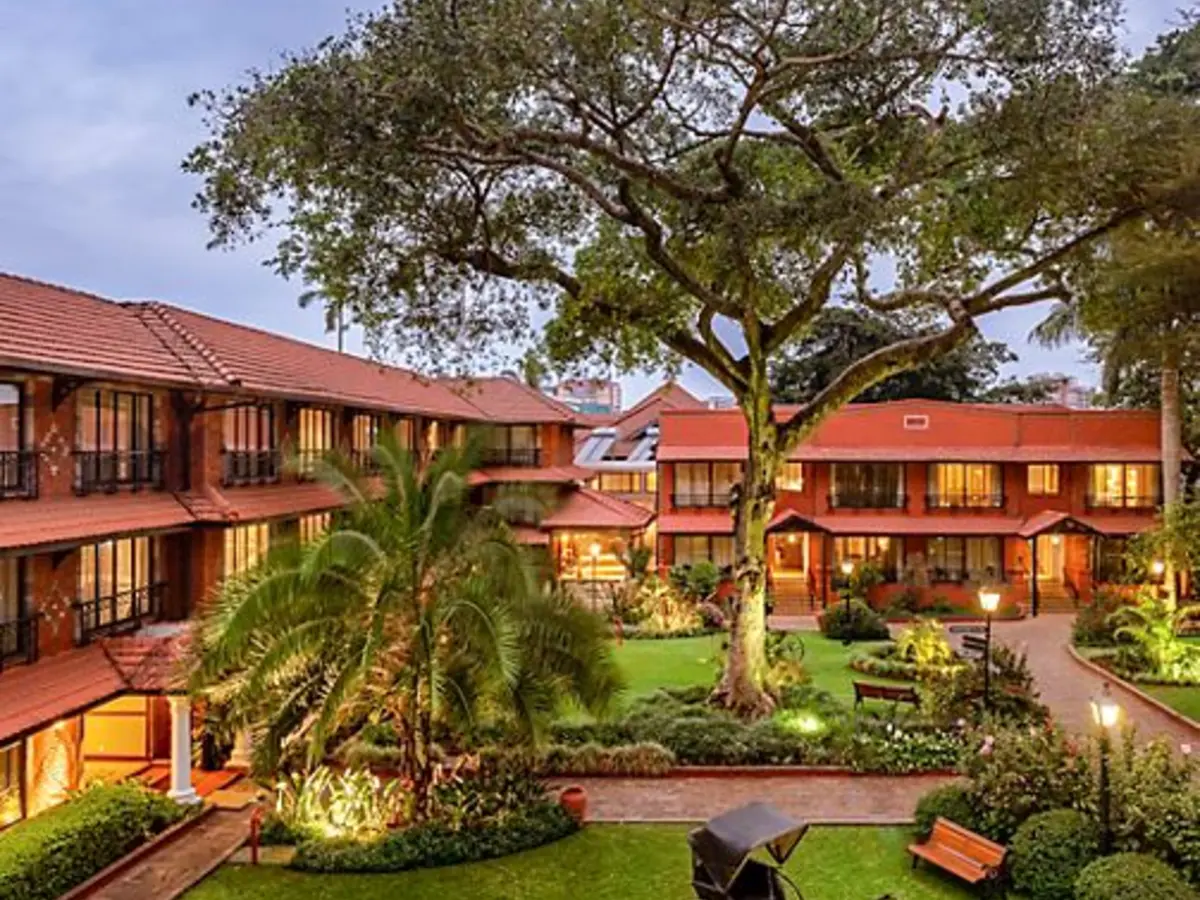
Nairobi is often treated as a transfer point, but the right hotel and sequence can turn it into a calm beginning or elegant finish. The key is geography: international airport, Wilson Airport, Karen, the national park and city hotels each sit in different traffic patterns.
Read the guideBig-cat country and seasonal migration drama, balanced with private conservancy access and unhurried guiding.
Conservation-led ranches, rare northern species and active days on foot, horseback or camel.
Elephants beneath Kilimanjaro, followed by Indian Ocean stillness when bush and beach belong in the same story.
From the journal
Travel well
We will advise on the right season, pace, properties and connections, then manage every detail on the ground.
Start planning