
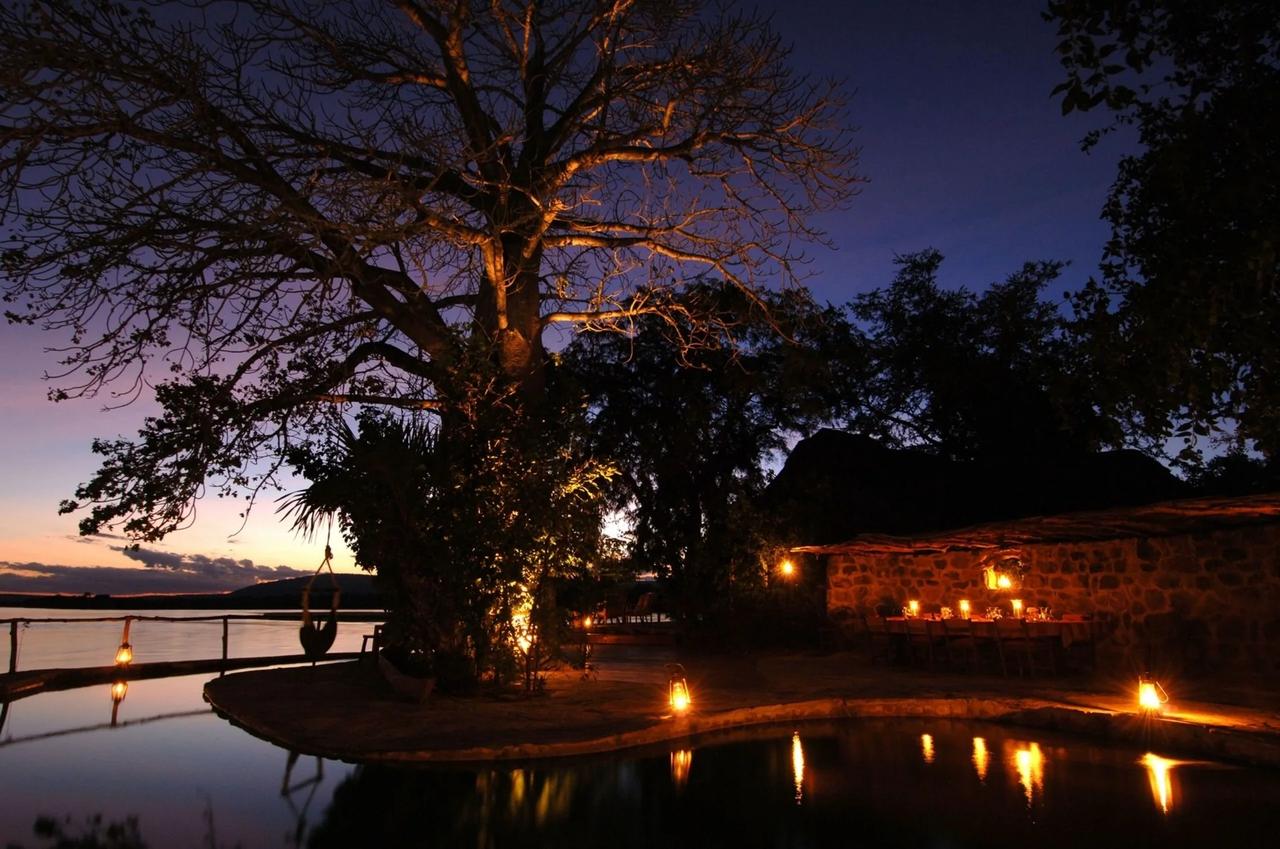
The short answer
What to know first.
Southern Tanzania is the counter-offer to everything the Northern Circuit's fame implies, and its case fits in one sentence: comparable wilderness, a fraction of the vehicles. Nyerere National Park, carved from the Selous and among the largest parks in Africa, is organised by the Rufiji river's channels and lakes, which makes it the rare savannah destination where the boat safari is a literal daily product, hippo and crocodile at water level, elephant swimming the channels, fish eagles overhead, alongside walking safaris in the old Selous tradition and game drives among wild dog country. Ruaha, further inland and higher, is baobab-studded lion country, carrying one of East Africa's great lion populations along its sand rivers, with leopard, cheetah, wild dog and dry-country species the north does not offer. The costs of the trade are honest: the south is a fly-in circuit on scheduled light aircraft from Dar es Salaam and Zanzibar; camps are fewer, smaller and seasonal, several closing in the deep rains; sightings are earned across space rather than queued for; and the current TANAPA tariffs, Nyerere at 82.60 US dollars per person per day plus 70.80 concession per night, Ruaha at a gentle 35.40 and 35.40, are restated on every quote. Who should go south: second-trip Tanzania, crowd-averse travellers who want the ecosystem to themselves, walking and boating enthusiasts, and anyone pairing wilderness with Zanzibar, since the flight logistics favour exactly that shape. Availability and seasonal operations confirmed at booking.
At a glance
The planning brief.
Space is the product
Two of Africa's largest wild areas with a fraction of the north's vehicles: the Serengeti's ecosystem-scale wildness without its traffic.
Different instruments
Boat safaris on Nyerere's Rufiji channels, walking on both circuits, and Ruaha's lion country under its baobabs.
The flying logistics
Scheduled light aircraft from Dar es Salaam and Zanzibar make the south a fly-in circuit; road connections are for the committed.
Sail verifies
Current TANAPA fees, flight schedules, seasonal camp operations and the walking and boating permissions for your dates.
01
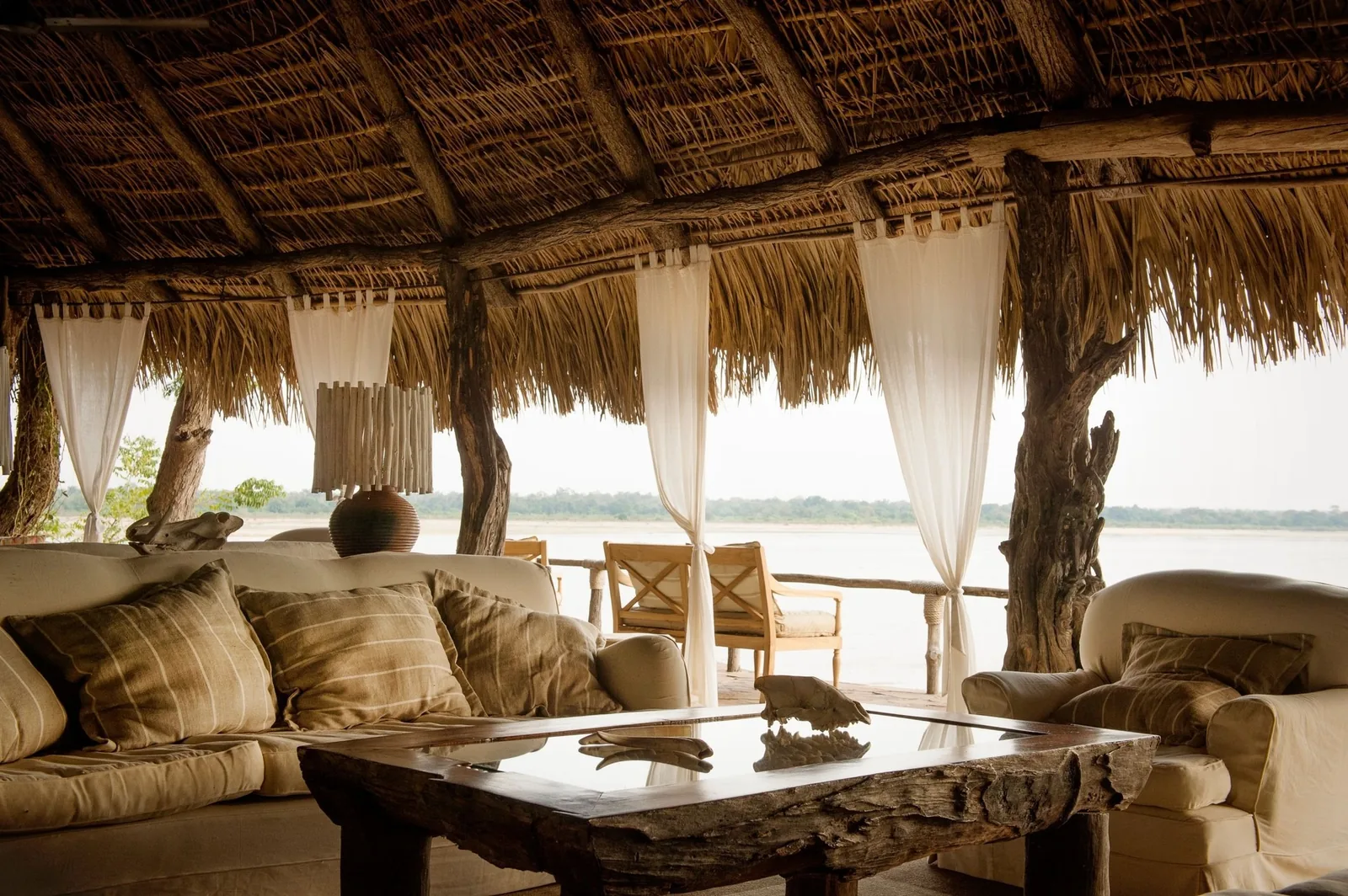
Nyerere: the river runs the show
The Rufiji is the organising fact of Nyerere: East Africa's great untamed river system braids into channels, oxbow lakes and borassus-lined banks, and the wildlife arranges itself around the water. The boat safari this enables is not a transfer dressed as an activity but the park's signature: drifting past hippo rafts at eye level, crocodiles the length of the boat, elephants crossing the channels, and birding that fills a morning without repetition.
On land the old Selous traditions hold: this is one of the ancestral homes of the walking safari, armed-guide mornings on fresh spoor, and the game-drive country between the lakes carries lion, greater kudu and one of Africa's important wild dog strongholds. The register is expeditionary rather than theatrical, and the near-absence of other vehicles is not a perk but the premise.
A note on the name, because maps disagree: Nyerere National Park was created in 2019 from the northern, photographic sector of the old Selous Game Reserve, taking the name of Tanzania's founding president. Older itineraries, guidebooks and camp names still say Selous, and the walking-safari tradition the reserve made famous continues unbroken. Same river, same wilderness, newer signboards.
02
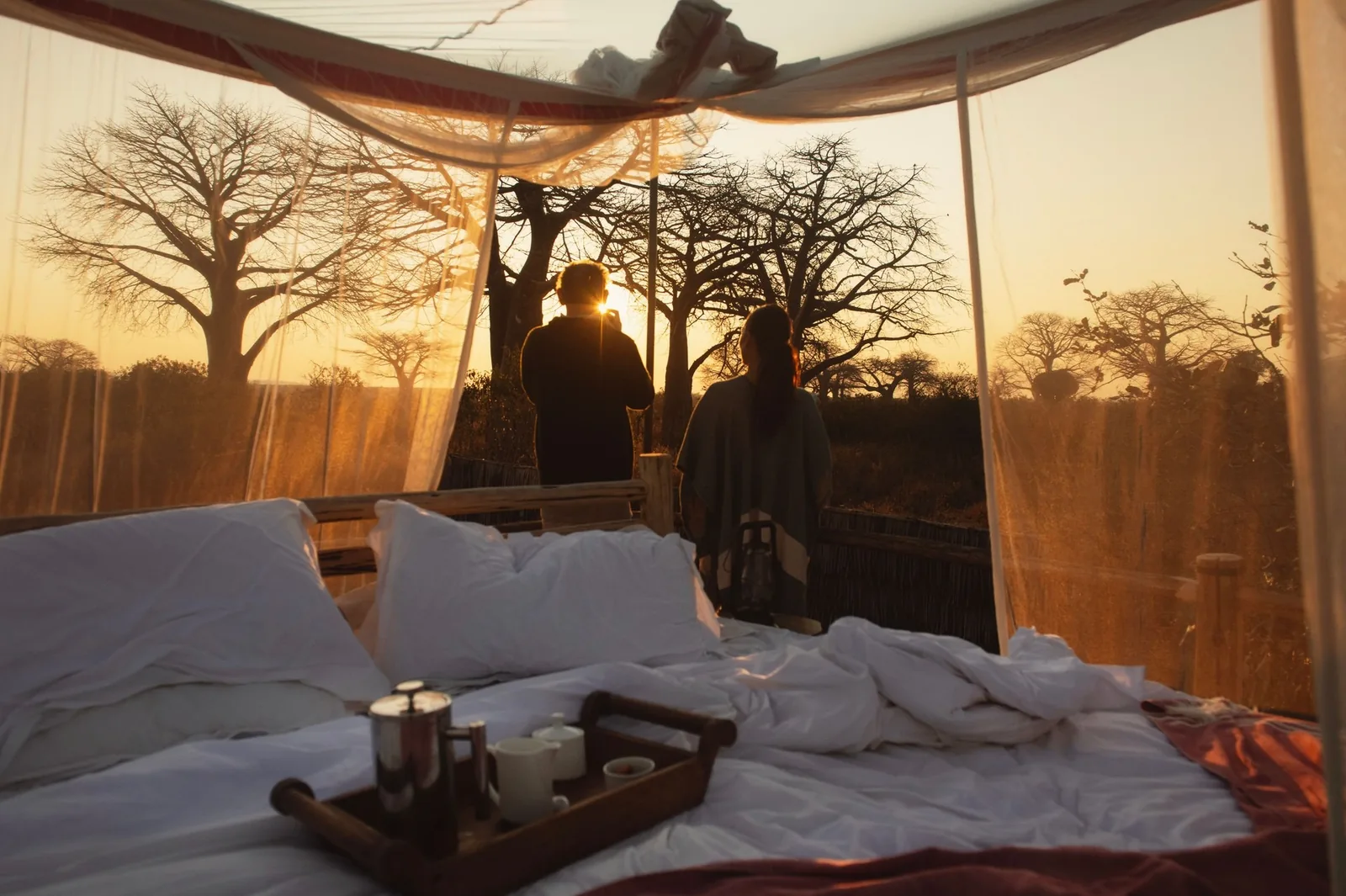
Ruaha: lions and baobabs
Ruaha is drier, higher and stranger: an escarpment-edged wilderness where baobabs stand in parliament across the hills and the Great Ruaha river's sand beds pull wildlife into view. Its calling card is lions, prides of a scale the brochures undersell, carrying one of East Africa's significant populations, alongside dense leopard country, cheetah on the open ground and the dry-country specials, lesser kudu, sable and roan on the park's southern reaches, that the northern circuit simply does not hold.
The park rewards the connoisseur's patience: sightings assemble along the sand rivers, walking is superb, and the light through baobab country at dusk is its own reason to come. At 35.40 US dollars per person per day on the current tariff, Ruaha is also the quiet value of Tanzanian safari, a fact the fee page states and the market has not yet noticed.
03
The logistics, honestly
The south is a flying circuit. Scheduled light aircraft link Dar es Salaam and Zanzibar to the Nyerere airstrips and onward to Ruaha; the sectors are scenic and punctual, and they are the practical answer, road access exists for the committed but consumes days the wilderness deserves. The flight patterns create the natural shapes: Zanzibar and Nyerere pair with almost no wasted motion, and the full southern route runs coast, river, baobab country and back.
Seasonality is real and worth respecting: the deep rains close several camps and soften the black-cotton country, the dry months concentrate wildlife on the water and are the classic window, and the green shoulders reward birders and photographers at gentler rates. Camps are small, and the best of the river positions book out to the repeat traffic that keeps the south a word-of-mouth secret.
Nyerere is for
Boat safaris on the Rufiji, walking in the Selous tradition, wild dog country and water-organised wilderness at scale.
Ruaha is for
Lion country under baobabs, dry-country species the north lacks, and the connoisseur's quiet at the circuit's gentlest fees.
The fee lines
Nyerere at 82.60 US dollars per person per day plus 70.80 concession per night; Ruaha at 35.40 and 35.40, current TANAPA tariffs, restated on every quote.
The access rule
Fly: scheduled light aircraft from Dar es Salaam and Zanzibar run the circuit; the road option spends wilderness days on tarmac.
04
Who should trade north for south
The south is the second-trip answer that increasingly wins first trips: travellers who have done the Serengeti's density, or who read crowd reports and recoil, find in Nyerere and Ruaha the thing the brochures promised everywhere, wilderness with nobody in it. It suits walkers, boaters, birders, photographers hunting unworked light, and honeymooners for whom privacy is the point. It does not suit first-timers who need density guarantees for a short window, or files that cannot absorb a seasonal camp calendar.
The pairing logic seals most southern files: Zanzibar sits one short flight from the Rufiji, which makes bush-and-beach in the south a lower-friction journey than its northern equivalent. From the Sail operations desk, checked August 2026: our southern files run smaller, longer and quieter than anything else we sell, and their guests use the word wilderness without prompting, which is the entire case in one datum.
Questions travellers ask
Useful answers, before you decide.
Is southern Tanzania better than the Serengeti?
Different bargain: the north sells density and spectacle, the south sells space, boats, walking and solitude. The migration lives north; the wilderness feeling lives south.
What is a boat safari actually like?
A guided drift on the Rufiji's channels at water level: hippo, crocodile, swimming elephant and river birdlife, typically in the golden hours. It is Nyerere's signature and runs subject to river conditions.
How do I get to Nyerere and Ruaha?
Scheduled light aircraft from Dar es Salaam and Zanzibar serve the circuit's airstrips; the parks pair naturally with a Zanzibar finish. Road access exists but spends days the flights save.
When do southern camps close?
Several close in the deep rains around April and May and reopen for the dry season; exact calendars vary by camp and are confirmed against your dates at booking.