
The short answer
What to know first.
Mahale Mountains National Park is the destination even seasoned safari travellers have not done: a roadless peninsula of forested mountains on Lake Tanganyika's remote eastern shore, reachable only by light aircraft and then by boat, where habituated wild chimpanzees live in forest that runs down to white lakeshore sand. The daily shape exists nowhere else in Africa: trek for chimpanzees in the morning, then spend the afternoon swimming in the world's second-deepest lake, clear as glass and warm as bathwater, before dinner on the beach. The honesty this page owes: Mahale is earned. Access runs on limited scheduled flights across half of Tanzania, then a lake transfer; the handful of lodges are small, seasonal and priced like the expedition logistics they sit on; treks range from a gentle hour to a genuinely hard half day in steep, humid forest depending on where the chimpanzees are; and sightings follow the same likelihood language as every primate page in this journal, excellent odds across a stay, promised on no particular morning. Park rules govern group sizes, distance and time with the chimpanzees under current TANAPA administration, and the fitness conversation is had honestly before booking, not on the trailhead. For the traveller who has done the savannah and wants East Africa's strangest chapter, or the primate enthusiast extending this journal's forests eastward, Mahale is the connoisseur's answer; schedules, conditions and current rules confirmed at booking.
At a glance
The planning brief.
The setting is the point
Wild chimpanzees in mountain forest that falls straight into Lake Tanganyika: trek in the morning, swim in the afternoon.
Earned, not dropped into
Two flights and a boat from anywhere: Mahale is among East Africa's most remote destinations, priced and scheduled accordingly.
Different from Kibale
Fewer visitors, longer treks, a lakeshore address: Uganda's forests are easier and cheaper; Mahale is wilder and stranger.
Sail verifies
Flight schedules, trekking conditions, current park rules and the fitness honesty the treks require.
01
What Mahale actually is
Picture the geography first, because it explains everything else: a mountain range rising straight from Lake Tanganyika, no roads in the park, no vehicles, the lakeshore as the only thoroughfare. The chimpanzee communities studied here for decades range through the lower forests, and trekking follows their morning movements from the beach upward, with researchers' knowledge guiding each day's start.
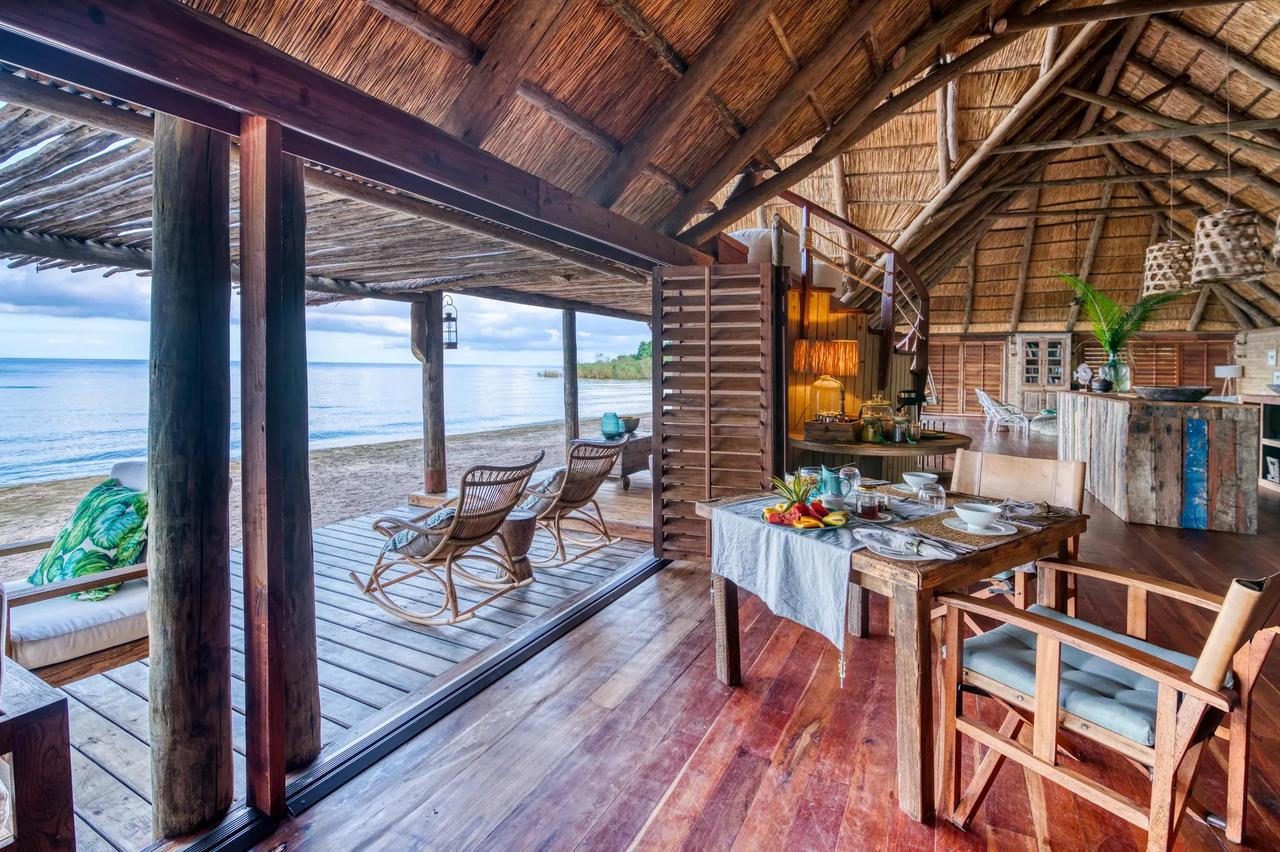
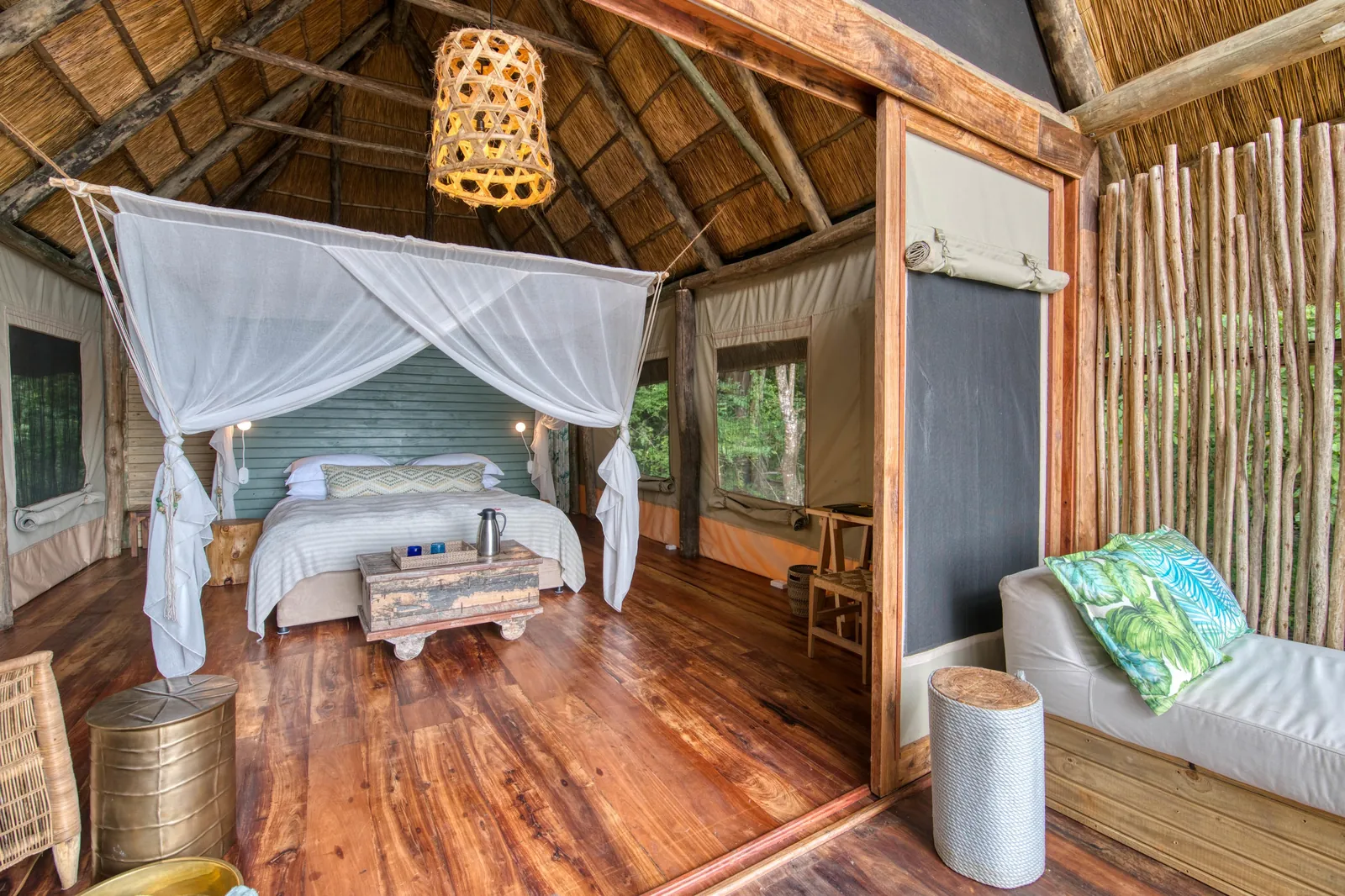
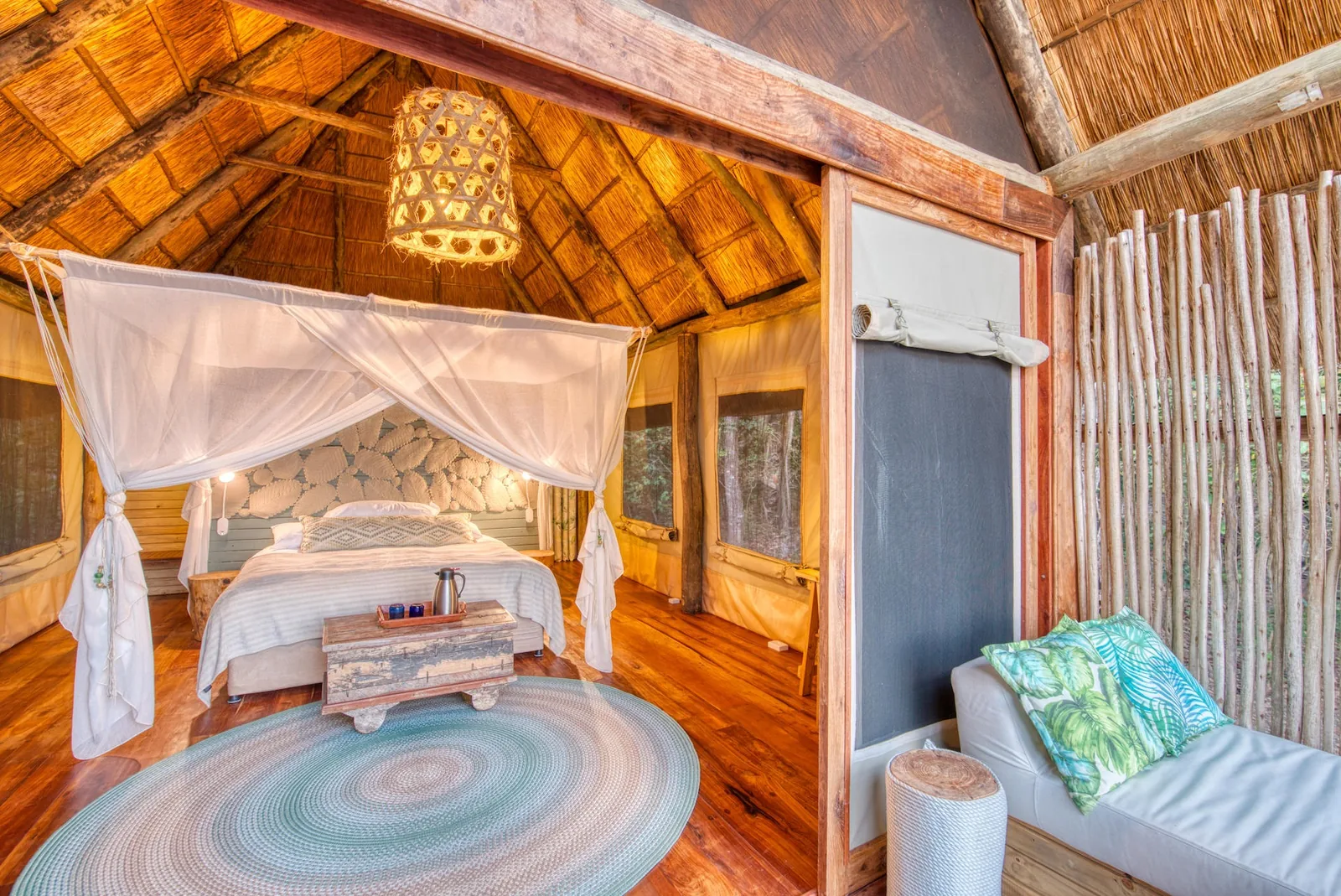
The register is expedition-calm: barefoot lodges on the sand, dhows and small boats as the only transport, forest silence and lake horizon in alternation. It is routinely called one of Africa's most beautiful parks by people paid to be sceptical, and the adjective that survives every trip report is the same one: strange, in the best sense available to travel.
The chimpanzees themselves carry six decades of science: Japanese primatologists established research here in the 1960s, and the M-group community that visitors trek to has been continuously studied ever since, which is why individuals are known by name and biography and why the habituation runs so deep. Trekkers are walking into one of primatology's longest conversations, and the guides carry its gossip.
02
The trekking, honestly
Chimpanzee trekking at Mahale runs on the animals' schedule. Some mornings the community feeds low near the shore and the encounter costs a warm forty-minute walk; other days they range high and the trek becomes three or four steep, humid hours each way on forest paths. Guides and trackers read the mornings well, but the honest range is the range, and the fitness conversation belongs before booking.
The encounter itself is governed by park rules under current TANAPA administration: limited group sizes, a fixed hour with the chimpanzees, minimum distances, masks where required under current primate-health protocols. The hour is extraordinary: Mahale's chimpanzees are among the most naturally habituated on Earth, going about their politics at close range as if the watchers were weather. Our forest pages' etiquette translates wholesale: quiet, still, unhurried, and the hour expands.
The afternoons belong to the lake, and the lake earns them: Tanganyika's water is startlingly clear and warm, the lodges brief where swimming is safe on their stretch of shore, and kayaks, snorkelling over cichlid shoals in their hundreds of endemic species, and dhow sundowners fill the hours the forest does not. At night the lamps of sardine fishermen string the horizon like a second sky, which is the image most guests choose when asked for the trip's keeper.
03
Mahale or Kibale: the four-country desk's comparison
Uganda's Kibale is the efficiency answer: the highest chimpanzee density in East Africa, road access from a gorilla circuit, morning treks that usually cost an hour or two, and a price that fits inside a wider Ugandan file. It is where this journal sends most first chimpanzee encounters, and the pages that say so remain true.
Mahale is the pilgrimage answer: harder and costlier to reach, wilder when reached, with the lake as a second destination fused to the first. Choose Kibale when chimpanzees are a chapter in a bigger primate journey; choose Mahale when the journey itself is the point, when you have done the accessible versions, or when the idea of a beach holiday inside a chimpanzee forest solves both halves of a couple's argument. The four-country desk prices both without preference; the files self-select with unusual clarity.
Choose Mahale when
The expedition is the point: remoteness, the lake, and chimpanzees in Africa's strangest setting, with the time and budget the logistics ask.
Choose Kibale when
Chimpanzees are one chapter of a wider primate file: road access, high density, gentler treks and gentler pricing.
The access shape
Scheduled light aircraft on set days across Tanzania, then a boat transfer; the flight calendar shapes every Mahale itinerary.
The season note
The dry months give the easiest trekking and clearest water; lodges close in the deep rains. Calendars confirmed at booking.
04
How a Mahale file is built
The flight calendar rules the design: scheduled services operate on set days, which fixes stay lengths, typically three to four nights, and decides what the rest of the Tanzanian route can be. The natural pairings are Katavi's remote floodplains on the same flight ladder for a full western expedition, or a Serengeti-Mahale combination that runs the country's two registers, spectacle then strangeness, in one journey.
Practicalities are briefed like a trek: forest clothing and footwear from our packing pages, modest daypacks, lake gear, and the health layer, including current primate protocols, from the safety hub. From the Sail operations desk, checked August 2026: Mahale files are few, long-planned and disproportionately repeat-visited, and the guest sentence we hear most afterward is some version of nobody believes where we were, which is, for a certain traveller, the entire product.
Questions travellers ask
Useful answers, before you decide.
How hard is the chimpanzee trekking at Mahale?
The honest range runs from a warm forty-minute walk to three or four steep, humid hours each way, decided by where the community fed that morning. The fitness conversation happens before booking, and porters and pacing do the rest.
Will we definitely see chimpanzees?
Odds across a three-to-four-night stay are excellent and no single morning is promised: the same likelihood language every primate page in this journal uses. The researchers' knowledge and the trackers' craft are the levers.
How do we get to Mahale?
Scheduled light aircraft on set days, then a boat along the shore: there are no roads. The flight calendar fixes stay lengths and is the first thing the desk checks against your dates.
Can Mahale combine with a Serengeti safari?
Yes, and it is the classic shape: the north's spectacle first, then the west's strangeness, linked by the scheduled flights. Katavi is the other natural partner on the same ladder.